
Have you ever looked at a beautiful aquarium and wondered how it became such a stunning underwater scene? Aquascaping for display aquariums is the secret behind those breathtaking aquatic landscapes.
It’s not just about filling a tank with water and fish—it’s about creating a living work of art that draws your eye and soothes your mind. If you want your aquarium to stand out and become a centerpiece in your home or office, understanding the art and science of aquascaping is the key.
Keep reading to discover how you can transform your aquarium into a captivating display that everyone will admire.

Credit: www.amazon.com
Choosing The Right Aquarium
Picking the right aquarium is important for aquascaping success. The tank size and material affect the plants and fish you can keep.
Consider your space and what you want to display. This will help you choose a tank that fits your needs and style.
Tank Sizes And Shapes
Aquariums come in many sizes and shapes. The size affects water volume and how much you can aquascape.
- Small tanks (5-20 gallons) fit small spaces and need less water.
- Medium tanks (20-50 gallons) give more room for plants and fish.
- Large tanks (50+ gallons) allow complex aquascapes and stable water conditions.
- Rectangular tanks are common and easy to fit in rooms.
- Cylindrical and bowfront shapes offer unique views but can be harder to decorate.
Glass Vs Acrylic Options
Glass and acrylic are the two main aquarium materials. Each has benefits and drawbacks to consider.
| Material | Advantages | Disadvantages |
| Glass | Scratch resistant, clear view, affordable | Heavy, can break if hit hard |
| Acrylic | Lightweight, strong, can shape easily | Scratches easily, may yellow over time |

Credit: www.reddit.com
Essential Equipment
Aquascaping needs specific equipment to keep plants healthy and water clear. Good gear helps plants grow and fish stay safe.
This guide covers three key tools: lighting, filtration, and CO2 injection. Each part plays a big role in a great display aquarium.
Lighting For Plant Growth
Plants need enough light to make food through photosynthesis. Without good lighting, plants will not grow well.
Choose lights that give the right color and intensity. LED lights are popular because they save energy and last long.
- Use full spectrum lights for natural color
- Keep lights on 8 to 10 hours daily
- Place lights close to plants but avoid heat
Filtration Systems
Filtration keeps aquarium water clean and clear. It removes waste, debris, and harmful chemicals.
There are three main types: mechanical, biological, and chemical filters. Using all three gives the best water quality.
- Mechanical filters trap particles and dirt
- Biological filters use bacteria to break down waste
- Chemical filters remove toxins and odors
Co2 Injection Methods
CO2 is important for plant photosynthesis. Adding CO2 helps plants grow faster and healthier.
CO2 can be added by pressurized systems or DIY yeast methods. Pressurized systems give better control but cost more.
- Pressurized CO2 uses tanks and regulators
- Yeast CO2 uses sugar and yeast in a bottle
- Monitor CO2 levels to avoid harming fish
Popular Aquascaping Styles
Aquascaping is the art of arranging plants, rocks, and wood in aquariums.
Different styles create unique and beautiful underwater displays.
Nature-inspired Layouts
Nature-inspired layouts mimic real natural scenes inside the tank.
- Use plants and stones found in nature
- Create hills, valleys, and forests underwater
- Focus on balance and natural flow
Iwagumi Rock Gardens
Iwagumi style uses a few carefully placed stones as the main focus.
It often has three or five stones arranged by size and shape.
- Choose stones with similar texture and color
- Place the largest stone off-center
- Use smaller stones to support the main rock
- Keep the layout simple and clean
Dutch Plant Arrangements
The Dutch style focuses on colorful, densely planted tanks.
| Feature | Description |
| Plant Grouping | Organized in rows and layers by color |
| Hardscape | Minimal or no rocks and wood |
| Focus | Plant variety and arrangement |
| Maintenance | Regular trimming to keep shape |
Biotope Setups
Biotope tanks recreate a specific natural habitat for fish and plants.
They use real plants, rocks, and substrate from that region.
- Match fish species with their natural plants
- Use water parameters similar to the natural habitat
- Focus on authenticity and realism
Selecting Plants And Hardscape
Aquascaping transforms a plain aquarium into a vibrant underwater world. Choosing the right plants and hardscape sets the foundation for a stunning display.
Careful selection helps create a balanced, natural look that supports aquatic life and pleases the eye.
Choosing Aquatic Plants
Select plants that suit your aquarium size and light availability. Some grow fast and need regular trimming. Others stay small and slow growing.
- Foreground plants like dwarf hairgrass create a soft carpet.
- Midground plants such as anubias offer texture and height.
- Background plants like vallisneria provide depth and cover.
- Choose hardy species if you are a beginner.
- Consider plants that help oxygenate the water.
Using Rocks And Driftwood
Hardscape elements give structure and focal points in your aquarium. Rocks and driftwood add natural shapes and hiding spots for fish.
| Material | Effect | Care Tip |
| Rocks | Create height and contrast | Clean before placing to avoid clouding water |
| Driftwood | Adds warm tones and caves | Soak to remove tannins that color water |
Balancing Colors And Textures
Mix plants and hardscape to balance colors and textures. This creates a lively, natural scene that feels comfortable for fish.
- Use green plants with red or purple leaves for color contrast.
- Combine smooth rocks with rough driftwood for texture variety.
- Place taller plants behind shorter ones to add depth.
- Keep color tones natural to avoid overwhelming the display.
Design Principles
Aquascaping is the art of designing underwater landscapes in display aquariums. Good design makes the aquarium look natural and beautiful.
Using design principles helps create balance, interest, and a pleasing view for the fish and the viewer.
Creating Focal Points
A focal point is the main area that draws attention in your aquarium. It can be a unique plant, rock, or decoration.
Place the focal point where it stands out but does not overcrowd the tank. This keeps the design clear and attractive.
- Choose one strong element as the focus
- Use contrast to highlight the focal point
- Keep other areas simple to avoid distraction
Rule Of Thirds In Layouts
The rule of thirds divides the tank into three parts horizontally and vertically. Important elements go near these lines or their intersections.
This layout creates balance and guides the viewer’s eyes naturally around the aquarium.
- Imagine a grid with two lines across and down
- Place key plants or rocks along these lines
- Avoid centering all main objects
Depth And Perspective Techniques
Depth makes the aquarium look bigger and more natural. Use different sizes and heights of plants and rocks to create layers.
Place taller items at the back and smaller ones in front. Use colors and textures to add distance and focus.
- Large objects in the back create depth
- Smaller plants in front add detail
- Darker colors can recede, lighter colors come forward
Maintenance Tips
Keeping a display aquarium beautiful takes effort. Regular maintenance ensures a healthy aquatic environment.
These tips help you manage water quality, plant care, and algae control. Follow them to keep your aquarium thriving.
Water Quality Management
Water quality is crucial for fish and plant health. Monitor it regularly to maintain a balanced ecosystem.
- Test water parameters weekly
- Change 10-15% of water every two weeks
- Use a good quality water conditioner
Trimming And Plant Care
Plants need regular trimming to stay healthy. It prevents overgrowth and helps light reach all parts of the aquarium.
| Plant Type | Trimming Frequency |
| Stem Plants | Weekly |
| Carpet Plants | Bi-weekly |
| Floating Plants | Monthly |
Algae Control Strategies
Algae can quickly take over an aquarium. Control strategies keep it in check and maintain a clear view.
Introduce algae-eating fish or snails to help manage algae naturally. Keep the lights on for no more than 8 hours a day.
Inspiring Aquascape Examples
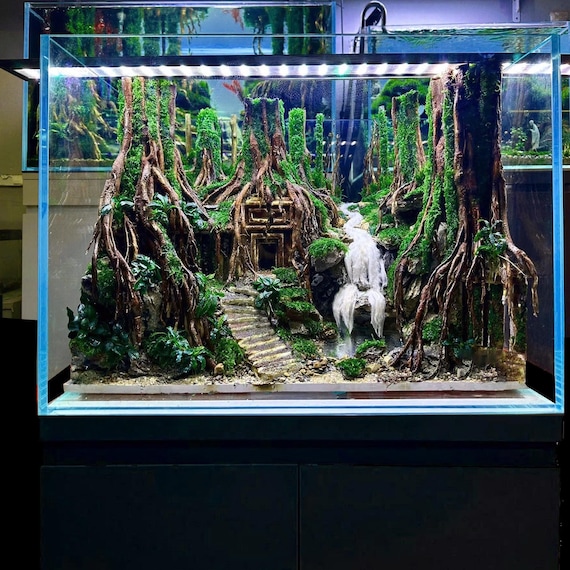
Aquascaping turns aquariums into living art. This hobby involves designing beautiful underwater landscapes. Let’s explore some inspiring examples.
From award-winning designs to creative material use, aquascaping showcases nature’s beauty. Seasonal themes bring a fresh look to your aquarium.
Award-winning Designs
Award-winning aquascapes stand out for their creativity and balance. These designs often mimic natural environments like forests or rivers.
Elements like rocks, driftwood, and plants are arranged artfully. The harmony between them creates stunning visuals.
- The Forest Stream: Uses driftwood to mimic tree roots
- Mountain Valley: Rocks create a sense of height and depth
- Tranquil Lake: Plants form a serene, lush environment
Creative Use Of Materials
Materials in aquascaping are not just functional. They enhance the aesthetic appeal of the aquarium. Creativity in material use adds uniqueness.
Common materials include rocks, wood, and various plant species. These are combined to create diverse textures and colors.
- Slate rocks for a rugged look
- Driftwood adds natural warmth
- Colorful plants introduce vibrancy
Seasonal Themes
Seasonal themes bring a dynamic change to aquariums. They reflect the beauty of each season through plants and decorations.
Spring themes feature fresh greens, while autumn themes use warm colors. This seasonal change keeps the aquarium looking lively.
- Spring: New growth and bright greens
- Summer: Vibrant and colorful blooms
- Autumn: Warm tones with red and orange leaves
Credit: www.etsy.com
Frequently Asked Questions
What Is Aquascaping For Display Aquariums?
Aquascaping is the art of designing underwater landscapes in aquariums. It enhances aesthetic appeal and mimics natural habitats, creating a beautiful, balanced environment for fish and plants.
How Do I Start Aquascaping My Aquarium?
Begin by planning your layout with a focal point. Choose suitable plants, hardscape materials, and fish species. Ensure proper lighting and filtration for a healthy, thriving aquascape.
What Are The Best Plants For Display Aquariums?
Popular plants include Java fern, Anubias, and Cryptocoryne. These are low-maintenance, adaptable, and visually attractive, making them ideal for beginners and advanced aquascapers alike.
How Often Should I Maintain My Aquascape?
Regular maintenance involves weekly water changes, trimming plants, and cleaning algae. Consistent care ensures a healthy aquarium and keeps your display vibrant and balanced.
Conclusion
Creating a beautiful display aquarium takes patience and care. Choose plants, rocks, and wood that fit your style. Keep the tank clean and balanced for healthy fish. Small changes can make a big difference in appearance. Enjoy the process of designing and watching your aquascape grow.
Your aquarium can become a peaceful, living art piece. Try different layouts until you find what you love. Aquascaping brings nature’s beauty right into your home.