
Are you ready to take your aquascaping skills to the next level? Competing in aquascaping contests is not just about creating a beautiful underwater scene—it’s about telling a story, showing your creativity, and standing out among the best.
Whether you’re a beginner or someone looking to sharpen your edge, this guide will give you the insights you need to design a winning aquascape. Keep reading to discover tips and tricks that can turn your aquarium into a masterpiece judges can’t ignore.
Your next competition win could be just one idea away!
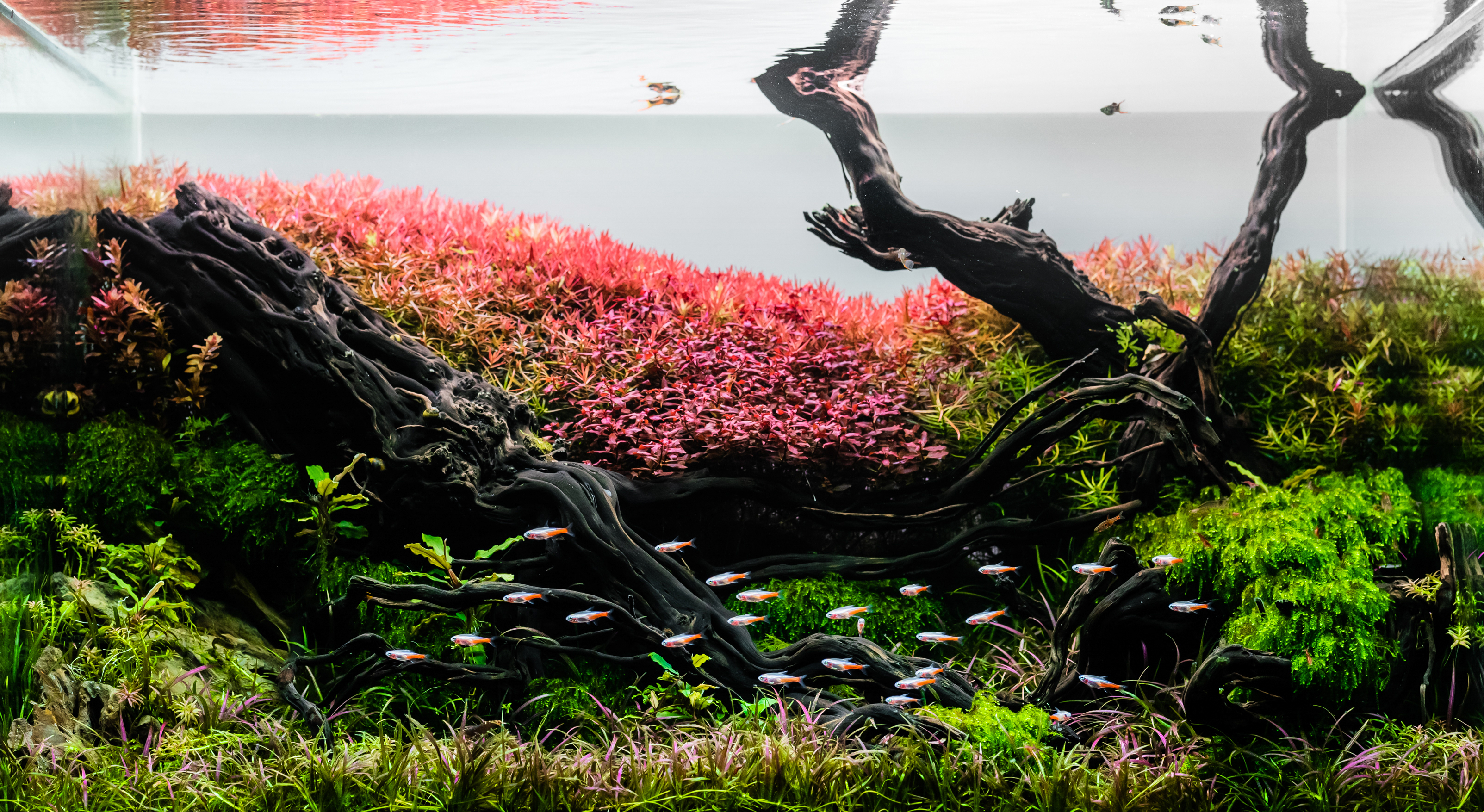
Credit: www.practicalfishkeeping.co.uk
Choosing The Right Theme
Choosing the right theme is very important for aquascaping contests. The theme guides your design and helps judges understand your idea.
Picking a clear and fitting theme can make your aquascape stand out. It also helps keep your work focused and creative.
Popular Themes In Competitions
Many competitions use common themes that show nature or art. These themes help competitors share similar ideas but show unique styles.
- Nature Scenes: Mountains, rivers, or forests
- Japanese Style: Minimalist and calm designs
- Wildlife: Focusing on plants and fish together
- Fantasy: Imaginary landscapes and colors
- Seasonal Themes: Showing spring, autumn, or winter
Matching Theme With Style
Your style should fit the theme clearly. If the theme is nature, use natural shapes and colors. If it is fantasy, use bright and unusual plants.
Think about how your layout, plants, and hardscape match the story you want to tell. The style and theme must work well together.
- Use simple lines for minimalist themes
- Choose colors that fit the mood of the theme
- Pick plants that suit the scene or story
- Balance elements to create harmony
Incorporating Unique Elements
Add special features to make your aquascape different. Unique elements catch judges’ eyes and show your creativity.
Use shapes, textures, or small decorations that fit your theme but stand out. This adds interest and depth to your design.
- Use unusual stones or driftwood shapes
- Add rare or colorful plants
- Create layers or height differences
- Include small details like tiny fish or moss
Selecting Plants And Hardscape
Aquascaping for competitions needs careful plant and hardscape choices. These choices create balance and beauty in your tank.
Selecting the right plants and hardscape materials helps you build a strong visual impact. It also supports healthy aquatic life.
Best Plant Varieties For Aquascaping
Choose plants that grow well underwater and look good in groups. Mix tall and short plants for depth and interest.
Plants with different leaf shapes add texture to the aquascape. Use fast-growing plants to fill gaps quickly.
- Java Fern for easy care and unique leaves
- Anubias for low light and sturdy leaves
- Dwarf Hairgrass for soft ground cover
- Rotala for bright colors and height
- Cryptocoryne for varied leaf shapes and sizes
Using Rocks And Wood Effectively
Rocks and wood create the structure and focal points in your aquascape. Place them to guide the viewer’s eye.
Use natural-looking arrangements. Avoid placing rocks and wood in a straight line or too symmetrical.
- Choose rocks with interesting shapes and textures
- Use driftwood to add height and natural curves
- Combine rocks and wood for balanced hardscape
- Leave space for plants to grow around hardscape
Balancing Texture And Color
Balance smooth and rough textures to make your aquascape more appealing. Use color to create contrast and harmony.
Mix dark green plants with lighter colors or red tones. Textures and colors together create depth and interest.
- Combine fine-leaf plants with broad-leaf ones
- Use bright plants near dark hardscape for contrast
- Add red or purple plants to break green monotony
- Place smooth stones near rough wood for texture balance
Design Principles To Follow
Aquascaping for competitions needs careful planning and design. Following key principles helps create stunning layouts. These principles guide the placement of plants, rocks, and decorations.
Good design makes your aquarium look natural and balanced. It also attracts judges’ attention and scores higher in contests.
Rule Of Thirds And Focal Points
The rule of thirds divides the tank into nine parts by two horizontal and two vertical lines. Place important elements where these lines cross.
A strong focal point draws the viewer’s eye. Use a bright plant or unique rock as the main focus. Avoid placing the focal point in the center.
- Place the main feature off-center for better balance
- Use contrasting colors to highlight focal points
- Keep the area around the focal point simple
- Use different textures to add interest
Creating Depth And Perspective
Depth makes your aquascape look three-dimensional. Use plants and objects of different heights and sizes.
| Technique | Description |
| Foreground | Small plants and fine gravel |
| Midground | Medium plants and rocks |
| Background | Tall plants and large stones |
| Layering | Place taller elements behind shorter ones |
Maintaining Symmetry And Balance
Symmetry means equal parts on both sides. Balance means visual weight feels even. Both create harmony in the tank.
Use these tips for balance:
- Match plant size and color on both sides
- Place heavy objects opposite lighter ones
- Avoid clutter on one side
- Use empty spaces to balance dense areas

Credit: aquashella.com
Tank Preparation And Setup
Preparing your tank carefully is important for aquascaping contests. A well-set tank helps plants and fish thrive. It also shows your skill to judges.
Good tank setup starts with choosing the right size, substrate, and equipment. These steps give your aquascape a strong base.
Choosing The Right Tank Size
Pick a tank size that fits your space and design idea. Larger tanks give more room to create detailed layouts.
Small tanks are easier to manage but can limit plant growth and design complexity. Balance your skill level and goals.
- Small tanks: under 20 gallons, good for beginners
- Medium tanks: 20 to 40 gallons, popular for contests
- Large tanks: over 40 gallons, allow detailed scapes
Substrate Selection And Layering
Substrate affects plant health and aquascape stability. Choose nutrient-rich substrate to help plants grow strong roots.
Layering substrate improves water flow and prevents gas build-up. Use a base layer of nutrients, topped with sand or fine gravel.
- Base layer: nutrient-rich soil or clay
- Top layer: fine sand or gravel for plant support
- Keep layers about 2 to 3 inches deep
Filtration And Lighting Setup
Choose a filter that keeps water clean without strong currents. Gentle water flow helps plants and fish stay healthy.
Lighting should match the needs of your plants. Use full-spectrum lights to support photosynthesis and color growth.
- Filters: canister or sponge filters work well
- Lighting: LED lights with 6500K to 7500K color temperature
- Set lighting for 8 to 10 hours daily
Planting Techniques
Aquascaping for competitions requires careful planting techniques. These techniques help create a balanced and healthy aquarium layout.
Choosing the right plants and planting them correctly improves the tank’s look and plant growth. This guide covers key steps for success.
Proper Plant Placement
Place plants based on their size and light needs. Taller plants go in the back or corners. Shorter plants fit in the front.
Group plants with similar care needs together. This keeps the tank healthy and looks natural.
- Use tall plants like Vallisneria at the back
- Medium plants like Cryptocoryne in the middle
- Small plants like dwarf hairgrass in the front
- Place fast-growing plants where you want quick coverage
- Avoid crowding to let plants spread
Trimming And Maintenance Tips
Regular trimming helps plants grow well and look neat. Remove dead or yellow leaves to keep the tank clean.
Trim fast-growing plants often to stop them from blocking light. Use sharp scissors to avoid damage.
- Cut stems above healthy leaves
- Thin out crowded areas to improve water flow
- Trim roots if they grow too long
- Clean tools before trimming to prevent disease
- Check plants weekly for needed trimming
Encouraging Healthy Growth
Healthy growth needs good light, nutrients, and water quality. Use proper lighting for the type of plants you have.
Feed plants with fertilizers and keep water clean. Stable water conditions help plants thrive and stay strong.
- Use full-spectrum LED lights for 8-10 hours daily
- Add liquid or root fertilizers as needed
- Keep water temperature steady between 72-78°F (22-26°C)
- Perform regular water changes to remove waste
- Test water parameters and adjust to plant needs

Credit: www.reddit.com
Water Parameters And Maintenance
Maintaining ideal water conditions is crucial for competitive aquascaping. Water parameters affect plant growth and fish health. Regular upkeep ensures a thriving aquatic environment.
Understanding the balance of water chemistry and routine care keeps your aquascape looking its best. Let’s dive into key aspects of maintenance and prevention.
Optimizing Water Quality
Water quality impacts plant and animal life in your aquarium. Test water regularly to monitor key parameters like pH, ammonia, and nitrate levels.
| Parameter | Ideal Range |
| pH | 6.5 – 7.5 |
| Ammonia | 0 ppm |
| Nitrate | 5 – 10 ppm |
Regular Maintenance Routine
A consistent maintenance routine keeps your aquascape healthy. Regular tasks include water changes, filter cleaning, and plant trimming. Consistency helps prevent problems.
- Change 10-20% of the water weekly
- Clean filters every 2-4 weeks
- Trim plants as needed to prevent overgrowth
Preventing Algae And Pests
Algae and pests can disrupt your aquascape. Control lighting and nutrients to manage algae growth. Inspect new plants to avoid introducing pests.
Presentation Tips For Judges
Competing in aquascaping contests requires more than a beautiful tank. Judges look for clear presentation and care. Showing your aquascape well can make a big difference.
This guide shares tips to help your aquascape stand out. Focus on how you photograph, highlight features, and prepare for display day.
Photographing Your Aquascape
Photos are often the first way judges see your work. Good photos show details and style clearly. Use natural light or soft lighting to avoid glare.
Take pictures from different angles. Include close-ups to show textures and wider shots for the full layout.
- Use a plain background to avoid distractions
- Keep the glass clean to prevent spots
- Use a tripod for steady shots
- Adjust camera settings for sharp focus
Highlighting Key Features
Judges look for unique points in your aquascape. Point out your hardscape design, plant selection, and balance. Explain your concept briefly if allowed.
Lighting can help show colors and textures. Arrange plants and decorations so they draw the eye naturally. Avoid clutter to keep the focus clear.
- Show symmetry or intentional asymmetry
- Emphasize healthy, vibrant plants
- Use space to create depth and layers
- Keep fish or creatures visible but not crowded
Preparing For Display Day
Before the competition, check your aquascape carefully. Clean the tank glass and remove algae. Make sure water levels and clarity are perfect.
Plan how to transport your tank safely if needed. Bring extra tools and supplies for quick fixes. Stay calm and confident while presenting your work.
- Trim plants and remove dead leaves
- Secure all decorations firmly
- Test lighting and filters before display
- Have a simple story or explanation ready
Common Mistakes To Avoid
Aquascaping is an art form that requires balance and harmony. Beginners often make mistakes that can be easily avoided.
Understanding these common errors will help in creating a beautiful aquatic display for competitions.
Overcrowding And Clutter
Many aquascapers add too many elements in their tanks. This can lead to clutter and stress for the fish.
- Limit the number of plants and decorations.
- Ensure there is enough swimming space for fish.
- Balance is key for visual appeal.
Ignoring Plant Compatibility
Not all plants thrive together. Some require different water conditions and lighting.
| Plant Type | Water Condition |
| Amazon Sword | Soft, acidic |
| Anubias | Hard, alkaline |
| Java Fern | Moderate, neutral |
Poor Lighting Choices
Lighting is crucial for plant growth. Incorrect lighting can cause plants to wither.
Learning From Past Winners
Competing in aquascaping contests takes more than just skill. Studying past winners helps you see what works. You learn design tips and tricks that judges like.
This guide shows how to analyze winning designs, adapt techniques, and keep up with trends. Use these ideas to improve your own aquascapes.
Analyzing Winning Designs
Look closely at past winning aquascapes. Notice how they use space, balance, and color. Pay attention to plant choices and hardscape materials.
- Study the layout and composition
- Check the harmony between plants and stones
- Observe how light and shadows are used
- Note the use of empty space or water areas
- See how depth and perspective are created
Adapting Techniques To Your Style
Take ideas from winners but make them your own. Change planting methods or rock placement to fit your style. Experiment with different plants and layouts.
| Technique | Description | How to Adapt |
|---|---|---|
| Layered Planting | Plants are arranged in layers for depth. | Use different plant heights to create your version. |
| Golden Ratio Layout | Design follows natural proportions. | Apply the ratio to your tank’s dimensions. |
| Hardscape Balance | Rocks and wood are balanced in the scene. | Try different rock types or positions. |
Staying Updated With Trends
Aquascaping trends change over time. New plants, tools, and styles appear. Follow forums and social media to see what is popular now.
- Join aquascaping groups online
- Watch videos from top aquascapers
- Read recent contest reports and winners
- Try new plants and materials suggested
- Attend local aquascaping events if possible
Frequently Asked Questions
What Is Aquascaping For Competitions?
Aquascaping for competitions involves designing artistic underwater landscapes in aquariums. It focuses on creativity, balance, and natural beauty. Competitors use plants, rocks, and wood to create visually stunning scenes. Judges evaluate based on layout, plant health, and originality. It’s a blend of art and aquarium keeping.
How To Start Preparing For Aquascaping Contests?
Begin by researching contest rules and judging criteria. Choose a theme that inspires you. Practice creating layouts and maintaining plant health. Use quality equipment and plants. Document your process for improvement. Regularly refine your design for balance and harmony before the event.
What Are Common Aquascaping Styles In Competitions?
Popular styles include Nature, Iwagumi, Dutch, and Jungle. Nature style mimics natural ecosystems. Iwagumi focuses on rock arrangements with minimal plants. Dutch style features vibrant, dense plant growth. Jungle style showcases wild, lush aquariums. Each style has unique rules and aesthetic goals.
How To Maintain Plants During Aquascaping Contests?
Use quality substrate and fertilizers to support growth. Maintain stable water parameters and lighting. Trim plants regularly to encourage healthy development. Avoid algae growth by balancing nutrients. Monitor CO2 levels for optimal photosynthesis. Consistent care keeps plants vibrant and contest-ready.
Conclusion
Aquascaping for competitions challenges creativity and patience. Each design tells a unique story through plants and stones. Judges notice balance, color, and cleanliness in every tank. Practice helps improve skills and boosts confidence. Enjoy the process as much as the results.
Share your passion with others and learn together. Keep trying new ideas to stand out. Competitions offer great chances to grow and connect. Your hard work will show in every detail. Stay inspired and keep creating beautiful underwater scenes.