
Are you struggling to create the perfect environment for breeding your fish? Aquascaping for breeding tanks might be the game-changer you need.
By carefully designing your tank’s layout, you can boost the health and success of your fish fry like never before. Imagine your breeding tank not just as a simple container but as a thriving, natural habitat that encourages spawning and protects your young.
You’ll discover easy, practical tips to transform your breeding tank into a safe and inviting space. Ready to give your fish the best start possible? Keep reading to learn how aquascaping can make all the difference.
Choosing The Right Tank
Picking the right tank is key for aquascaping breeding tanks. The tank affects fish health and breeding success.
This guide covers ideal tank size, material and shape, and placement and lighting for breeding tanks.
Ideal Tank Size
Choose a tank size that fits the species you want to breed. Small fish need smaller tanks; larger fish need more space.
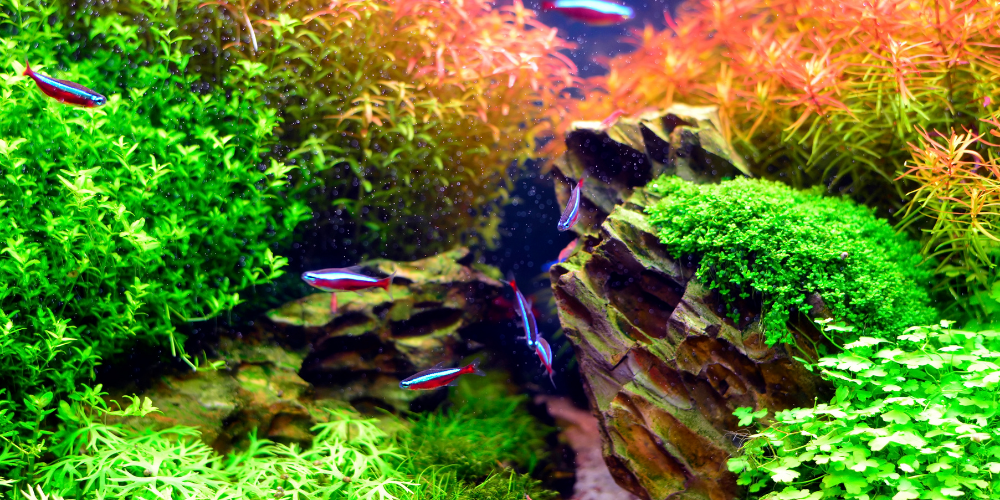
- Small fish like tetras do well in 10 to 20 gallons
- Medium fish need 20 to 40 gallons for comfort
- Large fish or groups require 40 gallons or more
- Larger tanks stabilize water conditions better
- More space reduces fish stress during breeding
Material And Shape
Glass and acrylic are common tank materials. Each has pros and cons for breeding tanks.
| Material | Advantages | Disadvantages |
| Glass | Scratch resistant, clear view | Heavier, can break easily |
| Acrylic | Lighter, more impact resistant | Scratches easily, can yellow over time |
Tank shape affects water flow and space. Rectangular tanks offer more surface area for oxygen exchange.
Placement And Lighting
Place your breeding tank in a quiet area away from direct sunlight and heavy traffic.
Good lighting supports plant growth and fish health. Use these tips:
- Choose full-spectrum LED lights for natural colors
- Keep lights on for 8 to 10 hours a day
- Avoid intense lighting that causes algae growth
- Use timers to maintain a regular light cycle

Credit: www.youtube.com
Selecting Substrate And Plants
Aquascaping for breeding tanks needs careful choice of substrate and plants. These elements create a safe environment for fish to spawn.
Good substrate and plants help protect eggs and fry. They also improve water quality and tank health.
Best Substrate Types
Choose substrate that supports healthy breeding conditions. Soft and fine substrates are best for many fish species.
Gravel, sand, and soil each have pros and cons. Pick one that suits your fish and plant needs.
- Fine Sand:Gentle on eggs and fry, easy to clean.
- Aquarium Soil:Nutrient-rich for plants, good for rooted species.
- Small Gravel:Provides shelter but avoid sharp edges.
Plant Choices For Breeding
Plants offer hiding places and surfaces for egg laying. Choose plants that grow well in your tank setup.
Use hardy plants that tolerate fish activity. Floating and rooted plants both have benefits.
- Java Moss:Great for eggs and fry protection.
- Amazon Sword:Large leaves for hiding spots.
- Hornwort:Floating plant that shelters fry.
- Anubias:Tough plant with broad leaves.
Plant Arrangement Tips
Arrange plants to create safe zones and open swimming spaces. Dense areas help fry hide from predators.
Place taller plants at the back and sides. Use low plants or moss in the front for easy access.
- Cluster dense plants for egg laying spots.
- Keep open areas for adult fish movement.
- Use floating plants to reduce light and calm fish.
- Trim plants regularly to prevent overgrowth.
Water Parameters Setup
Setting the right water conditions is key for breeding tanks. Proper water parameters help fish stay healthy and breed well.
Good water management creates a safe environment for eggs and fry to grow strong. Let’s explore the main factors.
Optimal Temperature
Temperature affects fish metabolism and breeding behavior. Most tropical fish breed best between 75°F and 82°F.
Keep the temperature steady with a reliable heater. Sudden changes can stress fish and reduce breeding success.
- Use an aquarium heater with a thermostat
- Check temperature daily with a digital thermometer
- Avoid placing the tank near windows or vents
Ph And Hardness Levels
pH shows how acidic or basic the water is. Most breeding fish prefer a neutral to slightly acidic pH between 6.5 and 7.5.
Water hardness affects eggs and fry development. Soft to moderately hard water is best for many species.
| Parameter | Recommended Range |
|---|---|
| pH | 6.5 – 7.5 |
| General Hardness (GH) | 4 – 10 dGH |
| Carbonate Hardness (KH) | 3 – 8 dKH |
Filtration And Aeration
Filtration keeps water clean by removing waste and harmful chemicals. A gentle filter is best to avoid stressing fish.
Aeration adds oxygen to the water. It helps eggs and fry get enough oxygen to grow healthy.
- Use sponge filters to protect small fry
- Keep water flow slow and steady
- Add an air stone for extra oxygen supply

Credit: buceplant.com
Creating Hiding Spots
Hiding spots are essential in breeding tanks. They help fish feel safe and reduce stress. Fish use these spots to lay eggs and protect their young.
Good hiding places encourage natural behavior. They also improve the chances of breeding success in your aquarium.
Using Rocks And Driftwood
Rocks and driftwood create natural shelters for fish. They offer hard surfaces for egg laying and protection. Arrange them to form caves and crevices.
- Stack rocks securely to avoid collapses
- Use driftwood with smooth edges to prevent injury
- Place materials to block strong currents
- Leave open spaces for fish to swim in and out
Plant Density For Shelter
Dense plants provide excellent cover for shy or small fish. They help hide fry from predators and reduce stress. Choose fast-growing plants to fill empty spots quickly.
| Plant Type | Benefits | Growth Rate |
| Java Moss | Good for egg attachment and fry hiding | Fast |
| Amazon Sword | Large leaves offer shade and cover | Moderate |
| Hornwort | Floating shelter and oxygenation | Fast |
| Anubias | Strong roots, good for attaching to hardscape | Slow |
Caves And Breeding Traps
Caves and breeding traps give fish a secure place to spawn. They mimic natural hiding spots and help protect eggs from other fish.
- Choose materials that are safe and non-toxic
- Use different sizes to fit various fish species
- Place traps near plants or rocks for extra security
- Clean traps regularly to prevent algae build-up
Lighting Techniques
Lighting is important for aquascaping breeding tanks. It helps plants grow and affects fish behavior. Proper lighting creates a healthy environment for fish to breed.
Choosing the right light intensity and duration helps simulate natural conditions. This supports fish health and improves breeding success.
Light Intensity And Duration
Light intensity should be moderate to prevent stress in fish. Too bright lights may scare fish, while too dim lights can slow plant growth.
- Use adjustable LED lights for better control
- Keep light intensity between 20 and 40 lumens per liter
- Limit lighting to 8-10 hours daily for breeding tanks
- Turn lights off at night to mimic natural darkness
Simulating Natural Conditions
Natural light cycles help fish feel safe and calm. Simulating dawn and dusk can reduce stress during breeding. Gradual light changes are best.
| Time | Light Level |
| Dawn (6 AM – 7 AM) | Low |
| Daylight (7 AM – 5 PM) | Moderate |
| Dusk (5 PM – 6 PM) | Low |
| Night (6 PM – 6 AM) | Dark |
Effects On Fish Behavior
Fish respond to light by changing activity levels. Proper lighting can encourage spawning and reduce aggression among fish.
- Bright light increases activity but may cause hiding
- Dim light promotes calmness and breeding
- Consistent light cycles keep fish stress low
- Sudden light changes can startle fish
Choosing Compatible Fish
Choosing the right fish for breeding tanks is important. Compatibility ensures a peaceful environment.
Good choices improve breeding success and reduce stress. Knowing which species work well together helps.
Species Ideal For Breeding Tanks
Some fish species are well-suited for breeding tanks. They thrive in controlled environments.
- Guppies
- Platies
- Angelfish
- Rams
Pairing And Grouping Strategies
Pairing fish correctly boosts breeding success. Grouping strategies make a difference.
| Fish | Pairing Strategy |
| Guppies | One male with multiple females |
| Platies | Mixed gender groups |
| Angelfish | Established pairs |
| Rams | Single pairs |
Avoiding Aggression
Avoiding aggression is key in breeding tanks. Peaceful setups promote healthy environments.
Maintaining Water Quality
Keeping the water clean in breeding tanks is vital for fish health. Proper maintenance ensures a safe environment for growth and reproduction.
Consistent care and monitoring prevent harmful conditions. This guide covers essential practices to maintain water quality.
Regular Testing And Adjustments
Testing water parameters helps in identifying issues early. Use test kits to check pH, ammonia, and nitrate levels.
| Parameter | Optimal Range |
| pH | 6.5 – 7.5 |
| Ammonia | 0 ppm |
| Nitrate | 0 – 20 ppm |
Water Change Schedules
Regular water changes remove waste and replenish nutrients. Create a schedule and stick to it for best results.
- Change 10% of the water weekly.
- Use dechlorinated water for refills.
- Clean substrate during water changes.
Managing Waste And Algae
Algae and waste can harm fish if not controlled. Use a filter to manage debris and an algae scraper for clean surfaces.
Credit: www.pond-planet.co.uk
Feeding For Breeding Success
Feeding plays a key role in breeding tanks. Proper nutrition helps fish stay healthy and ready to breed. It also improves the chances of survival for the offspring.
Choosing the right foods and feeding schedule supports the growth of strong fry. Careful feeding can make a big difference in breeding success.
Nutrition For Breeding Pairs
Breeding pairs need a balanced diet rich in protein and vitamins. This keeps them energetic and encourages spawning. Include foods that boost color and vitality.
- High-quality flakes or pellets made for breeders
- Protein-rich foods like brine shrimp or bloodworms
- Vegetable matter such as blanched spinach or peas
- Vitamins and minerals to support immune health
Feeding Frequency
Feed breeding pairs small amounts often. This prevents overfeeding and keeps water clean. Frequent feeding provides steady nutrition for breeding readiness.
| Time of Day | Feeding Amount | Notes |
| Morning | Small portion | Fresh food preferred |
| Afternoon | Small portion | Use prepared foods |
| Evening | Small portion | Feed live or frozen food |
Live And Prepared Foods
Live foods add natural movement and nutrients. Prepared foods offer convenience and balanced formulas. Use a mix to keep fish interested and healthy.
- Live foods: brine shrimp, daphnia, mosquito larvae
- Prepared foods: pellets, flakes, frozen bloodworms
- Rotate food types to provide variety
- Always remove uneaten food to avoid water issues
Monitoring Breeding Behavior
Watching fish behavior helps you know when they are ready to spawn. Careful observation keeps the breeding tank safe and healthy.
Knowing what to look for guides you through the breeding process. This helps improve the chances of successful spawning and fry survival.
Signs Of Spawning
Fish show certain behaviors when ready to spawn. They may clean a specific area or build nests. Males often become more colorful.
- Fish chase each other gently
- Increased activity near plants or substrate
- Pairing off or guarding a spot
- Color changes in males and females
- Egg-laying behavior such as rubbing on surfaces
Egg Care And Protection
After spawning, eggs need protection from predators and fungus. Some fish guard their eggs, while others need help from the aquarist.
| Care Task | Details |
| Remove parents | Some species eat eggs after spawning |
| Maintain water quality | Clean water prevents fungus growth |
| Use gentle aeration | Improves oxygen for eggs |
| Remove dead eggs | Prevents spread of fungus |
| Keep temperature stable | Supports healthy development |
Raising Fry
Fry need small food and safe space to grow. Feeding them the right diet helps them stay healthy.
- Feed tiny live or frozen foods like baby brine shrimp
- Use a fine mesh net to protect fry
- Keep water clean with regular small changes
- Watch for signs of stress or illness
- Gradually introduce larger foods as they grow
Common Challenges And Solutions
Aquascaping for breeding tanks can be tricky. Many hobbyists face problems that affect fish health and breeding success.
This guide covers common challenges and easy solutions to help keep your breeding tank healthy and stress-free.
Dealing With Stress
Fish stress can reduce breeding chances and cause illness. Stress comes from poor water quality, sudden changes, or overcrowding.
- Keep water temperature stable and suitable for the species.
- Use plants and hiding spots to reduce fish exposure.
- Limit loud noises and sudden movements near the tank.
- Perform regular water changes to maintain clean water.
- Avoid overcrowding by following recommended fish numbers.
Preventing Disease
Diseases spread quickly in breeding tanks. Prevention is better than treatment to protect young fish and adults.
| Cause | Prevention |
| Poor water quality | Regular water tests and changes |
| Overfeeding | Feed small amounts once or twice daily |
| New fish introduction | Quarantine before adding to the tank |
| Dirty decorations | Clean plants and objects regularly |
| Stress | Provide hiding places and stable environment |
Troubleshooting Breeding Issues
Breeding problems happen due to wrong water conditions or incompatible fish pairs. Check these common issues.
- No eggs laid:Adjust water temperature and lighting.
- Eggs eaten:Add dense plants or breeding mops as hiding spots.
- Fry not surviving:Feed suitable food like infusoria or baby brine shrimp.
- Fish fighting:Separate aggressive pairs or provide more space.
Frequently Asked Questions
What Plants Are Best For Aquascaping Breeding Tanks?
Mosses like Java moss and floating plants are ideal. They provide hiding spots and protect fry from predators. These plants also help maintain water quality by absorbing excess nutrients.
How Does Aquascaping Aid Fish Breeding Success?
Aquascaping creates a natural environment that reduces stress for breeding fish. It offers shelter and spawning sites, improving fry survival rates. Proper plant placement encourages natural breeding behaviors.
Should I Use Substrate In Breeding Tank Aquascapes?
Yes, a fine substrate like sand or smooth gravel is recommended. It supports plant roots and mimics natural habitats. Substrate also helps beneficial bacteria grow, enhancing water quality.
How Often Should I Maintain A Breeding Tank Aquascape?
Regular maintenance every 1-2 weeks is ideal. Trim plants to prevent overgrowth and remove debris. Clean substrate gently to avoid disturbing eggs or fry.
Conclusion
Aquascaping helps create a safe and natural space for fish to breed. Plants and decorations provide hiding spots for fry and reduce stress. A well-planned tank supports healthy growth and improves breeding success. Keep the setup simple and clean for best results.
Watch your fish closely and adjust as needed. Small changes can make a big difference in breeding tanks. Enjoy the process of creating a thriving environment for your fish.