
Are you ready to transform your plain fish tank into a stunning underwater garden? Aquascaping for beginner tanks is the perfect way to bring life, color, and calm to your space.
Whether you’re new to the hobby or just want to make your tank look better, this guide will show you simple steps to create a beautiful, balanced aquascape. Imagine watching your fish swim through lush plants and carefully placed rocks—all made by you.
Keep reading, and you’ll discover easy tips that anyone can follow to start crafting your own aquatic masterpiece today.

Credit: buceplant.com
Choosing The Right Tank
Aquascaping starts with picking the right tank. The tank size and material affect your plants and fish.
Good placement and lighting help your aquascape look beautiful and healthy.
Tank Sizes For Beginners
Small tanks are easier to manage for beginners. A tank between 10 to 20 gallons is a good start.
Larger tanks need more care but offer more space for plants and fish to grow.
- 10 gallons: Compact, easy to fit in small spaces
- 15 gallons: More room for plants and decorations
- 20 gallons: Better stability for water conditions
Selecting Suitable Materials
Glass and acrylic are common materials for tanks. Both have benefits and limits.
Glass tanks are clear and scratch-resistant. Acrylic tanks are lighter and stronger but scratch easier.
- Glass: Heavy, clear, scratch-resistant
- Acrylic: Lightweight, impact-resistant, scratches easily
- Choose based on your space and handling needs
Placement And Lighting Tips
Place your tank where you can see it often but away from direct sunlight. Sunlight can cause algae.
Use LED lights made for aquariums. They help plants grow and show colors well.
- Keep the tank away from windows and heat sources
- Use a timer to give plants 8-10 hours of light daily
- Choose full-spectrum LED lights for best plant growth
Essential Equipment
Aquascaping needs some basic tools to keep your tank healthy. Good equipment makes your aquarium look great and helps plants and fish grow well.
This guide covers important gear like filters, heaters, and lights. These parts work together to create a stable environment for your tank.
Filters And Pumps
Filters clean the water by removing waste and particles. Pumps move the water to keep it oxygen-rich and support plant growth.
- Mechanical filters trap debris.
- Biological filters help good bacteria grow.
- Canister and hang-on-back filters are common types.
- Pumps ensure water flows evenly in the tank.
Heaters And Thermometers
Heaters keep the water temperature steady, which is key for fish and plants. Thermometers help you watch the temperature every day.
| Equipment | Purpose | Notes |
| Heater | Maintains warm water | Choose size by tank volume |
| Thermometer | Checks water temperature | Use stick-on or floating types |
Lighting Options
Light helps plants grow and shows off your aquascape colors. Different bulbs fit different tank types and plant needs.
- LED lights save energy and last long.
- Fluorescent bulbs offer good light but use more power.
- Keep lights on about 8-10 hours daily.
- Choose light color and brightness for your plants.
Picking Plants And Substrates
Aquascaping is a fun way to create a beautiful underwater garden. Choosing the right plants and substrates makes your tank healthy and pretty.
Beginners should pick easy plants and good substrates. These choices help plants grow well and keep fish happy.
Easy-to-grow Plants
Start with plants that need little care. These plants survive in many water conditions and grow fast.
- Anubias: grows slowly and needs little light
- Java Fern: tough plant that attaches to rocks
- Amazon Sword: big leaves and easy to care for
- Cryptocoryne: grows well in low light
- Java Moss: good for decoration and fish hiding
Choosing The Best Substrate
Substrate is the material at the bottom of your tank. It helps plants take root and get nutrients.
Pick substrate based on your plants and tank size. Some are better for root feeders, others for water plants.
- Gravel: easy to clean, good for fish but less nutrients
- Aquarium Soil: full of nutrients, perfect for plants
- Sand: smooth and good for some fish, but can compact
- Clay-based substrates: release minerals slowly for plants
Planting Techniques
Plant roots need to be buried in the substrate. Place plants gently to avoid damage.
Use tweezers to plant small or delicate plants. Leave space between plants for growth.
- Dig small holes in the substrate for each plant
- Insert roots carefully and cover with substrate
- Avoid burying leaves or stems to prevent rot
- Space plants to allow light and water flow
- Trim dead leaves to keep plants healthy
Credit: medium.com
Basic Aquascape Layouts
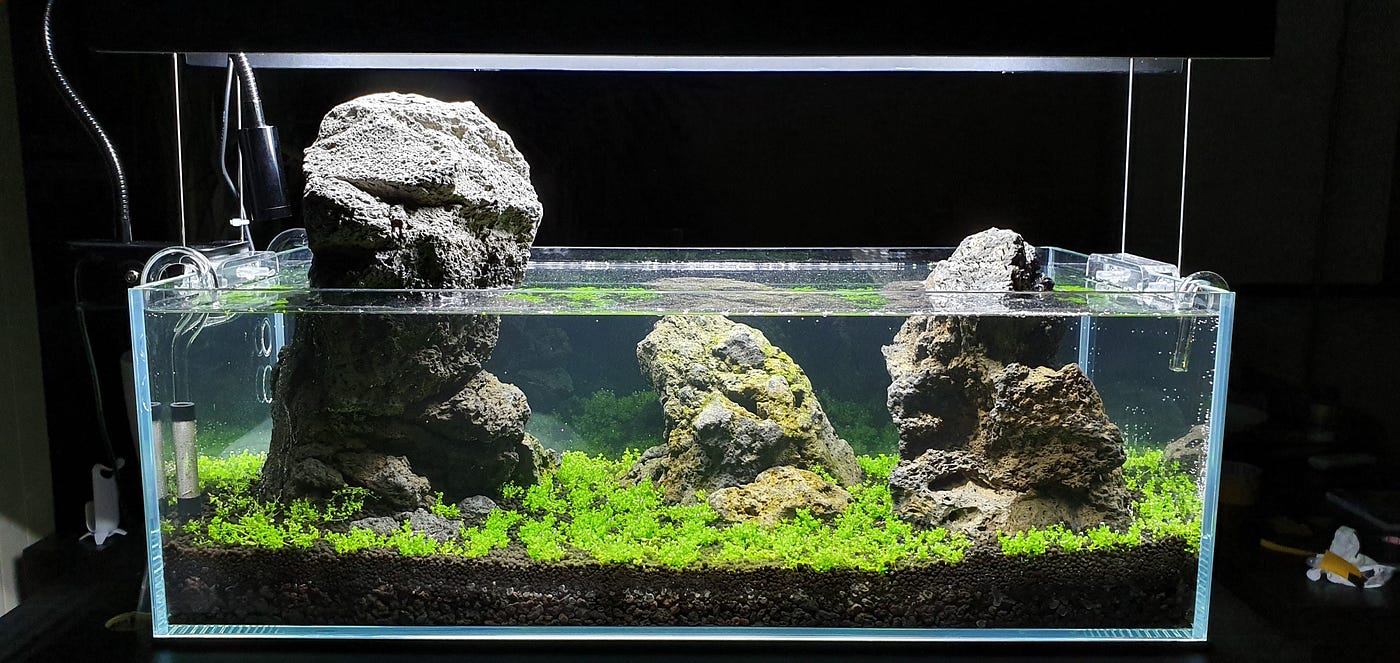
Aquascaping creates beautiful underwater gardens in your tank. Layouts help arrange plants, rocks, and wood. Beginners can start with simple designs to build skills.
Choosing the right layout affects the tank’s look and plant health. This guide covers three popular styles to try in your beginner tank.
Nature-inspired Designs
These layouts mimic natural scenes like rivers, forests, or mountains. They use plants and hardscape to create a realistic feel. Balance and flow guide your eye through the tank.
- Use curved lines to show water flow or paths
- Place taller plants in the back for depth
- Group rocks and wood to form natural-looking clusters
- Keep open spaces to represent water or sand areas
Minimalist Styles
Minimalist aquascapes focus on simplicity and clean lines. They use few elements with clear space around them. This style highlights shapes and textures.
| Element | Tips |
| Plants | Choose one or two species with simple leaves |
| Hardscape | Use smooth rocks or single wood pieces |
| Layout | Place items asymmetrically for interest |
| Space | Leave empty areas for a clean look |
Rock And Wood Arrangements
Rocks and wood create structure and focal points in aquascapes. Arranging them well helps plants grow and adds natural beauty.
Here are some layout tips for rock and wood arrangements:
- Use the “rule of thirds” to place main rocks or wood off-center.
- Stack rocks to form caves or shelves for fish hiding spots.
- Combine wood with moss or small plants for texture.
- Avoid overcrowding to keep water flow healthy.
Water Quality And Maintenance
Good water quality keeps your beginner aquascape healthy. Regular maintenance helps prevent problems early.
Clear water and stable conditions create a safe home for plants and fish. Learn how to monitor and clean your tank.
Monitoring Water Parameters
Check water parameters to keep the tank environment balanced. Important values include pH, ammonia, nitrite, and nitrate.
| Parameter | Ideal Range |
| pH | 6.5 – 7.5 |
| Ammonia (NH3) | 0 ppm |
| Nitrite (NO2) | 0 ppm |
| Nitrate (NO3) | Below 20 ppm |
| Temperature | 22°C – 26°C (72°F – 79°F) |
Routine Cleaning
Clean the tank regularly to remove waste and debris. This helps keep water clear and healthy for plants and fish.
- Change 10-20% of the water weekly
- Use a gravel vacuum to clean the substrate
- Rinse filter media in tank water monthly
- Remove dead leaves and plant debris
- Clean algae from tank glass gently
Preventing Algae Growth
Algae can harm your aquascape by blocking light and using nutrients. Control algae with good habits and tools.
- Do not overfeed fish
- Keep tank lighting to 6-8 hours daily
- Use fast-growing plants to compete with algae
- Perform regular water changes
- Clean algae manually when it appears
Adding Fish And Invertebrates
Starting an aquascape can be exciting. Adding fish and invertebrates brings life and color to your tank. It’s important to choose the right species for a balanced ecosystem.
Fish and invertebrates play key roles in your aquascape. They help control algae, clean debris, and enhance the tank’s beauty. Let’s explore how to add them successfully.
Selecting Compatible Species
Choosing the right fish and invertebrates is crucial. They must coexist peacefully in your tank. Compatibility ensures that all species thrive without stress.
Research each species’ needs before adding them. Consider their size, temperament, and habitat requirements. This helps in selecting species that live well together.
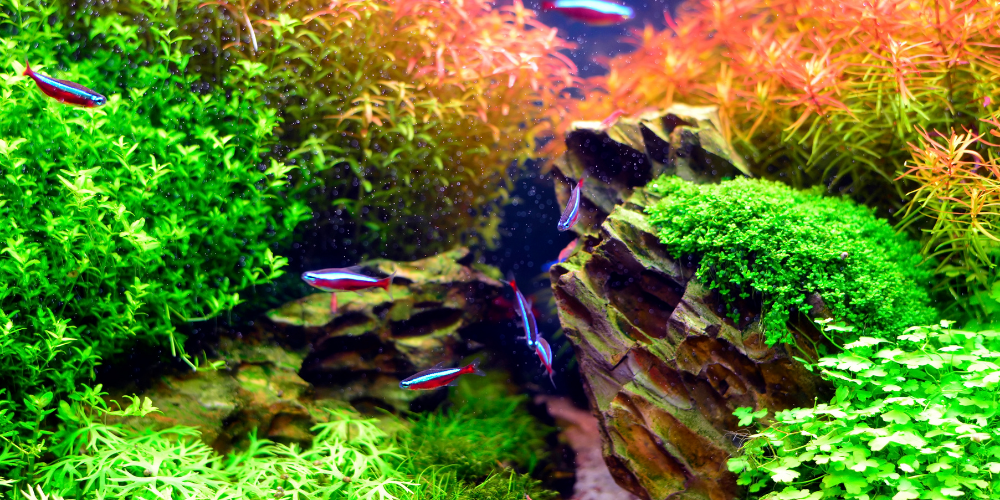
- Small fish like neon tetras are peaceful.
- Snails help keep the tank clean.
- Shrimp can coexist with most small fish.
Introducing Livestock Safely
Introducing fish and invertebrates to your tank requires care. Sudden changes can stress them. Proper acclimation is key to a healthy start.
Acclimate new additions slowly. Float the bag in the tank for 15-20 minutes. Gradually mix tank water into the bag over the next hour.
- Test water parameters regularly.
- Monitor the health of new additions.
- Feed them after they settle in.
Balancing The Ecosystem
A balanced ecosystem is vital for a thriving aquascape. Each species should have a role. Balance ensures a healthy and visually appealing tank.
Maintain a variety of species. Fish, snails, and shrimp each contribute uniquely. Together, they help control algae and clean the tank.
- Monitor water quality regularly.
- Keep a balanced number of species.
- Adjust feeding based on tank needs.
Troubleshooting Common Issues
Aquascaping is a fun and rewarding hobby. Beginners might face some challenges. Here are solutions to common issues.
These tips will help keep your tank healthy and beautiful. Read on to learn how to fix problems.
Dealing With Plant Die-off
Plants sometimes die in new tanks. This can happen if they lack nutrients. Make sure your plants get enough light and food.
Check if the water temperature is right for your plants. Too hot or too cold can harm them.
- Use a liquid fertilizer to feed your plants.
- Ensure your light source is strong enough.
- Adjust your heater to a suitable temperature.
Fixing Water Clarity Problems
Cloudy water is a common issue. It can be caused by excess waste or algae. Keeping the tank clean will help.
A good filter is essential for clear water. Regular maintenance prevents buildup of debris.
- Perform weekly water changes.
- Clean or replace filter media regularly.
- Reduce feeding to prevent excess waste.
Managing Pest Infestations
Pests like snails and algae can invade tanks. They can harm plants and fish. Quick action is needed to control them.
Quarantine new plants to prevent pests from entering your tank. Remove pests by hand or use safe treatments.
- Inspect plants before adding them to your tank.
- Use snail traps or treatments to control pests.
- Keep algae-eating fish to help manage algae growth.
Credit: www.pond-planet.co.uk
Tips For Creative Design
Aquascaping is a fun way to make your aquarium look beautiful. Creative design helps your tank stand out. You can use simple ideas to create a great underwater scene.
These tips will help you design a beginner tank with color, depth, and unique features. You can make your aquarium a peaceful and interesting place for fish and plants.
Using Color And Texture
Use different colors to make your aquascape lively. Mix bright plants with dark stones for contrast. Textures add interest and make the tank feel natural.
Combine smooth leaves with rough rocks or wood. This variety keeps the design from looking flat. Color and texture can guide where you place fish and decorations.
- Choose plants with different leaf shapes and colors
- Use stones with rough or smooth surfaces
- Add driftwood for natural texture
- Place colorful fish to brighten the scene
Creating Depth And Perspective
Depth makes your tank look bigger and more natural. Place tall plants and decorations in the back. Use smaller items near the front to create a sense of space.
Angles and layers help create perspective. Use curved layouts or paths to lead the eye through the tank. This makes the design feel balanced and interesting.
- Put tall plants and rocks at the back
- Use medium plants in the middle
- Place short plants near the front
- Arrange items in layers for a 3D effect
Incorporating Unique Elements
Add special items to make your tank unique. Use unusual rocks, shells, or decorations that fit your theme. These elements create a personal touch.
Think about natural objects you like. You can also add small caves or hiding spots for fish. Unique elements make your tank fun to explore.
- Use different rock shapes and sizes
- Add driftwood with interesting shapes
- Include shells or small ornaments
- Create fish hiding places with caves or plants
Frequently Asked Questions
What Is Aquascaping For Beginner Tanks?
Aquascaping for beginner tanks involves designing simple, natural underwater landscapes. It focuses on easy-to-maintain plants, basic hardscape materials, and balanced layouts. This helps new hobbyists create beautiful, healthy aquariums without complex techniques or expensive equipment.
Which Plants Are Best For Beginner Aquascaping?
Easy plants like Java fern, Anubias, and mosses suit beginners. They require low light and minimal care. These plants grow well in various water conditions, making them ideal for novice aquascapers.
How Do I Start Aquascaping My First Tank?
Begin by planning your layout with rocks, wood, and plants. Use nutrient-rich substrate and gentle lighting. Introduce hardy plants first, then add fish after stabilization. Keep maintenance simple to ensure a healthy environment.
What Equipment Is Essential For Beginner Aquascaping?
Basic equipment includes a good filter, LED lighting, and substrate. A CO2 system isn’t necessary for beginners. Tweezers and scissors help with plant placement and trimming. Regular water testing kits ensure stable conditions.
Conclusion
Aquascaping beginner tanks can be simple and fun. Start with easy plants and basic tools. Choose rocks and wood that fit your style. Keep water clean and check plants often. Small changes make your tank look better every day. Enjoy watching your underwater garden grow.
It brings calm and beauty to your space. Try different layouts and learn as you go. Patience and care will help your tank thrive. Dive in and create your own aquatic world.