
If you want your angelfish tank to stand out, aquascaping is the secret you need. Creating the perfect underwater landscape not only makes your tank look stunning but also keeps your angelfish happy and healthy.
Imagine a vibrant, natural environment where your fish feel right at home. You’ll discover easy tips and tricks to transform your tank into a beautiful, balanced habitat. Keep reading to find out how you can bring your angelfish’s world to life and enjoy a breathtaking aquarium every day.
Choosing The Right Tank Setup
Setting up an angelfish tank with the right aquascape helps the fish thrive.
This guide covers tank size, substrate choice, and water conditions for angelfish.
Ideal Tank Size For Angelfish
Angelfish need space to swim and grow. A tank that is too small can stress them.
- A minimum of 20 gallons is best for one angelfish.
- Add 10 gallons for each additional angelfish.
- Taller tanks help angelfish swim vertically.
Selecting Suitable Substrate
Substrate affects plant growth and water quality in the tank. Choose carefully.
| Substrate Type | Benefits | Drawbacks |
| Sand | Gentle on angelfish, good for rooting plants | Can compact and reduce water flow |
| Gravel | Allows good water circulation, easy to clean | May trap waste under stones |
| Plant Substrate | Rich in nutrients for plants | More expensive, needs replacement over time |
Optimal Water Parameters
Stable water conditions keep angelfish healthy and active.
- Temperature: 76°F to 82°F (24°C to 28°C)
- pH level: 6.5 to 7.5
- Water hardness: 3 to 8 dKH
- Regular water changes help maintain quality

Credit: www.youtube.com
Plant Selection For Angelfish Tanks
Choosing the right plants helps create a healthy home for angelfish. Plants improve water quality and add beauty to the tank. They also give fish places to hide and explore.
Different plants offer different benefits. Some need little care, while others grow fast or provide shelter. This guide covers three plant types for angelfish tanks.
Low-maintenance Plants
Low-maintenance plants suit beginners or busy fish keepers. These plants grow well in most conditions without much help. They keep your tank looking green with little effort.
- Anubias: Grows slowly and needs low light.
- Java Fern: Thrives in low light and attaches to rocks.
- Cryptocoryne: Tolerates low light and grows in substrate.
Plants That Provide Shelter
Angelfish feel safer with plants that offer hiding spots. Tall or bushy plants create good cover. They help reduce stress and allow natural behavior.
| Plant Name | Type | Shelter Type |
| Amazon Sword | Broadleaf | Tall leaves for hiding |
| Vallisneria | Grass-like | Long blades for cover |
| Java Moss | Moss | Dense clumps for small fish |
Fast-growing Species
Fast-growing plants help keep water clean. They use nutrients quickly and reduce algae. These plants fill empty spaces fast and improve tank health.
- Hornwort: Grows fast and floats or roots easily.
- Water Wisteria: Fast growth with feathery leaves.
- Duckweed: Tiny floating plant that spreads quickly.
Hardscape Elements
Hardscape elements form the foundation of an angelfish tank’s design. They provide structure and create a natural environment. These elements include materials like driftwood and rocks.
Choosing the right hardscape helps angelfish feel safe and display their natural behaviors. It also adds beauty to the aquarium.
Using Driftwood And Rocks
Driftwood and rocks add texture and contrast to the tank. They give angelfish places to explore and rest. Select pieces that are safe for aquarium use and free from sharp edges.
- Choose driftwood that sinks or soak it before adding
- Use smooth rocks to avoid harming fish
- Arrange hardscape to allow water flow
- Clean materials before placing them in the tank
Creating Natural Hiding Spots
Angelfish need places to hide for comfort and stress relief. Hardscape elements help create these spots. Use caves, crevices, or overhangs made from rocks and driftwood.
| Hiding Spot Type | Description | Benefit |
| Caves | Hollow spaces in rocks or driftwood | Provide secure shelter |
| Crevices | Narrow gaps between hardscape pieces | Allow small retreats |
| Overhangs | Driftwood or rock ledges | Offer shade and protection |
Balancing Aesthetics And Function
Good aquascaping balances how the tank looks and how the fish use it. Hardscape should look natural and give angelfish enough space to swim.
Tips for balancing aesthetics and function:
- Place hardscape to create open swimming areas
- Use different heights for visual interest
- Keep hiding spots accessible but not overcrowded
- Match hardscape color with plants and substrate
Design Styles For Angelfish Aquascapes
Aquascaping creates a beautiful home for angelfish. The design style affects how the fish and plants look together.
Choosing the right style helps your tank feel natural and calm. It also suits the angelfish’s behavior and space needs.
Nature-inspired Layouts
Nature-inspired layouts copy real underwater scenes. They use rocks, driftwood, and plants that angelfish enjoy.
This style makes the tank look like a river or lake bed. It gives angelfish places to hide and explore.
- Use natural materials like stones and wood
- Plant tall and broad leaves for shade
- Create open swimming areas with hiding spots
Minimalist Approaches
Minimalist designs keep the tank simple and clean. They focus on a few key plants and decorations.
This style highlights the angelfish by giving them more open space to swim freely.
- Use one or two types of plants
- Place decorations sparingly
- Keep the substrate plain and tidy
Layered And Tiered Designs
Layered designs use different heights of plants and decorations. They add depth and interest to the tank.
Tiers create areas for angelfish to explore at various levels. This suits their natural swimming habits.
- Place tall plants at the back
- Use medium plants in the middle
- Keep short plants or open space in front
Lighting And Filtration Tips
Aquascaping an angelfish tank requires good lighting and clean water. These help plants grow and keep fish healthy.
Choosing the right equipment and care routines makes your tank look beautiful and safe for angelfish.
Choosing The Right Lighting
Angelfish tanks need light that supports both plants and fish. Use full-spectrum LED lights. They mimic natural daylight.
- Set light for 8 to 10 hours daily
- Avoid direct sunlight to stop algae growth
- Use timers to keep a steady light cycle
- Place lights 12 to 18 inches above the tank
Maintaining Water Quality
Clean water is key for angelfish health. A good filter removes waste and toxins. Change some water regularly.
| Filter Type | Best Use |
| Hang-on-back | Easy to clean and maintain |
| Canister | Strong filtration for large tanks |
| Sponge | Gentle for fry and plants |
Enhancing Plant Growth
Plants need light and nutrients to grow well. Use aquarium plant fertilizers and good substrate.
- Trim plants to remove dead leaves
- Use CO2 injection for faster growth
- Choose low to medium light plants like Java fern
- Keep water temperature between 78°F and 82°F
Feeding And Tank Maintenance
Keeping an angelfish tank clean and your fish well-fed is crucial. Proper care helps maintain a healthy environment for your angelfish.
Understanding feeding practices and tank maintenance ensures your angelfish thrive. Let’s explore the essentials.
Feeding Practices For Healthy Angelfish
Angelfish need a balanced diet. Provide a variety of foods to meet their nutritional needs.
- Offer high-quality flake or pellet food daily.
- Include live or frozen foods like brine shrimp.
- Feed small portions twice a day to avoid overfeeding.
Routine Cleaning Tips
Regular cleaning keeps the tank environment healthy. Follow these steps to maintain your angelfish tank.
Custom HTML Element: Check filtersevery week and replace them if needed.
| Task | Frequency |
| Water Change | Weekly |
| Gravel Vacuum | Monthly |
| Algae Scrub | Bi-weekly |
Managing Algae Growth
Algae can quickly overrun a tank. Control it with these simple strategies.
- Limit light exposure to 8-10 hours daily.
- Add algae-eating fish like plecos.
- Use an aquarium-safe algae remover.
Troubleshooting Common Challenges
Creating a thriving aquascape for angelfish can be rewarding. Challenges arise, but solutions exist to keep your tank healthy.
Understanding common issues helps maintain a balanced ecosystem. Let’s explore how to address these challenges effectively.
Preventing Plant Damage
Plants provide shelter and oxygen, but they can get damaged. Protect them to keep your aquascape flourishing.
- Ensure adequate lighting for plant growth.
- Trim dead leaves regularly to promote health.
- Use root tabs for nutrient-rich substrate.
Handling Aggressive Behavior
Angelfish can show aggression, especially in confined spaces. Keep their behavior in check to avoid conflicts.
| Behavior | Solution |
| Chasing | Add more hiding spots |
| Nipping | Increase tank size |
| Territorial | Introduce plants and rocks |
Adjusting To Water Parameter Changes
Water parameters affect fish and plant health. Adjust them carefully for a stable environment.
Monitor pH, temperature, and hardness regularly. Use test kits to ensure water quality remains consistent.

Credit: www.aqqapet.com
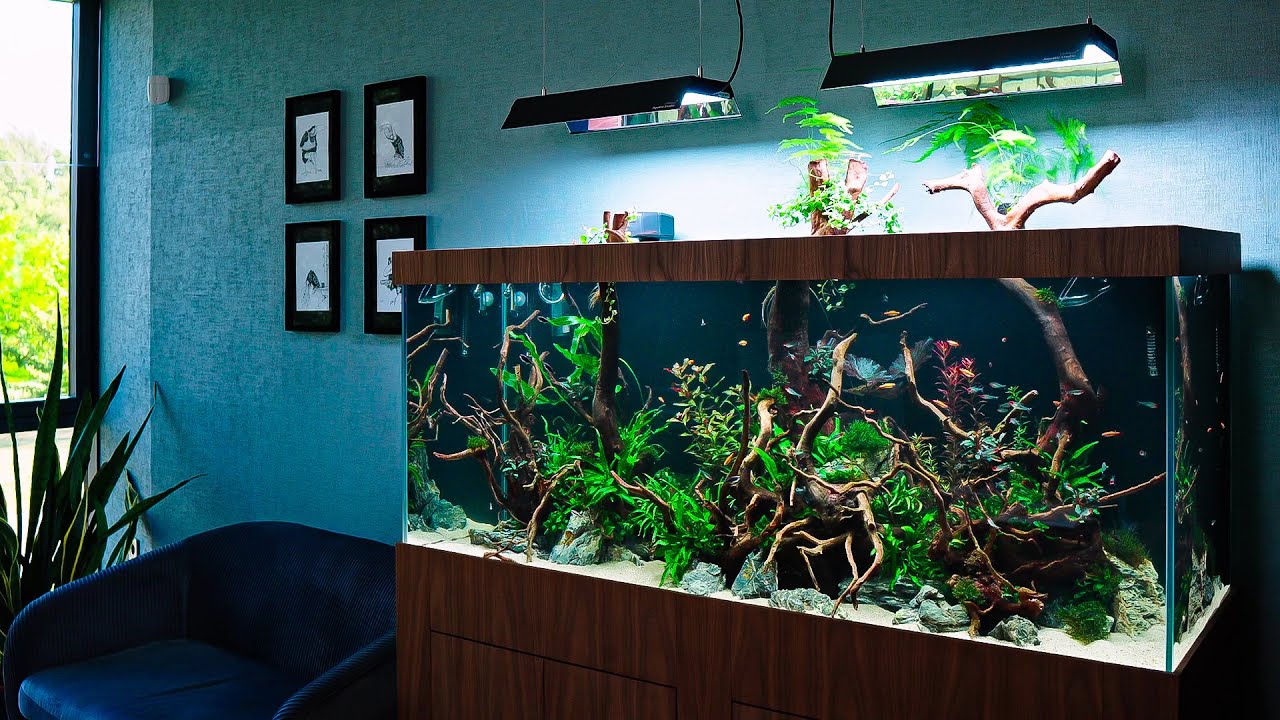
Credit: www.youtube.com
Frequently Asked Questions
What Plants Are Best For Angelfish Aquascaping?
Ideal plants include Amazon swords, Java fern, and Anubias. These plants provide cover and thrive in angelfish tanks. They tolerate similar water conditions and enhance tank aesthetics while offering hiding spots for angelfish.
How To Create A Natural Habitat For Angelfish?
Use tall plants and driftwood to mimic angelfish’s native environment. Soft substrate and gentle lighting help replicate their natural habitat. This setup reduces stress and encourages natural behavior in angelfish.
Can Angelfish Live With Live Plants Safely?
Yes, angelfish coexist well with most live plants. Avoid delicate plants that angelfish may damage. Choose hardy species that withstand occasional nibbling and provide shelter without harm.
What Substrate Is Best For Angelfish Tanks?
Fine gravel or sand works best for angelfish tanks. These substrates support plant growth and allow angelfish to forage comfortably. Avoid sharp substrates that can injure their delicate fins.
Conclusion
Creating a beautiful aquascape for your angelfish tank takes time and care. Choose plants and decorations that suit their needs. Keep the water clean and the environment stable. Watch how your angelfish enjoy their new home. Small changes can make a big difference.
Enjoy the peace and beauty your tank brings. This hobby can bring calm and joy every day. Keep learning and adjusting for the best results. Your angelfish will thank you with their graceful swimming.