
If you’ve mastered the basics of aquascaping, you’re ready to take your tank to the next level. Advanced aquascaping isn’t just about placing plants and rocks—it’s about creating a living masterpiece that thrives and evolves.
Imagine your tank as a dynamic ecosystem where every detail matters, from plant selection to layout and maintenance. This guide will help you unlock new techniques and ideas that bring depth, balance, and stunning beauty to your aquatic world. Ready to transform your tank into a true underwater paradise?
Let’s dive in.
Choosing Advanced Layouts
Aquascaping advanced tanks needs careful layout planning. Layout shapes the tank’s look and feel.
Choosing the right style helps highlight plants, rocks, and fish. It also keeps your tank balanced.
Iwagumi And Beyond
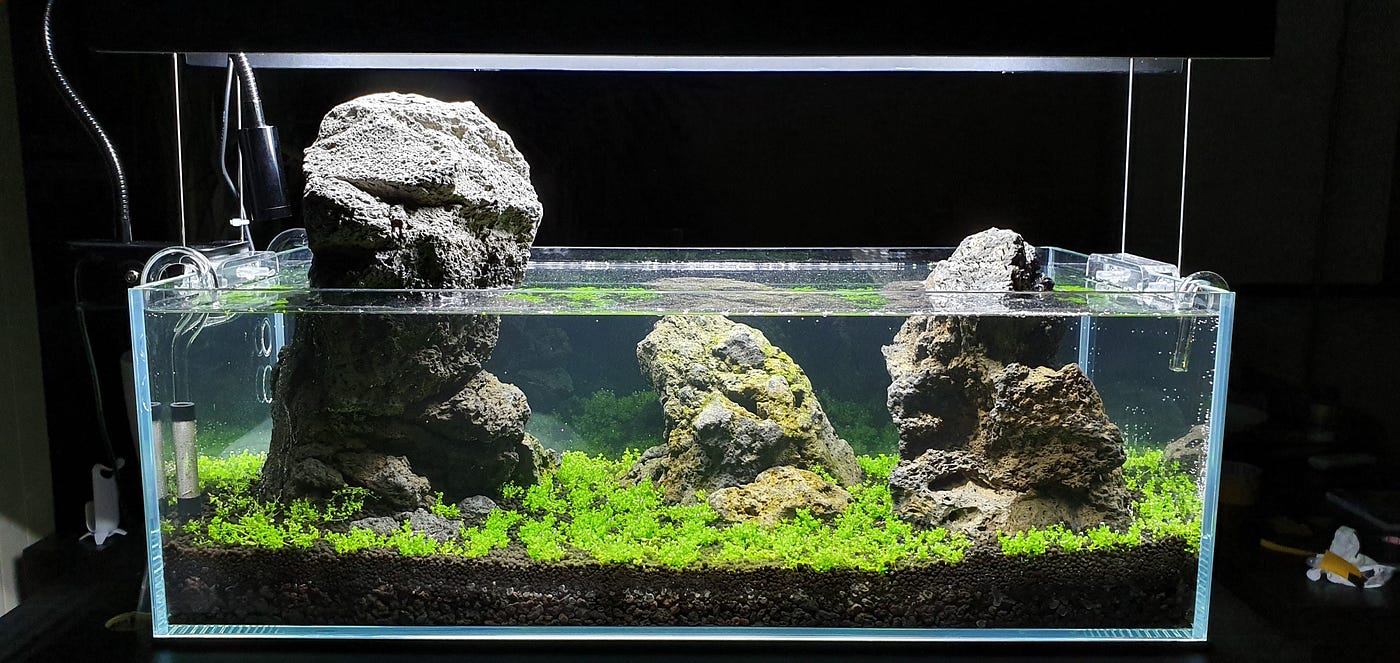
Iwagumi uses simple stone arrangements with few plant types. It creates calm, peaceful scenes.
- Main stones are called “Oyaishi.”
- Secondary stones support the main ones.
- Use carpet plants to cover the floor.
- Keep colors and shapes minimal.
Nature Aquarium Styles
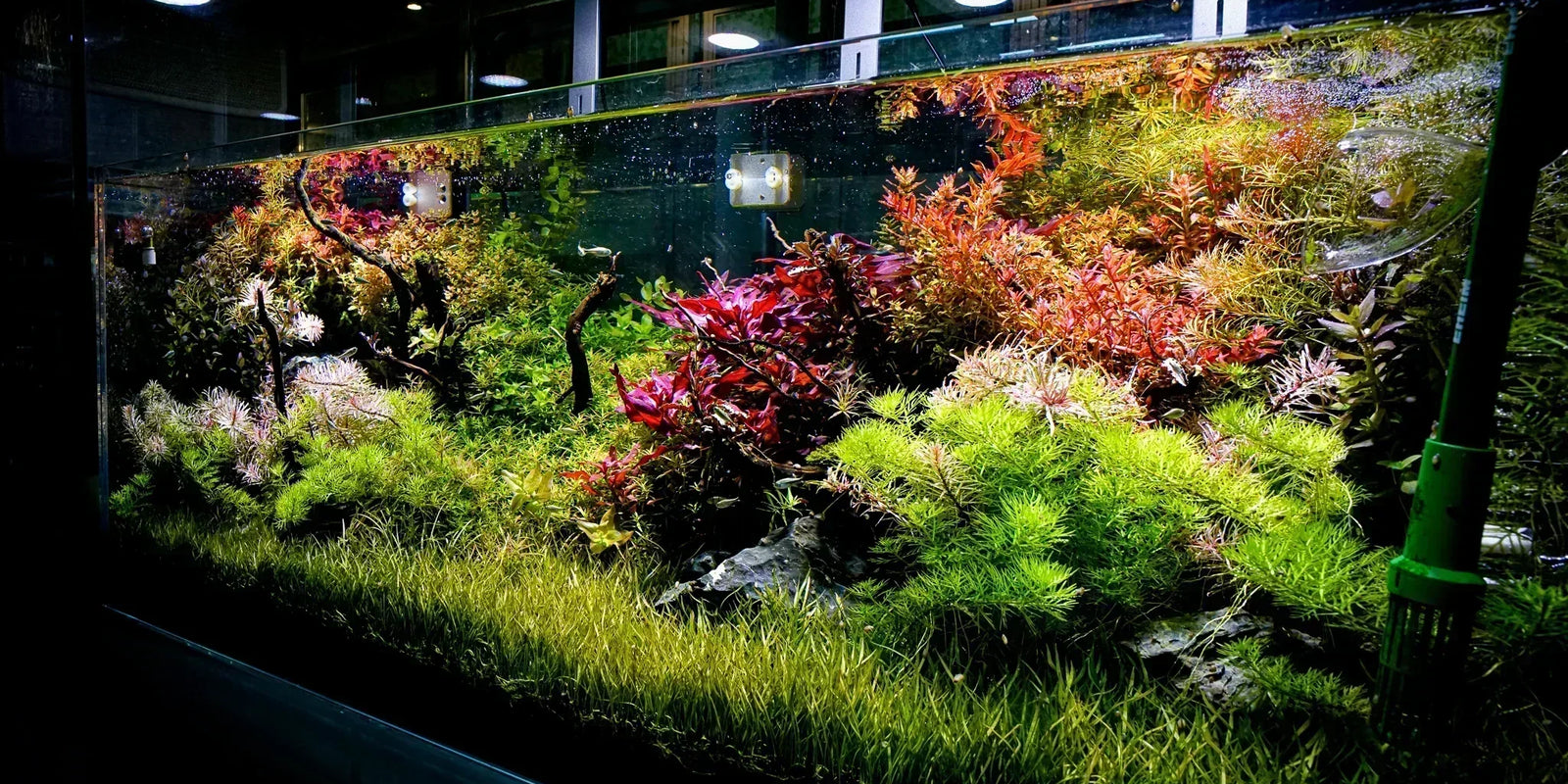
Nature aquariums copy natural scenes like forests or hills. They use many plants and varied layouts.
| Style | Focus | Plants |
| Forest | Trees and depth | Tall stem plants |
| Mountain | Rock shapes | Moss and small plants |
| River | Flow and stones | Grass and driftwood |
Biotope Inspirations
Biotope tanks copy one real water habitat. This style uses native plants and fish.
Key points for biotope layouts:
- Research the natural habitat well.
- Use matching plants and decorations.
- Choose fish from that environment.
- Keep water parameters close to nature.
Credit: medium.com
Selecting Premium Materials
Choosing the right materials is key for advanced aquascaping tanks. The quality of rocks, wood, and substrates affects tank health and looks.
Using premium materials helps create a stable and natural environment for aquatic plants and fish.
Specialty Hardscape Rocks
Hardscape rocks form the base of many aquascapes. Look for rocks that are safe and durable in water. Avoid rocks that change water chemistry too much.
- Seiryu stone: has a blue-gray color with white veins
- Dragon stone: textured with holes and caves
- Ohko stone: dark with rough surfaces
- Lava rock: porous and lightweight
Exotic Driftwood Varieties
Driftwood adds natural shapes and shelter in aquascapes. Choose wood that sinks and does not release harmful substances.
| Wood Type | Characteristics | Care Tips |
| Mopani | Heavy, two-tone color | Soak before use to sink |
| Manzanita | Twisted branches, light color | Boil to remove tannins |
| Cholla | Hollow, skeleton-like | Clean well, ideal for shrimp |
High-quality Substrates
Substrates support plant roots and affect water quality. Choose substrates that hold nutrients and allow good water flow.
Types of substrates to consider:
- Aquasoil: nutrient-rich and ideal for planted tanks
- Sand: fine texture but low nutrients
- Gravel: good for filtration but low in nutrients
- Clay-based substrates: help with nutrient retention
Plant Selection For Complexity
Choosing the right plants is key for complex aquascapes. Plants add texture, color, and life to your tank.
Advanced tanks need careful selection to balance beauty and care requirements.
Rare And Demanding Species
Rare plants often require special lighting, CO2, and nutrients. They add uniqueness but need patience.
- Glossostigma elatinoides: Needs bright light and CO2 injection.
- Riccia fluitans: Demands stable water conditions.
- Rotala macrandra: Requires high nutrients and light intensity.
- Hemianthus callitrichoides: Very small, needs clean water and CO2.
Layering Plants For Depth
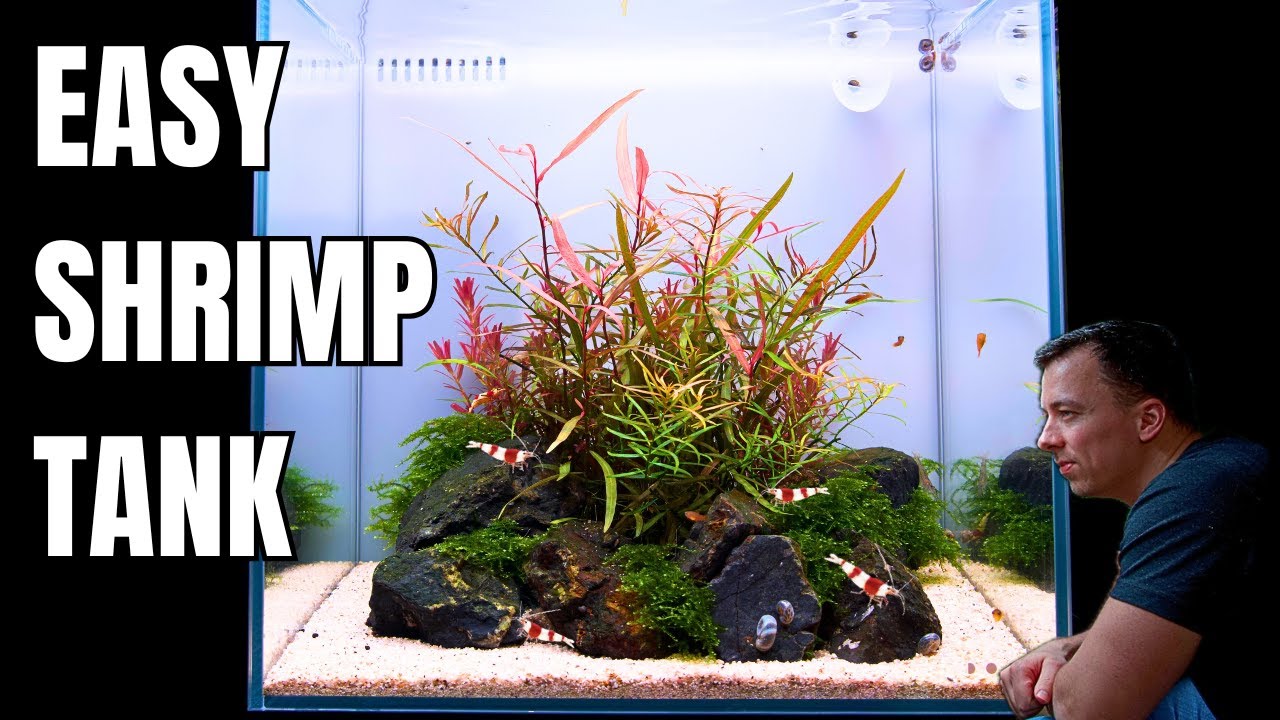
Layering plants gives your tank a 3D look. Use small plants in front and taller ones in back.
| Layer | Plant Type | Example Species |
| Foreground | Carpet Plants | Glossostigma, Dwarf Hairgrass |
| Midground | Compact Bushy Plants | Cryptocoryne, Anubias |
| Background | Tall Stem Plants | Rotala, Ludwigia |
Maintaining Plant Health
Healthy plants grow strong and look vibrant. Regular care keeps your tank balanced.
- Check water parameters weekly.
- Trim dead or yellow leaves.
- Supply proper lighting hours, usually 8 to 10 hours daily.
- Add fertilizers as needed for nutrients.
- Maintain CO2 levels for demanding species.
Credit: m.youtube.com
Advanced Aquascaping Techniques
Aquascaping is the art of arranging plants, rocks, and wood in aquariums. Advanced tanks need careful planning and skill.
Using advanced techniques can create natural and stunning underwater landscapes. These tricks help keep hardscape secure and improve visual depth.
Hardscape Anchoring Tricks
Hardscape pieces like rocks and wood must stay in place. Use anchoring tricks to prevent shifts and damage to plants.
Try attaching heavy stones under driftwood or use aquarium-safe glue to fix items. Plant roots can also help hold soil and rocks together.
- Use fishing line to tie wood to rocks
- Glue stones to wood with aquarium-safe epoxy
- Plant fast-growing roots to secure soil
- Stack rocks carefully for balance
Creating Illusions With Perspective
Use perspective tricks to make your tank look larger and deeper. Place bigger plants and rocks near the front.
Smaller items and carpet plants go toward the back. This arrangement draws the eye inside and adds depth to the scene.
- Put large hardscape in front
- Use smaller plants in the background
- Build slopes that rise toward the back
- Choose plants with different leaf sizes
Using Moss And Carpeting Plants
Moss and carpeting plants add softness and color to hard surfaces. They cover rocks and soil, creating a natural look.
Attach moss to wood or rocks with thread or glue. Spread carpet plants in open areas to create a green floor in the tank.
- Use fishing line to tie moss to surfaces
- Choose fast-growing carpet plants like Monte Carlo
- Trim carpets regularly to keep shape
- Keep lighting and CO2 levels suitable for growth
Lighting And Co2 Optimization
Good lighting and CO2 levels help plants grow well in advanced aquariums. They affect plant health and tank balance.
Finding the right mix of light and carbon dioxide keeps plants green and strong. It also stops algae from taking over.
Tailoring Light Spectrums
Plants need certain colors of light to grow best. Red and blue light support photosynthesis. Green light is less useful but helps plant shape.
- Use LED lights with adjustable spectrums.
- Set light duration to 8-10 hours daily.
- Match light intensity to plant types.
- Avoid too much white or yellow light.
Co2 Injection Strategies
CO2 boosts plant growth by helping photosynthesis. Too little CO2 slows growth. Too much harms fish.
| CO2 Level (ppm) | Effect |
| 10-15 | Too low, poor plant growth |
| 20-30 | Optimal for most plants |
| Above 30 | Risk to fish and shrimp |
Use a diffuser for even CO2 distribution. Test water regularly to keep levels stable.
Balancing Light And Co2
Light and CO2 must work together. High light needs more CO2. Low CO2 with strong light causes algae.
- Start with moderate light and CO2.
- Watch plant growth and algae signs.
- Adjust light time or CO2 dose as needed.
- Use timers for consistent schedules.
Water Chemistry Management
Managing water chemistry is crucial for advanced aquascaping. It ensures the health of aquatic life and plants. The balance of pH, GH, and nutrients keeps the tank thriving.
Understanding water chemistry helps you create a stable environment. This requires careful monitoring and adjustments.
Fine-tuning Ph And Gh
pH measures how acidic or basic the water is. GH indicates the general hardness of the water. Both are important for plant and fish health.
Adjusting pH and GH helps different species thrive. Use natural methods like driftwood or crushed coral to change levels gently.
- Test water regularly with reliable kits
- Add buffers or conditioners if needed
- Introduce changes slowly to avoid stress
Nutrient Dosing Schedules
Plants need nutrients like nitrogen, phosphorus, and potassium. A dosing schedule ensures they get the right amount at the right time.
Create a schedule based on plant needs and tank size. Use liquid fertilizers or root tabs to deliver nutrients efficiently.
- Monitor plant growth and adjust doses
- Avoid over-fertilizing to prevent imbalance
- Consider using automated dosing systems for consistency
Preventing Algae Growth
Algae can outcompete plants for nutrients. It makes tanks look unclean and disrupts the ecosystem.
Control algae by balancing light and nutrients. Regular maintenance and monitoring are essential to keep algae at bay.
- Limit light exposure to 8-10 hours daily
- Keep nutrient levels balanced
- Introduce algae-eating species like snails or shrimp
Aquascape Maintenance Routines
Maintaining an advanced aquascape requires regular care. Proper routines ensure a healthy and beautiful tank.
These routines help keep plants thriving and hardscape clean. Consistency is key to a successful aquascape.
Pruning And Trimming Techniques
Pruning keeps plants healthy and prevents overcrowding. Trim plants to maintain their shape and size.
Use sharp scissors for clean cuts. This helps plants heal faster and look neat.
- Trim dead leaves regularly
- Prune stems to encourage bushy growth
- Maintain a balanced plant height
Cleaning Hardscape Without Damage
Algae can cover rocks and driftwood. Clean these surfaces carefully to avoid damage.
Use a soft brush to gently scrub. Avoid using harsh chemicals as they can harm the tank’s ecosystem.
- Clean hardscape during water changes
- Inspect for algae buildup weekly
- Use a toothbrush for tight spots
Monitoring Plant Growth Patterns
Observe how plants grow over time. Adjust lighting and nutrients to support healthy growth.
Record changes in plant size and color. This helps identify any issues early.
| Plant | Growth Rate | Color Changes |
|---|---|---|
| Java Fern | Slow | Dark Green |
| Amazon Sword | Moderate | Light Green |
Showcasing Your Masterpiece
Aquascaping is an art that combines nature and creativity inside your tank. Showing off your hard work helps others appreciate your style.
Good presentation makes your aquascape look even better. It also inspires others to try their own designs.
Photography Tips For Aquascapes
Take clear photos to capture every detail of your aquascape. Use natural light or soft LED lights to avoid glare.
Clean your tank glass before shooting. Use a camera with a macro setting for close-up shots.
- Use a tripod to keep the camera steady
- Shoot from different angles
- Focus on the center of your layout
- Avoid using flash directly on the tank
- Edit photos lightly to enhance colors
Participating In Competitions
Competitions are a way to show your aquascape to a wider audience. They help you learn from other skilled aquascapers.
Check the rules carefully before entering. Submit your best photos and provide clear descriptions.
- Choose contests that fit your tank size and style
- Prepare your tank days before the contest
- Keep plants and fish healthy
- Follow all submission guidelines
- Use good lighting for photos
Sharing On Social Platforms
Social platforms let you connect with other aquascaping fans. Share updates and photos regularly.
Write short captions about your design and plants. Join groups to get feedback and ideas.
- Post photos in high quality
- Use clear and simple descriptions
- Engage with comments and questions
- Share progress pictures over time
- Respect platform rules and avoid spam
Credit: plantedpro.com
Frequently Asked Questions
What Are Advanced Aquascaping Techniques For Tanks?
Advanced aquascaping uses hardscape layering, plant grouping, and intricate trimming. It focuses on creating depth, balance, and natural flow. Techniques include using foreground, midground, and background plants. It also involves expert CO2 control and lighting adjustments for plant health and aesthetics.
How To Choose Plants For Advanced Aquascaping?
Select plants based on growth rate, color, and texture. Use a mix of low, mid, and tall plants to create depth. Consider lighting and CO2 needs for each species. Choose hardy plants that complement the tank’s ecosystem and design theme.
What Lighting Setup Is Best For Advanced Aquascaping?
Use full-spectrum LED lights for vibrant plant growth and color. Adjust intensity and duration to match plant requirements and tank size. Incorporate timers for consistent light cycles. Proper lighting enhances plant health, photosynthesis, and overall tank aesthetics.
How To Maintain Water Quality In Advanced Aquascaped Tanks?
Regular water changes and proper filtration are essential. Monitor pH, ammonia, nitrite, and nitrate levels weekly. Use CO2 injection to balance carbon levels. Avoid overfeeding and remove decaying plant matter promptly to keep water clean and stable.
Conclusion
Creating advanced aquascapes takes time and patience. Each detail shapes your tank’s beauty and balance. Keep learning and experimenting with plants, stones, and layout styles. Small changes can bring great results. Enjoy the process and watch your aquarium grow alive.
Your effort will reflect in a stunning underwater world. Stay curious and open to new ideas. Aquascaping is both art and science combined. Keep your tank healthy, and it will reward you daily.