
Keeping your aquarium healthy and vibrant starts with one key element: clean, safe water. If you want to protect your fish from harmful diseases, you need to understand how aquarium water treatments can make all the difference.
Imagine preventing illness before it even begins—saving you time, stress, and costly vet visits. You’ll discover simple yet powerful ways to treat your aquarium water, helping your fish stay strong and lively. Ready to take control of your aquarium’s health?
Let’s dive in.
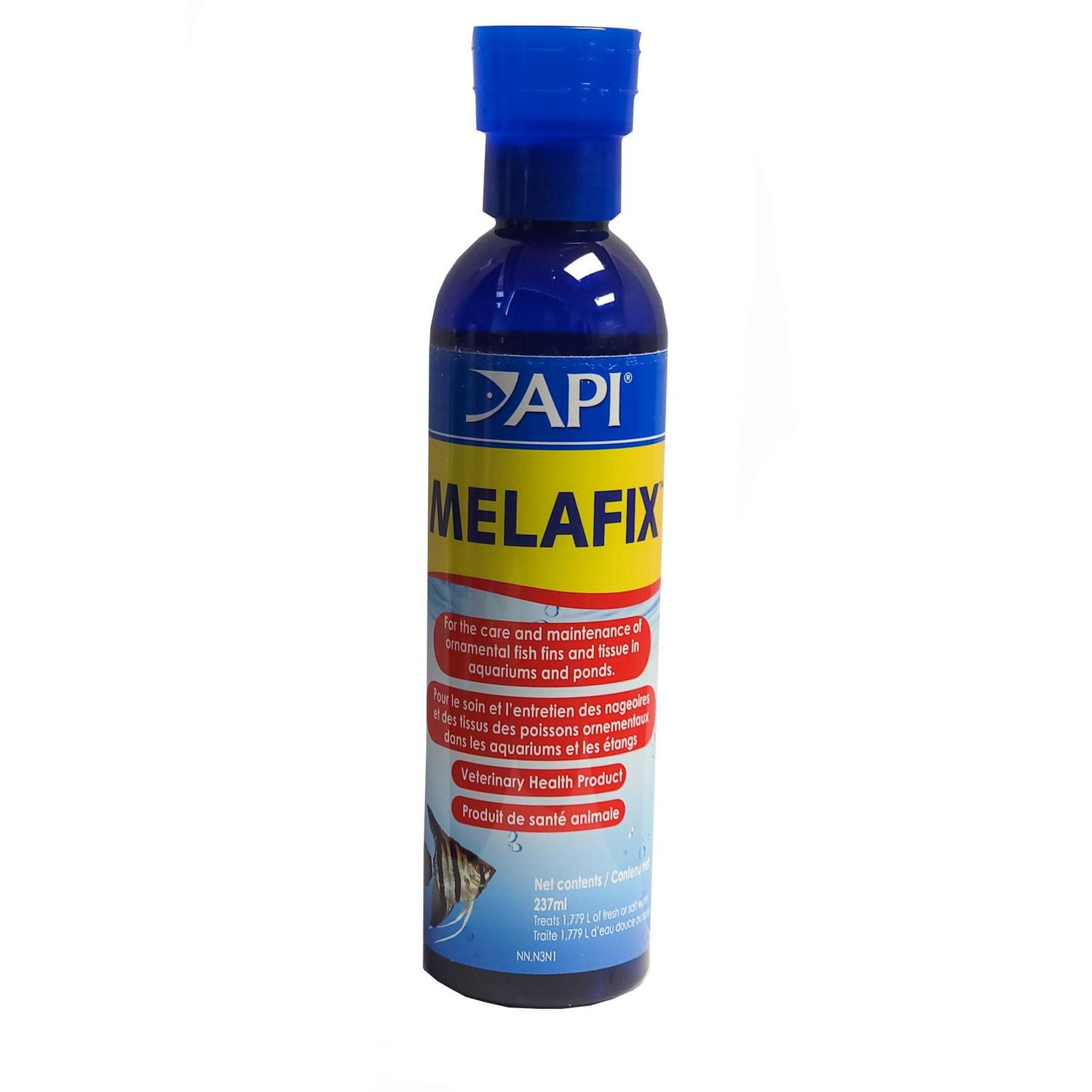
Credit: www.walmart.ca
Common Aquarium Diseases
Aquarium fish can get sick from different causes. Knowing common diseases helps keep fish healthy.
Water treatments prevent and control many fish illnesses. Early care stops diseases from spreading.
Bacterial Infections
Bacterial infections happen when harmful bacteria grow in the tank. Fish get sores, redness, or ulcers.
Common signs include fin rot, cloudy eyes, and swollen bodies. Stress and poor water quality cause bacteria to spread.
- Fin rot causes ragged fins and edges
- Body ulcers appear as open wounds
- Cloudy eyes reduce fish vision
Parasitic Infestations
Parasites live on or inside fish. They cause irritation, weight loss, and breathing problems.
Common parasites include ich, flukes, and anchor worms. They move quickly and spread fast in tanks.
- Ich shows as white spots on fish skin
- Flukes cause fish to scrape on surfaces
- Anchor worms look like small threads on fish
Fungal Issues
Fungal infections appear as cotton-like growths on fish skin and fins. They often occur after injuries.
Poor water or damage to fish increases fungal growth. Infected fish may swim slowly or hide often.
- White, fluffy patches on fish body
- Fungus grows on damaged or dead tissue
- Infected fish lose appetite and energy
Signs Of Disease In Fish
Fish can get sick just like other animals. It is important to watch for signs of disease early. This helps to keep your aquarium healthy.
Knowing what to look for can stop diseases from spreading. Signs can show in behavior, looks, or water quality.
Behavioral Changes
Fish often change how they act when they feel sick. Watch for unusual behavior to spot problems early.
Look for signs like less swimming or hiding more than usual. Fish may also stop eating or swim erratically.
- Loss of appetite
- Swimming near the surface or bottom
- Rubbing or scratching on tank objects
- Slow or weak movement
- Isolating from other fish
Physical Symptoms
Sick fish often show visible changes. These symptoms help identify the type of illness.
Check for spots, wounds, or changes in color. Look at fins and scales for damage or swelling.
- White spots or patches on body
- Red or inflamed skin
- Clamped fins or torn fins
- Swollen belly or eyes
- Excess mucus or slime
Water Quality Indicators
Water quality affects fish health greatly. Poor water can cause stress and disease.
Test water regularly for chemicals and cleanliness. Bad water can show signs like cloudy water or bad smell.
- High ammonia or nitrite levels
- Unstable pH level
- Cloudy or foul-smelling water
- Excess algae growth
- Low oxygen levels
Types Of Water Treatments
Aquarium water treatments help keep fish healthy. They prevent and control diseases in fish tanks.
Different treatments work in different ways. Knowing the types helps you choose the best option.
Medicated Baths
Medicated baths involve soaking fish in special medicine. This helps treat external infections quickly.
Baths usually last from a few minutes to an hour. They reduce stress on fish while fighting parasites.
- Common medicines include formalin and malachite green
- Baths target skin and gill parasites
- Use baths in separate containers, not the main tank
Chemical Additives
Chemical additives go directly into the aquarium water. They kill harmful bacteria, fungi, or parasites.
These treatments keep the whole tank safe. Follow instructions to avoid harming fish or plants.
- Common chemicals include antibiotics and antifungals
- Some additives improve water quality
- Regular water changes help remove chemicals after treatment
Natural Remedies
Natural remedies use plants or natural products to fight disease. They are gentler on fish and the environment.
These treatments support fish health without harsh chemicals. They often boost fish immunity.
- Examples include garlic, Indian almond leaves, and salt
- Natural remedies can reduce stress and improve healing
- They work well with good tank care and clean water
Choosing The Right Treatment
Keeping aquarium fish healthy needs the right water treatment. Choosing the right one stops diseases fast and protects your fish.
Each treatment works best for certain problems and fish types. You must know what to use and how much to keep fish safe.
Identifying The Problem
Know the disease signs before choosing treatment. Look for spots, color changes, or strange behavior in fish.
- Check for white spots or fuzz on fish bodies
- Watch if fish are gasping or hiding a lot
- Look for torn fins or unusual marks
- Note if fish stop eating or swim oddly
Compatibility With Fish Species
Some treatments suit certain fish better than others. Read labels to avoid harming sensitive species.
| Treatment Type | Safe Fish Species | Fish to Avoid |
| Antibacterial | Goldfish, Guppies | Catfish, Corydoras |
| Antifungal | Tetras, Bettas | Discus, Angelfish |
| Parasite | Barbs, Mollies | Loaches, Plecos |
Dosage And Duration
Follow the exact dose and length on the treatment instructions. Too much can hurt fish; too little may not work.
Here is a simple guide to dosing:
- Measure water volume before dosing
- Use a precise measuring tool
- Apply treatment evenly in the tank
- Keep treatment for full recommended days
- Do water changes as instructed
Preventive Water Care Practices
Keeping aquarium water clean is key to stopping fish diseases. Good water care helps fish stay healthy.
Simple daily habits can protect your fish from illness. This guide covers three important practices.
Regular Water Changes
Change part of the water often to remove waste and toxins. This keeps the tank environment safe for fish.
Use clean, treated water that matches the tank’s temperature. Avoid changing all water at once to reduce stress.
- Change 10-20% of water every week
- Use a siphon to clean the gravel
- Always treat tap water before adding
Proper Filtration
Filters remove dirt and harmful chemicals from the water. A good filter keeps the tank clean and clear.
Choose a filter that fits your tank size. Clean the filter media regularly but do not use soap or hot water.
- Use mechanical, biological, and chemical filtration
- Replace or rinse filter pads every month
- Check filter flow to keep water moving well
Maintaining Water Parameters
Keep water conditions stable to prevent fish stress. Monitor temperature, pH, ammonia, and nitrite levels often.
Use a water test kit to check parameters. Adjust them slowly to avoid shocking your fish.
- Ideal temperature varies by fish type
- pH should match your fish’s needs
- Ammonia and nitrite must stay at zero
- Nitrate should be low, below 20 ppm
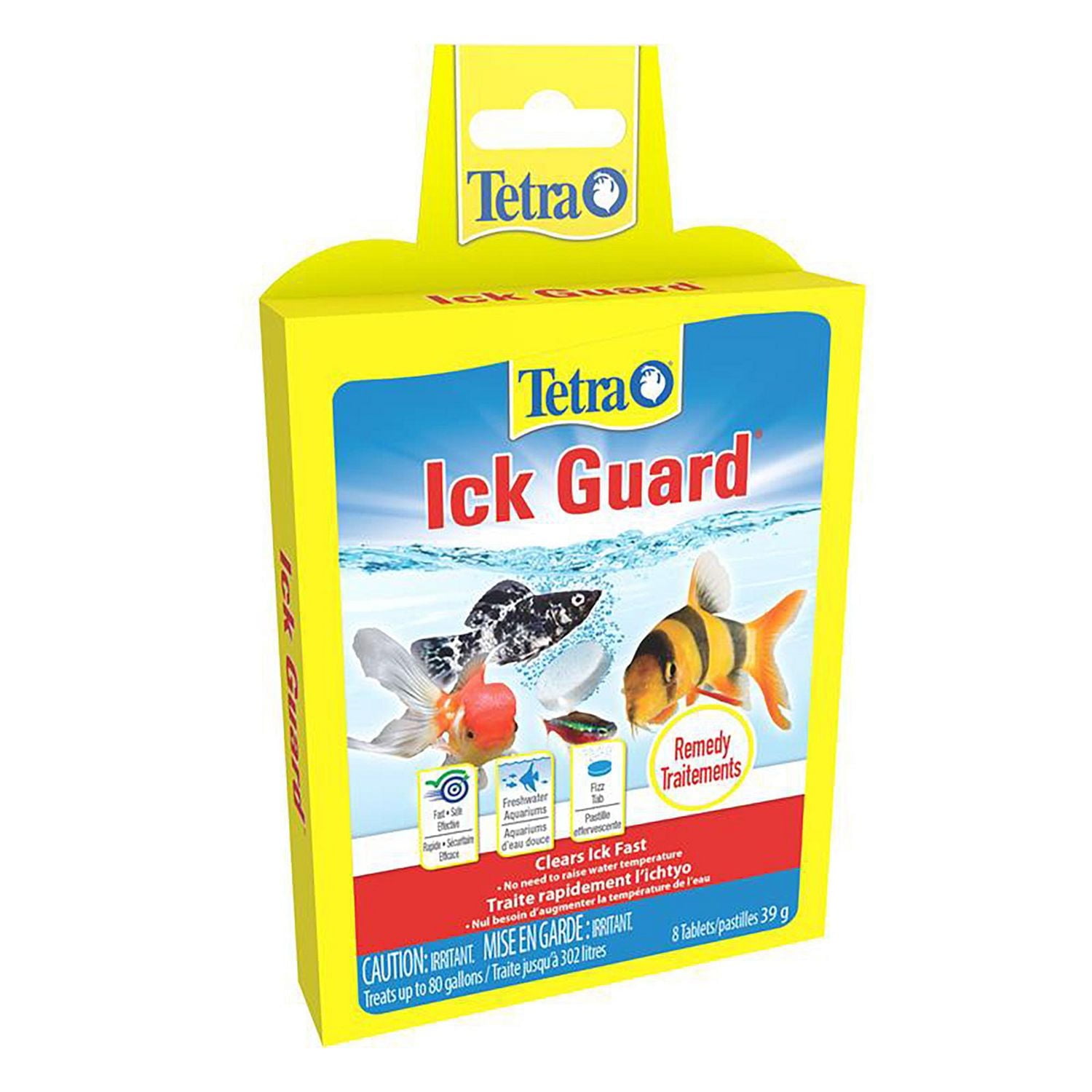
Credit: www.walmart.ca
Quarantine And Isolation Techniques
Quarantine and isolation are key for healthy aquarium fish. They stop diseases from spreading. Set up a special tank for new fish. Watch them closely before adding to the main tank.
This process helps detect and treat diseases early. It protects both new and existing fish. Proper quarantine techniques can save your fish from many health issues.
Setting Up A Quarantine Tank
A quarantine tank is a separate tank for new fish. It should be away from the main aquarium. This tank needs basic equipment like a heater, filter, and thermometer.
Keep the tank clean and water conditions stable. This helps new fish adjust comfortably. Do not overcrowd the tank. Each fish needs space to swim and feel safe.
- Use a 10-gallon tank for small fish
- Change 25% of the water weekly
- Use a sponge filter for gentle filtration
Monitoring New Arrivals
Observe new fish for any signs of illness. Look for unusual swimming patterns or spots on their bodies. Feed them well and check if they eat properly.
Keep a close eye on their behavior. Healthy fish are active and curious. Sick fish may hide or stay at the bottom of the tank.
- Check fish twice a day
- Note any changes in behavior
- Remove sick fish immediately
Treatment Protocols
If a fish shows signs of illness, start treatment right away. Use appropriate medications for specific diseases. Follow instructions carefully for dosage and duration.
Quarantine fish after treatment to ensure recovery. Do not rush to add them back to the main tank. Wait until they show no signs of illness.
| Symptom | Treatment |
| White spots | Use anti-parasitic treatment |
| Fin rot | Apply antibacterial medication |
Common Mistakes To Avoid
Keeping fish healthy in an aquarium needs careful attention. Many make mistakes with water treatments. These errors can harm your fish.
Understanding common mistakes helps in preventing disease. Learn how to avoid these errors for healthier fish.
Overmedicating
Using too many medicines harms fish. It can stress them and damage their immune systems. Fish might not recover if overmedicated.
Always follow the dosage on medicine labels. More is not always better. It is important to measure carefully.
- Read instructions fully before use
- Measure doses accurately
- Consult a vet if unsure
Ignoring Water Quality
Water quality affects fish health. Dirty water leads to diseases. Testing water regularly is key to prevention.
Check for ammonia, nitrites, and pH levels. Clean water helps fish stay strong against diseases.
- Test water weekly
- Change water regularly
- Use filters to maintain clarity
Delayed Treatment
Waiting too long to treat sick fish is risky. Early treatment stops disease from spreading. Quick action saves lives.
Watch fish for any changes. Act fast if they seem unwell. Early signs are better to treat.
- Observe fish daily
- Act on first signs of illness
- Isolate sick fish if needed

Credit: www.amazon.ca
Tips For Long-term Disease Prevention
Keeping aquarium fish healthy takes effort. Preventing disease is better than treating it.
Good water treatments and care keep fish safe for years. Follow simple tips to avoid illness.
Healthy Diets
Feeding fish the right food strengthens their immune system. A balanced diet helps fight diseases.
Use high-quality flakes, pellets, and fresh foods. Avoid overfeeding to keep water clean.
- Feed small amounts twice daily
- Include variety: flakes, frozen, or live food
- Remove uneaten food promptly
Stress Reduction
Stress lowers fish immunity and invites disease. Keep the aquarium environment calm and stable.
Limit loud noises and sudden movements near the tank. Provide hiding places for shy fish.
- Maintain stable water temperature and pH
- Avoid overcrowding the tank
- Use decorations and plants for shelter
Regular Health Checks
Look at fish often to spot illness early. Healthy fish swim actively and eat well.
Check for spots, swelling, or unusual behavior. Test water quality weekly to keep conditions safe.
- Inspect fish daily for changes
- Measure ammonia, nitrite, and nitrate levels
- Perform water changes as needed
Frequently Asked Questions
What Are The Best Aquarium Water Treatments For Disease?
Best treatments include antibacterial, antifungal, and antiparasitic medications. Regular water changes and proper filtration also prevent disease effectively.
How Often Should Aquarium Water Be Treated For Prevention?
Treat water during initial setup and after adding new fish. Routine partial water changes every 1-2 weeks help maintain disease-free conditions.
Can Aquarium Water Treatments Harm Fish Or Plants?
Incorrect dosages or prolonged use can stress fish and damage plants. Always follow product instructions and monitor aquarium health closely during treatment.
Why Is Disease Prevention Important In Aquariums?
Prevention reduces fish stress, mortality, and costly treatments. Healthy water conditions promote fish immunity and overall aquarium stability.
Conclusion
Keeping aquarium water clean helps fish stay healthy and strong. Treating water regularly stops many common diseases. Using the right water treatments protects your fish from harmful germs. Simple steps like checking water quality and adding treatments work well. Healthy water means happy fish and less stress for you.
Remember, small efforts bring big benefits to your aquarium. Take care of the water, and your fish will thrive. Prevention is easier than curing fish diseases later. Safe water creates a safe home for your aquatic pets.