
Are you tired of seeing green, slimy algae take over your aquarium? Algae can quickly turn your beautiful underwater world into a messy, unhealthy space for your fish and plants.
But don’t worry—controlling algae is easier than you think. You’ll discover simple and effective aquarium water treatments that will help you keep algae under control. By the end, you’ll know exactly how to maintain a clear, sparkling tank that your aquatic friends will love.
Let’s dive in and transform your aquarium into the vibrant, clean environment it deserves to be!
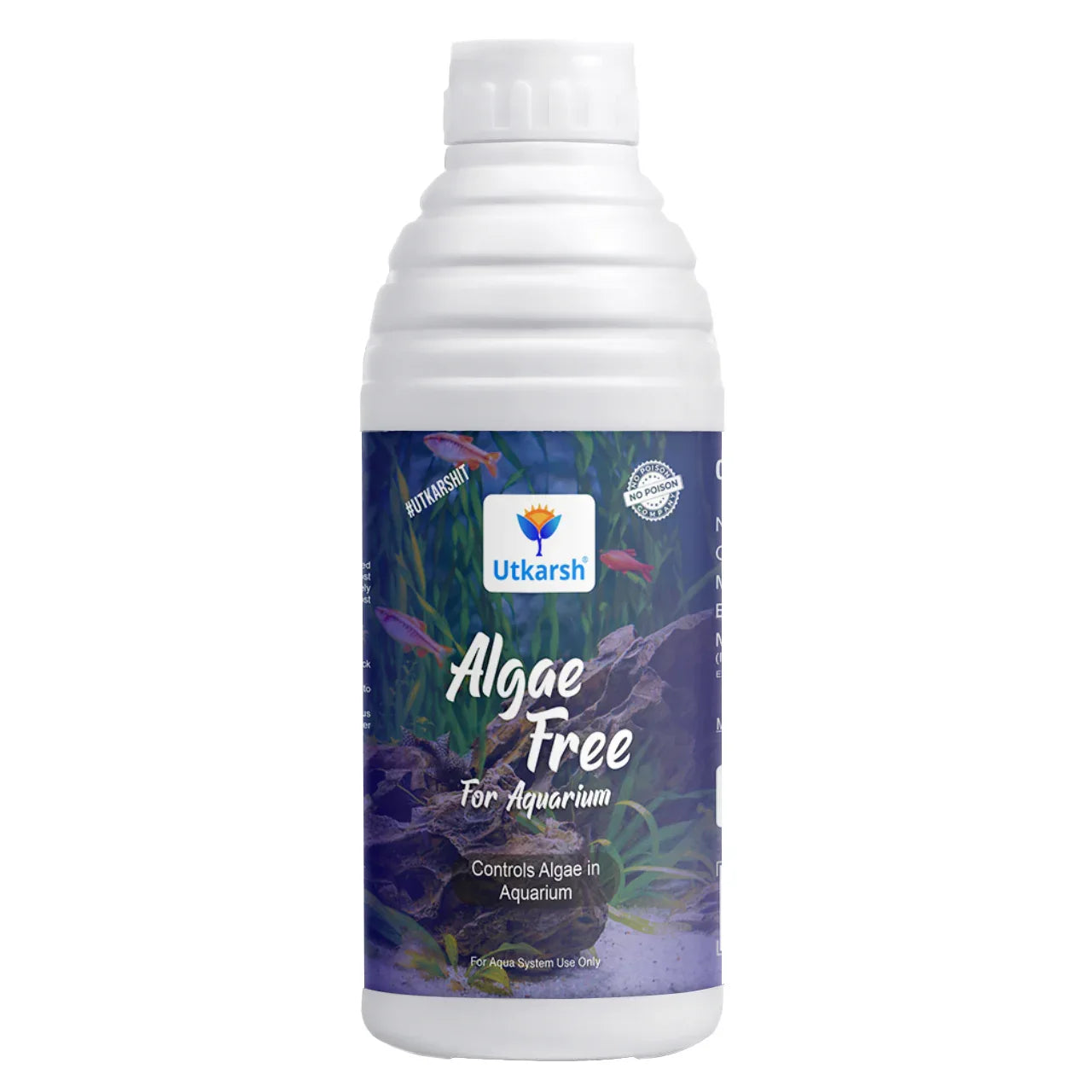
Credit: utkarshagro.com
Causes Of Algae Growth
Algae growth in aquariums is a common problem. It can harm fish and plants if left unchecked.
Understanding why algae grow helps you control and prevent it effectively.
Nutrient Imbalance
Algae thrive when nutrients like nitrates and phosphates build up in the water. These come from fish waste, uneaten food, and decaying plants.
- Too much fish food increases waste.
- Overfeeding leaves excess food to rot.
- Lack of water changes causes nutrient buildup.
- Dead plant matter releases nutrients.
Lighting Factors
Light intensity and duration affect algae growth. Bright or long lighting encourages algae to multiply quickly.
| Lighting Condition | Effect on Algae |
| Too much light | Speeds algae growth |
| Too little light | Slows algae but harms plants |
| Natural sunlight | Can cause uncontrolled algae bloom |
| Consistent timing | Helps balance algae and plant needs |
Water Quality Issues
Poor water quality creates a perfect place for algae. Dirty water with high ammonia or low oxygen helps algae grow.
Key water problems that cause algae:
- High ammonia or nitrite levels
- Low oxygen content in water
- Irregular water changes
- Unclean filters and substrate
Chemical Treatments
Aquarium water treatments help control algae growth. Chemical treatments are common solutions used by aquarium owners.
These treatments use special chemicals called algaecides. They target algae without harming fish and plants.
Algaecides And Their Types
Algaecides are chemicals made to kill or stop algae. They come in different types for various algae problems.
- Copper-based algaecides: Effective but must be used carefully.
- Polymer algaecides: Work by coating algae to stop growth.
- Quaternary ammonium compounds: Kill algae quickly but need precise dosing.
- Hydrogen peroxide: Breaks down algae and is safe in low doses.
- Barley straw extract: Natural option that slows algae growth.
Safe Dosage And Application
Always follow the instructions on algaecide labels. Using the right amount keeps fish and plants safe.
Apply treatments slowly and evenly. Test water after use to check chemical levels and water quality.
- Measure water volume before dosing.
- Use a clean container to mix chemicals if needed.
- Do not overdose; it can harm aquarium life.
- Repeat treatments only as recommended.
- Keep fish out of direct contact during application.
Potential Side Effects
Chemical treatments may harm sensitive fish and plants. Some algaecides can cause stress or illness.
Overuse may lead to poor water quality. It can kill helpful bacteria that keep the tank healthy.
- Fish may show signs of distress like gasping or hiding.
- Plants might turn yellow or die.
- Water may become cloudy or smelly.
- Beneficial bacteria populations can drop.
- Some chemicals can accumulate and cause long-term harm.
Natural Remedies
Algae can grow quickly in aquariums and make water look dirty. Using natural ways to control algae keeps the tank healthy. These methods do not use chemicals.
Natural remedies help balance the aquarium environment. They work with plants and animals to reduce algae growth.
Beneficial Plants
Certain plants compete with algae for nutrients and light. These plants help stop algae from spreading fast.
Fast-growing plants absorb extra nutrients that algae need. Adding these plants keeps algae under control.
- Hornwort
- Anacharis (Elodea)
- Water Wisteria
- Java Moss
- Duckweed
Algae-eating Fish And Invertebrates
Some fish and invertebrates eat algae as their food. They help clean the aquarium naturally.
Adding these creatures helps keep algae growth low without chemicals or harsh cleaning.
- Siamese Algae Eater
- Amano Shrimp
- Nerite Snails
- Otocinclus Catfish
- Cherry Shrimp
Homemade Solutions
Simple homemade remedies can reduce algae in the aquarium. These are safe and easy to use.
Using natural ingredients helps control algae without harming fish or plants.
- Use a diluted apple cider vinegar spray to clean tank glass
- Mix a small amount of baking soda to adjust water pH carefully
- Place activated charcoal in the filter to absorb nutrients
- Limit light exposure to 6-8 hours a day to slow algae growth
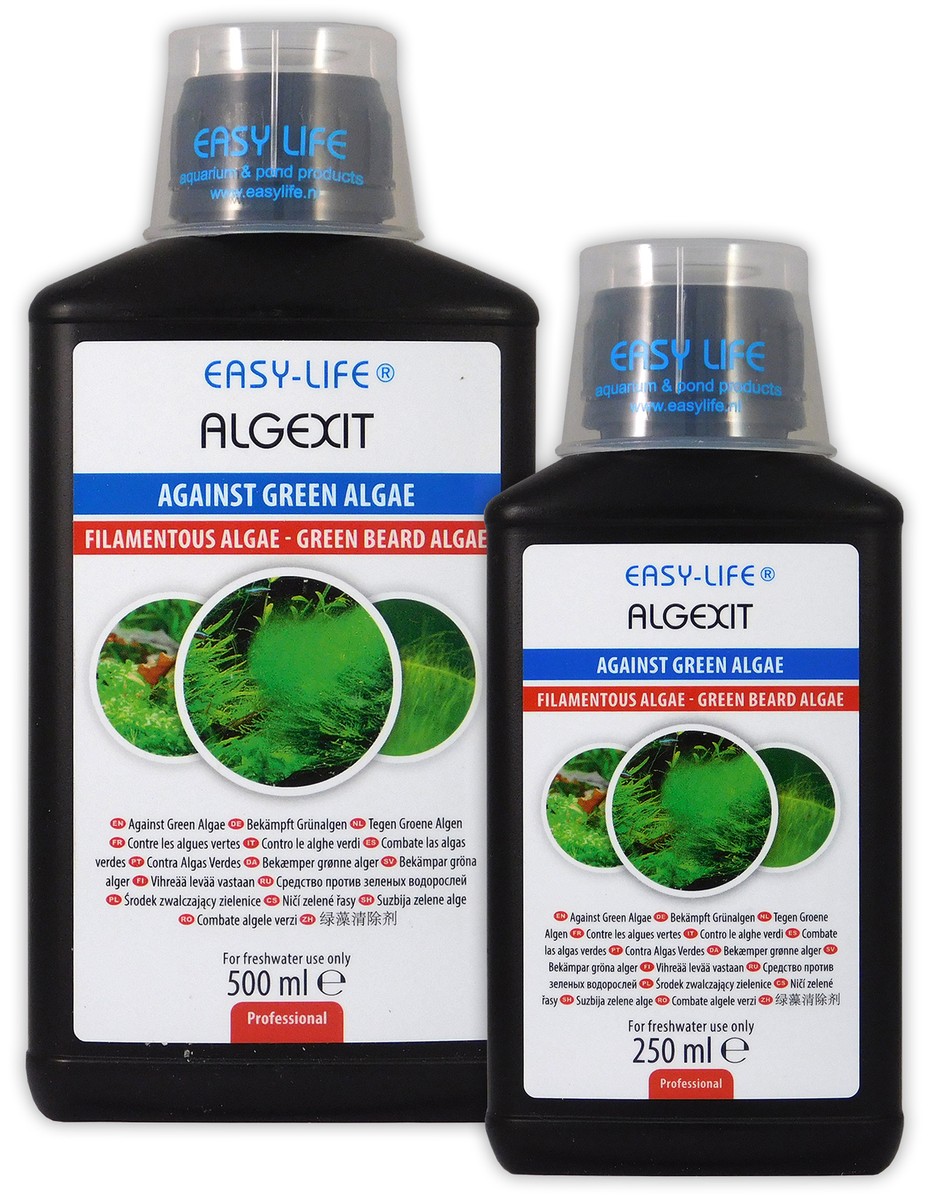
Credit: www.ebay.com
Maintenance Practices
Keeping your aquarium clean helps control algae growth. Good maintenance keeps fish healthy.
Simple daily and weekly tasks reduce algae and improve water quality.
Regular Water Changes
Change part of the aquarium water often to remove waste. This lowers nutrients that algae need to grow.
Replace 10-20% of the water every week. Use clean, treated water at the right temperature.
- Use a siphon to remove water and debris
- Replace water slowly to avoid stressing fish
- Test water quality regularly
Cleaning Techniques
Clean the aquarium surfaces to stop algae buildup. Scrub glass and decorations gently.
Use a soft brush or sponge made for aquariums. Avoid harsh chemicals that can harm fish.
- Clean algae from tank walls weekly
- Remove uneaten food and dead plants
- Vacuum gravel to remove dirt
Filtration Improvements
Good filters keep water clear and reduce algae nutrients. Check filters often and clean them as needed.
Use filters with mechanical, biological, and chemical parts for best results.
- Replace or rinse filter media regularly
- Choose a filter that fits your tank size
- Consider adding a UV sterilizer to reduce algae spores
Preventive Measures
Controlling algae in your aquarium starts with prevention. Taking simple steps can keep algae growth low and your tank healthy.
Focus on feeding, light, and water quality to stop algae before it begins. These areas affect the balance in your aquarium.
Proper Feeding Habits
Overfeeding fish adds extra nutrients to the water. These nutrients feed algae and help it grow fast.
- Feed only what fish can eat in a few minutes.
- Remove leftover food after feeding time.
- Use high-quality fish food that produces less waste.
Optimizing Light Exposure
Too much light causes algae to bloom quickly. Light times and intensity affect algae growth.
| Light Duration | Recommended Time |
| Daylight Hours | 8-10 hours |
| Artificial Light | 6-8 hours |
| Light Intensity | Moderate |
Monitoring Water Parameters
Checking water regularly stops algae growth. Algae thrive with high nutrients and poor water quality.
- Nitrate: below 20 ppm
- Phosphate: below 0.05 ppm
- pH: stable between 6.5 and 7.5
- Temperature: suitable for your fish species

Credit: www.amazon.com
Frequently Asked Questions
What Are The Best Aquarium Water Treatments For Algae?
The best treatments include algaecides, UV sterilizers, and natural additives. These help control algae growth effectively and safely.
How Do Algaecides Control Aquarium Algae?
Algaecides kill or inhibit algae growth by targeting their cells. Use them carefully to avoid harming fish or plants.
Can Natural Methods Prevent Algae In Aquariums?
Yes, natural methods like adding live plants and reducing light help prevent algae. They balance nutrients and improve water quality.
How Often Should I Treat Aquarium Water For Algae?
Treat aquarium water based on algae growth signs, usually weekly or biweekly. Avoid overuse to maintain a healthy ecosystem.
Conclusion
Controlling algae keeps your aquarium clean and healthy. Regular water treatments stop algae from growing fast. Simple steps like cleaning and changing water help a lot. Using safe products protects your fish and plants. Watch your tank often to catch problems early.
Clear water makes your aquarium look great. Keep your routine steady for lasting results. A balanced tank means happy fish and bright colors. Small efforts bring big rewards in aquarium care. Enjoy your beautiful, algae-free aquarium every day.