
Keeping your aquarium water clean and healthy can feel overwhelming, but it doesn’t have to be. If you want your fish to thrive and your tank to look stunning, the right water treatment is key.
You’ll discover simple, effective tips that make water care easy and stress-free. Ready to transform your aquarium into a vibrant underwater world? Keep reading—your fish will thank you!
Choosing The Right Water
Water quality is key to a healthy aquarium. Choosing the right water helps fish and plants thrive.
Different water types affect your tank’s environment. Learn about options before filling your aquarium.
Tap Water Vs. Filtered Water
Tap water is easy to get but may have chemicals. It can contain chlorine or chloramine that harm fish.
Filtered water removes many impurities. It is safer for sensitive fish and plants in your tank.
- Tap water may need treatment before use
- Filtered water reduces harmful chemicals
- Filtered water often improves water clarity
Using Ro And Di Water
RO (Reverse Osmosis) water is very pure. It removes almost all minerals and contaminants.
DI (Deionized) water also removes ions. It is often used after RO for extra purity in sensitive tanks.
- RO water is free from most impurities
- DI water removes charged particles
- Both are good for reef and delicate fish
Water Parameters To Monitor
Check water parameters to keep fish healthy. Regular tests help you spot problems early.
- pH: Measures acidity or alkalinity
- Ammonia: Toxic waste from fish
- Nitrite: Harmful compound from waste breakdown
- Nitrate: Less harmful but should be low
- Hardness: Level of minerals in water
- Chlorine: Should be zero in aquarium water
Essential Filtration Methods
Keeping aquarium water clean is important for fish health. Filtration removes waste and harmful substances.
There are three main filtration types. Each plays a unique role in water treatment.
Mechanical Filtration Basics
Mechanical filtration traps particles like uneaten food and fish waste. It cleans the water physically.
Filters use sponges, pads, or floss to catch debris. This prevents water cloudiness and pollution.
- Traps solid waste
- Improves water clarity
- Protects biological filters from clogging
Biological Filtration Benefits
Biological filtration uses beneficial bacteria to break down harmful ammonia and nitrites. These are toxic to fish.
Bacteria live on filter media like ceramic rings or bio balls. They convert waste into less harmful nitrates.
- Removes toxic ammonia
- Converts nitrites to nitrates
- Supports a healthy aquarium environment
Chemical Filtration Options
Chemical filtration uses special materials to remove dissolved impurities and odors. It improves water quality.
Activated carbon is a common chemical filter. It absorbs toxins, discoloration, and smells from aquarium water.
- Removes dissolved chemicals
- Reduces odors and discoloration
- Improves water taste for fish
Regular Maintenance Routines
Keeping aquarium water clean is important for fish health. Regular maintenance helps keep water safe and clear.
Simple tasks done often prevent big problems. Follow these routines to maintain good water quality.
Scheduled Water Changes
Changing water regularly removes waste and toxins. It keeps the tank environment balanced for fish.
Change about 10-20% of the water every week. Use water conditioner to remove chlorine before adding.
Cleaning Substrates And Decorations
Gravel and decorations collect dirt and algae. Cleaning them stops harmful buildup in the tank.
Use a gentle brush or siphon to clean without hurting beneficial bacteria. Avoid soap or chemicals.
- Remove debris from gravel with a siphon
- Scrub decorations lightly with a soft brush
- Rinse with tank water to keep bacteria safe
Filter Media Replacement
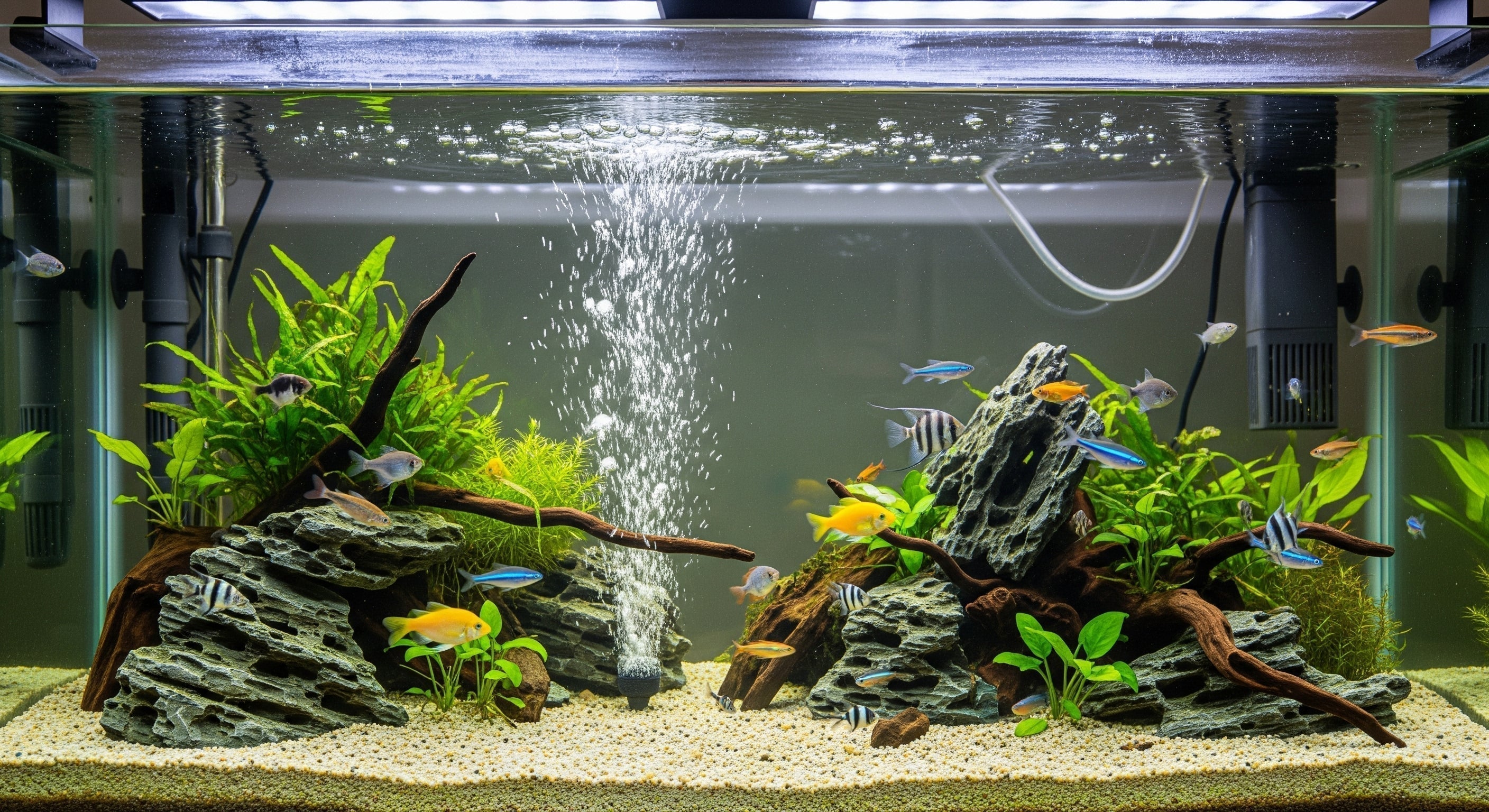
Filters trap dirt and waste, keeping water clear. Replace filter media to keep it working well.
Change or rinse filter media based on manufacturer advice. Do not replace all media at once.
- Replace carbon or chemical media monthly
- Rinse biological media in tank water only
- Keep some old media to preserve good bacteria
Credit: www.pond-planet.co.uk
Controlling Algae Growth
Algae can quickly take over an aquarium if left unchecked. It affects water clarity and plant health.
Controlling algae helps keep your fish and plants healthy. It also makes your aquarium look clean.
Lighting Duration And Intensity
Algae grows faster with too much light. Limit the aquarium light to 6-8 hours daily.
Use a timer to keep light consistent. Avoid placing the tank in direct sunlight.
- Set light timer for 6-8 hours per day
- Choose moderate light intensity
- Keep tank away from windows
Algae-eating Inhabitants
Some fish and invertebrates eat algae. Adding them helps control algae naturally.
Choose species that fit your tank size and water conditions. Do not overcrowd the aquarium.
- Siamese algae eaters
- Amano shrimp
- Otocinclus catfish
- Nerite snails
Nutrient Management
Excess nutrients like nitrates and phosphates feed algae growth. Keep these levels low.
Do regular water changes and avoid overfeeding. Use a good filter to remove waste.
- Change 10-20% of water weekly
- Feed fish only what they eat in minutes
- Use a filter suited for your tank size
- Test water regularly for nitrates and phosphates
Using Water Conditioners
Water conditioners help keep aquarium water safe for fish. They remove harmful chemicals and balance water quality.
Using the right water conditioners improves fish health and makes tank maintenance easier.
Dechlorinators And Detoxifiers
Tap water contains chlorine and chloramine. These chemicals harm fish if not treated.
Dechlorinators remove chlorine from the water. Detoxifiers break down chloramine and other toxins.
- Use dechlorinators to remove chlorine quickly
- Detoxifiers make chloramine safe for fish
- Some products remove heavy metals too
- Always add before introducing fish
Beneficial Bacteria Additives
Beneficial bacteria help break down fish waste and harmful chemicals. This keeps water clean and safe.
Add bacteria additives to start or boost the tank’s natural cleaning process.
- Boost nitrogen cycle with bacteria
- Use after cleaning or water changes
- Supports healthy fish and plants
- Follow product instructions for dosing
Ph Stabilizers
Fish need stable pH levels to stay healthy. Sudden pH changes can stress or harm them.
pH stabilizers keep water pH steady. They prevent harmful spikes or drops in acidity.
- Choose stabilizers for your fish type
- Check pH regularly with test kits
- Add stabilizers slowly to avoid shock
- Combine with other conditioners for best results

Credit: www.youtube.com
Testing Water Quality
Keeping your aquarium’s water clean is important for fish health. Regular testing helps you know the water quality.
You need to check certain parameters to ensure a healthy environment for your aquatic friends.
Key Parameters To Test
Testing water quality involves checking key parameters. These include pH, ammonia, nitrite, and nitrate levels.
These levels affect fish health and need regular monitoring.
- pH: Measures acidity or alkalinity
- Ammonia: Toxic waste product
- Nitrite: Intermediate waste product
- Nitrate: Less harmful but needs control
Choosing Test Kits
There are different test kits available for aquariums. Choose one based on your needs and budget.
Liquid test kits are often more accurate than strips. Look for kits that test multiple parameters.
- Consider ease of use
- Check the kit’s accuracy
- Review user feedback
Interpreting Test Results
After testing, compare results with recommended levels. This helps you know if water changes are needed.
Adjust the water conditions slowly to avoid stressing the fish.
| Parameter | Safe Range |
| pH | 6.5 – 7.5 |
| Ammonia | 0 ppm |
| Nitrite | 0 ppm |
| Nitrate | Below 20 ppm |
Emergency Water Treatment Tips
Keeping aquarium water clean is vital for fish health. Sometimes, emergencies happen that need quick action.
These tips help you handle common water issues effectively and swiftly.
Handling Ammonia Spikes
Ammonia spikes can harm fish quickly. You must act fast to lower ammonia levels.
- Test water with an ammonia kit.
- Do a partial water change immediately.
- Add ammonia detoxifiers to the water.
- Check the filter for blockages.
Dealing With Cloudy Water
Cloudy water makes it hard to see fish. It might be caused by bacteria or debris.
| Cause | Solution |
| Overfeeding | Feed less and remove uneaten food. |
| Bacterial bloom | Wait a few days for bacteria to balance. |
| Dirty filter | Clean or replace the filter. |
Addressing Fish Stress
Fish stress can lead to illness. Calm your fish by improving their environment.
Ensure water temperature is stable and avoid sudden changes. Consider adding plants to create hiding spots.
Advanced Water Treatment Techniques
Keeping aquarium water clean is key for healthy fish. Advanced water treatments help keep water clear and safe.
These techniques remove harmful germs and chemicals. They improve water quality beyond basic filtration.
Uv Sterilization Benefits
UV sterilizers use ultraviolet light to kill bacteria and algae. This stops diseases from spreading in your tank.
UV light also helps control green water and slimy algae. It keeps the water clear without adding chemicals.
- Kills harmful bacteria and parasites
- Reduces algae growth
- Improves water clarity
- Safe for fish and plants
Ozone Treatment Uses
Ozone treatment uses ozone gas to clean water. It breaks down waste and removes bad smells.
This method also kills germs and helps oxygenate the water. It supports a healthy environment for fish.
- Removes toxins and waste
- Destroys bacteria and viruses
- Helps keep water clear and fresh
- Increases oxygen levels
Automated Water Management Systems
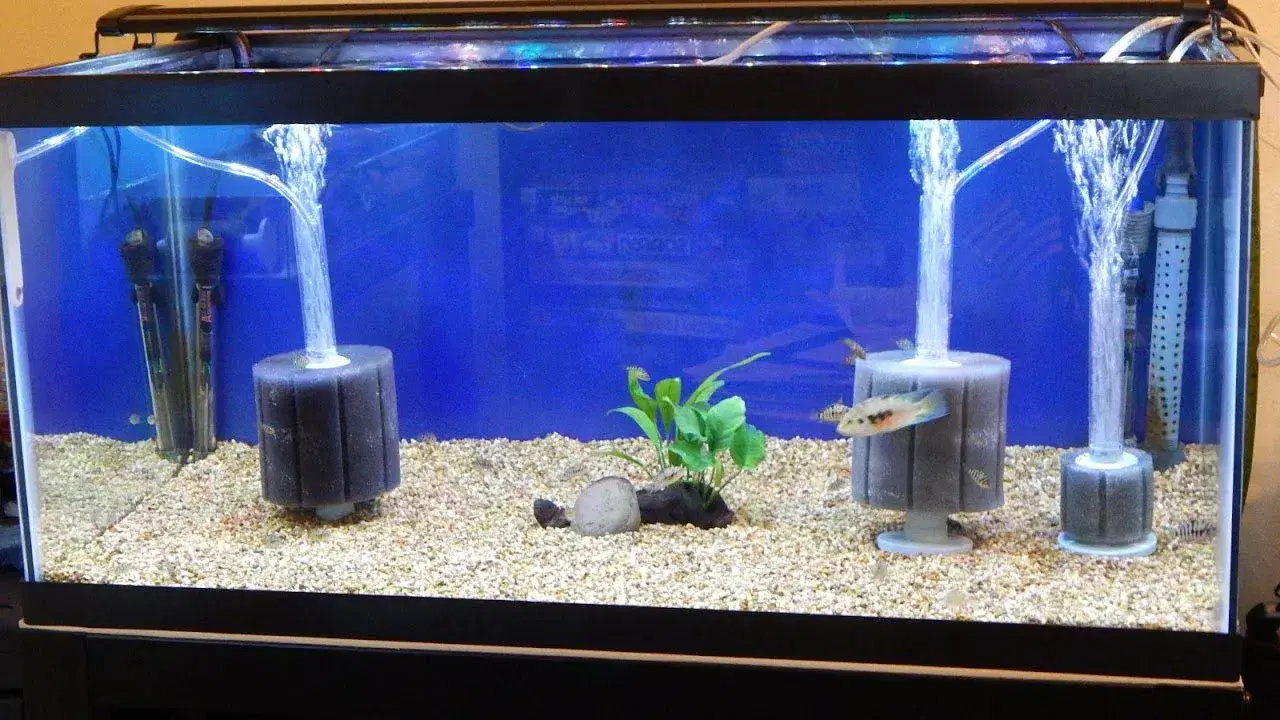
Automated systems control water changes and quality. They use sensors to track water levels and conditions.
These systems reduce manual work and keep water stable. They help maintain ideal conditions for fish health.
- Monitors pH, temperature, and hardness
- Automates water changes and dosing
- Alerts for water issues
- Improves tank stability
Credit: aquadecorbackgrounds.com
Frequently Asked Questions
How Often Should I Treat Aquarium Water?
Treat aquarium water weekly to maintain cleanliness and fish health. Regular treatment prevents harmful bacteria and toxins from building up.
What Chemicals Are Safe For Aquarium Water Treatment?
Use aquarium-specific conditioners and dechlorinators. Avoid household chemicals as they can harm fish and plants.
Can I Use Tap Water Directly In My Aquarium?
No, always treat tap water first. Remove chlorine, chloramine, and heavy metals using water conditioners before adding to your tank.
How Do I Remove Ammonia From Aquarium Water?
Perform regular water changes and use ammonia detoxifiers. Beneficial bacteria in filters also help break down ammonia effectively.
Conclusion
Keeping aquarium water clean helps fish stay healthy and happy. Test water often to catch problems early. Use water conditioners and filters to remove harmful substances. Change water regularly but avoid shocking your fish. Balanced water means clear tanks and lively fish.
Simple steps make a big difference in tank health. Enjoy a beautiful aquarium by caring for water well. Small efforts lead to a thriving underwater world.