
Keeping your aquarium water clean and healthy can feel like a challenge. You want your fish to thrive, but with so many products and methods out there, it’s easy to get confused.
What if you had a simple, clear guide that shows you exactly how to treat your aquarium water the right way? This guide will help you understand the essentials of aquarium water treatment, so you can create a safe and vibrant home for your fish.
By the end, you’ll feel confident in making the best choices for your aquatic friends—and they’ll thank you with their bright colors and lively swimming. Keep reading to discover the secrets to perfect aquarium water!
Choosing The Right Filtration System
Clean water is important for a healthy aquarium. A good filtration system helps keep the water clear and safe for fish.
Different filters remove different types of waste. Knowing each kind helps you pick the best system.
Mechanical Filters
Mechanical filters trap solid particles like fish waste and uneaten food. They stop these from clouding the water.
These filters use sponges, pads, or floss to catch debris. You need to clean them often to keep water flowing.
- Remove visible dirt and particles
- Help keep water clear
- Need regular cleaning
Biological Filters
Biological filters use good bacteria to break down harmful chemicals. They turn ammonia into less harmful substances.
This filter uses materials like ceramic rings or bio balls. These provide space for bacteria to grow and clean the water.
- Convert toxic ammonia and nitrites
- Use bacteria to keep water safe
- Need time to develop bacteria colonies
Chemical Filters
Chemical filters remove dissolved substances from water. They use activated carbon or resins to absorb toxins and odors.
These filters help clear water and reduce smells. Replace the filter media often for best results.
- Remove chemicals and odors
- Use carbon or other media
- Need regular replacement
Combining Filter Types
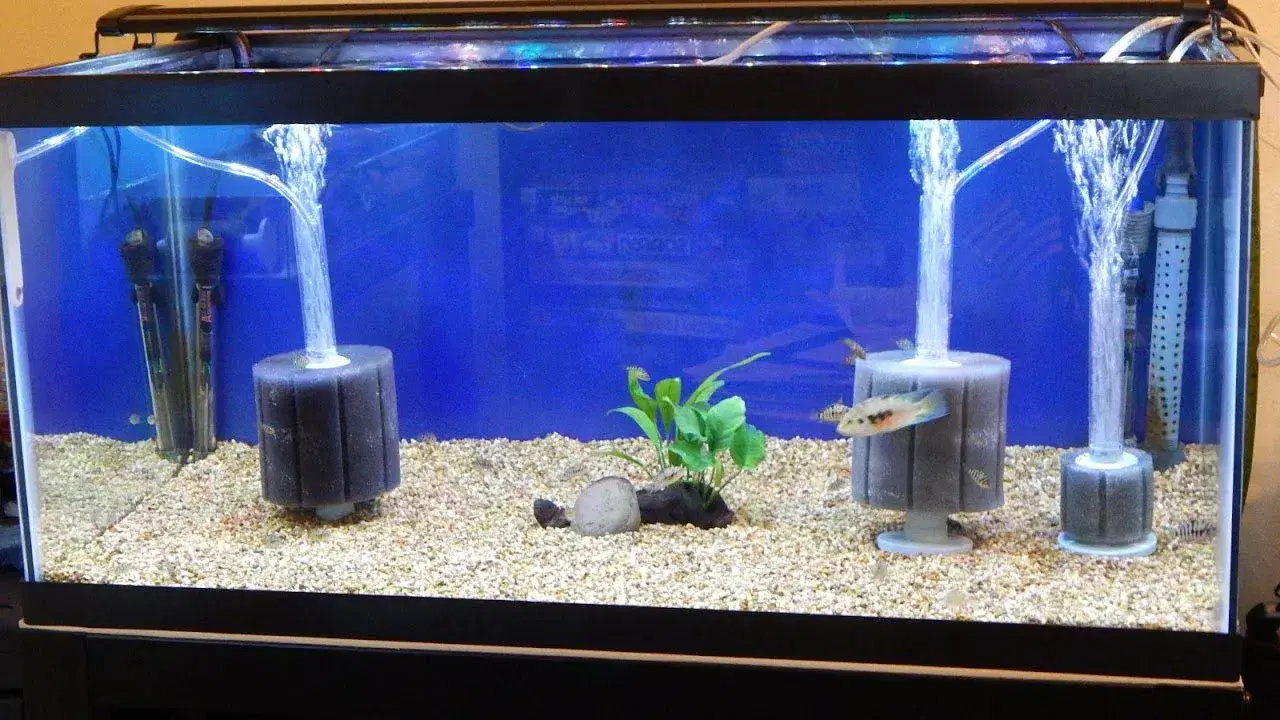
Many filters combine mechanical, biological, and chemical methods. This gives the best water quality for fish.
Choosing a filter with all three types helps keep water clean and healthy. It also supports fish growth and health.
- Mechanical part removes solids
- Biological part breaks down toxins
- Chemical part clears dissolved waste
- Combined filters need regular care
Credit: aquadecorbackgrounds.com
Essential Water Parameters
Maintaining the right water conditions is key to a healthy aquarium. Fish and plants depend on stable water quality. Monitoring essential water parameters helps prevent common problems.
This guide covers four main water parameters you must check regularly: pH levels, ammonia and nitrite, nitrate control, and water hardness.
Ph Levels
pH measures how acidic or basic the water is. Most freshwater fish prefer pH between 6.5 and 7.5. Sudden changes can stress fish and cause illness. Test your tank water weekly and adjust if needed with safe products.
Ammonia And Nitrite
Ammonia and nitrite are toxic chemicals produced from fish waste and decaying food. Both should be at zero in a healthy tank. High levels can kill fish quickly. Use a reliable test kit to monitor these chemicals often.
- Ammonia is the first toxin to appear after waste builds up.
- Nitrite forms as beneficial bacteria break down ammonia.
- Both toxins harm fish gills and reduce oxygen transport.
- Regular water changes help keep these chemicals low.
Nitrate Control
Nitrate is less harmful but still needs control. It comes from nitrite breakdown. High nitrate causes algae growth and stresses fish. Keep nitrate below 40 ppm with partial water changes and live plants.
| Parameter | Safe Range (ppm) | Effect if High |
| Ammonia | 0 | Toxic, causes fish death |
| Nitrite | 0 | Harmful, affects fish breathing |
| Nitrate | Below 40 | Algae growth, fish stress |
Water Hardness
Water hardness shows the amount of minerals like calcium and magnesium. It affects fish health and plant growth. Soft water has low minerals; hard water has high minerals. Most fish do well in moderate hardness.
Water hardness levels:
- Soft:0-60 ppm (mg/L)
- Moderate:61-120 ppm
- Hard:121-180 ppm
- Very Hard:181+ ppm
Test kits can measure hardness. Adjust hardness by adding minerals or using purified water.
Regular Water Changes
Regular water changes keep your aquarium healthy. They remove waste and toxins that harm fish.
Changing water also adds fresh minerals and oxygen. This helps fish grow and stay active.
Frequency And Volume
Change water often enough to keep it clean, but not too much to stress fish. The amount depends on tank size and fish number.
- Change 10-20% of water weekly for small tanks.
- For larger tanks, 20-30% every two weeks works well.
- High fish loads may need more frequent changes.
- Observe fish behavior to adjust the schedule.
Proper Water Preparation
Prepare new water before adding it to the tank. This avoids sudden changes that stress fish.
| Step | Action |
| 1 | Use dechlorinator to remove harmful chemicals. |
| 2 | Match water temperature to the tank water. |
| 3 | Check pH and hardness to keep them stable. |
| 4 | Use clean containers for mixing and storage. |
Avoiding Common Mistakes
Many fish keepers make simple errors during water changes. Avoid these to keep fish safe.
- Do not change too much water at once.
- Never use soap or detergents in cleaning tanks.
- Avoid adding untreated tap water directly.
- Do not disturb gravel or plants too much.
- Use a siphon to remove debris safely.
Using Water Conditioners
Water conditioners are essential for safe aquarium water. They help remove harmful substances from tap water.
Using the right conditioner keeps fish healthy and stress-free. It creates a stable environment for your aquarium.
Dechlorinators
Dechlorinators remove chlorine and chloramine from tap water. These chemicals can harm fish and plants.
They work quickly and make water safe to use. Always add dechlorinator before adding water to your tank.
- Protect fish from toxic chemicals
- Prevent damage to beneficial bacteria
- Make tap water safe instantly
Detoxifying Heavy Metals
Heavy metals like copper and lead can enter aquarium water. These metals are harmful to fish and invertebrates.
Water conditioners detoxify heavy metals by neutralizing them. This stops metals from causing health problems.
- Protect fish gills and organs
- Safe for shrimp and snails
- Use regularly with tap water changes
Beneficial Additives
Some water conditioners add helpful substances to aquarium water. These include vitamins and minerals.
These additives support fish health and boost immune systems. They also help bacteria grow in filters.
- Improve fish color and vitality
- Support natural biological balance
- Encourage strong beneficial bacteria
Algae Prevention Techniques
Algae can quickly take over an aquarium if not controlled. Stopping algae helps keep water clear and fish healthy.
Good algae prevention uses light, nutrients, and fish that eat algae. These methods work well together.
Controlling Light Exposure
Algae need light to grow. Too much light makes algae spread fast. Limit the time your aquarium lights are on.
Use a timer to keep light on for 8 to 10 hours a day. Avoid placing the aquarium where sunlight hits it directly.
- Keep aquarium light on 8 to 10 hours daily
- Use a timer for consistent light periods
- Do not place tank near windows with sunlight
Nutrient Management
Algae feed on nutrients like nitrates and phosphates. These come from fish waste and leftover food.
Clean the tank regularly and avoid overfeeding. Use water changes to lower nutrient levels.
- Feed fish only what they eat quickly
- Do weekly water changes of 10-20%
- Remove uneaten food and debris
- Use filter media that reduce nitrates and phosphates
Introducing Algae Eaters
Some fish and snails eat algae and help keep the tank clean. Adding these animals can control algae naturally.
Popular algae eaters include snails, shrimp, and certain fish species. Make sure they fit your tank size and conditions.
- Siamese algae eaters
- Amano shrimp
- Nerite snails
- Otocinclus catfish
Maintenance Tips For Clear Water
Keeping your aquarium water clear is important for healthy fish. Regular maintenance helps prevent cloudy water and algae growth.
Follow these tips to maintain a clean and healthy aquarium environment for your aquatic pets.
Cleaning Tank Surfaces
Algae and dirt can build up on tank surfaces. Regular cleaning keeps your aquarium looking good and your fish healthy.
Use a soft sponge or algae scraper to clean the glass. Be gentle to avoid scratching the surface.
- Clean the inside glass weekly
- Use tools designed for aquarium use
- Avoid harsh chemicals
Filter Media Replacement
Filters help remove waste and particles from the water. Replacing filter media is essential for keeping water clear.
Check your filter instructions for guidance on how often to change the media. A regular schedule ensures effective filtration.
- Replace filter media monthly or as needed
- Rinse new media with aquarium water before use
- Keep a backup supply of filter media
Monitoring Fish Health
Healthy fish contribute to a cleaner tank environment. Regular checks on fish health help prevent problems.
Watch for signs of stress or illness in your fish. Early detection and treatment can prevent water quality issues.
- Observe fish behavior daily
- Look for spots, discoloration, or unusual activity
- Consult a vet if you notice any problems
Troubleshooting Cloudy Water
Cloudy water in aquariums can be frustrating for fish owners. Understanding and solving this issue helps maintain a healthy environment.
There are simple steps to identify and fix cloudy water problems. Let’s explore the common causes and solutions.
Identifying Causes
Cloudy water is often caused by particles or bacteria. It can also result from poor filtration or overfeeding.
- New tank syndrome: Bacteria imbalance in new setups.
- Overfeeding: Excess food leads to waste buildup.
- Poor filtration: Ineffective filters can’t clear particles.
- Unwashed substrate: Dust from gravel or sand clouds water.
Quick Fixes
Some quick actions can clear cloudy water. These solutions are easy to implement and often effective.
- Reduce feeding: Feed fish only what they can eat in 2 minutes.
- Clean filter: Rinse filter media to improve performance.
- Partial water change: Replace 25% of the water weekly.
- Rinse substrate: Wash gravel thoroughly before adding.
Long-term Solutions
For lasting clarity, consider long-term strategies. These help maintain a balanced and healthy aquarium.
- Cycle the tank: Allow beneficial bacteria to establish.
- Upgrade filtration: Use filters suitable for tank size.
- Avoid overstocking: Keep fish numbers within tank capacity.
- Regular maintenance: Schedule routine cleaning and checks.

Credit: www.youtube.com
Credit: www.pond-planet.co.uk
Frequently Asked Questions
What Is The Best Way To Treat Aquarium Water?
The best way to treat aquarium water is by using water conditioners. These remove chlorine, chloramine, and heavy metals. Regular water changes and proper filtration also maintain water quality for healthy fish.
How Often Should I Treat My Aquarium Water?
Treat aquarium water every time you add new water. Typically, treat water during weekly or bi-weekly water changes. Consistent treatment prevents harmful chemicals and keeps fish safe.
Can I Use Tap Water For My Aquarium?
Yes, but tap water must be treated first. Tap water contains chlorine and chloramine, which harm fish. Use a water conditioner to neutralize these chemicals before adding water.
What Chemicals Should I Avoid In Aquarium Water?
Avoid chlorine, chloramine, heavy metals, and ammonia in aquarium water. These chemicals can stress or kill fish. Use proper water treatments to remove these substances and keep your aquarium safe.
Conclusion
Keeping aquarium water clean protects your fish and plants. Regular testing helps catch problems early. Use treatments carefully and follow instructions every time. Change water often to keep the tank healthy. Clean filters and remove waste to prevent toxins. Healthy water means happy fish and a beautiful tank.
Small steps make a big difference in water quality. Stay consistent, and your aquarium will thrive. Simple care creates a peaceful underwater world for your pets.