
Keeping your tropical tank vibrant and healthy starts with one crucial step: proper aquarium water treatment. If you want your colorful fish to thrive and your plants to flourish, understanding how to maintain clean, balanced water is key.
You might be wondering why your fish sometimes look stressed or why algae takes over despite regular cleaning. The answer often lies beneath the surface—in the water itself. This guide will help you discover simple, effective ways to treat your aquarium water, so your tropical tank becomes the stunning, lively ecosystem you’ve always wanted.
Stick with me, and you’ll learn how to make your aquarium a safe haven for every fin and leaf inside.

Credit: www.youtube.com
Choosing The Right Filtration
Good filtration keeps tropical tank water clear and healthy. It removes waste and harmful substances. Choosing the right filter helps fish and plants thrive.
Filters work in different ways. Each type targets certain kinds of impurities. Learning about filters helps you pick the best one for your tank.
Mechanical Filters
Mechanical filters trap solid particles like uneaten food and fish waste. They stop debris from clouding the water. These filters use sponges, pads, or floss to catch dirt.
- Remove visible waste from water
- Need regular cleaning to work well
- Protect other filter types from clogging
- Improve water clarity
Biological Filters
Biological filters use good bacteria to break down harmful ammonia and nitrites. These bacteria live on porous materials like bio-balls or ceramic rings. They turn waste into less harmful nitrates.
| Filter Media | Purpose | Cleaning Frequency |
| Bio-balls | Support bacteria growth | Rarely, only rinse in tank water |
| Ceramic Rings | Provide surface for bacteria | Rarely, gentle cleaning only |
| Sponge | Mechanical and biological use | Monthly or as needed |
Chemical Filters
Chemical filters remove toxins and odors from tank water. They use activated carbon, resins, or other media. These filters help keep water safe but need regular replacement.
- Removes discoloration and smells
- Absorbs harmful chemicals
- Improves water taste for fish
- Requires monthly media changes

Credit: www.youtube.com
Balancing Water Chemistry
Keeping water chemistry balanced is important for tropical fish tanks. It helps fish stay healthy and grow well.
Good water balance means stable pH, proper hardness, and safe levels of ammonia and other chemicals.
Ph Levels
pH shows how acidic or basic the water is. Most tropical fish need pH between 6.5 and 7.5.
Keep pH stable to avoid stress. Sudden changes can make fish sick or cause death.
- Test pH regularly with a kit
- Use pH buffers to adjust levels
- Avoid adding chemicals that cause big pH swings
Hardness And Softness
Water hardness means how many minerals are in the water. Hard water has many minerals; soft water has few.
Tropical fish vary in their needs. Some like hard water, others prefer soft water.
- Measure hardness with a test kit
- Use mineral additives to raise hardness
- Use distilled water or reverse osmosis water to soften
Ammonia, Nitrite, And Nitrate Control
Ammonia and nitrite are toxic to fish even at low levels. Nitrate is less toxic but should be low.
Good filtration and water changes keep these chemicals at safe levels.
- Test for ammonia, nitrite, and nitrate weekly
- Perform regular water changes to reduce toxins
- Use biological filters to convert ammonia and nitrite to nitrate
Water Conditioning Essentials
Proper water treatment is key for tropical aquarium health. Clean, safe water helps fish thrive and grow.
Water conditioning removes harmful substances and adds needed elements. Learn the basics to keep your tank stable.
Dechlorinators And Detoxifiers
Tap water often contains chlorine and chloramine. These chemicals can harm fish and beneficial bacteria.
Dechlorinators remove chlorine from water. Detoxifiers neutralize chloramine and heavy metals. Use these before adding water to the tank.
Adding Beneficial Bacteria
Beneficial bacteria break down fish waste and toxins. They keep the tank’s nitrogen cycle balanced.
- Add bacteria supplements when setting up a new tank.
- Use products that contain live bacteria cultures.
- Maintain good filter conditions to support bacteria growth.
- Avoid over-cleaning to preserve bacteria colonies.
Using Water Softeners
Water hardness affects fish health and plant growth. Softeners reduce calcium and magnesium levels.
| Water Softeners Type | Function | Use in Tropical Tanks |
| Ion Exchange Resins | Swap hardness ions with sodium ions | Use carefully; avoid high sodium for fish |
| Reverse Osmosis (RO) | Remove most dissolved minerals | Mix RO water with tap water to adjust hardness |
| Chemical Softeners | Bind hardness ions chemically | Best for short-term treatment |
Regular Water Testing
Keeping tropical fish healthy means checking the water often. Regular water testing helps spot problems early.
Testing water shows if the tank is safe for fish. It checks important things like pH, ammonia, and nitrate levels.
Test Kits And Tools
Test kits let you measure water quality at home. They are easy to use and give quick results.
Most kits test for pH, ammonia, nitrite, and nitrate. Some kits use strips, others use liquid drops.
- Test strips: dip in water and compare colors
- Liquid kits: add drops and watch color changes
- Electronic testers: digital readings for pH or ammonia
Interpreting Results
Water test results show if the tank is healthy. Each chemical has a safe range for tropical fish.
High ammonia or nitrite is dangerous and needs fixing fast. pH should stay stable for fish comfort.
| Parameter | Safe Range | Effect if High |
|---|---|---|
| Ammonia | 0 ppm | Poisons fish, causes stress |
| Nitrite | 0 ppm | Stops oxygen use, harmful |
| Nitrate | < 20 ppm | Can cause algae, stress fish |
| pH | 6.5 – 7.5 | Too low or high shocks fish |
Testing Frequency
Test water more when the tank is new. This helps catch problems early as the tank cycles.
After the tank is stable, test weekly or every two weeks. Test more if fish act sick or stressed.
- New tanks: test 2-3 times per week
- Established tanks: test once a week or every two weeks
- After adding new fish: test more often for changes
Routine Maintenance Practices
Keeping your tropical aquarium water clean is very important for fish health. Routine maintenance helps keep the water safe and clear.
Regular care includes changing water, cleaning the tank, and replacing filter parts. These steps improve water quality.
Water Changes
Changing water removes waste and toxins from the aquarium. It keeps the water fresh for your tropical fish.
Change 10-20% of the water weekly or biweekly. Use a siphon to remove water carefully without disturbing fish.
- Use dechlorinated water to avoid harming fish
- Match water temperature to the tank
- Remove debris from the substrate during water changes
Cleaning Substrates And Decorations
Dirt and algae build up on gravel and decorations. Cleaning these helps keep the tank healthy and looks good.
Use a soft brush or sponge to clean decorations gently. Vacuum the substrate to remove fish waste and leftover food.
- Do not use soap or chemicals on decorations
- Clean decorations during water changes
- Stir the substrate carefully to avoid stressing fish
Filter Media Replacement
Filter media traps dirt and helps keep water clear. Replace media to keep the filter working well.
Change filter media as the manufacturer suggests. Rinse reusable media in tank water to keep beneficial bacteria alive.
- Do not change all filter media at once
- Replace carbon or chemical media monthly
- Clean filter parts regularly to prevent clogging
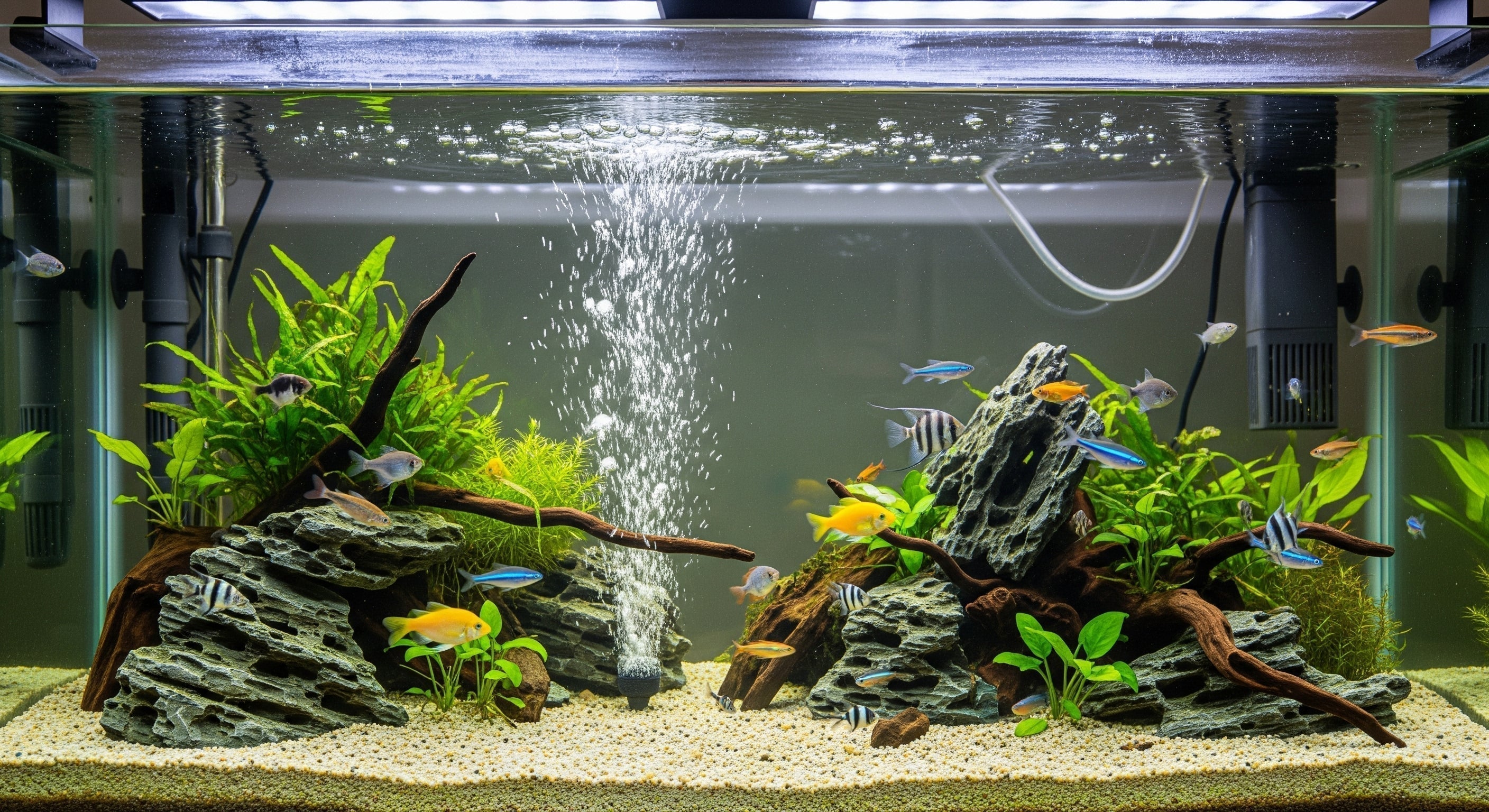
Credit: www.pond-planet.co.uk
Managing Algae Growth
Algae in tropical tanks can be a problem for fishkeepers. It’s important to manage algae to keep your tank healthy.
Understanding the causes and solutions can help control algae growth effectively. Let’s explore these methods.
Causes Of Algae
Algae grow when they have too much light or nutrients. Overfeeding fish can also lead to algae problems.
Poor water circulation and infrequent water changes can make it worse. Understanding these causes helps in prevention.
- Excessive light exposure
- High nutrient levels
- Overfeeding fish
- Poor water circulation
Natural Algae Control
Using natural methods can help control algae without chemicals. Adding algae-eating fish or snails is effective.
Live plants compete with algae for nutrients. Regular maintenance like cleaning and water changes also help.
- Add algae-eating fish or snails
- Use live plants to reduce nutrients
- Regular tank cleaning and water changes
Chemical Treatments
When natural methods are not enough, chemical treatments can help. Use them carefully to avoid harming fish.
Algaecides are chemicals that target algae growth. Always follow instructions to ensure safe use in your tank.
- Use algaecides for severe algae problems
- Follow product instructions carefully
- Monitor fish health during treatment
Preventing Common Water Issues
Keeping tropical tanks healthy requires careful water treatment. Understanding common issues helps prevent problems.
Good water quality is vital for fish health. Learn how to manage it effectively.
Cloudy Water Causes
Cloudy water is a frequent issue in tropical tanks. It can result from various factors, including overfeeding and bacterial bloom.
- Overfeeding leads to excess waste.
- Unwashed gravel can cause particles to float.
- Bacterial bloom occurs in new tanks.
Avoiding Toxic Build-up
Toxins like ammonia and nitrites harm fish. Regular maintenance prevents their build-up.
| Action | Frequency |
| Partial water change | Weekly |
| Filter cleaning | Bi-weekly |
| Gravel vacuuming | Monthly |
Handling Fish Waste
Fish waste contributes to poor water quality. Managing waste is crucial for a healthy tank environment.
Regular checks and cleaning reduce waste impact on water quality.
Special Treatments For Tropical Species
Tropical fish need careful water treatment to stay healthy. Their water must match their natural habitat.
Special treatments help protect sensitive tropical species from stress and illness.
Temperature Considerations
Keep tropical tanks warm between 75°F and 80°F. This range fits most tropical fish needs.
Use a reliable heater and thermometer to keep water steady. Sudden changes can harm fish.
- Check temperature daily
- Avoid placing tanks near windows or vents
- Use a heater with a thermostat
Medication And Quarantine
New tropical fish may carry diseases. Always quarantine new fish before adding to the main tank.
Use medication only if fish show signs of illness. Overuse can harm beneficial bacteria.
- Quarantine fish for 2 weeks
- Observe for signs of disease
- Follow medication instructions carefully
Enhancing Water Quality For Sensitive Fish
Clear and clean water is vital for tropical fish health. Use filters and perform regular water changes.
Test water often for pH, ammonia, nitrites, and nitrates. Keep levels safe for your species.
- Use activated carbon in filters
- Change 10-20% water weekly
- Keep pH around 6.5-7.5 for most tropical fish
- Remove uneaten food and waste
Frequently Asked Questions
What Is The Best Water Treatment For Tropical Aquariums?
The best water treatment includes dechlorinators and beneficial bacteria supplements. They remove harmful chemicals and establish a healthy biofilter for tropical fish.
How Often Should I Treat Water In Tropical Tanks?
Treat water during every water change, ideally every 1-2 weeks. This keeps water safe and maintains stable conditions for tropical fish health.
Can I Use Tap Water Directly In A Tropical Aquarium?
No, tap water contains chlorine and chloramine. Always use a water conditioner to neutralize these chemicals before adding it to the tank.
Why Is Water Cycling Important In Tropical Fish Tanks?
Cycling establishes beneficial bacteria that break down toxic ammonia and nitrites. This process creates a safe environment for tropical fish to thrive.
Conclusion
Keeping tropical fish healthy starts with clean water. Treat the water regularly to remove harmful chemicals. Test water often to keep pH, ammonia, and nitrate levels safe. Use quality filters and change water as needed. Remember, clear water helps fish thrive and look vibrant.
Healthy water means happy fish. Simple steps make a big difference in your aquarium’s life. Consistency is key for lasting results. Care for your tank daily. Your tropical fish will thank you with bright colors and active swimming.