
Keeping your aquarium healthy means more than just feeding your fish and changing the water. Parasites can sneak in and harm your aquatic pets without you even noticing.
If you want to protect your fish and keep your tank clear and vibrant, understanding aquarium water treatment for parasite control is key. You’ll discover simple, effective ways to fight parasites and keep your underwater world safe and thriving. Stick with us, and you’ll learn how to spot problems early and take action that really works.

Credit: www.amazon.com
Common Aquarium Parasites
Aquarium parasites can harm fish and disrupt the tank environment. Identifying these parasites early helps keep fish healthy.
This guide covers common types of aquarium parasites, signs of infestation, and their impact on fish health.
Types Of Parasites
Parasites in aquariums come in many forms. Some live on fish skin, others inside their bodies.
- Ichthyophthirius (Ich): White spots on fish skin and fins
- Flukes: Flatworms that attach to gills or skin
- Anchor Worms: Visible worms that pierce the fish’s body
- Lernaea: Large crustacean parasites causing wounds
- Internal Worms: Live in the digestive tract
- Velvet Disease: Caused by microscopic dinoflagellates
Signs Of Infestation
Fish show many signs when parasites are present. Watch for changes in behavior and appearance.
| Sign | Description |
|---|---|
| White Spots | Small spots on skin or fins, typical of Ich |
| Clamped Fins | Fins held close to the body |
| Excess Mucus | Slime coat thickens to protect fish |
| Scratching | Fish rub against objects to relieve irritation |
| Rapid Breathing | Gills move faster due to irritation or damage |
| Weight Loss | Fish lose weight from internal parasites |
Impact On Fish Health
Parasites weaken fish and make them sick. They can cause serious health problems if untreated.
Common effects include:
- Stress and lowered immunity
- Damage to skin and gills
- Difficulty breathing
- Slow growth or weight loss
- Increased risk of secondary infections
- Death in severe infestations
Water Quality And Parasite Growth
Parasites can harm fish and plants in an aquarium. Good water quality helps control parasite growth and keeps the tank healthy.
Many water factors affect how parasites grow. Controlling these factors can reduce parasite problems.
Role Of Ph And Temperature
The pH level in water shows how acidic or basic it is. Most parasites grow best in certain pH ranges.
Temperature also affects parasite growth. Warm water often speeds up their life cycle and reproduction.
- Keep pH stable to limit parasite growth
- Adjust temperature to suit fish, not parasites
- Rapid changes in pH or temperature stress fish
- Parasites thrive in warm, slightly acidic or neutral water
Nutrient Levels And Contamination
High nutrient levels in water feed parasites and harmful bacteria. Waste and leftover food add nutrients.
Contaminants like dirt and chemicals can weaken fish. Weak fish get sick more easily from parasites.
- Remove waste and uneaten food regularly
- Test water for ammonia, nitrites, and nitrates
- Keep water clean to stop parasite food supply
- Avoid overfeeding and overcrowding the tank
Oxygen And Filtration Effects
Oxygen is vital for fish health and fights parasites. Poor oxygen levels stress fish and help parasites grow.
Good filtration removes waste and keeps water clear. It helps keep oxygen levels high and reduces parasite risks.
- Use filters to remove debris and toxins
- Keep water moving to increase oxygen
- Regularly clean filters to keep them effective
- Low oxygen weakens fish immune systems
Chemical Treatments For Parasites
Parasites can harm aquarium fish and plants. Chemical treatments help control these pests. Using the right chemicals keeps the water safe and fish healthy.
Knowing how to use treatments correctly is important. This guide covers medicines, safe use, and possible side effects.
Medications And Dosages
| Medication | Common Dosage | Use |
| Praziquantel | 2 mg per liter | Treats flatworms and flukes |
| Metronidazole | 5 mg per liter | Fights protozoan parasites |
| Malachite Green | 0.02 mg per liter | Controls fungal and external parasites |
| Formalin | 25 mg per liter | Used for external parasites and fungus |
| Copper Sulfate | 0.15 mg per liter | Treats many external parasites |
Safe Application Practices
- Read and follow the instructions on the medication label.
- Remove activated carbon from filters before treatment.
- Test water parameters before and during treatment.
- Use a separate quarantine tank for sick fish if possible.
- Do not overdose; use the recommended amount only.
- Keep aeration strong to maintain oxygen levels.
- Monitor fish behavior closely for stress signs.
- Perform partial water changes after treatment ends.
Potential Side Effects
Chemical treatments can cause side effects in fish and plants. These include skin irritation, lethargy, or breathing problems. Some medications may harm sensitive species.
Always watch fish during and after treatment. Stop treatment if fish show bad reactions. Use milder doses for small or young fish.
Natural And Biological Controls
Keeping aquarium water clean helps stop parasites from growing. Using natural and biological controls is safe for fish and plants.
These controls use living things or plant-based solutions to fight parasites. They keep the tank balanced without harsh chemicals.
Beneficial Organisms
Certain small animals and microorganisms eat parasite eggs and larvae. They lower parasite numbers in the water naturally.
Examples include some types of shrimp, snails, and tiny worms. These creatures help keep your aquarium healthy.
- Cleaner shrimp remove parasite eggs from fish
- Snails eat leftover food and parasite waste
- Nematodes consume harmful parasite larvae
Herbal Remedies
Herbs and plant extracts can stop parasites from growing. They work gently and do not harm fish or plants.
Common herbal remedies include garlic, neem, and tea tree oil. These plants have natural chemicals that kill parasites.
- Garlic boosts fish immunity and repels parasites
- Neem extract controls parasite eggs in water
- Tea tree oil fights skin parasites and infections
Biological Filtration
Biological filters use good bacteria to clean aquarium water. These bacteria break down waste that can feed parasites.
Healthy bacteria colonies keep water safe and reduce parasite food sources. This helps stop parasite growth naturally.
- Bacteria convert fish waste into harmless substances
- Filters provide space for bacteria to grow
- Regular cleaning supports bacterial health
Preventive Measures
Controlling parasites in aquarium water keeps fish healthy. Prevention stops problems before they start.
Good habits help keep parasites away. Clean water and careful checks are important.
Quarantine Procedures
Quarantine new fish before adding them to your main tank. This stops parasites from spreading.
Use a separate tank for quarantine. Watch fish for at least two weeks for any signs of illness.
- Keep quarantine tank clean and stable
- Check for parasites daily
- Treat fish if parasites appear
- Only move healthy fish to the main tank
Regular Water Testing
Test aquarium water often. Parasites thrive in poor water conditions.
Check pH, ammonia, nitrite, and nitrate levels. Keep water balanced for fish health.
- Use test kits weekly
- Adjust water chemistry as needed
- Change water if levels are unsafe
- Keep temperature steady to avoid stress
Tank Maintenance Tips
Clean the tank regularly to reduce parasite risks. Remove waste and leftover food.
Maintain filters and change water often. A clean tank helps fish stay strong against parasites.
- Change 10-20% of water weekly
- Clean or replace filter media monthly
- Remove uneaten food daily
- Vacuum gravel to remove debris
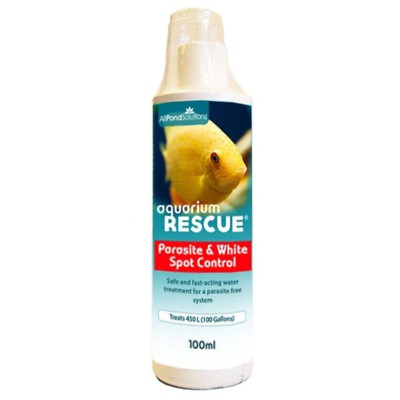
Credit: www.ebay.co.uk
Monitoring And Follow-up
Monitoring your aquarium is crucial after treating for parasites. Regular checks help ensure the treatment is working effectively.
Follow-up actions are necessary to ensure the health of your aquatic life. They also help in preventing future infestations.
Detecting Treatment Success
Observe your fish for signs of improvement. Look for increased activity and normal eating habits.
| Sign | Normal Behavior | Post-Treatment |
| Activity Level | Active Swimming | Increased |
| Appetite | Regular Feeding | Normal |
| Appearance | Clear Scales | Healthy |
Adjusting Strategies
Adjust strategies if the initial treatment is not effective. Consider alternative methods or consult a specialist.
- Check water quality regularly.
- Consult with an aquatic specialist.
- Consider alternative treatments.
Long-term Parasite Management
Maintain a routine for long-term parasite management. Regular cleaning and monitoring are essential.

Credit: www.nt-labs.com
Frequently Asked Questions
What Is The Best Aquarium Water Treatment For Parasites?
The best treatment depends on the parasite type. Common options include antiparasitic medications like copper sulfate, formalin, or praziquantel. Always identify the parasite before treatment. Proper dosing and water changes enhance effectiveness and fish safety.
How Do I Prevent Parasites In Aquarium Water?
Maintain clean water with regular changes and filtration. Quarantine new fish before adding them. Avoid overcrowding and feed balanced diets. These steps reduce parasite introduction and growth, keeping fish healthy.
Can Aquarium Salt Help Control Parasites?
Yes, aquarium salt can help control some parasites by creating an inhospitable environment. Use it cautiously, as excess salt harms certain fish and plants. Always follow recommended dosages for safety and effectiveness.
How Often Should I Treat Aquarium Water For Parasites?
Treatment frequency depends on parasite severity and medication type. Usually, treat once or twice as prescribed. Monitor fish health closely and repeat only if parasites persist. Avoid over-treatment to prevent stress.
Conclusion
Controlling parasites keeps your aquarium fish healthy and happy. Regular water treatment prevents infections and improves water quality. Clean water means fewer diseases and a better environment for fish. Always follow treatment instructions carefully for best results. Healthy fish show bright colors and active behavior.
Simple steps protect your aquarium from parasite problems. Keep water clean, treat early, and watch your fish thrive. Small efforts lead to big rewards in fish care.