
Keeping your ornamental fish tank healthy and vibrant starts with one crucial step: proper aquarium water treatment. You might think clean water is just about changing it regularly, but there’s much more to it.
The right water treatment ensures your fish stay active, colors stay bright, and diseases stay away. If you want to create a thriving underwater world right in your home, understanding how to treat your aquarium water correctly is key. Stick with me, and you’ll discover simple, effective tips that make a big difference for your fish and your tank’s beauty.
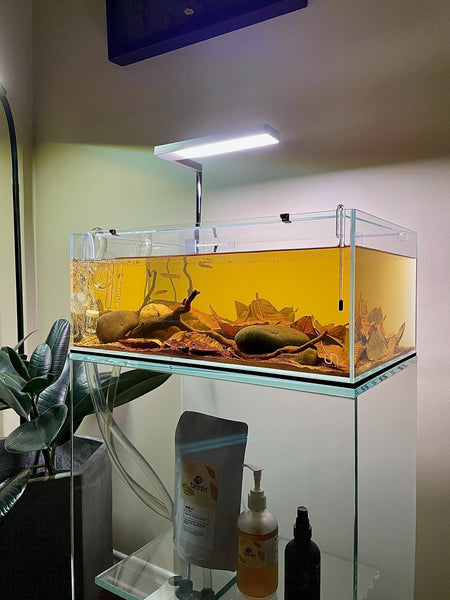
Credit: tanninaquatics.com
Importance Of Water Quality
Water quality is vital for the health of ornamental fish. Clean water keeps fish active and vibrant.
Good water helps prevent diseases and supports fish growth. It creates a safe environment in the tank.
Impact On Fish Health
Fish depend on water for oxygen and waste removal. Poor water quality can stress fish and cause illness.
- Low oxygen levels make fish weak
- High ammonia causes gill damage
- Imbalanced pH affects metabolism
- Dirty water spreads bacteria and parasites
Common Water Issues
Many problems can harm fish if water is not treated well. Testing and fixing water is essential.
| Issue | Cause | Effect on Fish |
| Ammonia Build-up | Fish waste | Gill damage, stress |
| Nitrite Presence | Incomplete filtration | Reduced oxygen transport |
| pH Fluctuation | Unstable water source | Metabolic problems |
| Hard Water | High mineral content | Scale growth on fish |
| Algae Growth | Excess nutrients | Oxygen depletion |
Essential Water Parameters
Water quality is vital for keeping ornamental fish healthy. Proper water parameters create a safe environment. Regular testing helps spot problems early.
Each water parameter affects fish in different ways. Understanding these factors helps maintain a balanced aquarium.
Ph Levels
pH measures how acidic or basic the water is. Most ornamental fish prefer a pH between 6.5 and 7.5. Sudden pH changes stress fish and can cause illness.
Keep pH stable by avoiding overfeeding and changing water regularly. Use pH test kits to monitor levels weekly.
Ammonia And Nitrite
Ammonia and nitrite are toxic chemicals from fish waste and decaying food. Both should be at zero in a healthy tank. Even small amounts can harm fish gills and cause death.
- Test ammonia and nitrite twice a week in new tanks
- Do partial water changes to reduce toxins
- Use biological filters to convert ammonia to nitrate
Nitrate Concentration
Nitrate forms after beneficial bacteria break down ammonia and nitrite. It is less toxic but still harmful if it builds up. Keep nitrate below 40 mg/L for most fish.
| Nitrate Level (mg/L) | Effect on Fish |
| 0–20 | Safe and healthy |
| 21–40 | Acceptable but monitor closely |
| 41–80 | Stress and weakened immune system |
| Above 80 | Dangerous, risk of disease |
Water Hardness And Temperature
Water hardness shows the amount of minerals in water. Fish species need different hardness levels to thrive. Temperature affects fish metabolism and oxygen levels.
- Most tropical fish prefer 72–78°F (22–26°C)
- Soft water is low in calcium and magnesium
- Hard water has higher mineral content
- Use heaters and coolers to keep temperature stable
Water Testing Methods
Testing water in ornamental fish tanks keeps fish healthy. Clean water means fewer diseases.
Several methods check water quality. These methods help spot problems early.
Test Kits And Tools
Test kits measure important water parts like pH, ammonia, and nitrites. Tools can be strips or liquid kits.
- pH test kits check water acidity or alkalinity.
- Ammonia kits detect harmful ammonia levels.
- Nitrite and nitrate kits show waste buildup.
- Test strips offer quick results but less detail.
- Liquid kits give more accurate readings.
- Digital meters provide fast and precise data.
Frequency Of Testing
Regular testing keeps water safe for fish. Test often during new setups or problems.
| Testing Situation | How Often to Test |
| New aquarium setup | Daily for first 2 weeks |
| Established tank | Weekly |
| After adding new fish | Every 2-3 days for 1 week |
| Signs of illness | Immediately and daily |
| Routine maintenance | Every 1-2 weeks |
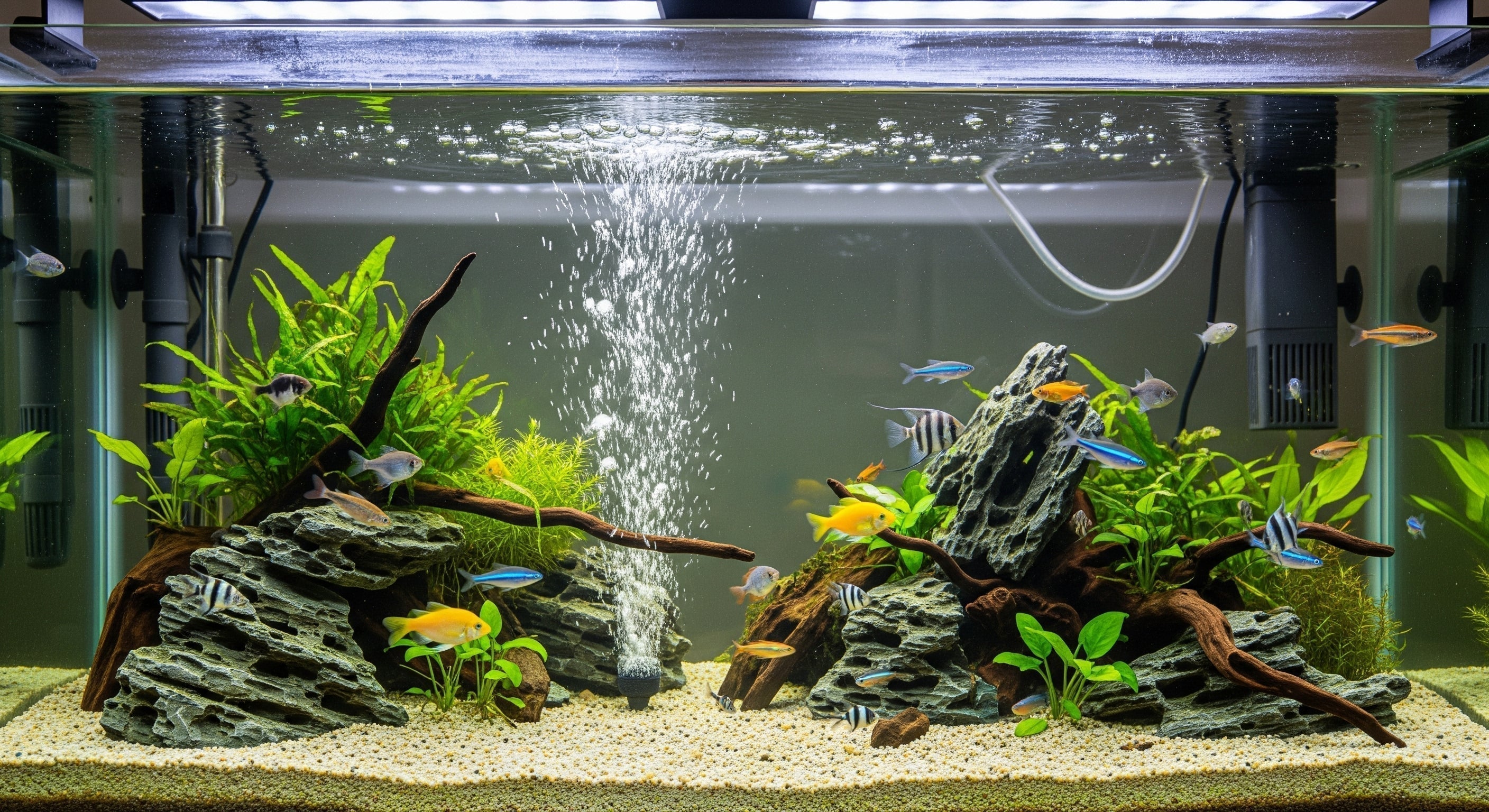
Credit: www.pond-planet.co.uk
Types Of Water Treatment
Aquarium water treatment is key for keeping ornamental fish healthy. Clean water helps fish live longer and stay active.
There are three main types of water treatment. Each type removes different impurities from the water.
Mechanical Filtration
Mechanical filtration removes solid waste from aquarium water. It traps dirt, uneaten food, and fish waste.
Filters use sponges, pads, or floss to catch these particles. This keeps the water clear and clean.
- Prevents water cloudiness
- Protects fish from harmful debris
- Improves the look of the tank
Biological Filtration
Biological filtration uses good bacteria to break down fish waste. These bacteria live on filter surfaces and tank decorations.
The bacteria change harmful ammonia into less toxic substances. This helps keep water safe for fish.
- Removes ammonia and nitrites
- Supports a healthy aquarium environment
- Works continuously without replacement
Chemical Filtration
Chemical filtration uses materials to remove dissolved wastes and odors. Activated carbon is a common chemical filter.
This filter type cleans the water of toxins and discoloration. It keeps the tank water fresh and clear.
- Removes harmful chemicals
- Eliminates bad smells
- Improves water clarity
Water Conditioning Products
Keeping aquarium water safe is key for ornamental fish health. Water conditioning products help remove harmful chemicals and balance water quality.
These products prepare tap water and create a stable environment for fish to thrive. They include dechlorinators, beneficial bacteria, and pH adjusters.
Dechlorinators And Chloramine Removers
Tap water often contains chlorine and chloramine. These chemicals harm fish and need to be neutralized before adding water to the tank. Dechlorinators make water safe by removing these substances quickly.
- Neutralize chlorine instantly
- Break down chloramine safely
- Remove harmful heavy metals
- Protect fish gills and skin
- Prepare water for sensitive species
Beneficial Bacteria Supplements
Beneficial bacteria are vital for breaking down fish waste. These supplements add good bacteria to the aquarium. They speed up the nitrogen cycle and keep water clean.
| Benefit | Effect |
| Ammonia breakdown | Reduces fish stress |
| Nitrite conversion | Prevents toxic buildup |
| Tank cycling support | Helps new aquariums start |
| Improves water clarity | Better fish visibility |
Ph Adjusters
The pH level affects fish health and comfort. pH adjusters raise or lower pH to fit the needs of specific fish species. They keep water stable and reduce stress.
Common pH adjusters include:
- pH increasers to raise acidity
- pH reducers to lower alkalinity
- Buffers to maintain steady pH
Water Change Practices
Water changes are important for keeping fish healthy. They remove waste and toxins from the aquarium. Regular water changes help maintain water quality and balance.
Two types of water changes can be done: partial and full. Both have their benefits and uses. Understanding these helps make the best choice for your fish tank.
Partial Vs Full Water Changes
Partial water changes involve removing a portion of the water. This is usually 10-25%. It helps reduce harmful substances without stressing fish.
Full water changes mean replacing all the water in the tank. This is not common for regular maintenance. It can be done for cleaning or solving serious problems.
- Partial changes are less disruptive
- Full changes may disturb tank balance
- Frequent partial changes are recommended
Water Preparation And Temperature Matching
Preparing water before adding it to the tank is crucial. Tap water contains chlorine and other chemicals. These must be removed to protect fish health.
Temperature matching is also important. Sudden changes can shock fish. Always adjust new water to match the tank’s temperature.
- Use a dechlorinator for tap water
- Let water sit to reach room temperature
- Use a heater or cooler for precise adjustments
Preventing Common Water Problems
Keeping water clean is crucial for healthy fish tanks. Many common problems can be avoided with simple steps. This guide will help you maintain optimal water conditions.
Learn how to control algae, manage hard water, and avoid overfeeding to keep your aquarium thriving.
Algae Control
Algae can quickly become a nuisance in aquariums. They make the tank look dirty and can harm fish health. Controlling algae growth is essential.
- Limit light exposure to 8–10 hours a day.
- Use algae-eating fish or snails.
- Regularly clean the tank and decorations.
Managing Hard Water Issues
Hard water can cause stress for fish, making them sick. It is important to manage water hardness for a balanced environment.
| Solution | Effectiveness |
| Use a water softener pillow | High |
| Add peat moss to the filter | Medium |
| Mix in distilled water | Low |
Avoiding Overfeeding
Overfeeding is a common mistake that leads to water pollution. It also harms fish health and increases algae growth. Feed your fish just enough to prevent these issues.

Credit: www.amazon.com
Special Considerations For Different Fish Types
Taking care of ornamental fish means knowing their water needs. Different fish types need different water treatments.
Water quality affects fish health. Treating water right helps fish live longer and stay healthy.
Tropical Vs Coldwater Fish
Tropical fish need warm water, usually between 75°F and 80°F. Coldwater fish live best in cooler water, around 65°F to 72°F.
Temperature affects oxygen levels and fish metabolism. Use heaters for tropical fish and avoid warming coldwater tanks.
- Tropical fish need stable warm temperatures.
- Coldwater fish prefer cooler, stable temperatures.
- Check water temperature daily for both types.
- Use water conditioners suitable for each fish type.
Saltwater And Freshwater Tank Differences
Saltwater tanks need salt added to the water. Freshwater tanks do not need salt but need other treatments to keep water clean.
Saltwater fish are sensitive to changes in salinity. Freshwater fish need balanced pH and low ammonia levels.
| Water Type | Key Treatment Needs |
|---|---|
| Saltwater | Maintain salinity, stable pH, use marine salt mix |
| Freshwater | Control pH, remove ammonia, regular water changes |
Maintaining Long-term Water Stability
Keeping water stable is very important for ornamental fish tanks. Stable water helps fish stay healthy and happy.
Good water quality needs constant care and attention. This keeps the tank safe for fish over time.
Regular Maintenance Routines
Daily and weekly checks keep water clean and balanced. Remove debris and test water often to spot problems early.
Change part of the water regularly to keep chemicals at safe levels. Clean filters and remove waste to avoid buildup.
- Check water temperature and pH levels
- Remove leftover food and debris
- Replace 10-20% of water weekly
- Clean or replace filter media monthly
- Test ammonia, nitrite, and nitrate levels
Monitoring Equipment Performance
Equipment like heaters, filters, and pumps keep water stable. Make sure they work well all the time.
Check equipment daily for noise or failure. Fix or replace broken parts quickly to avoid water problems.
- Inspect heaters for correct temperature
- Clean filter parts to keep flow steady
- Listen for unusual pump sounds
- Check aeration devices for bubbles
- Replace worn parts as needed
Frequently Asked Questions
What Is The Best Water Treatment For Ornamental Fish Tanks?
The best water treatment includes using dechlorinators, beneficial bacteria, and regular water changes. These keep water safe and balanced for fish health.
How Often Should Aquarium Water Be Treated?
Treat aquarium water during every water change, usually weekly or biweekly. This maintains water quality and prevents harmful chemical buildup.
Why Is Dechlorination Important In Fish Tanks?
Dechlorination removes harmful chlorine and chloramine from tap water. These chemicals can stress or kill ornamental fish if not treated.
Can Water Conditioners Improve Fish Health?
Yes, water conditioners neutralize toxins and add essential minerals. They create a safer, healthier environment for ornamental fish to thrive.
Conclusion
Keeping aquarium water clean ensures healthy, happy fish. Regular water treatment removes toxins and balances chemicals. Test water often to catch problems early. Use safe products made for ornamental fish tanks. Clear water helps fish breathe and grow well. Clean tanks also prevent diseases and algae buildup.
Healthy fish make your tank beautiful and lively. Simple steps keep your aquarium safe and fun. Take care of water, and your fish will thrive.