
If you keep an aquarium, you know how important clean and safe water is for your fish. But did you know that nitrite buildup can be one of the biggest hidden dangers in your tank?
Even small amounts can harm your fish and disrupt the balance of your aquatic environment. This article will show you simple and effective ways to treat your aquarium water for nitrite neutralization. By learning these easy steps, you can protect your fish and enjoy a healthy, vibrant tank.
Keep reading to discover how to keep your water safe and your fish happy.
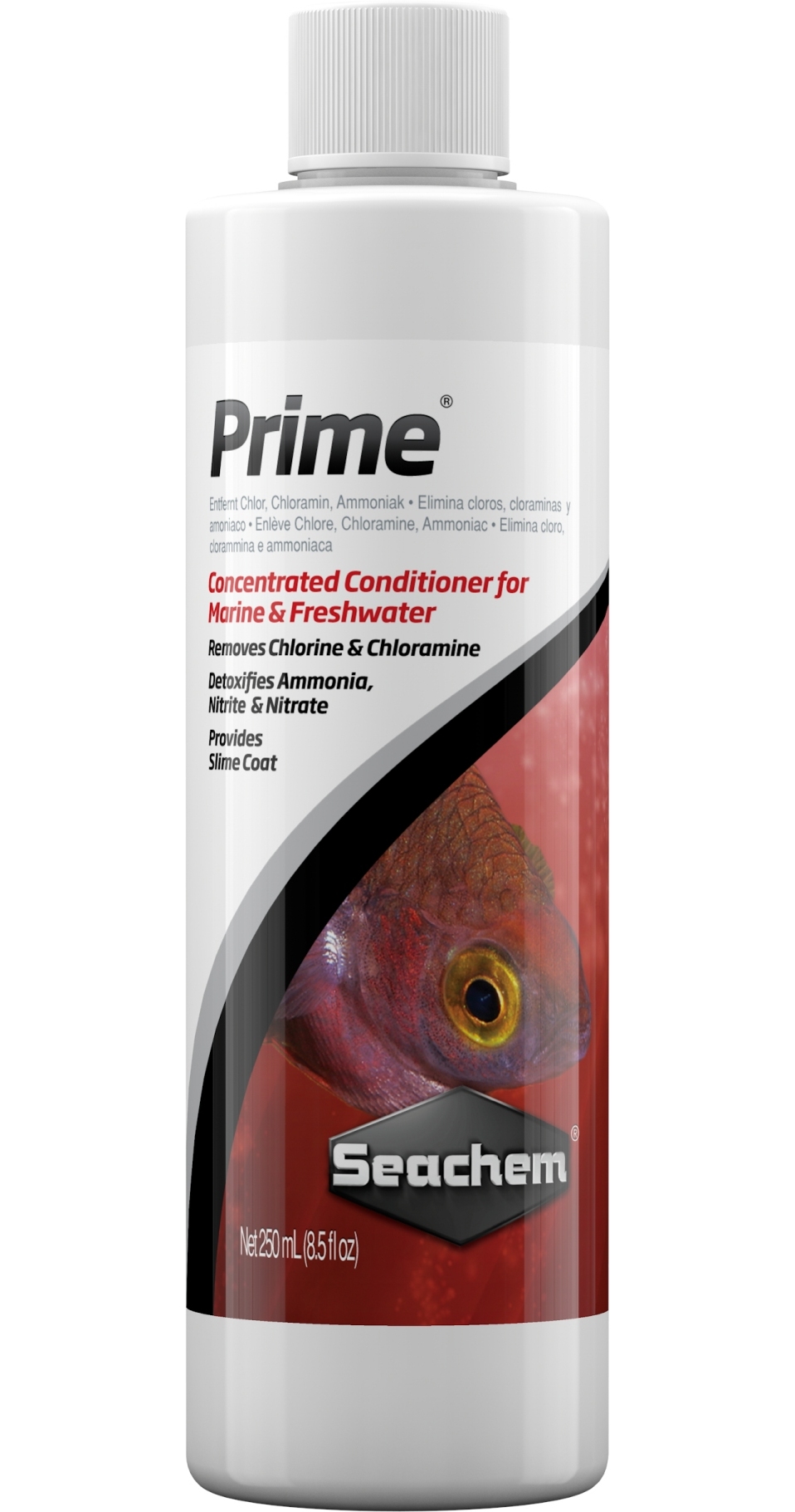
Credit: www.aquaristikshop.com
Sources Of Nitrite In Aquariums
Nitrite is a harmful chemical that can build up in aquarium water. It is important to know where nitrite comes from. This helps keep fish safe and healthy.
Understanding nitrite sources helps you treat the water properly. It also stops nitrite from reaching dangerous levels.
Nitrite Formation Process
Nitrite forms through a natural process in aquariums. It starts when fish produce waste and uneaten food breaks down.
Bacteria in the tank change harmful ammonia into nitrite. This is called nitrification. Then other bacteria convert nitrite into nitrate, which is less harmful.
- Fish waste and decaying food release ammonia
- Ammonia turns into nitrite by bacteria
- Nitrite changes into nitrate by different bacteria
Common Causes Of Elevated Nitrite
Nitrite levels can rise for many reasons. High nitrite is dangerous and needs quick action.
Some common causes include new tanks, overfeeding, and poor filtration. These problems stop bacteria from working well.
- New aquariums without enough bacteria
- Too much fish waste from overfeeding
- Dirty filters or lack of filtration
- Dead plants or animals decaying in water
- Sudden changes in water chemistry

Credit: www.amazon.com
Effects Of Nitrite On Fish Health
Nitrite is a harmful chemical in aquarium water. It can build up if the tank is not cleaned well.
High nitrite levels affect fish health and can cause serious problems. It is important to understand these effects.
Symptoms Of Nitrite Poisoning
Fish with nitrite poisoning show clear signs. Early detection helps prevent death.
Common symptoms include difficulty breathing and pale gills. Fish may also swim erratically or stay near the water surface.
- Gasping for air at the water surface
- Pale or brownish gills
- Weakness and lethargy
- Loss of appetite
- Erratic swimming or hiding
Long-term Impact On Aquatic Life
Long exposure to nitrite harms fish and other aquatic animals. It weakens their immune systems.
Fish may grow slower and become more prone to diseases. Nitrite also affects reproduction and lifespan.
- Lower resistance to infections
- Slower growth rates
- Reduced breeding success
- Shortened life expectancy
- Damage to internal organs
Testing And Monitoring Nitrite Levels
Nitrite is a harmful chemical that can build up in aquarium water. It is important to keep nitrite levels low to protect fish health. Testing and monitoring nitrite helps catch problems early.
Regular checks ensure that water treatment is working. This keeps the tank safe for all aquatic life. You need the right tools and a good schedule for testing.
Choosing The Right Test Kits
Select a test kit that is easy to use and accurate. Some kits use strips, while others need liquid reagents. Both types can measure nitrite levels clearly.
Look for kits that show results quickly. Kits with clear color charts help you read levels without mistakes. Avoid kits that need complex steps or long wait times.
- Test strips: quick and simple
- Liquid reagent kits: often more precise
- Digital testers: easy to read results
- Check expiration dates before use
Frequency Of Testing
Test nitrite levels often during new tank setups. This helps track changes as the tank cycles. Daily testing is best in early stages.
Once the tank is stable, test nitrite weekly. Increase testing after adding new fish or plants. Frequent checks catch spikes that harm fish.
- Daily testing during tank cycling
- Weekly testing for established tanks
- Extra tests after water changes or additions
Biological Filtration Methods
Biological filtration is key to keeping aquarium water safe. It helps control harmful nitrites.
This method uses natural bacteria to clean the water. It creates a healthy environment for fish.
Role Of Nitrifying Bacteria
Nitrifying bacteria break down toxic nitrites into less harmful nitrates. This process is called nitrification.
Two main types of bacteria do this job. Nitrosomonas convert ammonia to nitrites. Nitrobacter change nitrites to nitrates.
- Nitrosomonas bacteria consume ammonia.
- Nitrobacter bacteria consume nitrites.
- Both keep water safe for fish.
Establishing A Healthy Biofilter
A biofilter is where beneficial bacteria grow and live. It helps clean aquarium water continuously.
To build a strong biofilter, add filter media with a large surface area. This gives bacteria more space to grow.
- Start cycling the tank before adding many fish.
- Keep water temperature steady for bacteria growth.
- Avoid cleaning filter media with chlorinated water.
- Test water regularly for nitrite levels.
Chemical Treatments For Nitrite
Nitrite is harmful to aquarium fish. It can build up in water and cause stress or illness. Chemical treatments help reduce nitrite levels quickly.
Using the right chemicals keeps fish safe while improving water quality. Always follow instructions closely for best results.
Use Of Nitrite Neutralizers
Nitrite neutralizers work by changing nitrite into a less harmful form. They protect fish by stopping nitrite from blocking oxygen in their blood.
- Neutralizers often contain chemicals like sodium thiosulfate or chlorine removers.
- They act fast to reduce nitrite levels in aquarium water.
- Use them during new tank setups or after water changes.
- They do not replace regular water maintenance and testing.
Safe Dosage And Application
Using the correct dose of nitrite neutralizer is critical. Too much can harm fish, while too little will not work well.
| Dosage per 10 Gallons | Application Method | Frequency |
|---|---|---|
| 5 ml | Pour directly into aquarium water | Once daily until nitrite is safe |
| 10 ml | Mix with tank water before adding | Use only for severe nitrite spikes |
| Do not exceed 20 ml | Avoid overdosing to protect fish | Follow product instructions strictly |
Water Changes And Maintenance
Maintaining healthy water conditions is key for aquariums. Regular water changes help control nitrite levels.
Proper maintenance ensures a safe environment for fish and plants. Let’s explore effective practices.
Effective Water Change Practices
Frequent water changes are essential. They dilute nitrites and other toxins in the aquarium.
- Change 10-15% of the water weekly.
- Use a siphon to remove debris from the gravel.
- Ensure the new water matches the tank’s temperature.
Cleaning Techniques To Reduce Nitrite
Cleaning the tank and its components helps minimize nitrite buildup. Proper cleaning techniques are crucial.
| Component | Cleaning Frequency |
| Filter | Every two weeks |
| Gravel | Monthly |
| Glass | Weekly |
Preventing Nitrite Spikes
Nitrite is harmful to fish in aquariums. It’s important to keep its levels low. Preventing nitrite spikes helps maintain a healthy environment for aquatic life.
Understanding the causes of nitrite spikes is key. Proper feeding and stocking practices can help control nitrite levels. Let’s explore these strategies.
Feeding Strategies
Overfeeding is a common mistake. It can lead to nitrite buildup. Feed your fish small amounts they can eat in two minutes.
Uneaten food decays and increases nitrite. Remove excess food after feeding. This simple habit keeps water cleaner.
- Feed once or twice daily
- Adjust feeding based on fish size
- Use high-quality fish food
Stocking Density Considerations
Too many fish in one tank increases nitrite levels. Each fish produces waste, contributing to nitrite spikes. Keep a balanced number of fish.
Calculate the tank capacity before adding fish. Overcrowding stresses fish and worsens water quality. Choose species that suit your tank size.
- Research fish size and tank requirements
- Leave space for fish to grow
- Monitor water conditions regularly
Natural Solutions And Additives
Nitrite is harmful to fish and must be controlled in aquariums. Natural ways and additives help keep nitrite levels safe.
Using plants and special additives can reduce nitrite without chemicals. These solutions support a healthy tank environment.
Plants That Absorb Nitrite
Some plants take nitrite from water as food. They lower harmful nitrite naturally in the aquarium.
Fast-growing plants are best for nitrite absorption. They use nitrogen compounds to grow healthy and strong.
- Hornwort (Ceratophyllum demersum)
- Water Wisteria (Hygrophila difformis)
- Anacharis (Elodea canadensis)
- Duckweed (Lemna minor)
- Java Moss (Taxiphyllum barbieri)
Beneficial Additives
Special additives can neutralize nitrite quickly. They make the water safer for fish and plants.
These additives often contain bacteria or chemicals that turn nitrite into less harmful substances.
- Nitrite detoxifiers that convert nitrite to nitrate
- Beneficial bacteria supplements to boost nitrification
- Zeolite crystals that absorb nitrite
- Activated carbon to improve water clarity and quality

Credit: www.amazon.com
Frequently Asked Questions
What Is Nitrite And Why Is It Harmful In Aquariums?
Nitrite is a toxic compound formed during fish waste breakdown. It affects oxygen transport in fish, causing stress and health issues. High nitrite levels can lead to fish death. Regular water testing and treatment keep nitrite levels safe for aquatic life.
How Can I Neutralize Nitrite In Aquarium Water?
Use commercial nitrite neutralizers or water conditioners designed for aquariums. These products detoxify nitrite quickly and protect fish. Regular partial water changes also reduce nitrite concentration. Maintaining a healthy biofilter helps convert nitrite into less harmful nitrate.
What Causes Nitrite Spikes In Aquarium Tanks?
Nitrite spikes occur due to insufficient beneficial bacteria in new tanks or after cleaning biofilters. Overfeeding and overcrowding increase waste, raising nitrite levels. Poor water circulation and delayed maintenance also contribute. Monitoring water quality prevents dangerous nitrite buildup.
How Often Should I Test Aquarium Water For Nitrite?
Test aquarium water for nitrite at least once a week, especially in new setups. Frequent testing helps detect spikes early and prevents fish harm. Use reliable test kits for accurate results. More frequent checks are needed during tank cycling or after maintenance.
Conclusion
Keeping nitrite levels low protects your fish from harm. Regular water tests help you spot problems early. Use safe treatments to neutralize nitrites quickly. Clean tanks and good filters support healthy water. Remember, healthy water means happy fish. Stay consistent with care to avoid nitrite buildup.
Small efforts lead to big results in your aquarium. Safe water keeps your fish lively and strong. Trust the process and enjoy a beautiful tank.