
If you care about your aquarium, you know how important clean water is for your fish’s health. But did you know that even clear water can hide a dangerous problem called nitrate buildup?
High nitrate levels can stress your fish, cause algae blooms, and ruin the beauty of your tank. The good news is, you don’t have to let this happen. You’ll discover simple and effective ways to control nitrate in your aquarium water.
Keep reading to learn how to protect your underwater world and keep your fish thriving.

Credit: www.amazon.com
Causes Of Nitrate Buildup
Nitrate buildup is a common problem in aquariums. It can harm fish and plants if not controlled.
Understanding what causes nitrate buildup helps keep your aquarium healthy and clear.
Sources Of Nitrate In Aquariums
Nitrates come from many sources inside an aquarium. Fish waste and leftover food break down and release nitrate.
- Fish excrete ammonia, which turns into nitrate
- Decaying plants add organic matter
- Uneaten food decomposes in the tank
- Tap water sometimes contains nitrates
Impact Of Overfeeding And Waste
Feeding too much food causes leftover waste. This waste breaks down and raises nitrate levels quickly.
| Cause | Effect on Nitrate |
| Overfeeding | More leftover food decays |
| Excess fish waste | More ammonia to convert |
| Poor tank cleaning | Waste accumulates and raises nitrates |
Role Of Biological Filtration
Biological filters use bacteria to break down ammonia into nitrate. This process is called nitrification.
The bacteria help control ammonia but nitrate still builds up. Regular water changes are needed to lower nitrate.
Effects Of High Nitrate Levels
High nitrate levels in aquariums can cause problems for fish and plants. It is important to keep nitrate levels low for a healthy tank.
Nitrates come from fish waste and leftover food. If not controlled, they can harm the aquarium environment over time.
Health Risks To Fish And Plants
High nitrates can stress fish and damage their gills. Fish may become weak and more likely to get sick.
Plants also suffer when nitrate levels rise. Some plants may stop growing or even die from too much nitrate.
- Fish show signs of stress and illness
- Weakened immune systems in fish
- Plants slow growth or die
Algae Growth And Water Quality
Excess nitrate feeds algae in the aquarium. This causes algae to grow quickly and cover glass and decorations.
Too much algae makes water cloudy and lowers oxygen levels. This reduces water quality and harms fish health.
- Rapid algae growth covers tank surfaces
- Cloudy water reduces light for plants
- Lower oxygen harms fish and plants
Long-term Tank Stability Issues
High nitrate levels cause long-term problems for tank balance. Beneficial bacteria may struggle to keep water clean.
Unstable water conditions lead to frequent fish illness and plant loss. The tank environment becomes hard to maintain.
- Disrupted beneficial bacteria activity
- Frequent fish diseases and deaths
- Difficulty maintaining clear, healthy water
Regular Water Changes
Regular water changes help keep nitrate levels low in aquariums. Nitrates come from fish waste and leftover food.
Changing water removes nitrates and keeps fish healthy. This simple step improves water quality.
Frequency And Volume Recommendations
Change water often to stop nitrate buildup. Frequency depends on tank size and fish number.
Small tanks need water changes once a week. Larger tanks may change water every two weeks.
- Change 10-20% of water weekly for small tanks
- Change 20-30% every two weeks for larger tanks
- Adjust volume if nitrate levels rise quickly
Best Practices For Water Replacement
Remove water carefully to avoid stressing fish. Use a siphon or gravel vacuum for cleaning.
Replace water slowly to keep temperature steady. Sudden changes can harm fish and plants.
- Turn off filters during water change
- Use water close to tank temperature
- Clean gravel while removing water
- Refill tank gently to avoid disturbance
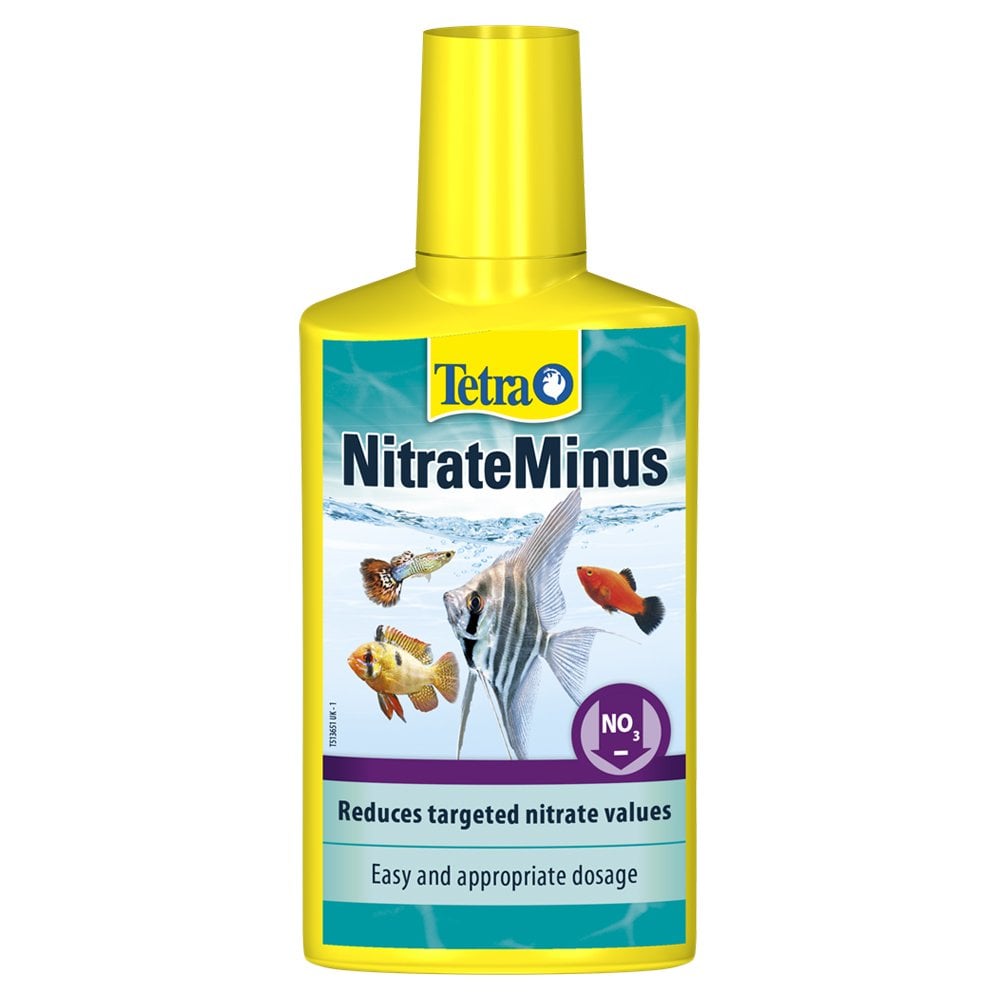
Using Conditioners And Dechlorinators
Treated tap water contains chlorine and chloramine. These chemicals harm fish and must be removed.
Use water conditioners or dechlorinators before adding water. These products make water safe quickly.
- Always add conditioner to new water
- Follow product instructions for dosage
- Conditioners remove chlorine and chloramine
- Some conditioners detoxify heavy metals
Credit: www.pond-planet.co.uk
Biological Filtration Techniques
Biological filtration is essential for controlling nitrate in aquariums. It uses natural bacteria to keep water safe for fish. These bacteria break down harmful waste into less dangerous substances.
Using biological filters helps maintain a healthy environment. This method supports the natural cycle inside the tank and reduces the need for water changes.
Beneficial Bacteria And Nitrate Conversion
Beneficial bacteria live in the filter media. They convert toxic ammonia into nitrite and then into nitrate. This process is called the nitrogen cycle. Nitrate is less harmful but must be controlled to protect fish health.
Types Of Biofilters For Nitrate Control
There are several types of biofilters used to control nitrate. Each type supports beneficial bacteria but works differently depending on the aquarium setup.
- Wet/Dry Biofilters: Expose water to air and bacteria, improving oxygen flow.
- Canister Biofilters: Use a closed container with filter media housing bacteria.
- Sponge Filters: Provide surface area for bacteria and gentle water flow.
- Fluidized Bed Filters: Use sand or small particles that stay suspended to grow bacteria.
Maintaining And Cleaning Biofilters
| Maintenance Task | Frequency | Purpose |
| Rinse Filter Media | Monthly | Remove debris without killing bacteria |
| Replace Media | Every 6-12 months | Maintain filter efficiency |
| Check Water Flow | Weekly | Ensure proper filtration |
| Monitor Nitrate Levels | Weekly | Adjust filtration as needed |
Chemical Filtration Options
Chemical filtration helps keep aquarium water clean by removing harmful substances. It plays a key role in controlling nitrate levels in the water.
Choosing the right chemical media can improve water quality and support fish health. This guide explains popular options and their uses.
Using Nitrate-absorbing Resins
Nitrate-absorbing resins are special materials that remove nitrates from aquarium water. They work by trapping nitrate molecules as water passes through them.
These resins help reduce nitrate buildup between water changes. They are easy to use and fit inside filter media bags or cartridges.
Activated Carbon And Other Media
Activated carbon removes impurities like odors, discoloration, and chemicals from water. It also helps clear toxins that harm fish.
- Activated carbon absorbs organic waste and chemicals.
- Zeolite can remove ammonia but not nitrates directly.
- Phosphate removers help control algae growth.
- Other media target specific water issues.
Pros And Cons Of Chemical Filtration
| Advantage | Disadvantage |
| Removes harmful chemicals quickly | Needs regular replacement |
| Improves water clarity | Can remove beneficial elements |
| Easy to add to most filters | Costs can add up over time |
| Helps control nitrates and toxins | Effectiveness varies by media type |
Live Plants For Nitrate Reduction
Live plants can significantly help in controlling nitrate levels in aquariums. They absorb nitrate as part of their growth process, improving water quality naturally.
Choosing the right plants and maintaining them well can lead to a healthier aquarium environment. Let’s explore some effective strategies.
Fast-growing Plants That Absorb Nitrate
Fast-growing plants are excellent at absorbing excess nitrates. These plants grow quickly and require more nutrients, including nitrates, from the water.
- Hornwort
- Water Wisteria
- Anacharis
- Duckweed
Plant Care To Maximize Nitrate Uptake
Caring for your plants ensures they remain healthy and effective in nitrate absorption. Regular maintenance boosts their growth and nutrient uptake.
- Prune plants regularly to encourage new growth.
- Ensure proper lighting to support photosynthesis.
- Use fertilizers sparingly to avoid overloading nutrients.
Aquascaping Tips For Water Quality
Aquascaping not only enhances the visual appeal but also supports plant health. Good design can improve water flow and plant access to nutrients.
| Tip | Benefit |
| Layer substrate with different textures | Improves root growth |
| Position plants with varying heights | Maximizes light exposure |
| Include hardscape elements like rocks | Provides structure for plants |
Specialized Nitrate Removal Systems
Maintaining low nitrate levels in aquariums is crucial for fish health. Specialized systems help control these levels effectively.
These systems use advanced methods to remove nitrates from water. This ensures a balanced aquatic environment.
Denitrators And Their Function
Denitrators are tools that help reduce nitrate levels. They create conditions for bacteria to convert nitrates into nitrogen gas.
- They work without chemicals.
- Ideal for large aquariums.
- Require regular maintenance.
Using Refugiums With Algae
Refugiums are separate tanks connected to the main aquarium. They use algae to absorb nitrates naturally.
Refugiums provide a safe space for algae growth, which consumes nitrates and other nutrients, cleaning the water.
Advanced Filtration Technologies
Advanced filters use different methods to reduce nitrates. They may combine mechanical, chemical, and biological filtration.
| Filter Type | Function |
| Mechanical | Removes debris |
| Chemical | Absorbs impurities |
| Biological | Breaks down waste |
Feeding And Maintenance Tips
Keeping nitrate levels low is important for a healthy aquarium. Feeding and regular tank care help control nitrates. Follow simple tips to maintain clean water.
Proper feeding and maintenance reduce nitrate buildup. This helps fish stay healthy and active. Use these easy steps to manage your aquarium better.
Controlling Food Input
Feed your fish only what they can eat in a few minutes. Overfeeding causes leftover food to decay and raise nitrates.
Use high-quality food and give smaller meals more often. Remove any uneaten food after feeding to keep the water clean.
- Feed small amounts two to three times daily
- Choose fish food that suits your fish species
- Remove leftover food within five minutes
- Avoid overfeeding to prevent nitrate spikes
Regular Tank Cleaning Routines
Clean your aquarium regularly to remove waste and debris. This helps keep nitrate levels low and water clear.
Change 10-20% of the water weekly to remove dissolved nitrates. Clean the substrate and decorations gently to avoid harming beneficial bacteria.
- Perform partial water changes weekly
- Vacuum the gravel to remove waste
- Clean algae from glass and decorations
- Check filters and clean them regularly
Monitoring Water Parameters Effectively
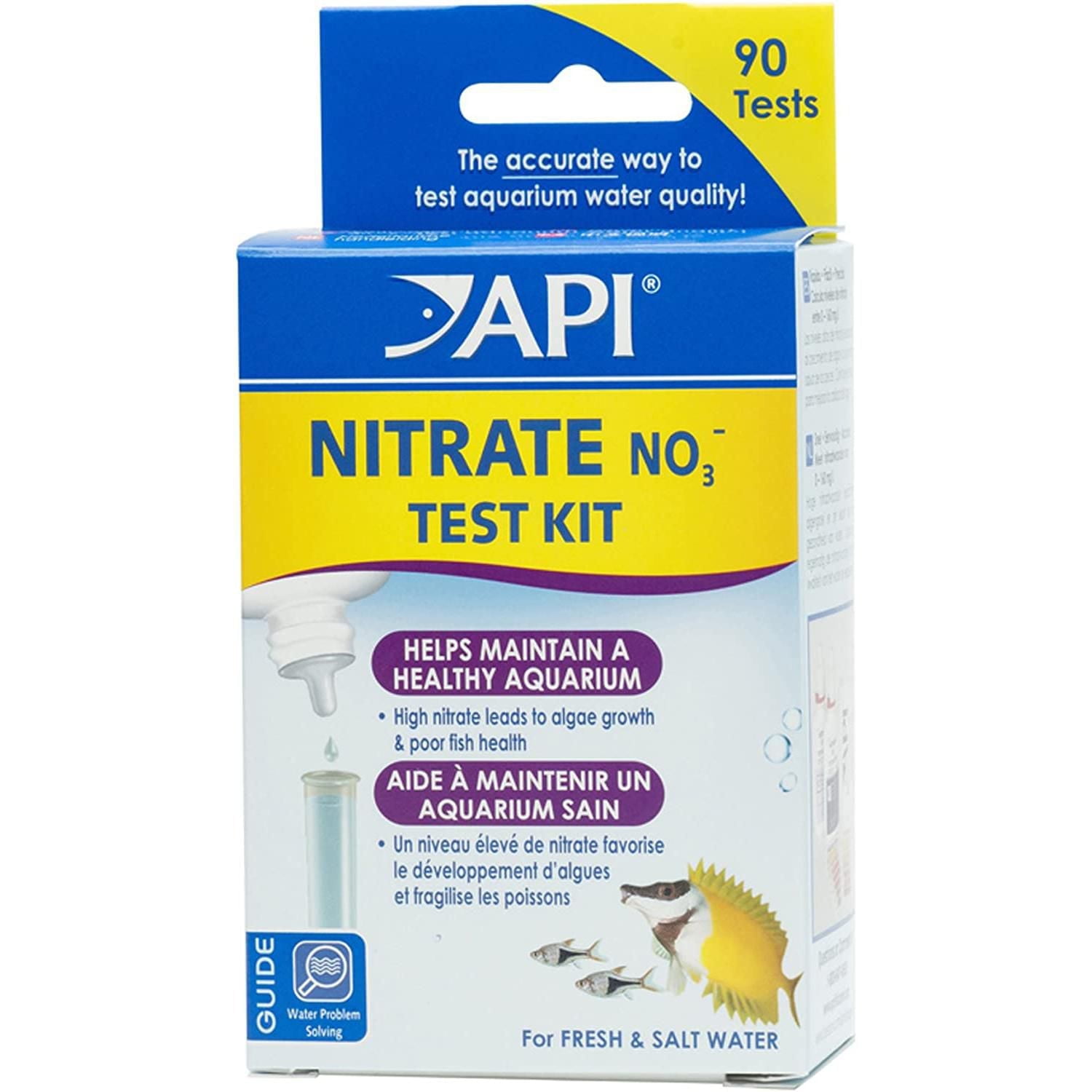
Test nitrate levels often using aquarium test kits. Keep nitrate below 40 mg/L for most fish species.
Record water test results to track changes. Adjust feeding and cleaning if nitrate rises. This keeps your fish safe and happy.
- Use reliable nitrate test kits weekly
- Keep nitrate levels under 40 mg/L
- Note test results for future reference
- Change care routines if nitrate increases
Credit: www.walmart.ca
Frequently Asked Questions
What Is The Best Method For Nitrate Control In Aquariums?
Regular water changes combined with live plants effectively reduce nitrate levels. Using biological filtration and nitrate-absorbing media also helps maintain safe nitrate concentrations.
How Often Should I Test Nitrate Levels In My Aquarium?
Test nitrate levels weekly to monitor water quality. Frequent testing helps prevent harmful nitrate buildup and ensures a healthy environment for fish.
Can Live Plants Help Reduce Nitrates In Aquarium Water?
Yes, live plants absorb nitrates as nutrients, lowering their concentration. They improve water quality naturally and support a balanced aquatic ecosystem.
What Are Safe Nitrate Levels For Freshwater Aquariums?
Nitrate levels below 20 ppm are safe for most freshwater tanks. Higher levels can stress fish and promote algae growth, so regular monitoring is essential.
Conclusion
Controlling nitrate levels keeps your aquarium fish healthy and happy. Regular water changes help reduce nitrate buildup effectively. Using live plants can also absorb excess nitrates naturally. Testing water often shows when treatment is needed. Avoid overfeeding to prevent nitrate increases.
Clean filters support better water quality. Small efforts make a big difference in aquarium care. Keep your tank safe with simple nitrate control steps. Enjoy a clear, vibrant tank with healthy fish every day.