
If you want your juvenile fish to grow healthy and strong, the quality of their water is one of the most important things you need to focus on. You might not realize it, but the right aquarium water treatment can make a huge difference in how quickly and well your young fish develop.
Imagine watching your fish thrive, full of energy and vibrant colors, thanks to simple steps you take in caring for their water. You’ll discover easy and effective ways to treat your aquarium water that will boost your juvenile fish’s growth and keep your tank a safe, healthy environment.
Keep reading to learn how you can give your fish the best start in life.
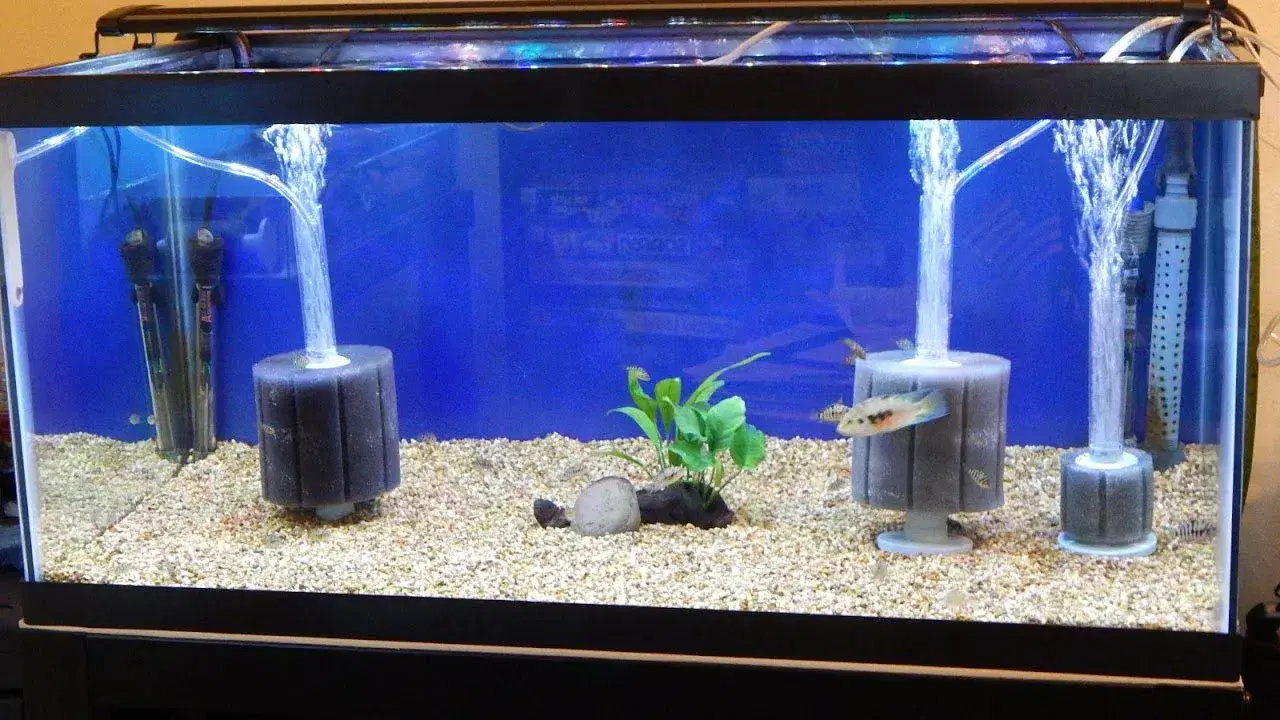
Credit: aquadecorbackgrounds.com
Water Quality Parameters
Good water quality is key for juvenile fish to grow healthy. Careful monitoring helps avoid stress and disease.
Knowing which water parameters to watch keeps the aquarium safe and supports strong fish development.
Optimal Temperature Range
Juvenile fish need water temperature in a specific range. Too cold or too hot water slows growth and weakens fish.
- Keep temperature between 24°C and 28°C (75°F to 82°F)
- Use a reliable aquarium heater and thermometer
- Avoid sudden temperature changes to reduce fish stress
- Check temperature daily to maintain stability
Maintaining Ph Balance
pH level affects fish health and water chemistry. Juvenile fish grow best in stable pH conditions.
| pH Level | Effect on Juvenile Fish |
| 6.5 – 7.5 | Ideal range for most species |
| Below 6.5 | Can cause stress and health issues |
| Above 7.5 | May affect nutrient absorption |
Ammonia, Nitrite, And Nitrate Levels
Toxic compounds like ammonia, nitrite, and nitrate harm juvenile fish. Regular testing is essential to keep levels safe.
Safe concentration levels for juvenile fish:
- Ammonia: 0 ppm (parts per million)
- Nitrite: 0 ppm
- Nitrate: Below 20 ppm
Use a good filtration system and perform frequent water changes.

Credit: store.drtimsaquatics.com
Filtration Systems
Good water quality is key for juvenile fish growth. Filtration systems keep the water clean and safe.
Filtration removes waste, toxins, and harmful substances. It helps young fish stay healthy and grow well.
Mechanical Filtration
Mechanical filtration removes solid waste from the water. It traps particles like uneaten food and fish waste.
Filters use sponges, pads, or floss to catch debris. This keeps the water clear and reduces harmful buildup.
- Removes visible dirt and particles
- Improves water clarity
- Prevents clogging of other filter parts
Biological Filtration
Biological filtration uses good bacteria to break down waste. These bacteria turn toxic ammonia into less harmful substances.
Bacteria grow on filter media like bio balls or ceramic rings. They keep the water safe for young fish to grow strong.
- Converts ammonia to nitrite and then nitrate
- Keeps toxic chemicals low
- Supports a healthy tank environment
Chemical Filtration
Chemical filtration removes dissolved substances from water. It uses materials like activated carbon to absorb toxins.
This type of filtration helps clear water and control odors. It also removes harmful chemicals that can slow fish growth.
- Absorbs impurities and odors
- Removes chlorine and heavy metals
- Improves water quality for fish health
Water Change Practices
Maintaining clean water is key for juvenile fish growth. Regular water changes keep the environment safe and healthy. Proper techniques help avoid stress and illness in young fish.
Water changes remove waste and toxins that build up over time. They also add fresh oxygen and nutrients. Understanding the right methods helps keep juvenile fish thriving.
Frequency And Volume
Changing water often supports stable water conditions. The right volume depends on tank size and fish load. Smaller tanks with many fish need more frequent changes.
- Change 10-20% of the water weekly for tanks under 30 gallons.
- For larger tanks, change 20-30% every two weeks.
- Increase frequency if water tests show high ammonia or nitrates.
- Adjust volume based on fish growth and tank filtration.
Using Conditioners And Dechlorinators
Treated tap water often contains chlorine or chloramine. These chemicals harm juvenile fish. Use conditioners to remove toxins before adding new water.
| Water Treatment | Purpose | Common Products |
|---|---|---|
| Dechlorination | Remove chlorine and chloramine | Liquid dechlorinators, drops |
| Detoxifiers | Neutralize heavy metals and ammonia | Water conditioners with detox agents |
| pH Stabilizers | Keep pH levels safe and steady | Buffer solutions |
Monitoring After Changes
Check water parameters after every change. Watch for signs of stress or illness in fish. Testing helps catch problems early.
- Test temperature, pH, ammonia, nitrite, and nitrate levels.
- Observe fish behavior for unusual swimming or hiding.
- Adjust water change schedule based on test results.
- Keep notes to track water quality trends.
Aeration And Oxygenation
Aeration and oxygenation are key for healthy juvenile fish growth. They keep water rich in oxygen and remove harmful gases.
Good oxygen levels help young fish breathe well and develop strong bodies. This guide explains why and how to use aeration devices.
Importance For Juvenile Fish
Juvenile fish need high oxygen levels for fast growth and good health. Low oxygen can stress them and cause disease.
- Oxygen supports metabolism and energy use
- It helps fish resist infections
- Good oxygen levels reduce waste buildup
- It prevents suffocation in crowded tanks
Types Of Aeration Devices
There are several devices to add oxygen to aquarium water. Each has its own benefits and uses.
| Device | Description | Best Use |
| Air Stones | Small porous stones that release air bubbles | Small to medium tanks |
| Diffusers | Fine bubble generators for efficient oxygen transfer | Large tanks and ponds |
| Water Pumps | Circulate water to increase surface oxygen exchange | Any size tank needing water movement |
| Surface Agitators | Devices that stir the water surface to add oxygen | Shallow tanks with low flow |
Placement For Maximum Effect
Correct device placement ensures oxygen spreads well in the tank. It also stops dead zones where oxygen is low.
- Place aeration devices near water flow paths
- Keep air stones near tank bottom for full water mixing
- Use multiple devices in large tanks for even oxygen levels
- Avoid placing devices where fish hide to reduce stress
Controlling Contaminants
Keeping water clean is key for juvenile fish growth. Contaminants harm fish health and stunt growth. Controlling these helps fish thrive in your aquarium.
This guide covers ways to control contaminants by preventing algae, managing waste, and avoiding chemicals. Each step keeps water safe and clear.
Preventing Algae Growth
Algae can take over tanks and reduce oxygen. It also blocks light needed by young fish. Limiting algae keeps water healthy and clear.
- Limit sunlight on the tank to 6-8 hours daily
- Use an aquarium light timer for consistency
- Keep nitrate and phosphate levels low by regular water changes
- Add algae-eating fish or snails suitable for juveniles
- Clean tank surfaces weekly to remove algae buildup
Managing Waste And Uneaten Food
Fish waste and leftover food pollute water quickly. Removing them stops harmful bacteria and toxins from rising.
| Action | Reason |
| Feed small portions | Prevents excess food decay |
| Remove uneaten food after 5 minutes | Stops water fouling |
| Use a gravel vacuum weekly | Removes waste trapped in substrate |
| Perform partial water changes | Reduces toxin buildup |
Avoiding Chemical Pollutants
Chemicals from cleaners or tap water harm juvenile fish. Avoid these to keep them safe and growing well.
Follow these tips to avoid chemical pollutants:
- Use only aquarium-safe cleaning products
- Treat tap water with a dechlorinator before use
- Do not add soap or detergents near the aquarium
- Keep plants and decorations clean but chemical-free
- Test water regularly for harmful chemicals
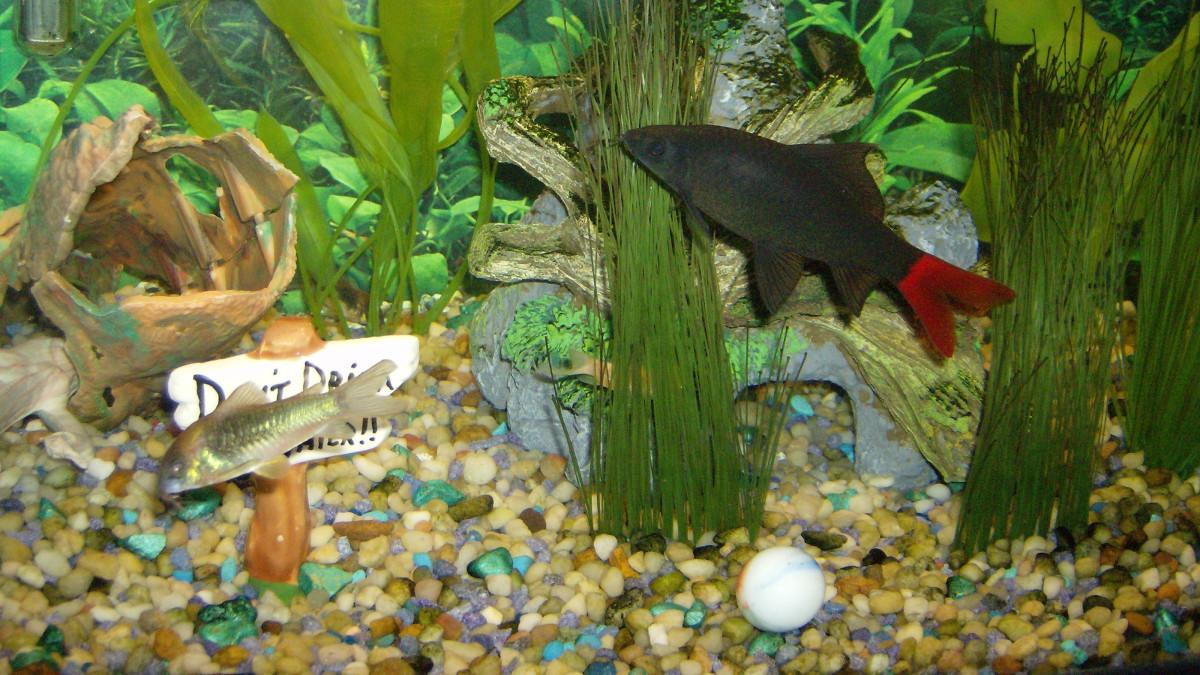
Credit: pethelpful.com
Supplementing Water With Minerals
Juvenile fish need the right minerals for healthy growth. Supplementing water with minerals helps fish develop strong bones and fins.
Providing essential minerals in the water is crucial for fish health. It also boosts their immune system.
Essential Minerals For Growth
Calcium and magnesium are key minerals for fish growth. They help build strong bones and scales.
Potassium and sodium also support vital functions. These minerals maintain fluid balance in fish bodies.
- Calcium: Strengthens bones and scales
- Magnesium: Supports metabolism
- Potassium: Aids in nerve function
- Sodium: Regulates fluid balance
Safe Mineral Additives
Choose additives that are safe for juvenile fish. Ensure they dissolve easily in water without harming fish.
Read labels to confirm purity and safety. Avoid additives with harmful chemicals or pollutants.
- Check for purity and safety
- Use recommended doses
- Avoid additives with pollutants
Testing Mineral Levels
Regularly test water to ensure proper mineral levels. Test kits help monitor calcium, magnesium, and other minerals.
Maintaining the right levels supports fish health. Adjust supplements based on test results.
- Use test kits for accuracy
- Monitor calcium and magnesium
- Adjust based on test outcomes
Regular Monitoring And Testing
Regular monitoring of aquarium water is vital for juvenile fish growth. Testing ensures a healthy environment for them to thrive.
By keeping a close watch on water conditions, you can prevent health issues in young fish. This involves using the right tools and techniques.
Water Testing Kits
Water testing kits help you check important parameters like pH and ammonia levels. These kits are simple to use and essential for fish care.
- pH Level
- Ammonia Concentration
- Nitrite and Nitrate Levels
Tracking Changes Over Time
Tracking changes in water quality over time helps identify trends. Consistent tracking allows you to notice any sudden shifts in the water conditions.
| Parameter | Initial Reading | Weekly Reading |
| pH Level | 7.0 | 7.2 |
| Ammonia | 0 ppm | 0.25 ppm |
| Nitrite | 0 ppm | 0 ppm |
Responding To Test Results
Responding quickly to test results is crucial. If levels are off, take steps to correct them to maintain a safe environment for fish growth.
Frequently Asked Questions
What Is The Best Water Treatment For Juvenile Fish Growth?
The best water treatment ensures clean, balanced, and toxin-free water. Use dechlorinators, beneficial bacteria, and regular water changes. This promotes healthy growth and prevents diseases in juvenile fish.
How Often Should Aquarium Water Be Treated For Juveniles?
Treat aquarium water weekly or during every 10-20% water change. Regular treatment maintains water quality and supports optimal juvenile fish growth and health.
Which Chemicals Are Safe For Juvenile Fish Water Treatment?
Use aquarium-safe dechlorinators, ammonia removers, and pH stabilizers. Avoid harsh chemicals or overdosing, as juveniles are sensitive and require gentle water treatment.
How Does Water Quality Affect Juvenile Fish Growth?
Good water quality reduces stress, prevents disease, and promotes healthy development. Poor water quality can stunt growth and increase mortality in juvenile fish.
Conclusion
Healthy water helps juvenile fish grow strong and stay active. Regular water treatment keeps harmful chemicals low and oxygen high. Clean water stops diseases and supports fish development. Testing water often shows what needs fixing quickly. Simple care steps make a big difference for young fish.
Keep their environment stable and safe every day. This care helps fish live longer and look better. Good water means happy, healthy juvenile fish in your aquarium.