
Have you noticed white, cotton-like patches on your fish or inside your aquarium? That’s a common sign of fungus, and it can quickly harm your aquatic friends if left untreated.
You want your aquarium to be a healthy, thriving environment—but fungus can ruin that peace. You’ll discover simple and effective ways to treat and prevent aquarium fungus. By taking the right steps, you can protect your fish and keep your tank sparkling clean.
Keep reading to learn exactly what you need to do to win the battle against aquarium fungus.
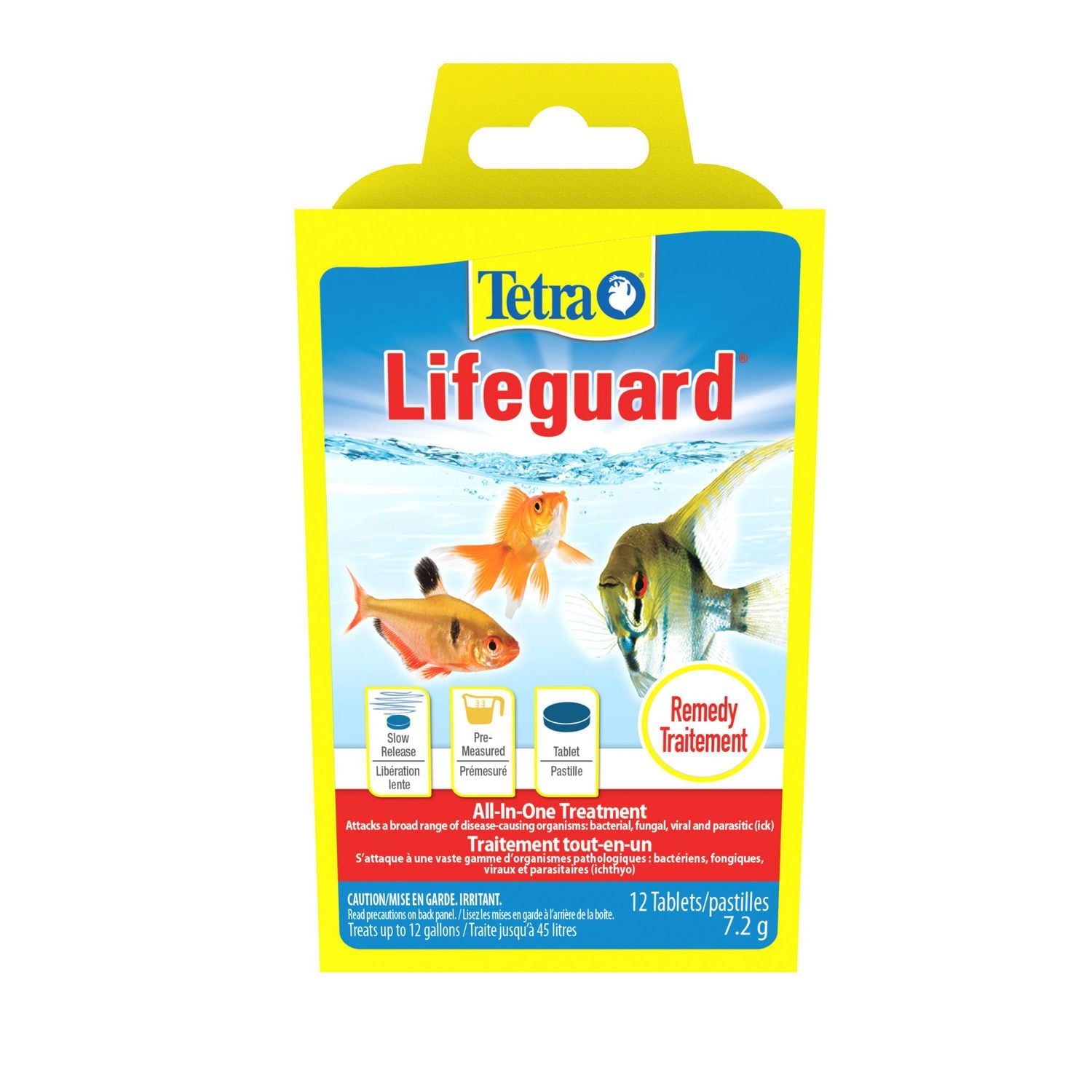
Credit: www.walmart.ca
Common Fungal Infections In Aquariums
Fungal infections are common problems in freshwater and saltwater aquariums. These infections affect fish health and can spread quickly if not treated.
Understanding the types of fungi and recognizing the signs helps in early treatment and prevention.
Types Of Aquarium Fungi
Several fungi cause infections in aquarium fish. The most common types include Saprolegnia and Ichthyophonus.
- Saprolegnia:This water mold appears as cotton-like white or gray patches on fish skin or fins.
- Ichthyophonus:A serious internal fungal infection that can affect multiple organs.
- Branchiomyces:This fungus targets fish gills, causing breathing difficulties.
- Fusarium:Causes skin lesions and ulcers, often seen after injury.
Signs Of Fungal Infection In Fish
Fish with fungal infections show clear signs that help identify the problem early. Watch closely for changes in behavior and appearance.
| Sign | Description |
|---|---|
| White or Gray Patches | Cotton-like growths on skin, fins, or gills. |
| Redness or Inflammation | Skin around the infected area looks red or swollen. |
| Clamped Fins | Fins held close to the body, showing discomfort. |
| Lethargy | Fish move less and hide more than usual. |
| Loss of Appetite | Fish stop eating or eat less than normal. |
| Gasping at Surface | Fish breathe rapidly and stay near water surface. |
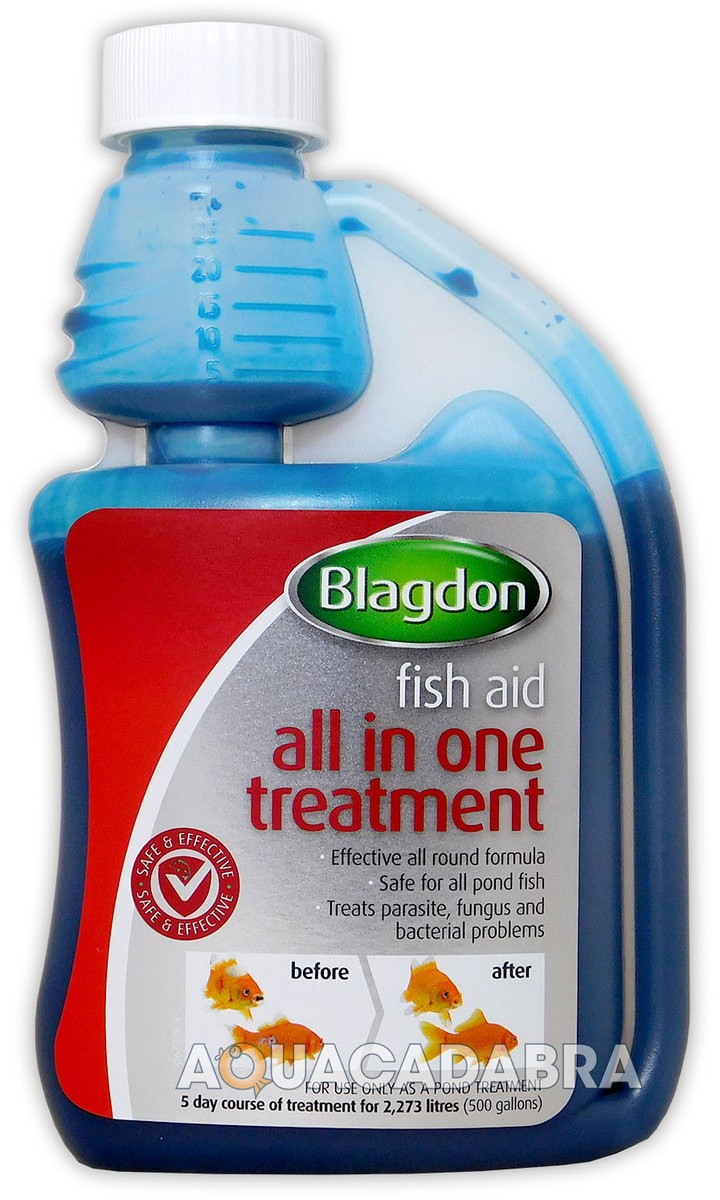
Credit: m.ebay.ca
Causes Of Fungal Growth In Aquariums
Fungal infections can damage fish and harm aquarium health. Understanding what causes fungus helps keep fish safe.
Several factors lead to fungal growth in fish tanks. These include water problems, fish stress, and dirty tools.
Water Quality Issues
Poor water quality creates a perfect place for fungus to grow. Dirty or unbalanced water weakens fish defenses.
- High ammonia or nitrite levels irritate fish skin.
- Low oxygen levels stress fish and slow healing.
- Dirty water carries fungal spores and bacteria.
- Wrong pH levels disrupt fish health.
Stress And Injury In Fish
Fish under stress or with wounds are more likely to get fungal infections. Stress weakens their immune system.
| Cause | Effect on Fish |
| Overcrowding | Increases stress and fights |
| Sudden temperature changes | Weakens immune response |
| Physical injuries | Open wounds allow fungus entry |
| Poor diet | Reduces resistance to infections |
Contaminated Equipment
Using dirty tools spreads fungal spores to the aquarium. This causes infections to spread fast.
Common contaminated items include:
- Unclean nets used between tanks
- Dirty gravel vacuum and siphons
- Reused decorations without cleaning
- Water buckets shared among tanks
Preventing Fungal Infections
Fungal infections in aquariums harm fish and plants. Keeping the water safe stops fungus growth.
This guide explains how to prevent fungus by cleaning water, setting up the tank, and using quarantine.
Maintaining Clean Water
Clean water lowers fungus risk. Change water often and remove waste from the tank.
- Test water for ammonia and nitrites weekly
- Remove uneaten food daily
- Do partial water changes every week
- Use a good filter to keep water clear
- Avoid overfeeding fish to reduce waste
Proper Tank Setup
Set up the tank to keep fish healthy and prevent fungus. Choose the right size and decorations.
| Tank Aspect | Recommended Action |
| Size | Use a tank big enough for all fish |
| Gravel | Clean and rinse before adding to tank |
| Plants | Select healthy plants and remove dead leaves |
| Lighting | Provide natural light but avoid direct sun |
| Water Temperature | Keep stable temperature suited for fish |
Quarantine Procedures
Quarantine new fish to stop fungus from entering the main tank. Keep them separate for a while.
Follow these quarantine steps:
- Place new fish in a separate tank for 2 weeks
- Observe for signs of fungus or illness
- Treat fish with antifungal medicine if needed
- Only add fish to the main tank after no symptoms appear
Credit: www.ebay.ca
Effective Water Treatments
Fungus can harm fish and plants in your aquarium. Treating water helps keep the tank healthy.
Using the right water treatments stops fungus from spreading and helps your fish recover quickly.
Antifungal Medications
Antifungal medications fight fungus directly in aquarium water. They are made for fish tanks.
These medicines kill fungus on fish skin and in the water. They work fast and protect fish health.
- Malachite green
- Methylene blue
- Fungus clear solutions
- Formalin treatments
Natural Remedies
Natural remedies use plants or safe ingredients to reduce fungus. They are gentle on fish.
These treatments help balance the tank and stop fungus growth without harsh chemicals.
- Aloe vera extract
- Indian almond leaves
- Tea tree oil (diluted)
- Salt baths
Water Conditioners And Additives
Water conditioners improve water quality and reduce fungus risk. They make the tank safer for fish.
Additives help keep water clean, remove harmful chemicals, and support fish health against fungus.
- Dechlorinators
- Beneficial bacteria supplements
- pH stabilizers
- Stress coat additives
Treatment Protocols And Care
Fungal infections in aquarium fish need careful treatment. Proper care helps fish recover faster.
Treating fungus involves the right medicines and maintaining tank conditions. Follow protocols to keep fish safe.
Dosage And Duration
Use the medicine dose exactly as the label says. Overdosing can harm fish or plants.
Treatment usually lasts 7 to 14 days. Stop only after fungus disappears and fish look healthy.
- Measure medicine carefully
- Keep dosing consistent every day
- Do not shorten treatment time
- Change water if recommended
Monitoring Fish Health
Watch fish daily for signs of improvement or stress. Look for changes in behavior and appearance.
If fish get worse, stop treatment and check water quality. Poor water can cause more problems.
- Check for reduced fungus spots
- Notice if fish swim normally
- Look for clear eyes and fins
- Test water parameters regularly
Adjusting Treatment For Sensitive Species
Some fish are sensitive to medicines. Use lower doses or shorter treatments for them.
Research your fish species before treatment. Avoid harsh chemicals if your fish are delicate.
- Start with half the recommended dose
- Observe fish closely for stress signs
- Use natural remedies if possible
- Consult an expert for rare species
Post-treatment Tank Maintenance
After treating your aquarium for fungus, maintaining the tank is crucial. Proper care ensures a healthy environment for your fish and plants.
Regular maintenance helps prevent the recurrence of fungus and keeps the water clean. Follow these steps to maintain your aquarium post-treatment.
Cleaning And Disinfection
Clean all tank surfaces to remove any residual fungus. Use safe cleaning agents that won’t harm the fish.
Disinfect tools and decorations to eliminate fungus spores. Regular cleaning keeps the tank environment safe.
- Clean the tank walls and base
- Disinfect nets and tools
- Wash decorations thoroughly
Water Changes And Filtration
Regular water changes are vital for a healthy aquarium. They help remove toxins and maintain water quality.
Ensure the filter is clean and functioning well. A good filter helps keep the water clear and free from harmful substances.
- Change 10-15% of the water weekly
- Rinse the filter media monthly
- Check filter performance regularly
Preventing Recurrence
Preventing fungus from returning requires consistent effort. Monitor the tank conditions regularly to catch issues early.
Maintain a balanced environment to avoid stress on your fish. Stress can make fish more susceptible to infections.
- Test water parameters weekly
- Avoid overfeeding the fish
- Provide a balanced diet for fish health
Frequently Asked Questions
What Causes Fungus In Aquarium Water?
Fungus in aquarium water usually develops from poor water quality. Overfeeding, decaying plants, and dead fish increase fungal spores. Weak immune systems in fish also contribute. Regular cleaning and water changes prevent fungal growth effectively.
How Do I Treat Fungus In Aquarium Water?
Use antifungal medications specifically designed for aquariums. Remove infected fish and isolate them. Improve water quality by performing partial water changes. Clean decorations and substrate to eliminate fungal spores. Monitor fish health closely during treatment.
Can Aquarium Fungus Harm My Fish?
Yes, fungal infections can harm fish by damaging skin and gills. Untreated fungus weakens fish and may lead to death. Early detection and treatment are crucial for fish survival and health.
How Often Should I Change Water To Prevent Fungus?
Change 20-30% of aquarium water weekly to maintain cleanliness. Regular water changes reduce organic waste and fungal spores. Consistent water quality control prevents fungal outbreaks and promotes fish health.
Conclusion
Treating fungus in aquarium water keeps fish healthy and happy. Regular cleaning and proper water changes help stop fungus growth. Use safe medicines as directed to clear infections fast. Watch fish closely for any signs of fungus or stress. Clean decorations and plants to avoid spreading fungus.
Healthy water means strong fish and a beautiful tank. Stay consistent with care to prevent future problems. Good habits protect your aquatic pets every day. Simple steps bring lasting results and peace of mind.