
Keeping your freshwater aquarium healthy starts with one crucial step: proper water treatment. If you want your fish to thrive and your tank to stay crystal clear, understanding how to treat your aquarium water is key.
You might think it’s just about changing the water, but there’s much more to it. From removing harmful chemicals to balancing essential minerals, the right water treatment can make all the difference. You’ll discover simple, effective ways to care for your freshwater tank water that even beginners can follow.
Ready to see your aquatic friends flourish? Let’s dive in and unlock the secrets to perfect aquarium water treatment.

Credit: www.aquaticexperts.com
Choosing The Right Water Conditioner
Freshwater aquarium water must be treated before adding fish. Water conditioners help keep fish safe and healthy. They remove harmful chemicals and make water safe.
Choosing the right water conditioner depends on the water source and tank needs. Understanding the types helps you pick the best one for your aquarium.
Types Of Water Conditioners
Water conditioners come in different types. Each type has a special job. Some remove chlorine, others detoxify heavy metals or help with ammonia.
- Chlorine and chloramine removers
- Heavy metal detoxifiers
- Ammonia neutralizers
- Multi-purpose conditioners
Removing Chlorine And Chloramine
Tap water contains chlorine and chloramine to kill germs. These chemicals harm fish and plants. Water conditioners remove them safely.
Most conditioners use chemicals that neutralize chlorine and break down chloramine. This process makes water safe for fish quickly.
- Chlorine is easily removed by most conditioners
- Chloramine needs special conditioners that break it down
- Always check if your conditioner removes both
- Use the correct dose for water volume
Detoxifying Heavy Metals
Heavy metals like copper, lead, and zinc can come from pipes or tap water. These metals hurt fish health and cause stress.
Water conditioners can bind heavy metals. This stops metals from harming fish. The metals stay in the water but lose their toxicity.
- Heavy metal detoxifiers protect fish gills and skin
- Important for tanks with sensitive fish
- Use if your water source has metals
- Check product labels for metal detoxification

Credit: www.amazon.com
Maintaining Optimal Water Parameters
Keeping your freshwater tank healthy is important for your fish. Good water quality ensures your fish live in a safe environment.
Maintaining the right water parameters helps prevent fish stress and disease. Regular monitoring is essential.
Monitoring Ph Levels
pH levels show how acidic or basic your tank water is. Most freshwater fish prefer a pH between 6.5 and 7.5.
Test the pH regularly using a pH test kit. Sudden changes in pH can harm your fish.
- Use a test kit to check pH weekly
- Adjust pH slowly if needed
- Add buffer solutions for stability
Controlling Ammonia And Nitrite
Ammonia and nitrite are toxic to fish. They come from fish waste and uneaten food.
Keep ammonia and nitrite levels at zero. Use a test kit to check them often.
- Perform regular water changes
- Use a good filtration system
- Do not overfeed your fish
Managing Nitrate Concentrations
Nitrate is less harmful but can stress fish in high levels. It is a byproduct of the nitrogen cycle.
Keep nitrate levels below 40 ppm. Regular water changes help manage nitrate levels.
- Test nitrate levels monthly
- Remove waste and debris
- Consider live plants for natural filtration
Effective Filtration Techniques
Keeping freshwater tanks clean is important for healthy fish. Good filtration removes waste and keeps water clear.
There are three main filtration types. Each plays a role in maintaining aquarium water quality.
Mechanical Filtration Basics
Mechanical filtration removes large particles from the water. It traps debris like uneaten food and fish waste.
- Use filter pads or sponges to catch dirt
- Clean or replace filter media often
- Prevent clogging to keep water flow steady
Biological Filtration Importance
Biological filtration uses good bacteria to break down harmful ammonia. These bacteria live on filter surfaces and tank decorations.
| Filter Type | Best Surface Area | Notes |
| Bio Balls | High | Easy to clean |
| Ceramic Rings | Very High | Long lasting |
| Sponge Filters | Moderate | Good for small tanks |
Chemical Filtration Options
Chemical filtration removes toxins and odors from water. It uses materials that absorb or react with impurities.
Common chemical media include:
- Activated carbon to clear water and remove smells
- Zeolite to reduce ammonia in new tanks
- Phosphate removers to control algae growth
Regular Water Changes
Regular water changes keep freshwater tanks clean and healthy. They remove waste and harmful chemicals.
Changing water helps fish breathe easier and stay active. It also supports beneficial bacteria growth.
Frequency And Volume Guidelines
Change water often to keep the tank safe. The amount depends on tank size and fish number.
A good rule is to replace 10-25% of the water weekly. Larger changes may be needed for crowded tanks.
- Small tanks: change 20-25% weekly
- Medium tanks: change 15-20% weekly
- Large tanks: change 10-15% weekly
Best Practices For Water Replacement
Remove water gently to avoid stressing fish. Use a siphon or gravel vacuum for cleaning.
Replace water slowly to keep temperature and chemistry stable. Avoid adding water too fast.
- Turn off filters before water change
- Clean tank walls and decorations if needed
- Check water temperature before adding new water
- Restart filters after water replacement
Using Dechlorinated Water
Tap water contains chlorine that can harm fish. Always use dechlorinated water for changes.
Use water conditioners to remove chlorine and chloramine. Let treated water sit for 24 hours if needed.
- Buy a water conditioner from a pet store
- Follow instructions on conditioner packaging
- Test water to ensure chlorine is removed
Preventing Algae Growth
Algae can make freshwater tanks look dirty and harm fish. It grows fast if conditions are right.
Controlling algae means keeping your tank clean and balanced. Use simple ways to stop algae growth.
Controlling Light Exposure
Algae need light to grow. Too much light in your tank helps algae spread quickly.
Limit how long your aquarium light is on each day. Use a timer to keep light steady and short.
- Keep light on for 6 to 8 hours daily
- Place tank away from direct sunlight
- Use low-intensity bulbs to reduce algae growth
Balancing Nutrient Levels
Algae feed on nutrients like nitrate and phosphate. Too many nutrients cause algae to bloom.
Test your water often to check nutrient levels. Change water regularly to keep nutrients low.
- Perform weekly water changes of 20-30%
- Avoid overfeeding fish to reduce waste
- Use plants to absorb extra nutrients
Adding Algae-eating Species
Some fish and invertebrates eat algae. They help keep algae under control naturally.
Choose species that fit your tank size and fish. Do not add too many algae eaters.
- Siamese algae eaters clean many algae types
- Otocinclus catfish work well in small tanks
- Amano shrimp eat green algae and debris
Testing Water Quality
Keeping freshwater tanks healthy needs regular water tests. Testing helps find problems early.
Good water quality keeps fish safe and happy. Learn how to test and read results.
Essential Test Kits
Test kits check water for key chemicals and conditions. Use kits for ammonia, nitrite, nitrate, pH, and hardness.
Choose kits that are easy to use and accurate. Liquid test kits and test strips are popular choices.
- Ammonia test kit
- Nitrite test kit
- Nitrate test kit
- pH test kit
- Water hardness test kit
Interpreting Test Results
Each test shows a number or color. Compare it to the kit guide to find the water level.
Safe water levels vary by fish type. Check ammonia and nitrite levels first since they are toxic.
| Parameter | Safe Range | Notes |
|---|---|---|
| Ammonia | 0 ppm | High levels harm fish quickly |
| Nitrite | 0 ppm | Toxic even in small amounts |
| Nitrate | < 20 ppm | Lower is better for health |
| pH | 6.5 – 7.5 | Depends on fish species |
| Hardness (GH) | 4 – 12 dGH | Supports fish and plants |
When To Take Action
Take action if tests show unsafe levels. Immediate steps help avoid fish stress or death.
Actions include water changes, cleaning, or adjusting pH. Retest after any change to check progress.
- Ammonia or nitrite above 0 ppm: do a 25-50% water change
- Nitrate over 20 ppm: increase water changes and reduce feeding
- pH outside fish preference: use pH adjusters carefully
- Hardness too low or high: add minerals or water softeners
- Cloudy or smelly water: clean tank and filter
Handling Common Water Issues
Freshwater tanks need clean and balanced water to keep fish healthy. Different water problems can harm your aquarium if not fixed.
We will look at common water issues and easy ways to handle them for a better tank environment.
Cloudy Water Solutions
Cloudy water often shows too many tiny particles or bacteria in the tank. This can happen after adding new fish or overfeeding.
- Do a partial water change of 20-30% to clear particles.
- Check your filter and clean or replace it if needed.
- Avoid overfeeding; feed small amounts once or twice daily.
- Use a water clarifier safe for freshwater tanks.
- Let the tank run without new fish for a few days to stabilize.
Dealing With Hard Water
Hard water has high levels of minerals like calcium and magnesium. Some fish do better in soft water, so hardness matters.
| Water Hardness Level | Effect on Fish | Solution |
| Soft (0-60 ppm) | Good for sensitive species | Use reverse osmosis water or rainwater |
| Moderate (61-120 ppm) | Suitable for many common fish | Mix tap water with soft water |
| Hard (121-180 ppm) | May stress soft water fish | Add water softening agents or filter media |
Addressing Ph Fluctuations
pH changes can stress fish and cause health problems. Keep pH stable for a safe tank.
Tips to keep pH steady:
- Test pH regularly with a liquid test kit.
- Use buffering agents to raise or lower pH gently.
- Do partial water changes with water matching tank pH.
- Avoid sudden changes in water source or decorations.
- Keep plants that help balance pH naturally.
Credit: www.ebay.ca
Frequently Asked Questions
What Is The Best Water Treatment For Freshwater Aquariums?
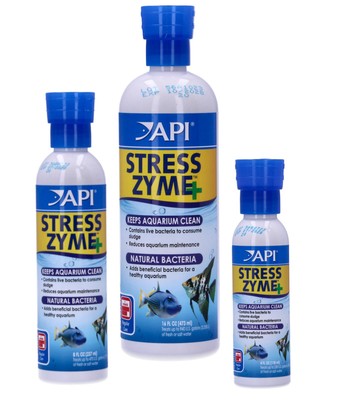
The best treatment includes dechlorinators and beneficial bacteria supplements. These remove harmful chemicals and establish a healthy biological filter for fish safety.
How Often Should I Treat Freshwater Aquarium Water?
Treat water during initial setup, after water changes, and when adding new fish. Regular treatment maintains water quality and prevents toxic buildup.
Can I Use Tap Water Directly In My Freshwater Tank?
No, tap water contains chlorine and chloramine harmful to fish. Always use water conditioners to neutralize these chemicals before adding water to your tank.
Why Is Biological Filtration Important In Freshwater Tanks?
Biological filtration breaks down toxic ammonia and nitrites into less harmful nitrates. It keeps water safe and supports a stable environment for aquatic life.
Conclusion
Proper water treatment keeps freshwater tanks healthy and clear. Clean water helps fish grow and stay active. Test water regularly to catch problems early. Use the right chemicals to balance pH and remove toxins. Change water often to keep it fresh.
A well-treated tank means less stress for your fish. Enjoy watching your vibrant, lively aquarium every day. Good care makes all the difference. Keep your freshwater tank a safe home for all its creatures.