
Keeping your freshwater fish healthy starts with one simple but crucial step: proper aquarium water treatment. If you want your fish to thrive and your tank to stay crystal clear, understanding how to maintain the right water balance is key.
You might be wondering what exactly goes into treating aquarium water and why it matters so much. This guide will walk you through everything you need to know, helping you avoid common mistakes that could harm your fish. By the end, you’ll feel confident about creating the perfect environment for your aquatic friends to live happily and healthily.
Keep reading to discover the secrets behind flawless freshwater aquarium water treatment.
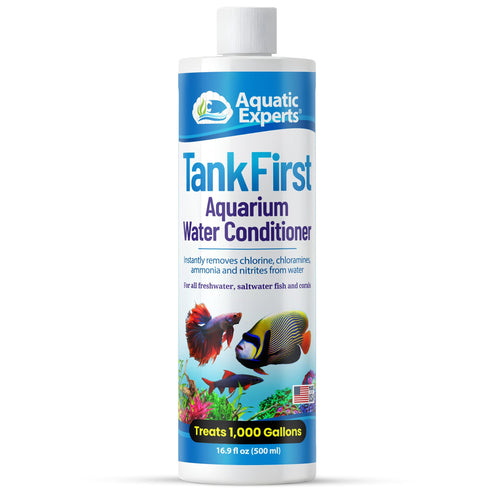
Credit: www.aquaticexperts.com
Choosing The Right Water
Freshwater fish need clean and safe water to live well. Choosing the right water helps keep fish healthy.
Not all water is the same. You must check the water type before adding it to the aquarium.
Tap Water Vs. Bottled Water
Tap water is easy to get and often used by fish owners. It may contain chemicals that harm fish.
Bottled water is pure but can be expensive. It may lack minerals that fish need.
- Tap water: Usually treated, may have chlorine or chloramine
- Bottled water: Usually mineral-free or spring water
- Test water before use to ensure safety
Water Hardness And Ph Levels
Water hardness shows how many minerals are in the water. Fish need the right hardness to stay healthy.
pH level tells how acidic or basic water is. Most freshwater fish like pH between 6.5 and 7.5.
- Soft water has low minerals; hard water has high minerals
- pH below 7 is acidic; above 7 is basic
- Use a test kit to check hardness and pH
Dechlorination Methods
Chlorine in water can kill fish. Removing chlorine is important before adding water to the tank.
Dechlorination makes water safe. You can use chemicals or natural methods to remove chlorine.
- Use water conditioners to neutralize chlorine and chloramine
- Let tap water sit for 24-48 hours to let chlorine evaporate
- Boiling water for 15 minutes removes chlorine but not chloramine
Setting Up Filtration Systems
Clean water is key for healthy freshwater fish. Setting up the right filtration system helps keep water clear and safe. Filters remove waste, toxins, and debris from the tank.
Choosing and maintaining the right filter type ensures a balanced aquarium environment. It supports fish health and reduces maintenance work.
Types Of Filters For Freshwater Tanks
There are three main types of filters used in freshwater tanks. Each type serves a specific function to keep water quality high.
- Mechanical filterscatch solid waste and particles from the water.
- Chemical filtersremove toxins and impurities using activated carbon or other media.
- Biological filtersgrow beneficial bacteria that break down harmful ammonia and nitrites.
Filter Maintenance Tips
Regular maintenance keeps filters working well. Clean or replace filter media based on manufacturer advice. Avoid cleaning all parts at once to keep bacteria alive.
- Rinse filter pads in tank water, not tap water.
- Replace chemical media like carbon every 4 weeks.
- Check water flow rate and clean intake tubes if slow.
- Inspect biological media carefully and avoid harsh cleaning.
Balancing Mechanical, Chemical, And Biological Filtration
| Filter Type | Purpose | Maintenance |
|---|---|---|
| Mechanical | Remove debris and particles | Clean pads regularly |
| Chemical | Absorb toxins and odors | Replace carbon monthly |
| Biological | Break down ammonia and nitrites | Minimal cleaning to protect bacteria |
Balancing these three filter types creates a healthy tank. Mechanical filters keep water clear. Chemical filters remove harmful chemicals. Biological filters keep water safe by processing fish waste.
Water Testing And Monitoring
Keeping your aquarium water clean is key for healthy freshwater fish. Testing water helps catch problems early.
Regular monitoring keeps your fish safe and your tank balanced. Learn which tests to do and how to spot issues.
Essential Water Parameters To Test
Check these key water factors often to keep your fish healthy and happy.
- pH:Measures how acidic or alkaline the water is.
- Ammonia:Toxic waste from fish and uneaten food.
- Nitrite:Harmful chemical made from ammonia breakdown.
- Nitrate:Less toxic but high levels can stress fish.
- Temperature:Must suit your fish species.
- Hardness:Measures minerals in water important for fish health.
Using Test Kits Effectively
Choose the right test kit and follow instructions carefully to get accurate results.
| Tip | Reason |
| Use fresh water samples | Old samples can give wrong readings. |
| Test at the same time daily | Shows trends and changes clearly. |
| Rinse test containers well | Prevents contamination of samples. |
| Compare colors in good light | Helps match test results accurately. |
| Record your results | Tracks water quality over time. |
Signs Of Poor Water Quality
Watch for these signs to catch water problems before they harm your fish.
- Fish gasping at the surface for air.
- Cloudy or foul-smelling water.
- Algae growing quickly on tank walls.
- Fish showing unusual behavior or hiding.
- Dead or dying plants and fish.

Credit: www.amazon.com
Regular Water Changes
Freshwater fish need clean water to stay healthy. Regular water changes keep the tank safe and fresh.
Removing old water helps get rid of waste and harmful chemicals. It also adds oxygen for your fish.
How Often To Change Water
Change water based on your tank size and fish number. Small tanks need more frequent changes than large tanks.
A good rule is to change 10-20% of the water each week. This keeps the water clean without stressing the fish.
- Small tanks: change water once or twice a week
- Medium tanks: change water every week
- Large tanks: change water every two weeks
Proper Water Change Techniques
Use a siphon or gravel vacuum to remove water gently. Avoid stirring up the tank too much.
Replace the removed water with fresh, dechlorinated water. Match the temperature to the tank water.
- Turn off filters before water change
- Siphon water slowly to avoid disturbing fish
- Use a water conditioner to remove chlorine
- Match new water temperature to tank temperature
- Turn filters back on after refilling
Avoiding Stress During Water Changes
Fish can get scared by sudden changes. Make water changes calm and slow to keep fish safe.
Keep lights dim and speak softly near the tank. Avoid sudden movements to reduce fish stress.
- Change water at the same time each week
- Use a gentle flow when adding new water
- Do not remove too much water at once
- Keep tank temperature stable
- Watch fish behavior after water change
Treating Common Water Issues
Freshwater fish need clean water to stay healthy. Water problems can harm fish quickly.
Knowing how to fix water issues helps keep fish safe and happy.
Managing Ammonia And Nitrite Spikes
Ammonia and nitrite are toxic chemicals in aquarium water. They come from fish waste and uneaten food.
High levels can make fish sick or cause death. Test the water often to catch spikes early.
- Do partial water changes to lower toxins
- Use filter media that helps remove ammonia
- Do not feed fish too much food
- Add live plants to absorb waste
Controlling Algae Growth
Algae can grow fast and cover aquarium glass and plants. It makes water cloudy and looks bad.
Too much light and extra nutrients cause algae to grow more. Keep light time and feeding low.
- Limit aquarium light to 8-10 hours daily
- Do not overfeed fish to reduce nutrients
- Clean glass and decorations regularly
- Use algae-eating fish or snails safely
Handling Hard Water Challenges
Hard water has high minerals like calcium and magnesium. It changes pH and affects fish health.
Some fish need soft water, so test hardness before adding fish. Adjust water with special products if needed.
- Use reverse osmosis water to soften hard water
- Add peat moss or driftwood to lower pH
- Choose fish that tolerate your water hardness
- Test water regularly for hardness and pH
Using Water Conditioners And Additives
Keeping aquarium water healthy is vital for freshwater fish. Water conditioners and additives play a key role in maintaining safe water conditions.
These products help neutralize harmful elements and support the fish’s environment. Let’s explore the different types and their benefits.
Types Of Conditioners
Water conditioners are essential for fish health. They remove chlorine and chloramine from tap water.
Some conditioners also detoxify heavy metals. This makes the water safe for fish and plants.
- Dechlorinators: Remove chlorine and chloramine
- Metal Detoxifiers: Neutralize harmful metals
- Slime Coat Enhancers: Protect fish skin
Benefits Of Beneficial Bacteria Additives
Bacteria additives help establish a balanced ecosystem in the aquarium. They break down waste and reduce ammonia levels.
These bacteria create a natural environment that supports fish health. They also help in controlling algae growth.
- Ammonia Reduction: Converts harmful ammonia to nitrates
- Waste Breakdown: Helps decompose organic matter
- Algae Control: Limits algae growth
Safe Use Of Medications In Water
Medications treat fish diseases but must be used carefully. Always follow the instructions on the label.
Overusing or misusing medications can harm fish. Quarantine sick fish to prevent spreading diseases.
- Read Labels: Follow dosage and instructions
- Quarantine: Separate sick fish when treating
- Monitor: Observe fish for side effects
Maintaining A Healthy Aquarium Environment
Keeping a freshwater aquarium in good condition requires regular care. Healthy water is essential for your fish’s well-being.
Learn how to maintain your aquarium with proper feeding, cleaning, and temperature control.
Proper Feeding To Reduce Waste
Overfeeding your fish can lead to excess waste. This waste can harm water quality.
- Feed small amounts your fish can eat in two minutes
- Use high-quality, nutrient-rich fish food
- Remove uneaten food promptly
Cleaning Substrate And Decorations
Regular cleaning helps prevent the buildup of harmful substances. Clean the substrate and decorations for a healthier environment.
| Cleaning Task | Frequency |
| Gravel vacuuming | Weekly |
| Decoration scrubbing | Bi-weekly |
| Glass cleaning | Monthly |
Optimizing Tank Temperature And Lighting
Proper temperature and lighting are crucial for fish health. Monitor these regularly to maintain a stable environment.

Credit: www.aquaticexperts.com
Frequently Asked Questions
What Is The Best Water Treatment For Freshwater Aquariums?
The best treatment involves using water conditioners that remove chlorine and chloramine. Regular partial water changes also help maintain water quality and reduce toxins.
How Often Should I Treat Aquarium Water For Freshwater Fish?
Treat aquarium water during every water change, usually once a week. Consistent treatment keeps fish healthy by removing harmful chemicals and stabilizing water parameters.
Can Tap Water Be Used Directly In Freshwater Aquariums?
No, tap water must be treated first. It contains chlorine and chloramine that are toxic to fish. Use a water conditioner before adding it to your tank.
Why Is Dechlorination Important In Aquarium Water Treatment?
Dechlorination removes chlorine and chloramine from tap water. These chemicals harm fish gills and skin. Proper dechlorination ensures a safe environment for freshwater fish.
Conclusion
Keeping aquarium water clean helps fish stay healthy and happy. Test water often to catch problems early. Use proper treatments to remove harmful chemicals and bacteria. Change water regularly to keep the tank fresh. Good water care creates a safe home for your fish.
Small steps make a big difference in fish health. Stay patient and consistent with your water treatment routine. Your fish will thank you with vibrant colors and active swimming. Clean water means a thriving freshwater aquarium.