
Are you using distilled water for your aquarium and wondering if it’s really safe for your fish? While distilled water is free from impurities, it lacks the essential minerals your aquatic pets need to thrive.
Without proper treatment, your aquarium water can become harmful, even deadly. You’ll discover simple and effective ways to treat distilled water, ensuring a healthy and vibrant environment for your fish. Keep reading to learn how to protect your underwater friends and create the perfect habitat they deserve.
Why Use Distilled Water
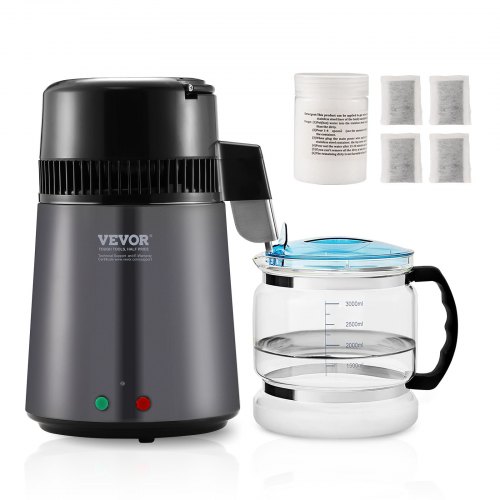
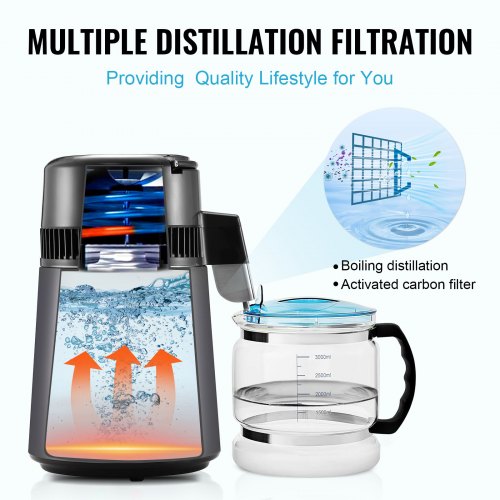
Distilled water is pure water without minerals or chemicals. It is made by boiling water and collecting the steam.
Many aquarium owners use distilled water to control water quality and protect their fish.
Benefits For Aquariums
Distilled water helps create a clean and safe environment for fish. It has no harmful substances like chlorine or heavy metals.
Using distilled water lets you add only the minerals your fish need. This control helps keep water conditions stable.
- Prevents buildup of minerals in the tank
- Reduces risk of diseases from chemicals
- Allows precise control of water hardness and pH
- Helps avoid algae growth caused by minerals
Potential Drawbacks
Distilled water lacks natural minerals fish need. Using it alone can stress or harm fish over time.
You must add minerals or use special aquarium treatments to make water safe. This step can be tricky for beginners.
- Needs mineral supplements to support fish health
- May cause low pH if not balanced properly
- Not suitable for all fish species without adjustments
- More expensive than tap water or filtered water

Credit: www.amazon.com
Common Water Issues In Aquariums
Water quality affects fish health and plant growth. Many problems come from untreated water. Knowing common issues helps keep an aquarium safe.
Distilled water is pure but lacks some elements needed for aquatic life. Treating it right makes a big difference.
Lack Of Minerals
Distilled water has no minerals like calcium and magnesium. These minerals are important for fish bones and plant health. Without them, fish can get sick and plants may not grow well.
- Calcium helps build strong bones in fish.
- Magnesium supports plant growth.
- Minerals balance water hardness.
- Adding mineral supplements is necessary.
Ph Imbalance
The pH level shows how acidic or basic the water is. Distilled water usually has a neutral pH of 7. Some fish need water that is more acidic or basic. Without the right pH, fish may feel stressed or sick.
| Fish Type | Ideal pH |
| Goldfish | 7.0 – 7.5 |
| Tetras | 6.0 – 7.0 |
| Cichlids | 7.5 – 8.5 |
| Discus | 6.0 – 7.0 |
Chlorine And Contaminants
Treated tap water often has chlorine and other chemicals. These harm fish and plants. Distilled water is free from chlorine but can pick up contaminants from containers or pipes.
To keep water safe:
- Use a water conditioner to remove chlorine if using tap water.
- Clean containers before use.
- Store distilled water in clean, sealed bottles.
- Test water regularly for pollutants.
Preparing Distilled Water For Aquariums
Distilled water is pure but lacks minerals needed for fish health. You must treat it before adding it to your aquarium.
Proper treatment keeps fish safe and supports plant growth. It helps keep aquarium water stable and healthy.
Re-mineralization Techniques
Distilled water has no minerals like calcium and magnesium. These minerals are important for fish and plants.
Add aquarium salts or mineral supplements to restore these minerals. This makes water safe and healthy.
- Use commercial re-mineralization products for aquariums
- Add crushed coral or limestone to the filter
- Mix a small amount of tap water with distilled water
- Test mineral levels regularly with water test kits
Adjusting Ph Levels
Distilled water usually has a neutral pH of 7. Some fish need more acidic or alkaline water.
Use pH adjusters to reach the right level. Test the water often to keep pH steady.
- Add peat moss or driftwood to lower pH
- Use baking soda to raise pH gently
- Buy pH test kits to check water regularly
- Make small changes to avoid stressing fish
Dechlorination Methods
Distilled water does not have chlorine, but if you mix it with tap water, chlorine may be present.
Remove chlorine before adding water to the tank. Chlorine harms fish and beneficial bacteria.
- Use liquid dechlorinators available at pet stores
- Let water sit for 24 hours to let chlorine evaporate
- Use activated carbon filters to remove chlorine
- Test for chlorine using water test kits
Credit: www.vevor.ca
Best Products For Water Treatment
Distilled water is very pure but lacks minerals and proper pH for fish. You need to treat it before adding it to your aquarium.
Using the right water treatment products helps keep fish healthy and the tank clean.
Mineral Supplements
Distilled water has no minerals that fish need to survive. Mineral supplements add calcium, magnesium, and other nutrients.
These supplements help fish grow strong bones and keep their scales bright.
- Seachem Equilibrium
- API Aquarium Salt
- Fluval Mineral Clear
Ph Buffers
Distilled water often has a low or unstable pH. pH buffers stabilize the water’s acidity or alkalinity.
Maintaining the right pH level helps fish stay healthy and reduces stress.
- Seachem pH Buffer
- API pH Up and pH Down
- Fluval pH Stabilizer
Water Conditioners
Tap water often contains chlorine and heavy metals. Water conditioners remove harmful chemicals.
They make water safe for fish and protect their gills and skin from damage.
- Seachem Prime
- API Stress Coat
- Fluval Water Conditioner
Testing And Monitoring Water Quality
Aquarium water treatment is crucial for fish health. Testing and monitoring water quality helps ensure a safe environment.
Using distilled water in aquariums requires special attention. It lacks minerals that fish need to thrive.
Essential Water Parameters
Monitoring water parameters is key to fish health. Important parameters include pH, ammonia, nitrites, and nitrates.
- pH level should be stable for fish comfort
- Ammonia and nitrites must be zero to avoid stress
- Nitrate levels need regular checks to prevent buildup
Using Test Kits
Test kits help you monitor water quality easily. They provide accurate readings of essential parameters.
Choose kits that are easy to use and reliable. Follow instructions for best results.
| Parameter | Recommended Test Kit |
| pH | pH Test Kit |
| Ammonia | Ammonia Test Kit |
| Nitrite | Nitrite Test Kit |
| Nitrate | Nitrate Test Kit |
Frequency Of Testing
Regular testing keeps your aquarium safe for fish. Test water weekly to catch any changes early.
More frequent testing is needed in new setups. This ensures parameters stabilize quickly.
Tips For Maintaining Healthy Aquarium Water
Keeping your aquarium water clean is very important. Healthy water helps fish live longer and stay active.
Using distilled water can be good, but you must treat it properly. Here are some tips for healthy aquarium water.
Regular Water Changes
Change part of the aquarium water often to keep it clean. This removes waste and harmful chemicals.
Use treated distilled water to replace the old water. Avoid changing all the water at once.
- Change 10-20% of water weekly
- Use water conditioner on distilled water
- Check water temperature before adding
Proper Filtration
A good filter cleans the water by removing dirt and toxins. It also helps oxygenate the water.
Choose a filter that fits your tank size. Clean the filter regularly but do not use soap.
- Use mechanical, chemical, and biological filtration
- Clean or replace filter media monthly
- Do not over-clean to keep beneficial bacteria
Avoiding Overfeeding
Feed fish only what they can eat in a few minutes. Extra food pollutes the water and harms fish.
Remove any uneaten food quickly. Use high-quality food suited for your fish type.
- Feed small amounts 1-2 times daily
- Observe fish eating habits
- Remove leftover food after feeding
Common Mistakes To Avoid
When using distilled water in your aquarium, it’s important to treat it properly. Many beginners make common mistakes that can harm fish.
Understanding these mistakes can help you maintain a healthy aquatic environment. Let’s look at them closely.
Skipping Mineral Addition
Distilled water lacks essential minerals that fish need. Without these, fish can become stressed and unhealthy.
Adding minerals helps mimic natural water conditions. This keeps your fish happy and vibrant.
- Calcium for strong bones
- Magnesium for nerve function
- Potassium for muscle health
Ignoring Ph Fluctuations
Distilled water can have unstable pH levels. This can lead to sudden changes in the aquarium.
Monitoring pH levels is crucial. Use a reliable kit to check the water regularly.
- Ideal pH for freshwater: 6.5 to 7.5
- Ideal pH for saltwater: 8.0 to 8.4
- Check pH weekly for stability
Using Untreated Distilled Water
Untreated distilled water is not safe for aquariums. It can lack essential elements for fish and plants.
Always treat distilled water before adding it to your tank. This ensures a safe environment for all aquatic life.
- Use water conditioners to add minerals
- Check for chlorine or chloramine
- Always dechlorinate before use
Credit: www.vevor.ca
Frequently Asked Questions
Can Distilled Water Be Used Directly In Aquariums?
No, distilled water lacks essential minerals needed by fish. It must be treated to add minerals and balance pH before use.
How To Remineralize Distilled Water For Aquariums?
Add aquarium-specific mineral supplements or use natural additives like crushed coral to restore essential minerals and stabilize pH.
Is Distilled Water Safe For Freshwater Fish?
Distilled water alone is unsafe as it lacks minerals and buffering capacity. Proper treatment ensures a healthy environment for freshwater fish.
What Chemicals Are Needed To Treat Distilled Water?
Use water conditioners to remove chlorine, add minerals, and adjust pH to make distilled water safe and suitable for aquarium use.
Conclusion
Using distilled water for your aquarium needs careful treatment. Treat the water to add minerals fish require. Test the water regularly to keep it safe and healthy. Clean water helps fish stay strong and active. Simple steps protect your aquarium’s delicate balance.
Healthy water means happy fish. Keep your aquarium water pure and well-balanced. Small efforts make a big difference for your aquatic pets.