
Keeping your community tank healthy and vibrant starts with one crucial step: proper aquarium water treatment. You might think it’s just about changing water, but there’s so much more behind maintaining the perfect balance for your fish to thrive.
If you want clear water, happy fish, and a tank that truly shines, understanding how to treat your aquarium water is key. Stick with me, and you’ll discover simple, effective ways to keep your community tank in top shape—no stress, just results.
Ready to dive in?
Choosing The Right Filtration System
Keeping community aquarium tanks clean is important for fish health. A good filtration system removes waste and keeps water clear.
Different types of filtration work together to make the water safe. Choosing the right system depends on tank size and fish types.
Mechanical Filtration Options
Mechanical filtration removes solid waste like uneaten food and fish waste. It helps keep the water clear and reduces harmful build-up.
Common mechanical filters include sponge filters, filter pads, and floss. These catch particles as water passes through.
- Sponge filters trap debris and provide gentle water flow
- Filter pads capture larger particles
- Filter floss removes very fine waste
Biological Filtration Benefits
Biological filtration uses helpful bacteria to break down fish waste. These bacteria turn harmful ammonia into less toxic substances.
This process keeps water safe and supports a healthy tank environment. Biological filters often use porous materials for bacteria to grow on.
- Ceramic rings offer large surface area for bacteria
- Bio balls provide space for bacteria in filters
- Sponge filters also support good bacteria growth
Chemical Filtration Methods
Chemical filtration removes dissolved substances that mechanical and biological filters cannot catch. It helps clear odors and toxins.
Activated carbon is a common chemical filter media. It adsorbs impurities and keeps the water fresh.
- Activated carbon removes chlorine and odors
- Zeolite helps remove ammonia from water
- Resins can target specific chemicals

Credit: www.aqqapet.com
Balancing Water Chemistry
Keeping water chemistry balanced is key for community aquarium tanks. Good water quality helps fish stay healthy and active.
Regular checks and adjustments keep the tank environment safe for all aquatic life.
Maintaining Ph Levels
pH measures how acidic or alkaline the water is. Most community fish do well in a pH between 6.5 and 7.5.
- Test pH weekly using a reliable kit.
- Use natural materials like driftwood to lower pH if needed.
- Add crushed coral or limestone to raise pH safely.
- Avoid sudden pH changes to prevent stress to fish.
Managing Ammonia And Nitrite
Ammonia and nitrite are toxic chemicals from fish waste and uneaten food. They harm fish even at low levels.
| Substance | Safe Level | Sources |
| Ammonia | 0 ppm | Fish waste, decaying matter |
| Nitrite | 0 ppm | Ammonia breakdown |
Use biofilters and perform water changes to keep these chemicals at zero.
Ensuring Proper Hardness And Alkalinity
Water hardness and alkalinity affect fish health and pH stability. Hardness measures calcium and magnesium. Alkalinity measures water’s buffering power.
- Keep general hardness (GH) between 4 and 12 dGH for most community tanks.
- Maintain alkalinity (KH) between 3 and 8 dKH for stable pH.
- Use test kits to monitor these levels regularly.
- Adjust hardness with commercial products or natural minerals.
Regular Water Testing
Regular water testing is key for healthy community aquarium tanks. It helps keep fish safe and water clean.
Testing water often stops problems before they start. It shows if water quality changes over time.
Essential Test Kits
Choose test kits that check important water factors. These include pH, ammonia, nitrite, and nitrate levels.
Good test kits are easy to use and give clear results. They help track water health in community tanks.
- pH test kit: measures water acidity
- Ammonia test kit: detects harmful waste
- Nitrite test kit: shows toxic buildup
- Nitrate test kit: tracks plant and fish waste
- Hardness test kit: checks mineral content
Interpreting Test Results
Read test results carefully to keep water safe. Each chemical has a safe range for community tanks.
If levels are too high or low, take action fast. Adjust water or use treatments to fix problems.
- pH should stay between 6.5 and 7.5 for most fish
- Ammonia must be zero to avoid poisoning
- Nitrite should also be zero for safety
- Nitrate should be below 40 ppm to prevent stress
- Hardness varies but keep it stable for fish comfort
Frequency Of Testing
Test water weekly in stable community tanks. Test more often after cleaning or adding new fish.
Frequent testing helps catch issues early. It keeps fish healthy and the tank balanced.
- Weekly tests for routine maintenance
- Test every 2-3 days after water changes
- Daily tests during fish illness or stress
- Test before and after adding new fish
Water Change Best Practices
Regular water changes keep community aquarium tanks healthy. They remove waste and refresh water quality.
Good habits help fish stay healthy and reduce diseases in the tank.
Scheduling Routine Changes
Set a fixed schedule for water changes to keep water clean. Weekly or biweekly changes work well.
Change 10% to 25% of the water each time. Avoid changing too much at once to protect fish.
- Pick a day and time that fits your routine
- Use a calendar or reminder to keep track
- Adjust frequency based on tank size and fish load
Safe Water Preparation
Use clean, dechlorinated water that matches tank temperature. This avoids shocking the fish.
Test water for pH, hardness, and temperature before adding it to the tank.
- Use water conditioner to remove chlorine and chloramine
- Match new water temperature to tank water within 2°F (1°C)
- Check pH and hardness to keep them stable
Techniques To Minimize Stress
Change water slowly and gently to avoid stressing fish. Sudden changes can harm them.
Avoid disturbing the tank too much. Use quiet tools and move slowly around the aquarium.
- Remove water from the tank slowly using a siphon
- Pour new water gently to prevent turbulence
- Keep lights dim during water changes
- Do not clean all filter media at once to keep beneficial bacteria
Dealing With Algae And Contaminants
Keeping community aquarium tanks clean is key for healthy fish. Algae and contaminants can harm the tank’s balance. Proper water treatment helps keep the environment safe.
Understanding how to control algae and remove waste protects the tank life. This guide covers ways to prevent algae, use treatments, and handle organic waste.
Preventing Algae Growth
Algae grow fast with light and nutrients. Limiting these helps stop algae from spreading. Control the light hours and avoid overfeeding fish.
- Use a timer to limit aquarium light to 8-10 hours daily
- Feed fish only the amount they eat in a few minutes
- Keep the tank clean by removing uneaten food and debris
- Use live plants to compete with algae for nutrients
- Do regular partial water changes to reduce excess nutrients
Natural Vs Chemical Treatments
Natural treatments use plants and beneficial bacteria to fight algae. Chemical treatments use products to kill algae quickly. Each has pros and cons for community tanks.
| Treatment Type | Advantages | Disadvantages |
| Natural | Safe for fish, eco-friendly, long-term control | Slower effect, needs careful balance |
| Chemical | Fast algae removal, easy to apply | May harm fish, affects beneficial bacteria |
Handling Organic Waste
Organic waste comes from fish waste and leftover food. Removing it stops toxins from building up. Clean the tank bottom and use filters regularly.
Tips for managing organic waste:
- Use a gravel vacuum to clean the tank bottom weekly
- Change 10-20% of the water every week
- Rinse filter media in tank water to keep bacteria alive
- Remove dead plants and uneaten food daily
Using Water Conditioners And Additives
Maintaining a healthy community tank requires proper water treatment. Water conditioners and additives help create a safe environment for fish.
These products remove harmful substances and provide essential nutrients. They ensure the water is suitable for aquatic life.
Removing Chlorine And Chloramine
Chlorine and chloramine are common in tap water. These chemicals are harmful to fish and must be removed.
Water conditioners neutralize these substances, making the water safe. Always use a conditioner when adding new water to your tank.
- Check the product label for usage instructions
- Use the correct amount based on your tank size
- Test water regularly to ensure safety
Beneficial Bacteria Supplements
Beneficial bacteria are vital for a healthy tank. They break down waste and keep the water clean.
Bacteria supplements help boost these helpful organisms. They support the nitrogen cycle, reducing harmful toxins.
- Add supplements during tank setup
- Use after water changes to replenish bacteria
- Follow dosing instructions carefully
Trace Elements And Nutrients
Fish and plants need trace elements and nutrients to thrive. These are often lacking in tap water.
Special additives provide these essential elements. They promote healthy growth and vibrant colors in fish and plants.
- Choose additives specific to your tank type
- Monitor fish and plant health regularly
- Adjust doses based on observation
Maintaining Equipment For Water Quality
Keeping water quality high in community tanks is important. Equipment maintenance plays a big role in this process.
Proper care of filters, pumps, heaters, and aeration systems ensures a healthy environment for fish. Let’s explore how to maintain these crucial components.
Cleaning Filters And Pumps
Filters and pumps remove waste and circulate water. Regular cleaning keeps them working well.
- Rinse filter media in tank water monthly
- Check pump impellers for blockages weekly
- Replace worn-out parts as needed
Monitoring Heater And Aeration
Heaters and aeration devices help maintain stable water conditions. Regular monitoring prevents issues.
- Check heater temperature settings weekly
- Inspect air stones for clogs every two weeks
- Ensure air pumps are running smoothly
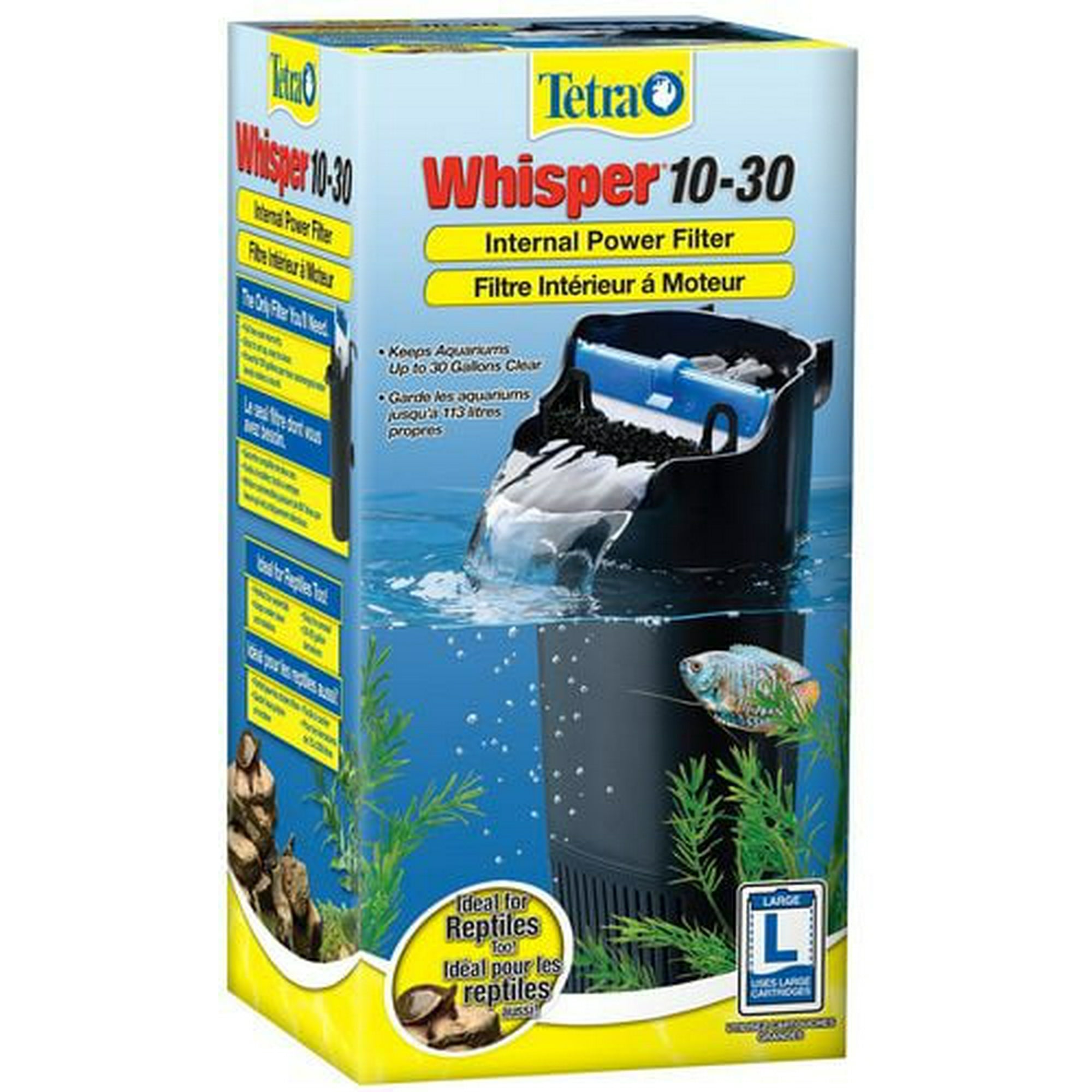
Upgrading Equipment For Efficiency
Upgrading equipment can improve tank efficiency. Newer models often use less energy.
Consider replacing old devices with energy-efficient versions. This can save money and enhance water quality.
Credit: www.walmart.ca
Tips For Community Tank Harmony
Keeping a community aquarium peaceful needs good care and planning. Fish live better when their needs match.
This guide shares simple tips to keep your tank safe and happy for all fish.
Selecting Compatible Species
Choose fish that get along well. Avoid mixing very active fish with shy ones. Some fish may fight or eat smaller fish.
Research each species before adding it. Know their size, diet, and behavior to avoid problems.
- Pick fish with similar temperaments
- Avoid aggressive species with peaceful ones
- Match fish that need the same water conditions
- Keep schooling fish in groups of five or more
Managing Stocking Density
Do not overcrowd the tank. Too many fish cause stress and poor water quality. Each fish needs space to swim freely.
Follow general rules for tank size and fish number. Check how big your fish will grow and plan space for them.
- Use one inch of fish per gallon of water as a guide
- Provide hiding spots to reduce stress
- Regularly clean the tank and change water
- Watch water quality to keep fish healthy
Observing Fish Behavior
Watch your fish daily. Look for signs of stress, sickness, or fighting. Early action helps keep peace in the tank.
Notice if any fish hides too much or acts aggressively. These behaviors can show if the tank needs changes.
- Check if fish eat well and swim normally
- Look for torn fins or marks from fights
- Separate aggressive fish if needed
- Keep a log of any behavior changes

Credit: www.reddit.com
Frequently Asked Questions
What Is The Best Water Treatment For Community Tanks?
The best treatment involves regular water changes, use of dechlorinators, and beneficial bacteria supplements. These maintain water quality and balance. Avoid harsh chemicals to protect fish health. Consistent testing ensures safe ammonia, nitrite, and nitrate levels for all inhabitants.
How Often Should I Treat Aquarium Water In Community Tanks?
Treat water weekly or during each water change to maintain a stable environment. Frequent testing guides treatment frequency. Promptly address any toxin spikes or algae issues. Regular care prevents fish stress and disease in community tanks.
Can I Use Chemical Treatments In Community Aquariums?
Yes, but cautiously. Use chemicals designed for community tanks to avoid harming sensitive species. Always follow dosage instructions and remove activated carbon during treatment. Prefer natural methods first, like biological filtration and water changes, to maintain a healthy tank ecosystem.
Why Is Dechlorination Important In Aquarium Water Treatment?
Dechlorination removes harmful chlorine and chloramine from tap water. These chemicals can stress or kill fish. Using a dechlorinator before adding water ensures a safe and healthy environment. It supports beneficial bacteria and overall tank stability.
Conclusion
Healthy water keeps community tanks safe and fish happy. Regular testing helps catch problems early. Use the right treatments to balance water chemicals. Clean water reduces fish stress and disease. Always follow product instructions carefully for best results. Consistent care creates a thriving aquarium environment.
Small steps make a big difference in water quality. Keep learning and adjusting your routine as needed. Enjoy watching your community tank flourish over time.