If you use city water for your aquarium, you might be unknowingly risking your fish’s health. City water often contains chemicals like chlorine and chloramine that can harm your aquatic pets.
But don’t worry—there are simple and effective ways to treat your water and create a safe environment for your fish. You’ll discover easy steps to transform city water into a perfect home for your aquarium. Keep reading to learn how to protect your fish and enjoy a thriving underwater world.
Challenges Of City Water
City water often contains chemicals and minerals that can harm fish and plants. It needs special treatment before use in aquariums.
Understanding city water problems helps keep your aquarium safe and healthy for aquatic life.
Common Contaminants In Tap Water
Tap water has many substances added to make it safe for humans. Some of these can be bad for fish and plants in aquariums.
Chlorine and chloramine are common chemicals used to kill bacteria. Heavy metals like lead and copper may also be present. These can cause harm to aquatic life.
- Chlorine and chloramine
- Heavy metals (lead, copper)
- Fluoride
- Hardness minerals (calcium, magnesium)
- Pharmaceutical residues
Effects On Aquarium Health
Contaminants in city water can stress or poison fish. They can also damage beneficial bacteria in filters.
Chlorine and chloramine can burn fish gills. Heavy metals may cause sickness or death. Hard water minerals can affect pH and fish comfort.
- Fish gill damage from chlorine
- Poisoning from heavy metals
- Disruption of biological filters
- Stress from pH changes
- Plant growth problems
Testing City Water Quality
Testing your tap water helps find harmful chemicals and minerals. This lets you treat the water correctly before adding it to the aquarium.
Test kits can measure chlorine, pH, hardness, and metals. Regular testing ensures safe water conditions for fish and plants.
- Chlorine and chloramine test kits
- pH and hardness meters
- Heavy metal test strips
- Ammonia and nitrite tests
- Regular water checks
Preparing City Water For Aquariums
City water often contains additives that can harm aquarium life. Proper treatment is essential for a safe environment.
Learn how to prepare city water to keep your fish healthy and thriving. Follow these methods to ensure clean and balanced water.
Dechlorination Methods
Chlorine in tap water can be harmful to fish. Removing it is crucial for aquarium safety.
- Use water conditioners to neutralize chlorine.
- Let water sit for 24 hours to allow chlorine to evaporate.
- Install a dechlorinating filter for continuous treatment.
Removing Heavy Metals
Heavy metals in water can be toxic to aquatic life. It’s important to remove them effectively.
| Method | Description |
| Water Conditioner | Neutralizes harmful metals |
| Reverse Osmosis | Removes impurities efficiently |
| Activated Carbon | Absorbs metals and impurities |
Balancing Ph Levels
Maintaining the correct pH level is vital for fish health. Test and adjust the pH to suit your aquarium’s needs.
Essential Water Treatments
City water often contains chemicals and impurities not safe for fish. Treating this water is vital for a healthy aquarium.
Using proper water treatments removes harmful substances and supports aquatic life growth.
Using Water Conditioners
Water conditioners remove chlorine and chloramine from city water. These chemicals can harm fish and plants.
Conditioners also detoxify heavy metals like copper and lead. This makes water safe for your aquarium.
- Neutralize chlorine and chloramine
- Detoxify heavy metals
- Protect fish gills and skin
- Make water safe for plants
Beneficial Bacteria Additives
Beneficial bacteria help break down fish waste and leftover food. They keep the water clean and balanced.
Adding these bacteria speeds up the cycling process. It creates a healthy environment faster.
- Break down harmful ammonia and nitrites
- Support natural nitrogen cycle
- Improve water clarity
- Reduce bad odors
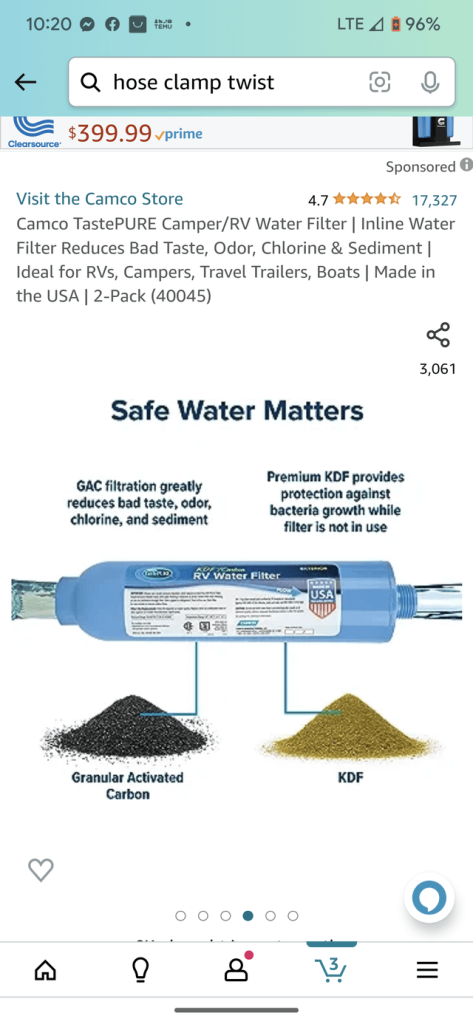
Activated Carbon Filtration
Activated carbon removes impurities, chemicals, and odors from aquarium water. It helps maintain clear water.
This filtration prevents toxins from building up. It also improves water taste and smell.
- Absorbs organic compounds
- Removes discoloration
- Reduces harmful chemicals
- Improves water clarity and quality

Credit: www.amazon.com
Maintaining Water Quality
Good water quality is key for a healthy aquarium. City water often contains chemicals that can harm fish and plants.
Treating the water properly keeps the aquarium safe and clear. It helps fish stay healthy and plants grow strong.
Regular Water Changes
Changing water often removes waste and harmful chemicals. It keeps the water fresh and balanced.
- Replace 10-20% of the water every week
- Use a siphon to clean the tank bottom
- Always treat city water with a water conditioner
- Match the new water temperature to the tank
Monitoring Parameters
Check water parameters to keep fish safe. Regular testing helps spot problems early.
| Parameter | Safe Range | Why It Matters |
| pH | 6.5 – 7.5 | Fish need stable acidity |
| Ammonia | 0 ppm | Poisonous to fish |
| Nitrite | 0 ppm | Harmful chemical byproduct |
| Nitrate | < 40 ppm | High levels cause stress |
| Chlorine | 0 ppm | Harms fish and bacteria |
Preventing Algae Growth
Algae can cloud water and use oxygen. Control algae to keep the tank clean.
- Limit light to 8-10 hours daily
- Do not overfeed fish
- Remove visible algae with a scraper
- Add live plants to compete with algae
Advanced Tips For Sensitive Species
City water often contains chemicals and minerals that can harm sensitive fish. Proper water treatment is key to their health. Using special methods helps create a safe environment.
These tips focus on treating city water for delicate species. They help keep water clean and balanced for fish that need soft or pure water.
Reverse Osmosis Systems
Reverse osmosis (RO) systems remove most impurities from city water. They filter out chlorine, heavy metals, and minerals. This creates very pure water for sensitive fish.
Use RO water to avoid harmful chemicals and control water quality. Always add back minerals after RO filtering to keep fish healthy.
- Removes chlorine and chloramine
- Filters out heavy metals
- Reduces water hardness and impurities
- Provides a clean base for custom water setups
Buffering For Soft Water Fish
Soft water fish need stable pH and low minerals. Buffering keeps pH from dropping too low. It prevents dangerous swings that stress fish.
Use natural buffers like peat moss or commercial buffering agents. Test pH often to keep it in the right range.
- Buffers stabilize pH levels
- Prevent sudden pH drops
- Use peat moss or baking soda carefully
- Test water weekly for best results
Customizing Water Hardness
Different fish need different water hardness levels. Adjust hardness by mixing RO water with city water. Add minerals to raise hardness if needed.
Use test kits to measure GH (general hardness) and KH (carbonate hardness). Keep hardness stable to avoid stress and health issues.
- Mix RO and tap water to get target hardness
- Add mineral supplements for needed hardness
- Measure GH and KH regularly
- Keep hardness steady for healthy fish

Credit: www.amazon.com

Credit: www.reddit.com
Frequently Asked Questions
How To Make City Water Safe For Aquarium Use?
City water often contains chlorine and chloramine, which harm fish. Use water conditioners to neutralize these chemicals before adding water to your aquarium. Test your water regularly to ensure safety and maintain a healthy environment for your aquatic pets.
Why Is Dechlorination Necessary For Aquarium Water?
Dechlorination removes harmful chlorine and chloramine present in city water. These chemicals can damage fish gills and beneficial bacteria. Using a water conditioner ensures a safe habitat, promoting fish health and stable aquarium conditions.
Can Tap Water Affect Aquarium Fish Health?
Yes, untreated tap water may contain toxins, heavy metals, or fluctuating pH levels. Treating city water with conditioners balances water chemistry, removing harmful substances. Proper treatment prevents stress and diseases, ensuring long-term fish well-being.
How Often Should City Water Be Treated For Aquariums?
Treat new water every time you change or top off your aquarium water. Consistent treatment prevents toxic buildup and maintains water quality. Regular testing helps you adjust treatment frequency based on water condition changes.
Conclusion
Treating city water is key for a healthy aquarium. Tap water may contain chlorine or harmful chemicals. Removing these keeps fish safe and water clear. Using water conditioners helps balance pH and remove toxins. Regular testing ensures the water stays good for fish.
Clean water means happy, thriving fish. Simple steps make a big difference in your aquarium’s health. Always prepare water carefully before adding it to the tank. This keeps your underwater world fresh and safe every day.