
If you keep cichlids, you know how important clean, healthy water is for their vibrant colors and active behavior. But treating aquarium water for cichlids can feel confusing or overwhelming.
What exactly does your water need to stay safe and balanced? How can you prevent common problems like algae, toxins, or harmful bacteria from harming your fish? This guide will give you simple, practical steps to make sure your cichlids thrive in the best water possible.
Keep reading, and you’ll learn how to create a perfect home for your fish—one that helps them grow strong and live happily.

Credit: www.amazon.in
Water Parameters For Cichlids
Cichlids need specific water conditions to stay healthy. Proper water parameters help them grow strong and live longer.
Keeping the water balanced reduces stress and prevents diseases in your aquarium fish.
Ideal Ph Levels
Cichlids prefer water that is slightly alkaline. The right pH keeps their bodies working well.
Most cichlids thrive in pH levels between 7.5 and 8.5. Some species may need slight changes.
- Lake Malawi cichlids: pH 7.8 to 8.6
- Lake Tanganyika cichlids: pH 7.8 to 9.0
- South American cichlids: pH 6.5 to 7.5 (slightly acidic)
Temperature Range
Cichlids live best in warm water. The right temperature helps them stay active and healthy.
Keep the aquarium water between 75°F and 82°F (24°C to 28°C). Avoid sudden temperature changes.
- Lake Malawi cichlids: 76°F to 82°F (24°C to 28°C)
- Lake Tanganyika cichlids: 75°F to 79°F (24°C to 26°C)
- South American cichlids: 75°F to 80°F (24°C to 27°C)
Water Hardness
Water hardness affects cichlid health and coloration. They prefer hard water with minerals.
General hardness (GH) should be between 10 and 20 dGH. Carbonate hardness (KH) helps keep pH stable.
| Type | Ideal Range (dGH) |
|---|---|
| Lake Malawi cichlids | 10 – 20 |
| Lake Tanganyika cichlids | 12 – 20 |
| South American cichlids | 5 – 15 |
Choosing The Right Filtration
Keeping cichlids healthy needs clean water. Filtration removes waste and toxins. Choosing the right filter helps your fish thrive.
There are three main types of filtration. Each plays a key role in water treatment. Learn how they work and pick the best for your aquarium.
Mechanical Filtration
Mechanical filtration removes solid waste from the water. It traps fish waste, uneaten food, and debris. This keeps the water clear and clean.
- Use sponge filters or filter floss to trap particles
- Clean or replace filter media regularly
- Good mechanical filtration prevents clogging in other filter types
Biological Filtration
Biological filtration uses beneficial bacteria to break down harmful chemicals. These bacteria turn ammonia into less harmful substances. This process protects your cichlids from toxins.
| Filter Type | Biological Media | Benefits |
| Canister Filter | Ceramic Rings | Large surface area for bacteria growth |
| Hang-on-back Filter | Bio-balls | Easy to maintain and replace |
| Sponge Filter | Sponge | Good for small tanks and fry |
Chemical Filtration
Chemical filtration removes toxins and odors. It uses special media to clean the water further. This type is useful to keep water clear and healthy.
Common chemical filter media include:
- Activated carbon: removes odors and discoloration
- Zeolite: absorbs ammonia
- Phosphate removers: control algae growth
Regular Water Testing
Keeping your aquarium water healthy is vital for cichlids. Regular testing helps maintain a balanced environment. This prevents harmful conditions that might stress or harm your fish.
In this guide, we focus on key water parameters. Learn how to test for ammonia, nitrite, nitrate, pH, and hardness. These checks ensure a thriving habitat for your aquatic pets.
Testing Ammonia And Nitrite
Ammonia and nitrite are toxic to cichlids. Test these levels weekly to keep them low. High levels can lead to fish stress or death.
- Use a reliable aquarium test kit.
- Follow the instructions carefully.
- Log results in a journal for comparison.
Monitoring Nitrate Levels
Nitrate is less toxic but still needs monitoring. High levels can cause algae growth and stress in fish. Test nitrate levels every two weeks.
| Parameter | Safe Level |
| Ammonia | 0 ppm |
| Nitrite | 0 ppm |
| Nitrate | Below 20 ppm |
Tracking Ph And Hardness Changes
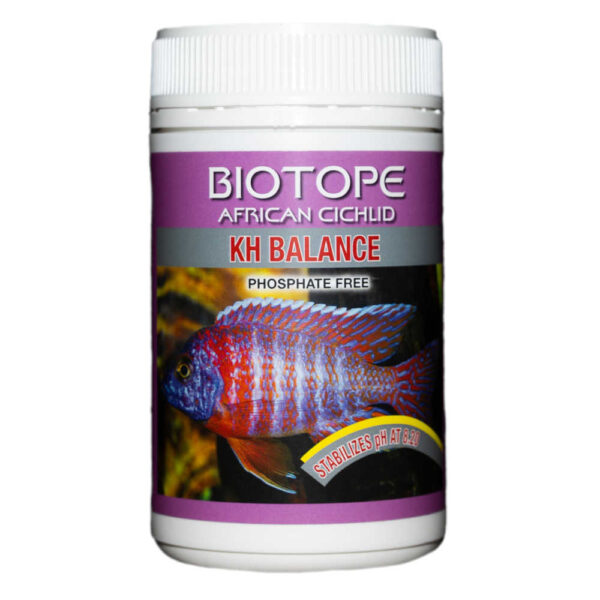
Cichlids prefer stable pH and hardness levels. Sudden changes can cause stress. Test these parameters once a month for consistency.
Credit: roxyaquarium.com.au
Water Change Best Practices
Keeping the water clean is key to healthy cichlids. Regular water changes remove waste and toxins. This helps fish stay strong and active.
Learn how often to change water, how much to replace, and how to treat new water. These tips keep your aquarium safe.
Frequency Of Water Changes
Changing water often keeps the tank healthy. For cichlids, change water every week or every two weeks. More frequent changes help if the tank is crowded.
- Small tanks: change water once a week
- Larger tanks: change water every two weeks
- High fish load: change water weekly or more
- Check water quality to decide frequency
Amount Of Water To Change
Change enough water to clear waste but keep tank stable. Usually, 20% to 30% of the water is good. Avoid changing too much at once.
| Tank Size | Water Change Amount |
| Under 20 gallons | 20% to 25% |
| 20 to 50 gallons | 25% to 30% |
| Over 50 gallons | 30% |
Using Conditioners And Dechlorinators
Tap water has chlorine and chloramine that harm fish. Use water conditioners to remove these chemicals. Add conditioner before putting water in the tank.
- Always treat new water with dechlorinator
- Follow product instructions for dosing
- Use conditioners that remove chloramine and chlorine
- Test water after treatment to ensure safety
Managing Algae Growth
Algae can quickly take over a cichlid aquarium. It harms water quality and fish health. Managing algae growth helps keep your tank clean and safe.
This guide covers common causes of algae, natural and chemical controls, and how to balance light and nutrients.
Common Causes Of Algae
Algae grow because of extra light, excess nutrients, and poor water flow. These factors create a perfect environment for algae to thrive.
- Too much direct sunlight or artificial light
- High levels of nitrates and phosphates in water
- Overfeeding fish, which adds extra nutrients
- Infrequent water changes that allow waste buildup
- Stagnant water with low circulation
Natural And Chemical Controls
Use natural methods like adding algae-eating fish or snails. Chemical treatments can also reduce algae but must be used carefully to avoid harming cichlids.
| Control Method | Description | Notes |
| Algae-eating fish | Fish that eat algae off surfaces | Choose species compatible with cichlids |
| Snails | Snails consume algae and leftovers | Can reproduce quickly, monitor population |
| Algaecides | Chemicals that kill algae | Use sparingly; follow instructions closely |
| Regular water changes | Remove nutrients that feed algae | Safe for cichlids and aquarium plants |
Balancing Light And Nutrients
Control light exposure and nutrient levels to prevent algae growth. Avoid too much light and keep feeding moderate.
Tips to balance light and nutrients:
- Limit tank light to 8-10 hours per day
- Use a timer to keep light consistent
- Feed cichlids only what they can eat in minutes
- Test water weekly for nitrate and phosphate levels
- Change 20-30% of water weekly to reduce excess nutrients

Credit: www.amazingamazon.com.au
Preventing Diseases Through Water Care
Caring for aquarium water is key to keeping cichlids healthy. Clean water lowers disease risks and helps fish thrive.
Good water care includes monitoring quality and following steps to avoid contamination. This protects your fish from common problems.
Common Waterborne Diseases
Cichlids can get sick from bacteria, parasites, and fungi in water. Some common diseases include Ich, fin rot, and fungal infections.
- Ich (White Spot Disease):Causes white spots on fish skin and fins.
- Fin Rot:Leads to ragged or decaying fins.
- Fungal Infections:Show as cotton-like growths on fish.
Maintaining Clean Environment
Keep the aquarium clean to prevent disease. Regular water changes and filter cleaning are essential.
| Task | Frequency |
| Partial Water Change (20-30%) | Once a Week |
| Clean Filter Media | Every 2 Weeks |
| Remove Uneaten Food | Daily |
| Test Water Parameters | Weekly |
Quarantine Procedures
New fish can carry diseases. Quarantine new cichlids before adding them to the main tank.
- Set up a separate tank with clean water.
- Keep new fish isolated for two weeks.
- Watch for signs of illness during quarantine.
- Only add fish that show no symptoms to the main tank.
Special Considerations For Different Cichlid Species
Cichlids are popular aquarium fish with specific water needs. Each species requires unique conditions for optimal health.
Understanding these requirements helps in maintaining a healthy environment for your cichlids.
African Cichlids
African Cichlids thrive in hard, alkaline water. They are native to the rift lakes of Africa.
- Maintain pH between 7.8 and 8.6
- Water temperature should be 75-82°F (24-28°C)
- Use aragonite sand to stabilize pH
South American Cichlids
South American Cichlids prefer soft, slightly acidic water. They are often found in the Amazon basin.
| Water Parameter | Recommended Range |
| pH | 6.0 to 7.0 |
| Temperature | 72-78°F (22-26°C) |
| Hardness | 2-10 dGH |
Dwarf Cichlids
Dwarf Cichlids are small and colorful. They need stable and well-maintained water conditions.
Frequently Asked Questions
How Often Should I Change Water For Cichlids?
Change 20-30% of aquarium water weekly to maintain quality. Regular changes remove toxins and replenish essential minerals. This helps keep cichlids healthy and vibrant.
What Is The Ideal Ph For Cichlid Tanks?
Cichlids thrive in pH between 7. 8 and 8. 6. Maintaining stable pH prevents stress and promotes natural behavior. Use pH test kits to monitor regularly.
Which Water Treatments Are Safe For Cichlids?
Use dechlorinators and water conditioners designed for freshwater fish. Avoid harsh chemicals that can harm cichlids’ delicate gills. Always follow product instructions carefully.
How Do I Remove Ammonia In A Cichlid Aquarium?
Perform frequent water changes and use biological filters to reduce ammonia. Beneficial bacteria convert ammonia to less harmful substances. Test water weekly to monitor ammonia levels.
Conclusion
Caring for cichlids means keeping their water clean and safe. Treating aquarium water helps fish stay healthy and happy. Test water regularly to catch problems early. Use proper filters and change water on time. Avoid harmful chemicals that can hurt your fish.
Clean water means bright colors and active swimming. Small steps make a big difference in fish care. Keep your cichlids in the best environment possible. Healthy water leads to a thriving aquarium every day.