
If you own a betta fish, you know how important clean water is for its health and happiness. But do you really know how to keep your aquarium water safe and balanced?
Treating your betta’s water isn’t just about changing it—it’s about creating the perfect environment where your fish can thrive. You’ll discover simple, effective ways to treat your aquarium water that will keep your betta active and vibrant. Ready to make sure your betta lives its best life?
Let’s dive in and get started!
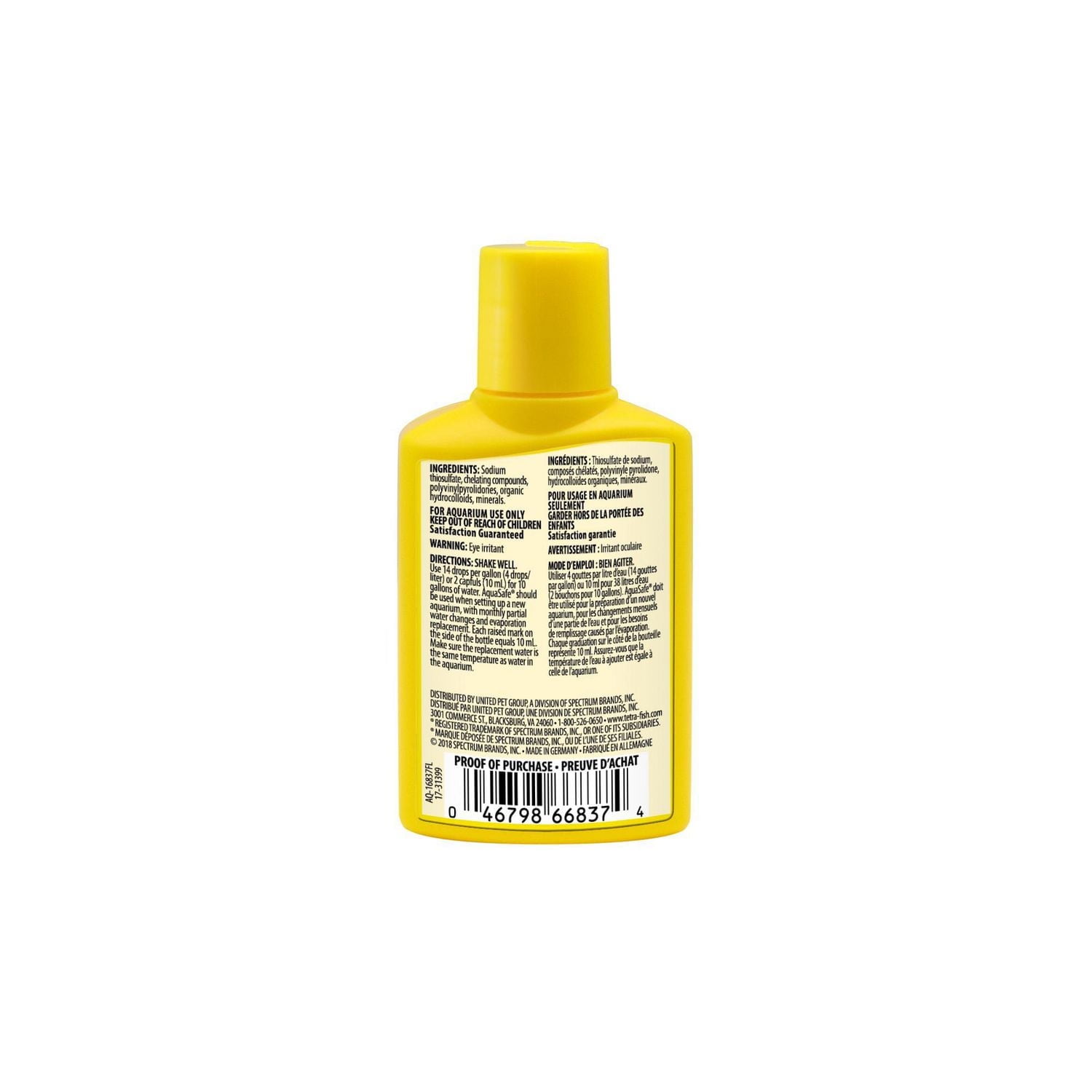
Credit: www.walmart.ca
Choosing The Right Water
Bettas need clean and safe water to live well. Choosing the right water helps keep them healthy. Not all water types work the same for betta tanks.
This guide covers important things to know about tap water, bottled water, water temperature, and pH levels for bettas.
Tap Water Vs. Bottled Water
Tap water is common and easy to get. It often has chlorine and minerals that can harm bettas. Bottled water may be purer but can lack minerals fish need.
- Tap water needs treatment to remove chlorine and chloramine.
- Bottled water is usually free of chemicals but check for added minerals.
- Use water conditioners to make tap water safe.
- Test water regularly for harmful chemicals.
- Never use distilled water alone; it lacks essential minerals.
Water Temperature Considerations
Bettas are tropical fish and need warm water. The right temperature keeps them active and healthy. Too cold or too hot water can cause stress or illness.
| Temperature Range | Effect on Bettas |
|---|---|
| 74°F to 80°F (23°C to 27°C) | Ideal, keeps bettas healthy and active |
| Below 70°F (21°C) | Can cause lethargy and weakened immune system |
| Above 82°F (28°C) | May increase stress and shorten lifespan |
Ph Levels For Bettas
The pH level shows how acidic or basic the water is. Bettas prefer slightly acidic to neutral water. Keeping pH stable helps avoid stress and disease.
Recommended pH range for bettas:
- 6.5 to 7.5 – Best range for healthy bettas
- Below 6.0 – Water too acidic, can harm bettas
- Above 8.0 – Water too basic, may cause stress
Test pH weekly and adjust using water treatments if needed.

Credit: www.amazon.com
Filtration Basics
Clean water is essential for betta fish health. A good filter helps remove waste and toxins. It keeps the water clear and safe.
Choosing the right filter and caring for it ensures your betta lives in a healthy environment. This guide covers important filtration tips.
Types Of Filters Suitable For Bettas
Bettas need gentle filtration. Strong currents can stress or harm them. Here are common filters that work well:
- Sponge filters: Provide gentle water flow and good biological filtration.
- Hang-on-back (HOB) filters: Can be adjusted to lower flow for bettas.
- Internal filters: Small and fit inside the tank; ensure low current.
- Undergravel filters: Use gravel as a filter medium with very mild flow.
Maintaining Filter Efficiency
Regular care keeps the filter working well. Clean or replace parts often but avoid removing all bacteria at once. Here is a simple routine:
- Rinse filter sponges or media in tank water every two weeks.
- Check the filter for clogs or debris weekly.
- Replace filter cartridges as recommended by the manufacturer.
- Keep the intake clear to maintain water flow.
- Monitor water quality with tests to catch problems early.
Avoiding Strong Currents
| Method | Description |
|---|---|
| Flow Control | Use filters with adjustable flow settings or add valves to reduce speed. |
| Flow Deflectors | Attach sponges or baffles to soften water movement. |
| Placement | Position filter outlets to avoid direct flow toward the betta’s swimming area. |
| Tank Size | Choose a filter suited for the tank size to prevent overpowering currents. |
Water Conditioning Essentials
Keeping betta fish healthy needs clean water. Treating aquarium water is key to their survival. Water conditioning removes harmful chemicals and keeps water safe.
Good water quality helps bettas live longer and stay active. Knowing how to use water conditioners is important for every betta owner.
Using Dechlorinators
Tap water has chlorine that can harm bettas. Dechlorinators remove chlorine and chloramine from water. This makes water safe for fish to live in.
Always add dechlorinator before putting water in the tank. It works fast to protect fish from chemical burns and stress.
Removing Heavy Metals
Heavy metals like copper and lead can be toxic to bettas. Water conditioners bind these metals to stop them from hurting fish. This keeps the water safe for long-term use.
Regular water changes with conditioners help reduce heavy metal buildup. This prevents health problems and keeps bettas lively.
Benefits Of Water Conditioners
Water conditioners improve water quality quickly. They remove harmful chemicals and protect fish gills. Conditioners also help maintain a balanced environment.
- Remove chlorine and chloramine
- Neutralize heavy metals
- Reduce fish stress and illness
- Support healthy fish growth
- Improve water clarity and smell

Credit: www.amazon.com
Regular Water Changes
Keeping betta fish healthy means keeping their water clean. Regular water changes help remove waste and toxins. Clean water also keeps your betta active and colorful.
Water changes are one of the easiest ways to care for your betta. Knowing how often and how to change the water is important. You also need to check the water quality to keep your fish safe.
How Often To Change Water
For a small betta tank, change 25% to 50% of the water every week. Larger tanks with filters may need less frequent changes. Watch your fish for signs of stress or dirty water.
Proper Water Change Techniques
- Turn off all electrical devices near the tank.
- Use a siphon to remove water gently.
- Never remove all the water at once to avoid stress.
- Replace with water at the same temperature as the tank.
- Use a water conditioner to remove chlorine and chloramine.
- Pour the new water slowly to avoid disturbing the fish.
Monitoring Water Quality
| Parameter | Safe Range | How to Test |
| Ammonia | 0 ppm | Use ammonia test kit |
| Nitrite | 0 ppm | Use nitrite test kit |
| Nitrate | Below 20 ppm | Use nitrate test kit |
| pH | 6.5 to 7.5 | Use pH test strips or meter |
| Temperature | 76°F to 82°F (24°C to 28°C) | Use aquarium thermometer |
Preventing Common Water Issues
Keeping betta fish healthy means keeping their water clean and safe. Water problems can harm your fish quickly. This guide helps you stop common water issues in your betta tank.
Learn how to control algae, clear cloudy water, and manage harmful chemicals like ammonia and nitrites. Simple steps keep your aquarium fresh and safe for your betta.
Controlling Algae Growth
Algae can grow fast and make your tank look dirty. It also uses up oxygen your betta needs. Control algae by keeping light and nutrients balanced in the tank.
- Limit aquarium light to 8-10 hours a day
- Do not overfeed your betta; leftover food feeds algae
- Change 25% of the water weekly to reduce nutrients
- Add live plants to compete with algae for nutrients
- Clean tank walls gently with an algae scraper
Dealing With Cloudy Water
Cloudy water may look bad and stress your betta. It can come from dirt, bacteria, or chemicals. Regular care helps keep water clear and safe.
| Cause | Solution |
| Uneaten food and waste | Feed less and clean tank regularly |
| New tank bacterial bloom | Wait and do partial water changes |
| High fish waste levels | Use a good filter and test water weekly |
Managing Ammonia And Nitrite Levels
Ammonia and nitrites are toxic to bettas. They come from fish waste and old food. Testing water often helps catch these dangers early.
- Test water with aquarium test kits twice a week
- Do a 25% water change if levels rise above zero
- Clean the filter and remove waste from the tank
- Do not overfeed; remove leftover food quickly
- Use water conditioners that remove ammonia and nitrites
Testing And Monitoring
Keeping the water in a betta aquarium healthy is important. Testing and monitoring help ensure a safe habitat.
Use the right tools to check water quality. Regular tests can prevent issues before they start.
Essential Water Test Kits
Water test kits help check different elements in the aquarium. They detect harmful substances like ammonia and nitrite.
- Ammonia Test Kit
- Nitrite Test Kit
- Nitrate Test Kit
- pH Test Kit
- Hardness Test Kit
Interpreting Test Results
Understanding test results is vital. This helps you know when to take action.
Safe levels: Ammonia (0 ppm), Nitrite (0 ppm), Nitrate (<20 ppm), pH (6.5-7.5).
Tracking Changes Over Time
Keeping a record of water tests helps track changes. This can signal when water quality starts to shift.
| Date | Ammonia | Nitrite | Nitrate | pH |
| 01/10 | 0 ppm | 0 ppm | 10 ppm | 7.0 |
| 01/17 | 0 ppm | 0 ppm | 15 ppm | 7.1 |
| 01/24 | 0 ppm | 0 ppm | 18 ppm | 7.2 |
Additional Tips For Crystal Clear Tanks
Keeping your betta tank clean is important for their health. Crystal clear water makes your fish look beautiful.
Follow these tips to maintain a sparkling tank. Simple steps keep your bettas happy and healthy.
Avoiding Overfeeding
Overfeeding makes the water dirty. Feed your bettas small amounts twice a day.
Uneaten food turns into waste. This waste clouds the water and harms your fish.
- Use a small feeding spoon
- Remove leftover food after 5 minutes
- Feed only what your fish can eat
Choosing Live Plants
Live plants help keep the water clean. They absorb harmful substances and provide oxygen.
Choose plants that are easy to care for. They should match your tank size.
- Anubias and Java Fern are good choices
- Plants need light, so place your tank wisely
- Trim plants regularly for better growth
Regular Tank Cleaning Practices
Regular cleaning keeps the water clear. Clean the tank every one to two weeks.
Use a gravel vacuum to remove debris. Change a portion of the water with fresh water.
- Clean filters monthly for best results
- Do not use soap or chemicals to clean
- Replace 10-15% of the water weekly
Frequently Asked Questions
How Do I Treat Aquarium Water For Bettas?
Treat aquarium water with a water conditioner to remove chlorine and chloramine. Maintain proper pH (6. 5-7. 5) and temperature (76-82°F). Regularly test water quality and perform partial water changes to keep ammonia and nitrate low.
Why Is Water Treatment Important For Betta Fish?
Water treatment removes harmful chemicals and toxins. It prevents stress and diseases in bettas. Clean water promotes healthy gill function and vibrant colors. Proper treatment enhances betta lifespan and overall well-being.
How Often Should I Change Betta Aquarium Water?
Change 25-30% of the water weekly to maintain cleanliness. Avoid full water changes to preserve beneficial bacteria. Partial changes help keep ammonia and nitrate levels safe for your betta’s health.
What Chemicals Should I Avoid In Betta Tank Water?
Avoid chlorine, chloramine, heavy metals, and ammonia. These chemicals can harm bettas. Use only fish-safe water conditioners to neutralize harmful substances before adding water to the tank.
Conclusion
Keeping your betta fish healthy starts with clean water. Treat aquarium water regularly to remove harmful chemicals. Use water conditioners to make tap water safe. Test water often to check ammonia, nitrite, and pH levels. Change water partially to keep the tank fresh.
A happy betta needs stable, clean water every day. Small steps make a big difference in fish health. Remember, clear water means a strong, vibrant betta. Simple care keeps your fish swimming happily.