
If you keep aggressive fish in your aquarium, you know how challenging it can be to maintain a healthy environment. These fish are strong, active, and sometimes unpredictable, which means your water needs special care.
The right water treatment can make all the difference in keeping your fish vibrant and stress-free. You’ll discover simple, effective ways to treat your aquarium water that will help your aggressive fish thrive. Keep reading to protect your fish and create a balanced, safe home for them.
Choosing The Right Filtration System
Aquarium water treatment is very important for aggressive fish species. They produce more waste and need clean water to stay healthy.
Choosing the right filtration system helps keep the water safe and balanced. Good filtration supports fish health and reduces stress.
Mechanical Filtration Benefits
Mechanical filtration removes solid waste like uneaten food and fish poop. It keeps the water clear and prevents debris buildup.
This type of filtration helps prevent harmful bacteria growth. It also stops water from becoming cloudy or smelly.
- Clears visible particles
- Prevents filter clogging
- Reduces water cloudiness
- Improves water flow
Biological Filtration Importance
Biological filtration uses good bacteria to break down toxic ammonia and nitrites. These chemicals are harmful to aggressive fish.
The bacteria live in filter media and convert waste into less harmful nitrate. This process keeps water safe for fish.
- Removes toxic ammonia
- Converts nitrites to nitrates
- Supports a healthy fish environment
- Maintains water quality over time
Chemical Filtration Options
Chemical filtration uses materials like activated carbon to remove impurities. It helps clear odors and discoloration from the water.
This filtration type can absorb harmful chemicals and toxins. It is useful for aggressive fish that produce more waste.
- Activated carbon removes odors and discoloration
- Resins can remove specific toxins
- Helps keep water clean between changes
- Supports overall water clarity

Credit: www.aqqapet.com
Water Parameters For Aggressive Fish
Aggressive fish need stable water conditions to stay healthy. Poor water quality can increase stress and fights.
Keeping the right water parameters helps reduce aggression and supports their natural behavior.
Ideal Ph Levels
Aggressive fish usually thrive in specific pH ranges. Keeping pH steady prevents health problems.
Most aggressive species prefer a pH between 6.5 and 7.5. Some may need slightly higher or lower levels.
- pH 6.5 to 7.5 suits many cichlids and bettas
- Stable pH avoids stress and fights
- Test water weekly to keep pH balanced
Optimal Temperature Range
Aggressive fish feel best in warm water. Temperature affects their activity and mood.
Keep the tank between 75°F and 82°F. Avoid sudden temperature changes to reduce stress.
- 75°F to 82°F is ideal for many species
- Use a reliable heater with thermostat
- Check temperature daily with a thermometer
Maintaining Proper Hardness
Water hardness affects fish health and behavior. Aggressive fish need moderate hardness levels.
General hardness (GH) between 8 and 12 dGH suits most aggressive species. Carbonate hardness (KH) helps stabilize pH.
| Parameter | Recommended Range |
|---|---|
| General Hardness (GH) | 8 – 12 dGH |
| Carbonate Hardness (KH) | 4 – 8 dKH |
Dechlorination And Water Conditioning
Aggressive fish species need clean water to stay healthy. Treating aquarium water helps remove harmful chemicals. Dechlorination and water conditioning make water safe for these fish.
Proper water treatment protects fish from stress and illness. It also helps maintain a stable environment. This guide explains key steps for water care.
Removing Harmful Chemicals
Tap water often contains chlorine and chloramine. These chemicals can hurt fish gills and skin. Removing them is important before adding water to the tank.
- Use a water conditioner that removes chlorine and chloramine.
- Let water sit for 24 hours to allow chlorine to evaporate if no conditioner is available.
- Test water regularly for harmful chemicals using test kits.
- Replace water in small amounts to avoid shocking fish.
Using Water Conditioners Safely
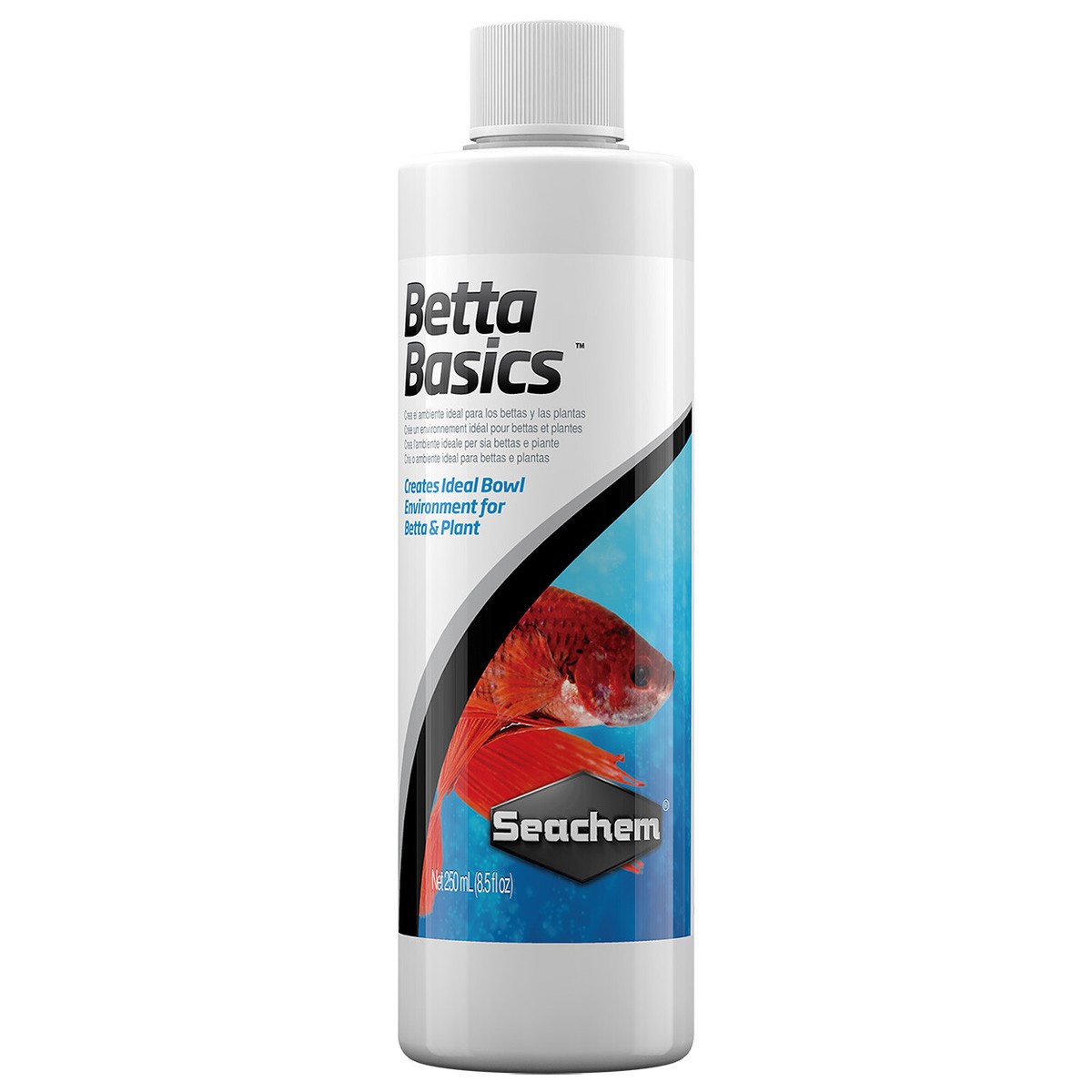
Water conditioners help neutralize harmful chemicals quickly. Using them correctly is key to fish health. Follow product instructions carefully for best results.
| Conditioner Type | Purpose | Safe Usage Tip |
| Dechlorinator | Removes chlorine and chloramine | Use exact dose per gallon |
| Detoxifier | Neutralizes heavy metals | Apply before adding water |
| Stress Coat | Protects fish skin and slime coat | Use with new water changes |
Credit: jungleaquatics.com
Managing Ammonia, Nitrite, And Nitrate
Aquarium water quality is very important for aggressive fish species. Ammonia, nitrite, and nitrate are harmful chemicals that can build up quickly.
Keeping these chemicals in safe levels helps fish stay healthy and reduces stress and fighting. Regular care and monitoring are needed.
Regular Testing Techniques
Testing your aquarium water often helps you catch problems early. Use test kits designed for aquarium use to measure ammonia, nitrite, and nitrate.
Test water at least once a week. Check more often if you see fish acting strange or water looks cloudy.
- Use liquid test kits for better accuracy
- Test ammonia first, it is the most toxic
- Check nitrite and nitrate levels after ammonia
- Record results to track changes over time
Effective Removal Methods
Removing excess ammonia, nitrite, and nitrate keeps fish safe. Perform partial water changes regularly to lower these chemicals.
Use biological filters to help beneficial bacteria break down harmful substances. Avoid overfeeding fish to reduce waste.
- Change 10-20% of water weekly
- Add live plants to absorb nitrates
- Use high-quality biological filter media
- Do not overcrowd the tank
- Feed fish small amounts and remove leftovers
Water Change Strategies
Keeping water clean is key for aggressive fish health. Regular water changes help remove waste and toxins.
Proper water change routines reduce stress and keep fish active and strong.
Frequency And Volume Guidelines
Water change frequency depends on tank size and fish load. Aggressive species produce more waste.
- Change 20-30% of water weekly for small to medium tanks.
- For larger tanks, 10-15% biweekly is often enough.
- Increase changes if water tests show high ammonia or nitrites.
- Use water conditioner to remove chlorine and chloramine before adding.
Best Practices For Stress Reduction
Stress can make aggressive fish more prone to illness. Follow these tips during water changes.
| Practice | Reason |
| Use a gentle water flow | Prevents startling fish |
| Match water temperature | Avoids temperature shock |
| Change water slowly | Reduces sudden environment change |
| Keep noise low | Limits stress from vibrations |
| Feed fish before water change | Distracts and calms fish |
Handling Aggressive Behavior And Stress
Aggressive fish can cause stress in your aquarium. Stress harms fish health and water quality. Treating water and managing behavior helps keep fish calm.
Understanding how aggression affects the tank is key. This guide explains water impact and how to create a peaceful space for your fish.
Impact On Water Quality
Aggressive fish often fight and injure each other. This raises waste and toxins in the water. High waste levels lower oxygen and increase ammonia.
| Water Issue | Cause | Effect |
| Ammonia Rise | Fish waste and injuries | Poisonous to fish |
| Oxygen Drop | High bacteria from waste | Fish struggle to breathe |
| pH Changes | Stress and waste buildup | Unstable water conditions |
Regular water tests are important. Clean water lowers stress and stops disease. Use filters and change water often.
Creating A Calming Environment
Calm fish fight less and stay healthier. You can change the tank to reduce stress and aggression.
- Provide hiding spots with plants and caves
- Keep tank size large enough for all fish
- Maintain steady water temperature and light
- Feed fish enough food to avoid competition
- Separate very aggressive fish if needed
Tip:Adding soft background music or white noise can reduce fish stress by masking sudden sounds.
Using Plants And Decorations
Plants and decorations play a vital role in aquariums. They help maintain a balanced environment for aggressive fish species.
These elements not only beautify the tank but also support fish well-being. They can reduce aggression and improve water quality.
Natural Filtration Benefits
Plants act as natural filters in the aquarium. They absorb toxins and produce oxygen. This helps maintain clean water.
| Plant Type | Filtration Benefit |
| Anubias | Reduces nitrate levels |
| Java Fern | Improves water clarity |
| Hornwort | Enhances oxygen levels |
Hiding Spots To Reduce Aggression
Hiding spots are crucial for aggressive fish. They offer refuge and help fish feel safe. This reduces stress and aggression.
- Use rocks to create caves
- Add driftwood for natural cover
- Place tall plants for secluded areas
Advanced Treatments And Additives
Maintaining a healthy aquarium for aggressive fish species is important. Advanced treatments and additives can help ensure water quality and fish health.
These treatments include beneficial bacteria supplements and medicinal additives. Each plays a key role in creating a balanced environment.
Beneficial Bacteria Supplements
Beneficial bacteria help break down waste in the aquarium. They keep the water clean and reduce harmful toxins.
These supplements support the nitrogen cycle. This cycle is essential for the fish’s health and the stability of the tank.
- Boosts biological filtration
- Reduces ammonia and nitrite levels
- Promotes a stable environment
Medicinal Additives For Health
Medicinal additives help treat and prevent fish diseases. They can be used to address common health issues in aggressive fish species.
These additives are available in liquid or powder form. They provide essential nutrients and support overall fish health.
| Type | Use |
| Anti-parasitic | Treats parasites |
| Anti-bacterial | Prevents bacterial infections |
| Vitamins | Enhances fish immunity |
Monitoring And Maintenance Tips
Keeping aquarium water clean is important for aggressive fish. Good water helps fish stay healthy and reduces stress.
Regular checks and care help keep water quality stable. This prevents problems and keeps fish safe.
Routine Equipment Checks
Check filters, heaters, and pumps often. These tools keep water clean and at the right temperature.
Look for signs like leaks, noise, or weak flow. Fix problems quickly to avoid harming the fish.
- Clean filter media every 2-4 weeks
- Test heaters to keep water stable
- Inspect air pumps for proper bubbles
- Check power cords and plugs for damage
Record Keeping For Water Quality
Keep a log of water tests and maintenance. This helps track changes and spot problems early.
Write down pH, ammonia, nitrite, and nitrate levels. Note the date and any actions taken.
- Test water weekly
- Record all maintenance work
- Note fish behavior and health
- Review records to adjust care as needed
Credit: www.ebay.com
Frequently Asked Questions
How Do I Treat Water For Aggressive Fish Species?
Treat water by maintaining proper pH, temperature, and hardness. Use quality filtration and regular water changes. Add stress-reducing additives to keep aggressive fish healthy and calm.
What Water Parameters Suit Aggressive Fish Best?
Aggressive fish thrive in stable pH between 6. 5-7. 5 and temperatures of 74-82°F. Moderate hardness supports their health. Consistent parameters reduce stress and aggression.
How Often Should I Change Water For Aggressive Fish?
Change 20-30% of water weekly to maintain cleanliness and remove toxins. Frequent water changes help prevent disease and keep aggressive fish vibrant and active.
Are Special Filters Needed For Aggressive Fish Tanks?
Yes, use strong, efficient filters to handle waste and maintain water quality. Filters with biological, mechanical, and chemical media work best for aggressive species.
Conclusion
Proper water treatment keeps aggressive fish healthy and calm. Clean water reduces stress and prevents diseases. Regular checks of water quality help spot problems early. Use filtration and water changes to maintain balance. Treating water supports a safe environment for all fish.
Aggressive species thrive better in stable, clean tanks. Careful attention leads to happier, longer-living fish. Simple steps make a big difference in fish health. Keep your aquarium water clear and well-maintained always.