
Keeping your adult aquarium healthy and vibrant starts with one simple step: proper water treatment. You might think that once your tank is set up, the water will take care of itself.
But the truth is, without the right treatment, harmful chemicals and waste can quickly build up, putting your fish and plants at risk. You’ll discover easy and effective ways to maintain crystal-clear water that supports a thriving aquatic environment. By the end, you’ll have the confidence to keep your adult tank’s water in top shape—making your underwater world a safe and beautiful place to enjoy every day.
Credit: www.walmart.ca
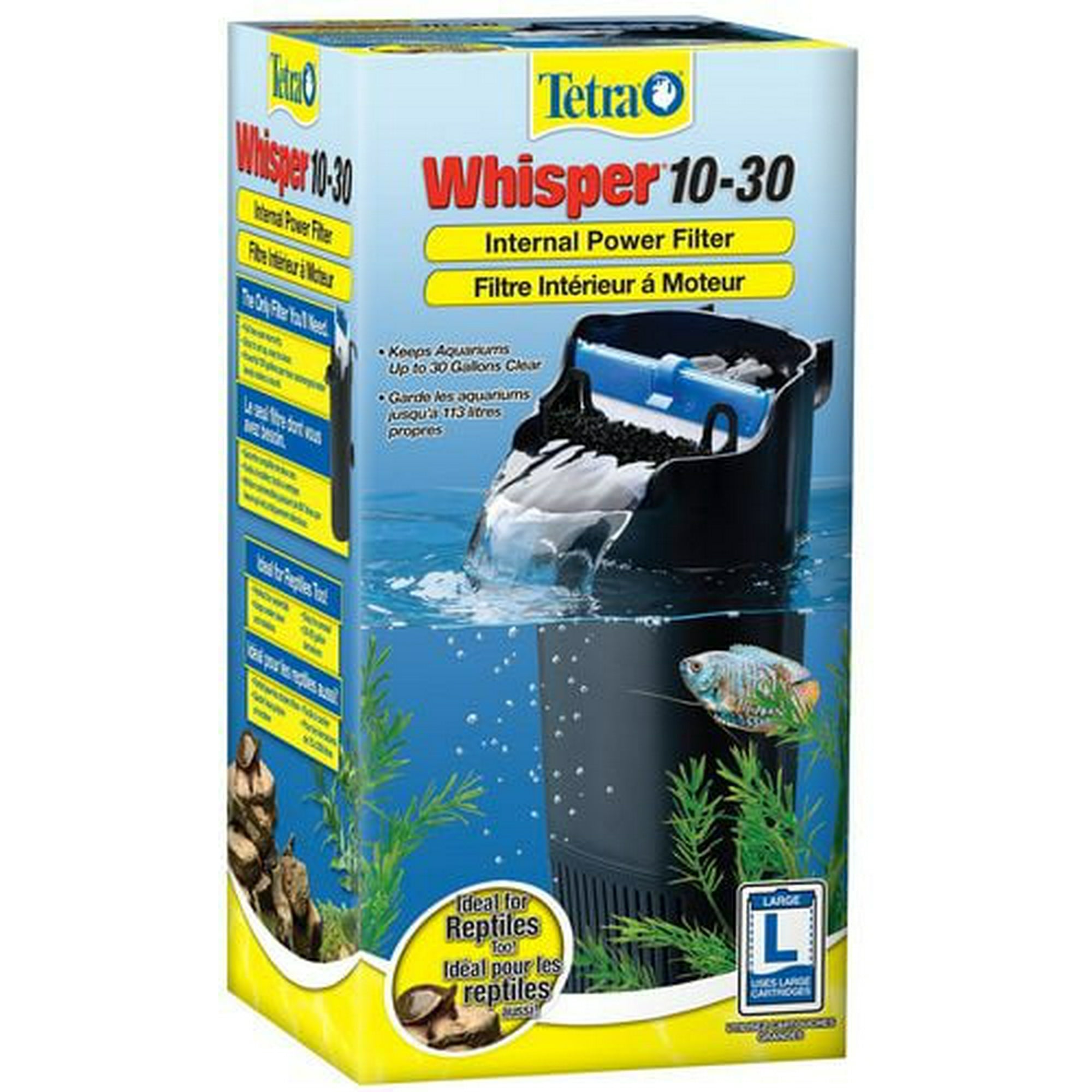
Choosing The Right Filtration
Keeping aquarium water clean is key for adult tanks. Good filtration helps keep fish healthy and water clear.
There are three main filter types. Each one removes different impurities from the water.
Mechanical Filters
Mechanical filters trap particles like uneaten food and waste. They keep the water clear by removing debris.
- Use sponges or filter floss to catch dirt
- Clean or replace filter media often
- Works best as the first filter stage
Biological Filters
Biological filters use good bacteria to break down harmful chemicals. They turn ammonia into less harmful nitrate.
| Filter Type | Main Function |
| Mechanical | Removes solid waste |
| Biological | Breaks down ammonia and nitrites |
| Chemical | Removes toxins and odors |
Chemical Filters
Chemical filters remove dissolved toxins and odors from water. They use activated carbon or resins.
Chemical filters help with:
- Removing chlorine and chloramine
- Reducing odors
- Eliminating discoloration
Regular Water Changes
Keeping aquarium water clean is important for fish health. Regular water changes help remove waste and toxins.
Changing water keeps the environment safe and balanced for adult fish tanks.
Frequency And Volume
Change water often enough to keep the tank healthy. Usually, 10-20% of the water should be changed weekly.
Adjust the amount and timing based on tank size, fish number, and filter type.
- Small tanks may need more frequent changes
- Larger tanks with strong filters need less frequent changes
- Heavily stocked tanks require larger water changes
Best Practices For Water Replacement
Use water that matches the tank’s temperature and pH. This prevents stress for the fish.
Remove water slowly and add new water gently to avoid disturbing fish and plants.
- Use a siphon to remove debris and water
- Treat tap water with a dechlorinator before adding it
- Check water temperature before adding it to the tank
- Do not change more than 25% of the water at once
Monitoring Water Parameters
Keeping aquarium water clean is vital for adult tanks. Monitoring water parameters helps keep fish healthy and active.
Regular checks prevent problems before they harm your aquatic pets. Focus on pH levels, ammonia, nitrite, and nitrate control.
Ph Levels
The pH level shows how acidic or basic the water is. Most adult fish thrive in a pH between 6.5 and 7.5. Keep the pH stable to avoid stress for your fish.
Test pH weekly using a reliable test kit. If the pH is too low or too high, use aquarium pH adjusters carefully.
Ammonia And Nitrite
Ammonia and nitrite are toxic waste products from fish and decaying food. Both should be kept at zero for a healthy tank.
- Test ammonia and nitrite levels twice a week.
- Use water conditioners to neutralize ammonia.
- Maintain good filtration to reduce nitrite.
- Perform partial water changes if levels rise.
Nitrate Control
Nitrate is less harmful but can build up over time. High nitrate levels can cause algae growth and stress fish.
| Nitrate Level (ppm) | Effect on Fish |
| 0-20 | Safe for most adult fish |
| 21-40 | Monitor closely and do water changes |
| 41+ | Harmful, do immediate water change |
Using Water Conditioners
Water conditioners help keep aquarium water safe for adult fish. They remove harmful chemicals and improve water quality. Using the right conditioner makes your tank healthy and clear.
Different types of conditioners serve different purposes. Some remove chlorine, others detoxify metals, and some add helpful minerals. Learn how each type works for your aquarium.
Dechlorinators
Dechlorinators remove chlorine and chloramine from tap water. These chemicals can harm fish and plants. Using dechlorinators ensures the water is safe before adding it to your tank.
- Neutralize chlorine quickly
- Break down chloramine safely
- Prevent damage to fish gills
- Protect beneficial bacteria in filters
Detoxifiers
Detoxifiers bind harmful heavy metals and chemicals. These pollutants come from tap water and decorations. Detoxifiers make these substances harmless to fish and plants.
| Heavy Metal | Source | Effect on Fish |
| Lead | Old pipes, paint | Damage to organs, stress |
| Copper | Algaecides, plumbing | Gills irritation, death |
| Nickel | Metal objects | Weakness, poor growth |
Beneficial Additives
Some conditioners add helpful minerals and bacteria. These improve water quality and support fish health. Beneficial additives can boost the tank’s natural balance.
Common benefits of additives:
- Enhance beneficial bacteria growth
- Supply essential minerals for fish
- Improve water clarity and smell
- Support fish immune systems
Controlling Algae Growth
Algae can be a problem in adult aquariums. It makes the tank look cloudy and dirty. Controlling algae is important for a healthy tank environment.
There are several ways to manage algae growth. These methods help keep your aquarium clean and clear.
Lighting Management
Light affects algae growth in aquariums. Too much light can make algae grow fast. Proper lighting helps control algae.
Keep lights on for 8-10 hours a day. Use a timer to manage lighting schedules.
- Use LED lights to reduce heat
- Place tank away from direct sunlight
- Adjust light intensity if algae increases
Algae Eaters
Algae eaters are fish or snails that eat algae. They help keep the tank clean naturally. Choose the right algae eaters for your tank size.
Popular choices include certain types of fish and snails. They can help reduce algae without chemicals.
- Siamese algae eaters are effective
- Nerite snails are good for small tanks
- Otocinclus catfish are gentle cleaners
Chemical Treatments
Chemical treatments can help control algae growth. Use them carefully to avoid harming fish. Always follow instructions on the package.
Chemicals should be a last resort. Use them if other methods do not work.
- Choose a treatment safe for your fish
- Test water regularly after using chemicals
- Use treatments sparingly to avoid overuse

Credit: www.amazon.com
Maintaining Proper Aeration
Aquarium water treatment is vital for healthy fish. Proper aeration keeps water oxygen-rich.
Let’s explore how air pumps and surface agitation help in maintaining aeration.
Air Pumps And Stones
Air pumps and stones introduce oxygen into the tank. They create bubbles that circulate water.
- Air pumps are easy to set up and maintain.
- Choose the right size pump for your tank.
- Air stones diffuse air into small bubbles.
- Place stones where they can circulate water best.
Surface Agitation
Surface agitation increases oxygen exchange. It prevents film from forming on the water surface.
- Use a filter that creates water movement.
- Position the filter outlet near the surface.
- Adjust the flow to increase surface movement.
Cleaning And Maintenance Tips
Keeping an adult aquarium clean helps fish stay healthy. Regular care keeps the water clear and safe.
Simple cleaning tasks prevent problems and make the tank look nice. This guide shows easy ways to care for your aquarium.
Gravel Vacuuming
Gravel vacuuming removes fish waste and leftover food from the tank bottom. It helps keep water quality high.
Use a siphon vacuum to clean the gravel without removing all water. Clean about 25% of the gravel each time.
- Move the vacuum slowly over the gravel
- Siphon debris into a bucket
- Avoid disturbing fish too much
- Do this every 1 to 2 weeks
Filter Cleaning
Filters keep water clear by trapping dirt and debris. Clean filters often to keep them working well.
Rinse filter media in tank water only. Avoid using tap water because it can kill good bacteria.
- Turn off the filter before cleaning
- Rinse sponges or cartridges in removed tank water
- Replace filter parts as recommended
- Clean filters every 3 to 4 weeks
Tank Surface Wiping
Wiping the tank’s glass removes algae and dust. It helps you see the fish clearly and keeps the tank bright.
Use a soft cloth or algae scraper designed for aquariums. Clean inside and outside glass regularly.
- Wipe inside glass weekly to remove algae
- Clean outside glass to remove fingerprints and dust
- Avoid using chemicals on the glass
- Keep cleaning tools separate from household items

Credit: www.amazon.com
Frequently Asked Questions
What Is The Best Water Treatment For Adult Aquariums?
The best water treatment for adult tanks includes dechlorinators, beneficial bacteria supplements, and regular water changes. These keep water safe and maintain a healthy environment for fish and plants. Always test water parameters to ensure proper balance and avoid harmful toxins.
How Often Should I Treat Aquarium Water In Adult Tanks?
Treat aquarium water during every water change, typically once a week or biweekly. Regular treatment removes toxins and replenishes essential minerals. Consistency prevents stress and disease in adult fish, promoting a stable and healthy aquatic environment.
Can I Use Tap Water Directly For Adult Aquarium Tanks?
Tap water should never be used directly. It contains chlorine and chloramines harmful to fish. Always treat tap water with a dechlorinator before adding it to your tank. This ensures a safe, toxin-free environment for your adult aquarium inhabitants.
Why Is Beneficial Bacteria Important In Aquarium Water Treatment?
Beneficial bacteria break down harmful ammonia and nitrites in the tank. They help maintain a balanced nitrogen cycle, essential for fish health. Adding bacterial supplements during treatment supports this natural filtration, preventing toxic buildup in adult aquarium water.
Conclusion
Healthy aquarium water keeps fish happy and alive. Treat water regularly to remove harmful chemicals. Test water often to check levels of ammonia and pH. Use filters and conditioners to maintain clean water. Change some water weekly to keep it fresh.
Clean tanks prevent diseases and stress in fish. Simple steps can make a big difference. Keep your adult tank water safe and clear. Your fish will thrive in a healthy home. Caring for water is caring for life.