
Keeping your adult fish healthy starts with one simple but crucial step: proper aquarium water treatment. You might think that clean water is just about looks, but it actually holds the key to your fish’s well-being and longevity.
If you’ve ever struggled with cloudy water, sick fish, or unexplained deaths, this is the guide you need. By understanding how to treat and maintain your aquarium water effectively, you’ll create a safe, thriving environment your fish will love. Ready to unlock the secrets to vibrant, healthy adult fish?
Keep reading to discover easy, practical tips that make a big difference.
Credit: www.walmart.ca
Water Quality Basics
Good water quality is very important for adult fish health. Clean water helps fish live longer and stay active.
Many things affect water quality. You must check and keep water safe for your fish.
Key Parameters To Monitor
Testing key water parameters helps keep your fish healthy. These numbers show how safe the water is.
Some important parameters to watch are temperature, pH, ammonia, nitrite, and nitrate.
- Temperature:Fish need specific temperatures to survive.
- pH:This shows if water is acidic or alkaline.
- Ammonia:Toxic waste from fish that must stay low.
- Nitrite:Harmful chemical made from ammonia.
- Nitrate:Less harmful but still needs control.
Common Contaminants And Their Effects
Contaminants can harm fish quickly. Knowing them helps you avoid problems.
Common contaminants include chlorine, heavy metals, and excess waste.
| Contaminant | Effect on Fish |
|---|---|
| Chlorine | Burns fish gills and skin; causes stress |
| Heavy Metals | Can poison fish and cause death |
| Excess Waste | Raises ammonia; lowers oxygen levels |
Filtration Systems
Keeping aquarium water clean is key for adult fish health. Filtration systems remove waste and harmful substances.
There are three main types of filtration: mechanical, biological, and chemical. Each plays a unique role.
Mechanical Filtration
Mechanical filtration traps physical particles like uneaten food and fish waste. This keeps the water clear.
- Uses filter pads, sponges, or floss
- Removes debris and dirt from water
- Needs regular cleaning or replacement
Biological Filtration
Biological filtration uses good bacteria to break down toxic ammonia and nitrites. This helps keep fish safe.
| Type of Bacteria | Function |
| Ammonia-oxidizing bacteria | Convert ammonia to nitrite |
| Nitrite-oxidizing bacteria | Convert nitrite to nitrate |
| Nitrate | Less harmful, removed by water changes |
Chemical Filtration
Chemical filtration removes dissolved substances using activated carbon or resins. It improves water quality.
Chemical filtration benefits include:
- Removing odors and discoloration
- Filtering medications after treatment
- Removing harmful chemicals
Water Conditioning Techniques
Proper water conditioning keeps adult fish healthy and active. It removes harmful substances and balances water properties. This care helps fish live longer and avoid stress.
Learn key methods like dechlorination, pH adjustment, and removing heavy metals. These techniques create a safer aquarium environment for your fish.
Dechlorination Methods
Chlorine in tap water harms fish gills and skin. Removing chlorine is essential before adding water to the tank. Common dechlorination methods use chemicals or natural processes.
- Use water conditioners that neutralize chlorine and chloramine.
- Let tap water sit for 24 hours to allow chlorine to evaporate.
- Use activated carbon filters to remove chlorine chemically.
Ph Adjustment Tips
Fish need stable pH levels to thrive. Sudden pH changes can cause illness or death. Adjust pH carefully and test water often.
| Method | Description | Use |
| Adding crushed coral | Raises pH slowly by releasing minerals | For low pH water |
| Peat moss | Lowers pH by releasing tannins | For high pH water |
| Commercial pH buffers | Quickly adjusts pH to desired level | Use with caution |
Removing Heavy Metals
Heavy metals like copper and lead harm fish health. These metals come from pipes, decorations, or contaminated water. Removing them protects fish from poisoning.
Effective ways to remove heavy metals:
- Use water conditioners that bind and neutralize metals.
- Install activated carbon or zeolite filters in your filtration system.
- Replace metal pipes with PVC or plastic to prevent contamination.
- Test water regularly for metal levels using test kits.
Credit: www.walmart.ca
Regular Maintenance Practices
Keeping adult fish healthy requires steady care of their water environment. Regular maintenance helps stop diseases and keeps fish active.
Two key parts of this care are changing water on a set schedule and cleaning filters and equipment. Both help keep water clean and safe.
Water Change Schedules
Changing aquarium water removes waste and toxins. It also replaces minerals fish need. Follow a steady schedule for the best results.
- Change 10-15% of water weekly in small tanks.
- For large tanks, change 20-25% every two weeks.
- Use water conditioner before adding new water.
- Check water temperature matches the tank before adding.
- Test water quality regularly to adjust the schedule if needed.
Cleaning Filters And Equipment
Filters and equipment collect dirt and waste. Cleaning them stops build-up and keeps water clear. Clean parts carefully to avoid damage.
| Equipment | Cleaning Frequency | Cleaning Method |
| Mechanical Filter | Every 2 weeks | Rinse with tank water |
| Biological Filter | Every 4 weeks | Gently rinse with tank water |
| Heater | Monthly | Wipe with soft cloth |
| Aquarium Glass | Weekly | Use algae scraper |
Treating Common Water Issues
Maintaining clean water is key for adult fish health in aquariums. Water problems can cause stress and illness.
Understanding how to treat common water issues helps keep fish safe and happy.
Algae Control
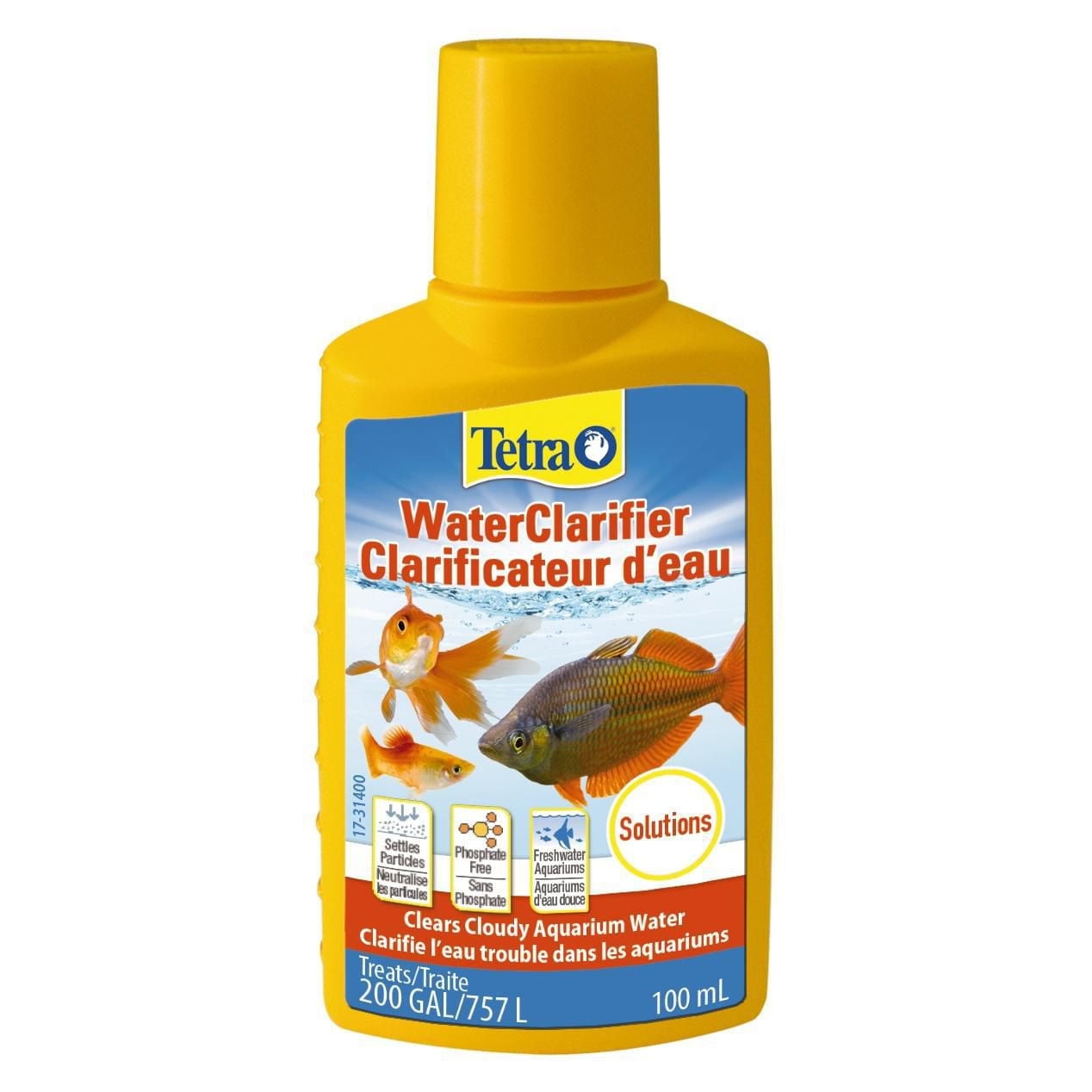
Algae growth often happens from too much light or excess nutrients. It can cloud the water and harm fish.
- Reduce aquarium light to 8-10 hours daily
- Clean tank surfaces regularly to remove algae
- Use live plants to compete with algae for nutrients
- Do not overfeed fish to limit leftover food
Dealing With Ammonia And Nitrite Spikes
Ammonia and nitrite are toxic chemicals that come from fish waste and decaying matter. Spikes can hurt fish quickly.
| Cause | Effect | Solution |
| Overfeeding | Ammonia rise | Feed less, remove leftovers |
| New tank setup | Nitrite spike | Cycle tank, use bacteria boosters |
| Dead plants or fish | Ammonia and nitrite rise | Remove dead matter promptly |
Preventing Disease Outbreaks
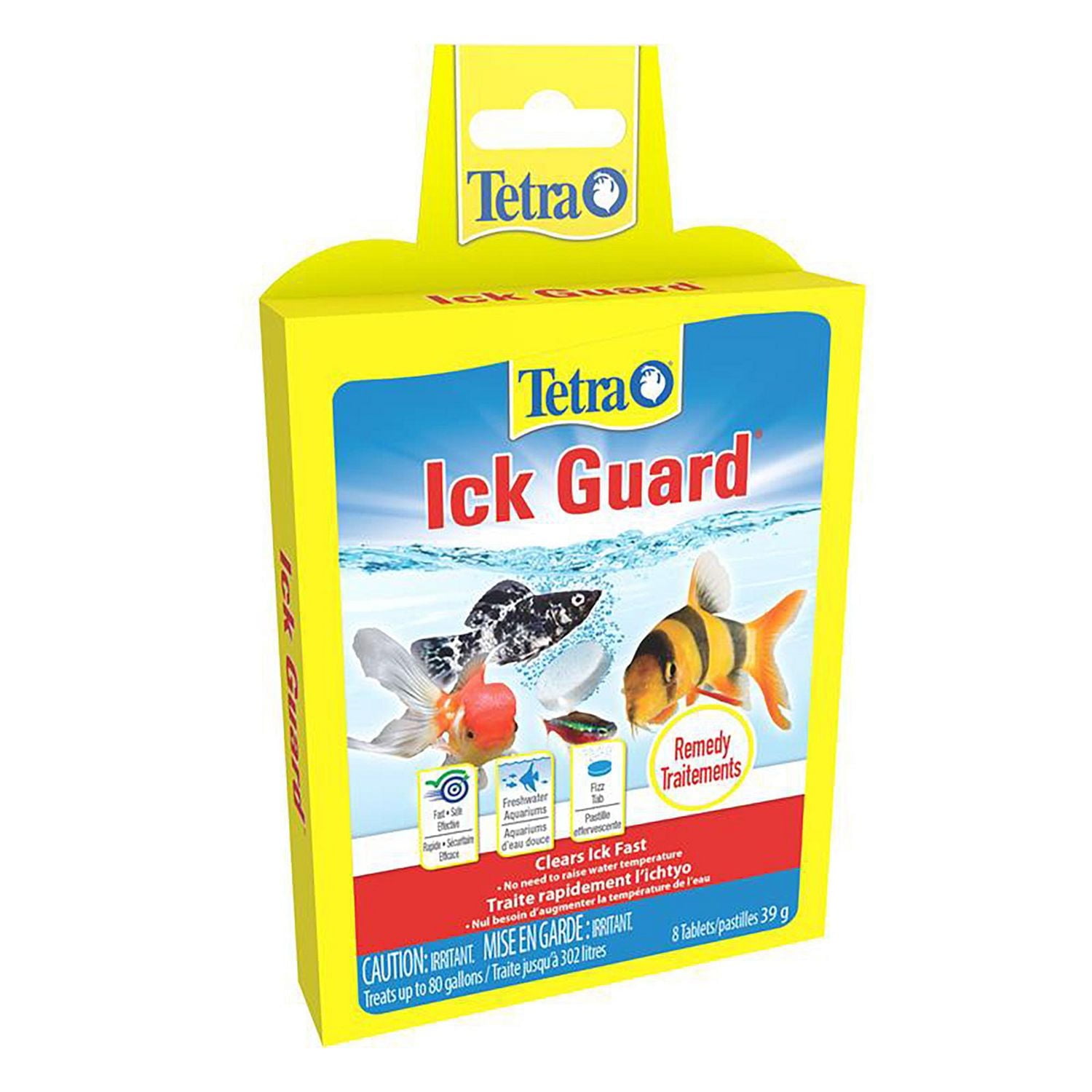
Clean water helps stop diseases from spreading among adult fish. Sick fish can infect others fast.
- Test water weekly for ammonia, nitrite, and nitrate
- Do regular water changes of 10-20%
- Keep tank temperature stable
- Quarantine new fish before adding them
- Clean filters and equipment often
Enhancing Fish Health
Keeping your aquarium water clean is essential for adult fish health. Proper treatment ensures your fish thrive in their environment.
Two key methods for enhancing fish health include supplementing with minerals and using beneficial bacteria additives. Each method plays a vital role in maintaining a balanced ecosystem.
Supplementing With Minerals
Minerals are crucial for the development and health of fish. They support bone growth and overall vitality.
- Calcium helps strengthen fish bones.
- Magnesium supports metabolic processes.
- Iron is essential for oxygen transportation.
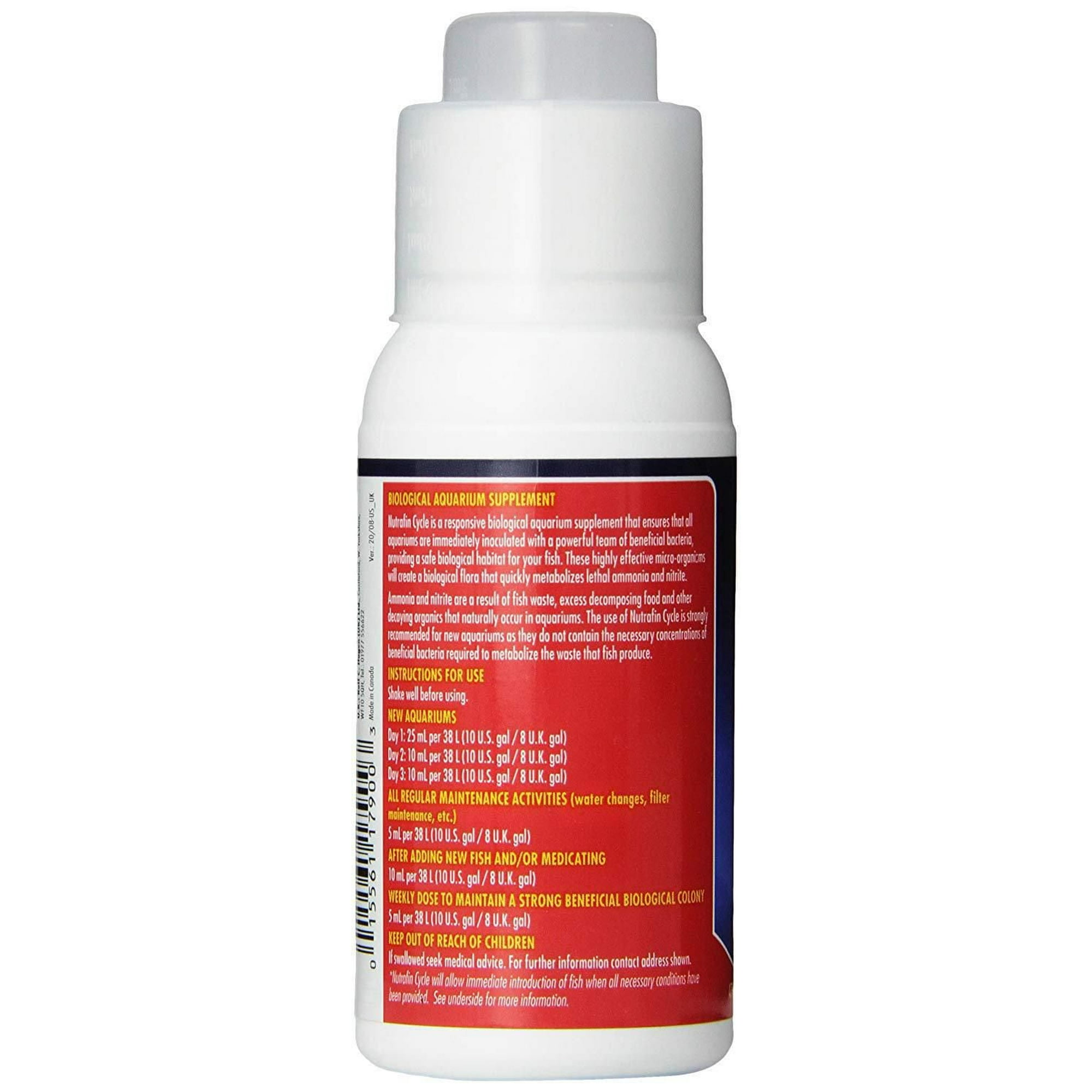
Using Beneficial Bacteria Additives
Beneficial bacteria help in breaking down waste and reducing toxins. This keeps the water clean and safe for fish.
Adding bacteria can establish a natural cleaning system. This reduces the need for frequent water changes.
| Bacteria Type | Function |
| Nitrosomonas | Converts ammonia to nitrite |
| Nitrobacter | Converts nitrite to nitrate |
Credit: www.walmart.ca
Frequently Asked Questions
What Is The Best Water Treatment For Adult Aquarium Fish?
The best water treatment involves regular water changes, using dechlorinators, and maintaining proper pH. Adding beneficial bacteria supplements helps break down toxins, ensuring a healthy environment for adult fish.
How Often Should Aquarium Water Be Treated For Adult Fish?
Treat aquarium water weekly with partial water changes of 20-30%. Test water parameters regularly and treat immediately if ammonia or nitrite levels rise.
Can Untreated Water Harm Adult Aquarium Fish?
Yes, untreated water can contain harmful chemicals and toxins. These can stress fish, cause diseases, and reduce their lifespan significantly.
What Chemicals Are Safe For Aquarium Water Treatment?
Safe chemicals include dechlorinators, ammonia neutralizers, and pH stabilizers specifically designed for fish tanks. Avoid harsh chemicals that can disrupt the aquatic ecosystem.
Conclusion
Healthy fish need clean and safe water. Treat aquarium water regularly to remove toxins and germs. Check water quality often and change it as needed. Use the right products to keep water balanced. Clean water helps fish grow strong and live longer.
Small steps make a big difference in fish health. Keep your aquarium fresh for happy, healthy fish. Simple care creates a safe home for your pets.