
Keeping your aquarium water clean and healthy is one of the most important things you can do for your fish. You might think it’s enough to just change the water now and then, but there’s more to it than that.
Testing your aquarium water regularly helps you catch problems before they harm your fish. When you know exactly what’s in your water, you can treat it the right way and create the perfect environment for your aquatic friends. You’ll learn simple, effective ways to test and treat your aquarium water so your fish stay happy and healthy.
Keep reading—your fish will thank you!

Credit: www.amazon.com
Importance Of Water Testing
Testing aquarium water is vital for fish health. Clean water keeps fish safe and happy.
Water testing helps find problems before fish get sick. It guides proper water treatment steps.
Key Parameters To Monitor
Check several water factors to keep your aquarium healthy. Each factor affects fish in different ways.
- pH level: Measures water acidity or alkalinity
- Ammonia: Toxic waste from fish and plants
- Nitrite: Harmful chemical formed from ammonia
- Nitrate: Less harmful but should be low
- Temperature: Affects fish metabolism and health
- Hardness: Amount of minerals in water
Frequency Of Testing
Test water often to catch issues early. New tanks need more checks than established ones.
Test water at least once a week for healthy tanks. Test daily in new or sick tanks.
- New aquarium: Test daily for first 2 weeks
- Established aquarium: Test weekly
- After treatment or changes: Test every day for a week
Tools And Kits For Testing
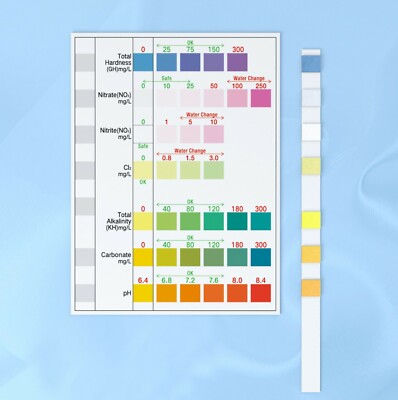
Use testing kits to measure water quality easily. Kits come with strips or liquid drops.
Choose kits that test all key parameters. Follow instructions carefully for best results.
- Test strips: Quick and easy, less precise
- Liquid test kits: More accurate, need careful handling
- Digital testers: Measure temperature and pH precisely

Credit: www.amazon.com
Common Water Issues
Maintaining good water quality is key for a healthy aquarium. Many problems come from changes in water chemistry.
Testing water regularly helps catch issues early. This guide covers common water problems you may face.
Ammonia And Nitrite Spikes
Ammonia and nitrite are toxic to fish even at low levels. Spikes can occur after adding new fish or cleaning.
- Ammonia comes from fish waste and uneaten food.
- Nitrite forms when beneficial bacteria break down ammonia.
- Both cause stress and can kill fish quickly.
- Regular water changes lower these toxins.
- Use water test kits to monitor levels.
Ph Fluctuations
The pH shows how acidic or basic the water is. Fish live best in a stable pH range.
| pH Level | Effect on Fish |
| Below 6.0 | Stress and illness risk increase |
| 6.5 to 7.5 | Ideal for most freshwater fish |
| Above 8.0 | Can cause skin and gill damage |
Hardness And Alkalinity Problems
Hardness measures minerals in water. Alkalinity shows water’s ability to resist pH changes.
Signs of hardness or alkalinity issues:
- Cloudy water or deposits on tank walls
- Fish behaving oddly or breathing fast
- Fluctuating pH despite treatments
Adjust hardness with special salts or water changes. Use baking soda for low alkalinity.
Water Treatment Methods
Maintaining clean water is vital for a healthy aquarium. Treating water helps keep fish safe. Different methods suit different tanks and needs.
This guide covers chemical additives, natural remedies, and filtration techniques. Each method improves water quality in unique ways.
Using Chemical Additives
Chemical additives help remove harmful substances from aquarium water. They balance pH and eliminate toxins like ammonia and nitrites. Use additives carefully to avoid harming fish.
- pH adjusters to keep water balanced
- Ammonia removers to protect fish
- Dechlorinators to neutralize chlorine
- Water conditioners to detoxify metals
Natural Remedies For Water Quality
Natural remedies improve water without chemicals. They use plants, minerals, and natural processes to keep water clean and safe.
| Natural Remedy | Benefit |
| Activated charcoal | Removes impurities |
| Peat moss | Lowers pH naturally |
| Indian almond leaves | Reduce bacteria growth |
| Live plants | Absorb toxins and add oxygen |
Filtration Techniques
Filters clear water by removing waste and debris. They keep water clean and healthy for fish. Different filters suit different tank sizes and needs.
- Mechanical: Removes particles from water.
- Biological: Uses beneficial bacteria to break down waste.
- Chemical: Uses activated carbon or resins to remove toxins.
Credit: www.ebay.ca
Maintaining Crystal Clear Water
Keeping aquarium water clear is key for a healthy tank. Clear water helps fish stay active and shows off their colors.
Good water quality needs regular care. Testing and treatment keep water clean and safe for your fish.
Regular Water Changes
Changing water often removes waste and keeps chemicals balanced. It stops harmful substances from building up.
- Change 10-20% of water weekly for small tanks.
- Use a water conditioner to remove chlorine.
- Match new water temperature to tank water.
- Remove debris before adding fresh water.
- Test water after the change to check levels.
Cleaning Tank And Equipment
Cleaning removes dirt and prevents bacteria growth. It keeps filters and decorations working well.
| Item | Cleaning Method | Frequency |
| Glass walls | Use algae scraper | Weekly |
| Filter | Rinse in tank water | Monthly |
| Gravel | Use gravel vacuum | Biweekly |
| Decorations | Brush and rinse | Monthly |
Preventing Algae Growth
Algae can cloud water and harm fish. Controlling light and nutrients stops algae from spreading.
- Limit tank light to 8 hours a day.
- Avoid overfeeding fish; excess food feeds algae.
- Add live plants to compete for nutrients.
- Use algae-eating fish or snails carefully.
- Clean algae from tank surfaces regularly.
Tips For Specific Aquarium Types
Testing and treating aquarium water depends on the type of tank you have. Different aquariums need different care to keep fish healthy.
Learn easy tips for freshwater, saltwater, and planted tanks. Proper water care helps fish and plants grow well.
Freshwater Aquariums
Check the water weekly for pH, ammonia, nitrite, and nitrate. Keep pH between 6.5 and 7.5 for most freshwater fish.
- Use a reliable freshwater test kit.
- Change 10-20% of water weekly.
- Remove leftover food to prevent ammonia rise.
- Keep the filter clean but avoid washing with tap water.
Saltwater Aquariums
Saltwater tanks need stable salinity and temperature. Test salt levels with a hydrometer or refractometer often.
| Parameter | Ideal Range |
| Salinity (specific gravity) | 1.020 – 1.025 |
| pH | 8.0 – 8.4 |
| Ammonia | 0 ppm |
| Nitrite | 0 ppm |
| Nitrate | < 20 ppm |
Perform regular water changes of 10% every two weeks. Use marine salt mix for water replacement. Avoid sudden changes in water chemistry.
Planted Tanks
Planted tanks need balanced nutrients and clean water for healthy growth. Test for nitrate and phosphate levels often.
Here are essential tips for planted tanks:
- Keep nitrate between 5 and 20 ppm to feed plants.
- Maintain phosphate around 0.03 to 0.1 ppm.
- Use CO2 injection if possible for better plant growth.
- Test water hardness to suit your plant species.
- Change 20-30% of water weekly to remove waste.
Frequently Asked Questions
What Is The Best Way To Test Aquarium Water Quality?
The best way to test aquarium water quality is using reliable test kits. Test for pH, ammonia, nitrites, and nitrates regularly. This helps maintain a healthy environment for fish and plants. Digital testers offer accuracy and ease of use for beginners and experts alike.
How Often Should I Test My Aquarium Water?
Test aquarium water weekly during normal conditions to monitor stability. Increase testing frequency to every 2-3 days after adding new fish or treatments. Frequent checks help catch harmful changes early, preventing stress or illness in your aquatic life.
What Treatments Fix Common Aquarium Water Problems?
Common aquarium water problems like high ammonia or nitrites require prompt treatment. Use water conditioners to neutralize toxins and beneficial bacteria supplements to restore balance. Partial water changes also reduce harmful substances and improve overall water quality effectively.
Why Is Ph Important In Aquarium Water Testing?
PH indicates water acidity or alkalinity, crucial for fish health. Different species thrive at specific pH levels. Regular testing ensures the pH stays within the ideal range, preventing stress and promoting optimal growth for your aquarium inhabitants.
Conclusion
Testing and treating aquarium water keeps fish healthy and happy. Regular checks stop problems before they start. Clear water means a safe home for fish and plants. Use simple tests to track water quality often. Treat issues quickly to avoid stress or illness.
Clean water helps fish live longer and swim freely. Keep your aquarium bright and lively with good care. Small steps make a big difference in fish health. Remember, healthy water equals a happy aquarium life.