
If you want your fish to thrive, the quality of your aquarium water is everything. Hard water can cause stress and health problems for your aquatic pets.
That’s where an aquarium water softener comes in. It helps create the perfect environment by reducing harmful minerals in your water. You’ll discover how a water softener can transform your tank and keep your fish happy and healthy. Keep reading to learn the simple steps you can take right now to improve your aquarium’s water quality.
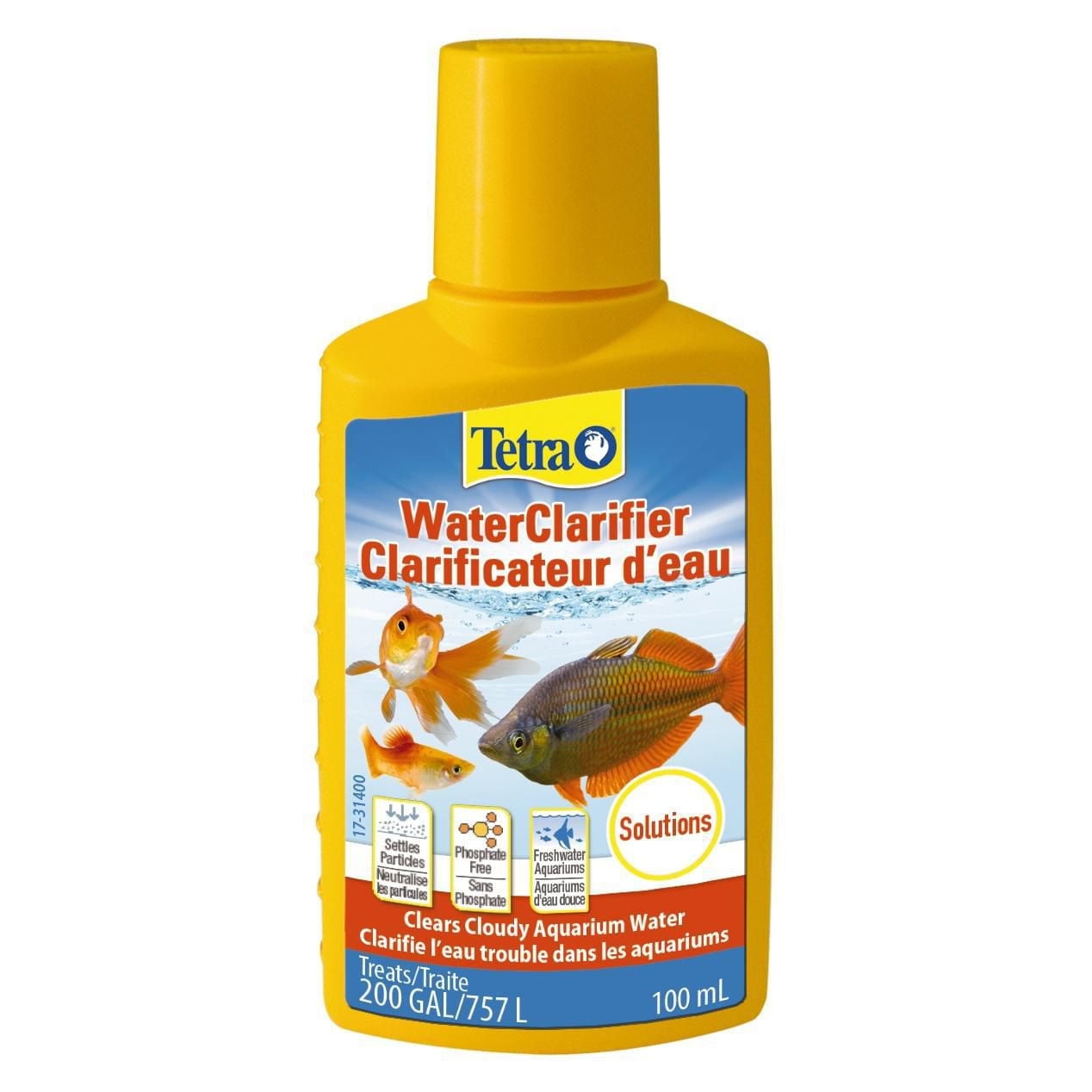
Credit: www.walmart.ca
Why Water Softness Matters
Water softness plays a key role in keeping your aquarium healthy. It affects fish, plants, and the overall water quality.
Understanding water softness helps you create the best environment for your aquatic life.
Impact On Fish Health
Fish need water with the right softness to stay healthy. Hard water can cause stress and harm their gills. Soft water helps fish breathe easier and keeps their skin healthy.
- Soft water reduces stress for sensitive fish species.
- Hard water may cause scale damage and infections.
- Proper water softness supports fish growth and activity.
Effects On Plant Growth
Aquatic plants need a balanced water softness to absorb nutrients well. Too hard water can block nutrient uptake. Soft water allows roots to take in minerals easily.
| Water Hardness Level | Plant Growth Effect |
| Soft | Good nutrient absorption |
| Moderate | Normal growth |
| Hard | Reduced nutrient uptake |
Common Water Hardness Issues
Many aquarium owners face problems from wrong water hardness. These issues can harm fish and plants.
- White spots on fish due to mineral buildup
- Cloudy water from excess calcium and magnesium
- Slow plant growth or yellow leaves
- Difficulty in maintaining pH balance

Credit: www.amazon.com
Types Of Aquarium Water Softeners
Aquarium water softeners help keep water safe and healthy for fish. They reduce hard minerals like calcium and magnesium.
There are different types of water softeners. Each type works in a unique way to soften aquarium water.
Chemical Water Softeners
Chemical water softeners use special substances to remove hard minerals. They change the water’s chemistry quickly.
These chemicals often work by binding minerals so fish do not get harmed. They are easy to use but need careful dosing.
- Sodium-based softeners replace calcium with sodium
- Potassium-based softeners use potassium instead of sodium
- Phosphate-based chemicals bind calcium and magnesium
Natural Water Softening Methods
Natural methods use plants or materials to lower water hardness. They keep the environment safe for fish.
These methods take longer but are gentle on aquarium life. They help balance minerals without chemicals.
- Adding peat moss releases tannins that soften water
- Using driftwood lowers mineral content naturally
- Planting live plants helps absorb minerals
Water Softening Filters
Filters designed for softening remove hard minerals as water passes through. They work continuously to keep water soft.
These filters often contain resin or special media. They trap calcium and magnesium ions from the water.
- Ion-exchange filters swap hard minerals with soft ions
- Reverse osmosis filters remove most minerals and impurities
- Mixed-bed filters combine different media for better softening
Choosing The Right Softener
Using the right water softener is key to keeping your fish healthy. Softening aquarium water helps reduce minerals that can harm fish. This guide helps you choose the best softener for your tank.
We will look at how to assess your water hardness, match softeners to your fish, and consider cost and maintenance.
Assessing Your Water Hardness
First, test your tap water to find out its hardness. Water hardness is measured in parts per million (ppm) or degrees of hardness (dH). Knowing this helps pick the right softener.
Use a water hardness test kit for these steps:
- Fill the test container with your tap water.
- Add the test solution as directed.
- Compare the color change to the chart included.
- Note the hardness level shown.
Matching Softeners To Fish Species
Different fish need different water softness levels. Some fish like soft water, others prefer harder water. Choosing a softener depends on your fish type.
| Fish Species | Preferred Water Hardness | Softener Type |
| Discus | Soft (0-4 dH) | Ion-exchange softener |
| Goldfish | Moderate (5-12 dH) | Partial softener or water mixing |
| Guppies | Hard (12-20 dH) | Minimal or no softening |
Cost And Maintenance Considerations
Softener prices and upkeep vary. Some need salt refills. Others need filter changes. Choose a softener that fits your budget and time.
- Check how often you must replace softening materials.
- Look at the cost of replacement parts.
- Consider electricity use if the softener is powered.
- Read user reviews for reliability and ease of cleaning.

Credit: www.amazon.com
Step-by-step Softening Process
Softening aquarium water is important for the health of many fish species. It lowers hard minerals that can stress fish and plants. This guide explains how to soften your aquarium water carefully.
Follow these steps to test, treat, and monitor your water. This helps keep your fish safe and your tank balanced.
Testing Aquarium Water
Start by checking the current water hardness. Use a water test kit to measure general hardness (GH) and carbonate hardness (KH). Record these values to know how much softener to add.
- Collect a water sample from your tank.
- Use a GH test kit to find mineral levels.
- Check KH to understand buffering capacity.
- Note the pH level to see if it’s stable.
- Compare results to recommended levels for your fish.
Applying The Softener
After testing, add the water softener slowly. Follow product instructions for the right dose. Avoid adding too much at once to prevent shock to your fish.
| Softener Dose | Water Volume | Effect |
|---|---|---|
| 5 ml | 10 gallons | Reduces hardness by 10 ppm |
| 10 ml | 10 gallons | Reduces hardness by 20 ppm |
| 15 ml | 10 gallons | Reduces hardness by 30 ppm |
Monitoring Water Parameters
Check water hardness daily after adding softener. Watch for any signs of stress in your fish. Keep pH and temperature stable to avoid sudden changes.
- Test GH and KH every 24 hours.
- Look for behavioral changes in fish.
- Adjust softener dose if needed.
- Keep water temperature steady.
- Change part of the water weekly to keep balance.
Common Mistakes To Avoid
Using a water softener in your aquarium can help keep fish healthy. But some mistakes can harm your fish instead. Avoid these common errors to keep your aquarium safe.
Water softening needs care and attention. Small errors can change water chemistry too much or cause stress for your fish.
Over-softening Water
Softening water too much removes important minerals fish need. This can cause health problems and stress. Keep water hardness at safe levels for your fish species.
Always follow product instructions and test your water after softening. Avoid making sudden big changes to water hardness.
Ignoring Regular Testing
Not testing water often is a big mistake. Water conditions can change fast, and fish can get sick if you don’t catch it early.
Use water test kits weekly to check hardness, pH, and other important factors. This helps you keep the water safe for your fish.
- Test water hardness (GH and KH)
- Check pH levels
- Monitor ammonia and nitrite
Mixing Incompatible Treatments
Using different water softeners or treatments without checking can cause problems. Some chemicals do not work well together and can harm fish.
Always read labels and do research before mixing treatments. Use only products that are safe to combine and follow dosage instructions carefully.
Tips For Maintaining Soft Water
Keeping aquarium water soft is essential for fish health. Soft water helps fish thrive by reducing stress. Here are some tips for maintaining soft water in your aquarium.
Follow these guidelines to ensure your fish live in a comfortable and stable environment.
Routine Water Changes
Regular water changes prevent the build-up of minerals. This keeps the water soft and safe for your fish. Change water weekly for best results.
- Remove 10-15% of the tank water.
- Replace with dechlorinated tap water.
- Ensure new water matches tank temperature.
Using Ro And Di Water
RO (Reverse Osmosis) and DI (Deionized) water are excellent for softening. These methods remove minerals effectively, providing an ideal environment for fish.
Balancing Minerals For Stability
Proper mineral balance is crucial in aquariums. Use water conditioners to stabilize minerals. This ensures water remains soft without fluctuations.
| Mineral | Effect |
| Calcium | Increases hardness |
| Magnesium | Increases hardness |
| Sodium | Softens water |
Signs Your Fish Prefer Soft Water
Fish thrive in water conditions that suit their natural habitat. Some species need soft water to live healthily. Recognizing signs that your fish prefer soft water can improve their well-being.
Soft water benefits fish in various ways. It can affect their behavior, health, and breeding success. Knowing these signs helps create the best environment for your fish.
Behavioral Indicators
Fish behavior changes when water conditions are not ideal. Active swimming and vibrant colors can show they like soft water. Look for these signs to ensure comfort.
- Increased activity levels
- Regular feeding behavior
- Frequent social interactions
Physical Health Signs
Soft water can improve the physical health of your fish. Watch for clear eyes and smooth scales. Healthy fish scales and fins indicate they thrive in soft water.
- Bright, clear eyes
- Shiny, smooth scales
- Healthy, intact fins
Breeding Success Rates
Soft water can enhance breeding success for certain fish. They may lay more eggs and have higher hatch rates. This indicates a suitable environment for reproduction.
| Sign | Explanation |
| More eggs | Indicates ideal breeding conditions |
| Higher hatch rates | Shows better egg development |
Troubleshooting Water Softening Issues
Water softeners help keep aquarium water safe for fish. Sometimes, softening water causes problems. Knowing how to fix these issues helps keep fish healthy.
This guide covers common problems like cloudy water, pH changes, and algae growth. Each section explains causes and simple fixes.
Cloudy Water Problems
Cloudy water can appear after using a water softener. It usually happens when minerals in water react or settle slowly.
To clear cloudy water, try these tips:
- Run a water filter to remove particles
- Check if water softener salt levels are correct
- Do smaller water changes to avoid shock
- Use an aquarium vacuum to clean the gravel
Ph Fluctuations
Water softening can change aquarium pH. Rapid pH shifts stress fish and harm plants.
Control pH by following these steps:
- Test pH daily during softening
- Use pH stabilizers if needed
- Avoid mixing hard and soft water quickly
- Keep water temperature steady
Algae Growth Concerns
Softened water can cause algae to grow faster. Algae harm fish by lowering oxygen levels.
Reduce algae with these tips:
- Limit aquarium light to 8-10 hours daily
- Do regular water changes to remove nutrients
- Add algae-eating fish or snails
- Clean tank surfaces often
Frequently Asked Questions
What Is An Aquarium Water Softener For Fish?
An aquarium water softener reduces hard minerals like calcium and magnesium. It creates a softer, safer environment for freshwater fish. This helps prevent health issues caused by hard water, such as scale buildup and stress.
Why Do Fish Need Soft Water In Aquariums?
Soft water mimics the natural habitat of many freshwater fish species. It improves fish health by reducing stress and promoting better breathing. Soft water also supports beneficial bacteria growth essential for a balanced aquarium ecosystem.
How To Use Aquarium Water Softeners Safely?
Follow the product instructions carefully to avoid overdosing. Test water hardness before and after treatment. Gradually soften water to prevent shocking fish. Regular monitoring ensures optimal water conditions and fish safety.
Can Aquarium Water Softeners Harm Fish?
When used correctly, aquarium water softeners are safe and beneficial. Overuse or incorrect dosing can stress or harm fish. Always maintain recommended levels and monitor fish behavior for signs of distress.
Conclusion
Using a water softener helps keep fish healthy and happy. Soft water reduces stress and prevents common fish diseases. It balances minerals, making the tank environment safe. Regular water checks keep conditions stable and clear. Choose the right softener for your aquarium size.
Clean water means vibrant fish and fewer problems. Keep your fish tank soft and fresh for better fish life. Simple care makes a big difference in fish health.