
If you use tap water for your aquarium, you might not realize it could be harmful to your fish. Tap water often contains chlorine and other chemicals that can stress or even kill your aquatic pets.
But don’t worry—there’s a simple solution that can keep your water safe and your fish healthy. You’ll discover how an aquarium water dechlorinator works, why it’s essential for your tank, and how to choose the best one for your needs.
Keep reading to protect your underwater friends and create a thriving aquarium environment.
Why Dechlorinate Tap Water
Tap water often contains chemicals that keep it safe for people. These chemicals can harm fish in aquariums. Removing these chemicals helps create a safe home for your fish.
Using a water dechlorinator is an easy way to protect your fish. It makes tap water safe by removing harmful substances.
Chlorine And Chloramine In Tap Water
Tap water usually has chlorine or chloramine to kill germs. These chemicals keep water clean for drinking. But they can be toxic to fish in an aquarium.
Chlorine evaporates quickly, but chloramine is more stable. Chloramine is harder to remove without a special dechlorinator.
- Chlorine is a strong disinfectant but harmful to fish
- Chloramine lasts longer in water and is toxic to fish
- Both chemicals must be removed before adding water to aquariums
Effects On Fish Health
Chlorine and chloramine damage fish gills and skin. This causes stress and breathing problems. Fish may become weak or die if exposed.
Even small amounts of these chemicals can harm fish over time. Removing them keeps fish healthy and active.
- Damages fish gills and skin
- Causes stress and breathing issues
- Can lead to illness or death
Importance For Aquarium Safety
Dechlorinating tap water is essential for aquarium safety. It protects fish and other aquatic animals. Safe water helps maintain a balanced environment.
Using a dechlorinator prevents chemical buildup. This supports good water quality and healthy fish over time.
- Protects fish from harmful chemicals
- Keeps aquarium water safe and clean
- Supports a healthy ecosystem inside the tank

Credit: www.amazon.com
Types Of Water Dechlorinators
Aquarium owners use water dechlorinators to remove chlorine from tap water. Chlorine is harmful to fish and plants. Different types of dechlorinators work in various ways to make water safe.
This guide explains three common types of water dechlorinators. Knowing their features helps you choose the right one for your aquarium.
Liquid Dechlorinators
Liquid dechlorinators are the most common type. They come in bottles and are easy to use. You add a few drops directly into the water to neutralize chlorine and chloramine.
- Fast-acting and effective
- Safe for fish and plants
- Works well for small and large aquariums
- Easy to measure and dose
Powdered Treatments
Powdered dechlorinators offer a dry alternative. They dissolve in water and remove chlorine effectively. These powders often include additional minerals to improve water quality.
| Feature | Liquid Dechlorinators | Powdered Treatments |
| Form | Liquid drops | Powder |
| Use | Add drops to water | Dissolve powder before adding |
| Extra Benefits | No added minerals | May add minerals for fish health |
| Storage | Sealed bottles | Dry containers |
Natural Alternatives
Natural alternatives use plants or activated carbon. These methods reduce chlorine without chemicals. They take longer but improve water naturally.
- Activated carbon filters absorb chlorine
- Certain plants can reduce chlorine levels
- Safe and chemical-free
- May require more time to work
How To Use Dechlorinator Properly
Using a dechlorinator is essential for keeping aquarium water safe. It removes harmful chlorine and chloramine from tap water. Proper use helps protect fish and plants from damage.
Follow simple steps to add the right amount of dechlorinator. This ensures a healthy environment for your aquarium.
Measuring The Right Dosage
Always check the label on your dechlorinator bottle. The correct dosage depends on the amount of tap water you treat. Using too little or too much can harm your fish.
| Water Volume | Dechlorinator Amount |
| 1 gallon (3.8 liters) | 1 ml |
| 5 gallons (19 liters) | 5 ml |
| 10 gallons (38 liters) | 10 ml |
Timing And Application Methods
Add the dechlorinator right after filling your tank with tap water. Use a clean container or syringe to measure the liquid. Pour it evenly over the water surface to mix well.
- Treat new water during tank setup.
- Add before introducing fish or plants.
- Mix well by stirring or using a filter pump.
Frequency Of Treatment
Dechlorinate water every time you add new tap water. This keeps chlorine levels safe. Regular water changes usually happen weekly or biweekly, depending on your tank size and fish load.
Keep a consistent schedule. Treating water often prevents stress and health problems for your fish.
Choosing The Best Dechlorinator
Aquarium water dechlorinators make tap water safe for fish. They remove chlorine and harmful chemicals quickly.
Picking the right dechlorinator helps keep fish healthy and water clean. Some work better for certain tanks.
Factors To Consider
Check how fast the dechlorinator works. Fast action protects fish from chlorine damage.
Look at the ingredients. Some remove chloramine, a common chemical in tap water.
- Effectiveness against chlorine and chloramine
- Safe for all fish and plants
- Easy to measure and dose
- No harmful residues
- Suitable for tank size
Popular Brands And Products
Many brands offer reliable dechlorinators. Choose ones with good reviews and clear instructions.
- API Tap Water Conditioner
- Seachem Prime
- Fluval Water Conditioner
- Hikari Tap Water Conditioner
- ISTA Water Conditioner
These products remove chlorine fast and are safe for fish. They also help with heavy metals in water.
Cost Vs. Effectiveness
Cheaper dechlorinators may not remove all chemicals. This can risk fish health.
More expensive options often work better and last longer. They may treat larger tank volumes.
| Price Range | Effectiveness | Tank Size |
|---|---|---|
| Low | Basic chlorine removal | Small tanks |
| Medium | Chlorine + chloramine removal | Small to medium tanks |
| High | Full detox and heavy metal removal | All tank sizes |
Signs Of Improper Dechlorination
Using tap water in your aquarium needs careful treatment. Chlorine and chloramine in tap water can harm fish.
Improper dechlorination shows clear signs in your fish and water. Watching for these signs helps keep fish safe.
Fish Behavior Changes
Fish react quickly to chemicals in the water. Some behaviors show stress or harm from chlorine.
- Gasping at the water surface for air
- Rapid or heavy breathing
- Erratic swimming or darting around
- Loss of color or dull appearance
- Clamped fins close to the body
Water Quality Indicators
Chlorine affects water chemistry. Testing water helps spot problems early.
| Indicator | What to Watch | Reason |
| pH Level | Sudden drops or spikes | Chlorine changes water acidity |
| Ammonia | Rising levels | Chlorine kills good bacteria |
| Water Clarity | Cloudy or murky water | Chlorine causes chemical reactions |
| Smell | Strong chemical odor | Too much chlorine present |
Preventive Measures
Proper steps help avoid chlorine damage. Use these tips to keep water safe for fish.
- Always use a water dechlorinator before adding tap water.
- Test water for chlorine and chloramine levels regularly.
- Change water slowly to avoid shocking fish.
- Use water conditioners that neutralize harmful chemicals.
- Keep filter and tank clean to support good bacteria growth.

Credit: www.reddit.com
Additional Tips For Safe Fish Care
Caring for your fish means keeping their environment safe and healthy. Using a water dechlorinator for tap water is just one step. Let’s explore other important practices.
Follow these tips to ensure your fish thrive in their aquarium. Regular care and attention help maintain a balanced ecosystem.
Regular Water Testing
Testing the water regularly helps you understand the quality of the aquarium environment. It is crucial for the health of your fish.
- Use a reliable test kit to measure pH levels.
- Check ammonia, nitrite, and nitrate levels weekly.
- Record your results to track changes over time.
Maintaining Optimal Water Parameters
Optimal water parameters are essential for fish health. Different species require specific conditions, so always tailor your care accordingly.
| Parameter | Ideal Range |
| pH | 6.5-7.5 |
| Ammonia | 0 ppm |
| Nitrite | 0 ppm |
| Nitrate | Less than 20 ppm |
Tank Cleaning Best Practices
Cleaning your tank regularly prevents harmful buildup. It is vital for the well-being of your aquatic pets.
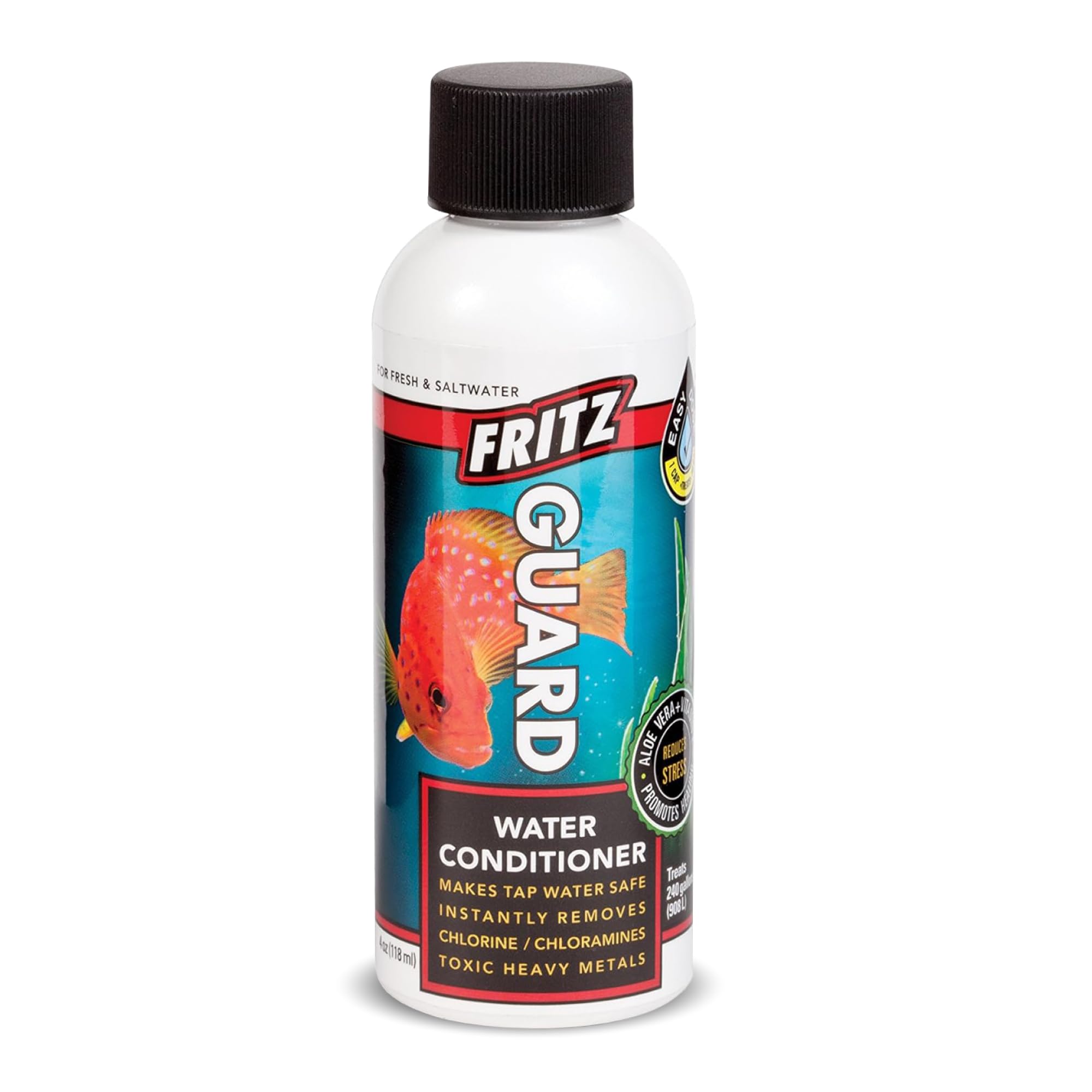
Credit: www.amazon.com
Frequently Asked Questions
What Is An Aquarium Water Dechlorinator?
An aquarium water dechlorinator removes harmful chlorine and chloramine from tap water. It makes water safe for fish and aquatic plants. Using it prevents stress and health issues in your aquarium inhabitants. It’s essential for maintaining a healthy aquatic environment.
Why Use Dechlorinator For Tap Water In Aquariums?
Tap water contains chlorine and chloramine, toxic to fish. Dechlorinator neutralizes these chemicals quickly and effectively. It ensures a safe habitat for your fish. Using a dechlorinator helps maintain water quality and fish health.
How Often Should I Add Dechlorinator To Aquarium Water?
Add dechlorinator every time you change or add tap water. This keeps chlorine and chloramine levels safe for fish. Regular use prevents toxicity and supports a stable aquarium environment. Always follow product instructions for best results.
Can Dechlorinator Remove Chloramine From Tap Water?
Yes, a quality dechlorinator neutralizes both chlorine and chloramine. Chloramine is more stable and toxic, requiring specific removal. Using the right product ensures complete detoxification. This protects fish from harmful effects.
Conclusion
Using an aquarium water dechlorinator keeps your fish safe and healthy. Tap water contains chlorine that can harm aquatic life. Removing chlorine helps create a clean and safe environment. Always add the dechlorinator before putting water into the tank. This small step protects your fish from stress and illness.
Clear, safe water encourages fish to thrive and grow. Remember, regular use of dechlorinator improves your aquarium’s health. Simple care leads to happy fish and a beautiful tank. Choose a trusted product and enjoy a lively aquarium.