
Starting a new aquarium tank can be exciting, but it also comes with important challenges. One of the biggest is making sure the water is safe and healthy for your fish right from the start.
If you’ve ever wondered how to protect your new aquatic friends and avoid common problems, the secret lies in choosing the right aquarium water conditioner for your new tank. You’ll discover why water conditioners are essential, how they work, and which features to look for.
Keep reading to give your fish the best start possible and enjoy a thriving underwater world in your home.

Credit: www.amazon.com
Choosing The Right Conditioner
Setting up a new aquarium requires careful water preparation. Using the right water conditioner keeps your fish safe and healthy.
Not all conditioners work the same. It is important to know which type fits your tank needs best.
Types Of Water Conditioners
Water conditioners come in different forms. Each type treats specific water issues in your tank.
- Dechlorinators remove chlorine and chloramine from tap water.
- Detoxifiers neutralize heavy metals harmful to fish.
- Biological enhancers support beneficial bacteria growth.
- Stress reducers calm fish during tank changes or illness.
Key Ingredients To Look For
| Ingredient | Purpose |
| Sodium Thiosulfate | Neutralizes chlorine and chloramine |
| EDTA (Ethylenediaminetetraacetic acid) | Detoxifies heavy metals |
| Probiotics | Boosts beneficial bacteria |
| Aloe Vera Extract | Reduces fish stress and protects slime coat |
Safe Options For Sensitive Fish
Sensitive fish need gentle water conditioners. Some ingredients may harm delicate species.
Choose conditioners that:
- Are free from harsh chemicals and dyes
- Contain natural plant extracts
- Do not alter pH drastically
- Include additives to protect fish skin and gills
Preparing Your New Tank
Setting up a new aquarium needs careful water preparation. Clean and safe water helps fish stay healthy.
Use an aquarium water conditioner to treat tap water before adding fish. This removes harmful substances and balances the water.
Initial Water Treatment Steps
Start by filling your tank with tap water. Then add the correct amount of water conditioner. This step makes the water safe for fish.
- Fill the tank with tap water
- Measure the water conditioner dose
- Mix the conditioner evenly in the water
- Let the water settle for a few minutes
Removing Harmful Chemicals
Tap water often contains chlorine, chloramine, and heavy metals. These chemicals can harm fish if not removed.
The water conditioner neutralizes these harmful chemicals. It also protects fish’s gills and skin from damage.
Balancing Ph And Hardness
Fish need water with the right pH and hardness. The pH shows how acidic or basic the water is. Hardness refers to minerals like calcium.
| Water Factor | Ideal Range | Effect on Fish |
| pH | 6.5 – 7.5 | Supports fish health and growth |
| Hardness (GH) | 4 – 12 dGH | Maintains proper mineral balance |
Use test kits to check pH and hardness. Adjust with conditioners if levels are too low or high. This keeps the tank water stable and safe.
Proper Conditioner Application
Using a water conditioner is essential for starting a new aquarium. It removes harmful chemicals like chlorine and chloramine. Proper application keeps your fish safe and healthy.
This guide explains how to apply conditioner correctly. Follow these steps to prepare your new tank water before adding fish.
Dosage Guidelines
Always check the conditioner bottle for dosage instructions. The amount depends on your tank size and water volume. Using too little may not remove toxins, and too much can stress fish.
- Measure your tank’s water volume accurately.
- Use the recommended dose per gallon or liter.
- Adjust doses if you use water from different sources.
- Use a dropper or measuring cup for precision.
When To Add Conditioner
Add conditioner right after filling the tank with tap water. This removes chlorine and chloramine before adding fish or plants. Waiting too long can harm your new aquatic life.
| Time | Action |
| Immediately | Add conditioner after filling the tank |
| Before Adding Fish | Ensure water is treated and safe |
| After Water Changes | Treat new water before returning to tank |
Frequency Of Treatment
Condition water each time you add new water to the tank. This keeps harmful chemicals at safe levels. Regular treatment helps maintain a stable environment for your fish.
- Treat water during initial tank setup.
- Apply conditioner after every water change.
- Use conditioner before adding new fish.
- Follow product instructions for repeated doses if needed.
Maintaining Water Quality
Using an aquarium water conditioner is important for keeping new tanks healthy. It helps remove harmful chemicals and makes water safe for fish.
Good water quality prevents fish stress and disease. Regular care helps maintain a balanced environment in your tank.
Regular Testing Tips
Test your tank water often to check its quality. Use test kits to measure pH, ammonia, nitrite, and nitrate levels.
Keep a testing schedule, such as twice a week in new tanks. Record results to track changes over time.
- Test pH to ensure it stays stable
- Check ammonia and nitrite levels regularly
- Monitor nitrate to avoid buildup
- Use fresh test strips or kits for accuracy
Signs Of Poor Water Conditions
Watch your fish and tank for signs of bad water. Stress or sickness in fish often means water quality is low.
Cloudy water, foul smells, or algae growth also show problems. These signs tell you to check and fix the water quickly.
- Fish gasping at surface or hiding more
- Unusual fish behavior or color fading
- Water looks murky or has a bad smell
- Excessive algae on tank glass or decorations
Adjusting Treatment As Needed
Change the water treatment based on your test results and tank signs. Use the right amount of conditioner each time.
Perform partial water changes if chemicals build up. Adjust dosing if fish show stress or if water tests are off.
- Add conditioner when adding new water or fish
- Increase water changes if ammonia or nitrites rise
- Reduce dosing if water parameters stay stable
- Observe fish health and act quickly if problems appear
Common Mistakes To Avoid
Setting up a new aquarium tank is exciting. Using a water conditioner helps keep fish safe. Still, some mistakes can harm your tank’s health.
Learn which errors to avoid so your aquarium water stays clean and safe. This guide covers three common mistakes.
Overdosing Conditioner
Adding too much water conditioner does not make water cleaner. It can stress your fish and plants. Always follow the instructions on the label.
- Measure the dose carefully using a syringe or dropper.
- Do not add more than recommended per gallon or liter.
- Use conditioner only when adding new water or setting up the tank.
- Keep conditioner out of reach of children and pets.
Ignoring Water Changes
Conditioner helps but cannot replace water changes. Dirty water builds up toxins that harm fish. Change part of the water regularly to keep it clean.
| Water Change Frequency | Recommended Amount |
| New Tank Setup | 20% weekly |
| Established Tank | 10-15% weekly |
| Heavily Stocked Tank | 25% twice a week |
Using Incompatible Products
Some water treatments do not mix well with conditioners. Using wrong products can cause cloudy water or harm fish. Check product labels before combining them.
Tips to avoid product conflicts:
- Use conditioners that treat chlorine and chloramine only.
- Separate treatments for algae control or disease.
- Ask aquarium store staff for product advice.
- Test water after adding new products to ensure safety.
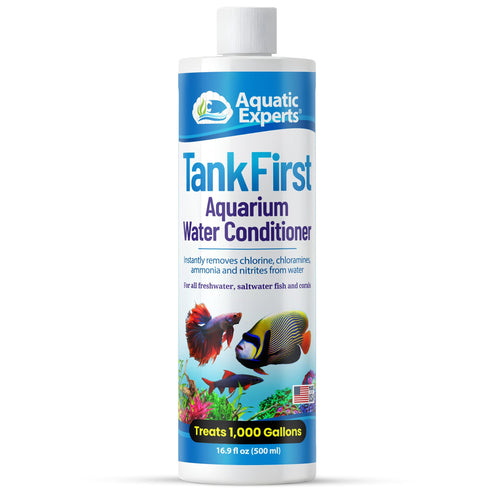
Credit: www.aquaticexperts.com
Enhancing Tank Health
Aquarium water conditioners are vital for new tanks. They help maintain a balanced environment for fish. These conditioners improve tank health by removing harmful chemicals and enhancing water quality.
A healthy tank promotes the well-being of fish and other aquatic life. Using the right water conditioner ensures a stable and thriving ecosystem.
Adding Beneficial Bacteria
Beneficial bacteria play a crucial role in breaking down waste in the tank. This process helps convert harmful ammonia into less toxic substances. Introducing these bacteria can be done effectively with the right water conditioner.
- Nitrosomonas bacteria convert ammonia to nitrite.
- Nitrobacter bacteria convert nitrite to nitrate.
- Both types of bacteria help maintain water quality.
Role Of Filtration Systems
Filtration systems are essential for keeping water clean and clear. They remove debris, excess food, and waste products. A good water conditioner supports these systems by neutralizing harmful substances.
| Filter Type | Function |
| Mechanical | Traps particles |
| Chemical | Removes toxins |
| Biological | Breaks down waste |
Supporting Fish Immunity
Water conditioners can help support fish immunity by reducing stressors. Clean water prevents diseases and infections. Healthy fish are more active and display vibrant colors.

Credit: www.amazon.com
Frequently Asked Questions
What Is The Purpose Of Aquarium Water Conditioner?
Aquarium water conditioner removes chlorine, chloramine, and heavy metals. It makes tap water safe for fish. It also helps maintain a healthy tank environment for new setups.
How Do I Use Water Conditioner In A New Tank?
Add the recommended amount of conditioner to tap water before filling the tank. Mix well to neutralize harmful chemicals. This step ensures safe water for fish and beneficial bacteria.
Can I Skip Conditioner When Setting Up A New Aquarium?
No, skipping conditioner risks fish health. Tap water contains harmful substances like chlorine. Conditioner neutralizes these toxins, making water safe for fish and plants in your new tank.
How Often Should I Add Water Conditioner?
Use water conditioner whenever you add or change water. This keeps harmful chemicals neutralized consistently. Regular use maintains a stable and safe environment for your aquarium inhabitants.
Conclusion
Choosing the right aquarium water conditioner helps keep your fish safe. It removes harmful chemicals from tap water fast. Your new tank stays healthy and clear. Fish feel comfortable and stress-free. Regular use prevents diseases and supports growth. Simple steps lead to a thriving aquarium.
Start with a good conditioner today. Enjoy watching your fish swim happily. Clean water means happy fish and a beautiful tank.