
Keeping your aquarium water clean is one of the most important things you can do for your fish’s health. But knowing when and how to change the water can feel confusing.
This guide will make it simple for you. You’ll learn easy steps to keep your tank fresh and safe, so your fish can thrive. By the end, you’ll feel confident in managing your aquarium like a pro. Ready to give your underwater friends the best home possible?
Let’s dive in!
Benefits Of Regular Water Changes
Changing aquarium water regularly is important for a healthy tank. It helps keep the water clean and safe for fish.
Regular water changes remove waste and add fresh water. This supports a better environment for your aquatic pets.
Improving Water Quality
Water quality drops over time as fish produce waste. Uneaten food and plants also affect the water.
Changing water regularly keeps the water clear and balanced. It stops dirt and particles from building up.
- Removes debris and waste
- Maintains proper pH levels
- Keeps water clear and bright
Reducing Harmful Toxins
Fish release ammonia and other toxins into the water. These chemicals build up and can harm fish.
Regular water changes lower the amount of toxins. This helps keep the water safe for fish and plants.
- Dilutes ammonia and nitrates
- Prevents toxin buildup
- Supports healthy bacteria balance
Enhancing Fish Health
Fish need clean water to stay healthy and active. Dirty water can cause stress and illness.
Changing water regularly helps fish breathe better and feel comfortable. It reduces disease risk.
- Improves oxygen levels
- Reduces fish stress
- Prevents diseases and infections
When To Change Aquarium Water
Changing aquarium water is important to keep fish healthy. It removes waste and adds fresh water.
Knowing when to change water helps maintain a clean tank. This guide explains the signs and schedule.
Signs Your Tank Needs A Change
Look for changes in water color or smell. Cloudy or smelly water means it is time for a change.
Fish behavior also shows water quality. If fish act tired or hide, water may be dirty.
- Water looks cloudy or has a bad smell
- Algae grows fast on tank surfaces
- Fish swim slowly or hide more than usual
- Waste and uneaten food build up on the bottom
- Ammonia or nitrite levels are high in tests
Establishing A Water Change Schedule
Create a regular water change plan based on tank size and fish number. This keeps water clean all the time.
Small tanks or tanks with many fish need more frequent changes. Larger tanks can go longer between changes.
- Change 10-20% of water every 1-2 weeks for small tanks
- Change 20-30% every 2-4 weeks for medium tanks
- Test water weekly to adjust the schedule as needed
- Remove uneaten food and waste regularly
Preparing For A Water Change
Changing the water in your aquarium keeps fish healthy and the tank clean. Preparing well makes the process easier and safer.
Before you start, gather all needed supplies and check the water’s condition. This helps avoid stress for your fish.
Gathering Necessary Supplies
Collect the right tools before changing your aquarium water. This saves time and prevents mistakes.
- Clean bucket for removing and holding water
- Gravel vacuum or siphon hose to clean substrate
- Water conditioner to remove chlorine and chloramine
- Thermometer to check water temperature
- Algae scraper or sponge for cleaning tank walls
- Towels to handle spills and wet surfaces
Testing Water Parameters
Check your aquarium water before changing it. Testing keeps fish safe and water balanced.
Use test kits to measure key factors. Adjust water if needed before adding new water.
- Test pH level to ensure it fits your fish species
- Measure ammonia and nitrite, which should be zero
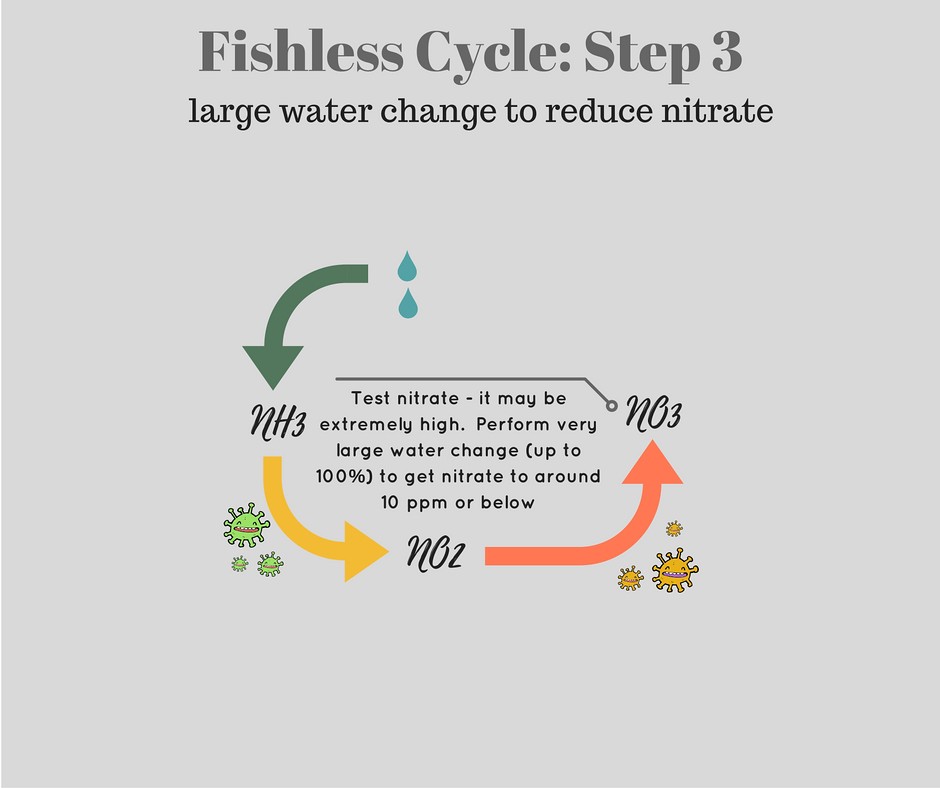
- Check nitrate levels; high amounts need water change
- Test water hardness to match your tank’s needs
- Record temperature to keep stable conditions
Credit: spec-tanks.com
Step-by-step Water Change Process
Changing aquarium water is key for healthy fish and plants. It helps remove waste and keeps the water clean. Follow simple steps to do it right.
This guide explains partial and full water changes, safe water removal, and adding treated water back to the tank.
Partial Vs Full Water Changes
Partial water changes remove some old water and replace it with fresh water. Full water changes remove all water and replace it completely. Both methods help maintain water quality.
- Partial Water Changes:Remove 10-30% of water to keep beneficial bacteria.
- Full Water Changes:Remove 100% of water, often done if water is very dirty or after illness.
- Frequency:Partial changes weekly or bi-weekly; full changes rarely, only if needed.
Safe Water Removal Techniques
Remove water carefully to avoid stressing fish or disturbing the tank. Use the right tools and gentle methods for best results.
| Tool | Use | Tip |
| Siphon Hose | Drains water and cleans gravel | Start siphon gently to avoid fish suction |
| Bucket | Collects removed water | Use a clean, dedicated bucket only for the tank |
| Water Vacuum | Removes debris from substrate | Move slowly to prevent fish injury |
Adding Treated Water
New water needs treatment before adding it to the tank. This removes harmful chemicals and matches tank conditions.
- Use a water conditioner to remove chlorine and chloramine.
- Check temperature to match the tank water.
- Add water slowly to avoid shocking fish.
- Test water parameters after adding new water.
Choosing The Right Replacement Water
Changing aquarium water is important for fish health. Choosing the right water helps keep fish safe. You must prepare the replacement water carefully before adding it to the tank.
Many aquarists use tap water, but it needs treatment. You can also use filtered or reverse osmosis water. Each type has benefits and things to watch out for.
Dechlorinating Tap Water
Tap water usually contains chlorine or chloramine. These chemicals can harm fish and plants. Always remove them before using tap water in your aquarium.
- Use a water conditioner that removes chlorine and chloramine.
- Follow the instructions on the conditioner bottle for the right amount.
- Let the treated water sit for a few minutes before adding it to the tank.
- Test water to ensure chlorine is gone using test kits.
Matching Temperature And Ph
Replacement water must match the tank’s temperature and pH. Sudden changes can stress or harm fish. Check these factors before adding new water.
| Factor | Ideal Condition | Why It Matters |
| Temperature | Within 2°F (1°C) of tank water | Prevents shock and stress |
| pH | Close to tank water pH | Maintains fish comfort and health |
Using Ro And Filtered Water
Reverse osmosis (RO) water is pure and free from most chemicals. Filtered water removes some impurities but may not be as pure as RO water. Both need adjustment before use.
Here are tips for using RO and filtered water:
- Test the water for hardness and pH before use.
- Add minerals or buffers to balance water chemistry.
- Mix RO water with tap water to reach desired parameters.
- Always match temperature before adding to the tank.

Credit: www.reddit.com
Common Mistakes To Avoid
Changing aquarium water is essential for fish health. Mistakes can harm your aquatic life. Let’s explore common errors to avoid.
Avoid these pitfalls for a thriving aquarium environment. Each mistake may lead to stress or illness in your fish.
Changing Too Much Water
Replacing excessive water at once can shock your fish. It’s crucial to keep this in check.
- Remove only 10-15% of the water weekly.
- Monitor fish behavior after changes.
- Use a water conditioner to balance the new water.
Ignoring Water Chemistry
Water chemistry affects fish health. Ignoring it can lead to problems. Regularly test your water.
| Parameter | Ideal Range |
| pH | 6.5 – 7.5 |
| Nitrate | Under 40 ppm |
| Ammonia | 0 ppm |
Disturbing The Substrate
Substrate holds beneficial bacteria. Disturbing it can release toxins into the water.
Gently siphon debris without stirring the substrate too much. This keeps the balance intact.
Tools And Equipment For Water Changes
Maintaining a healthy aquarium involves regular water changes. Using the right tools can make this task easier.
Here is a guide on the equipment needed for efficient water changes.
Siphons And Gravel Vacuums
Siphons and gravel vacuums help remove debris and waste from the tank. They are easy to use and essential for clean water.
- Manual siphons are affordable and simple to operate.
- Electric gravel vacuums save time and effort.
- Choose a model based on the size of your tank.
Buckets And Water Conditioners
Buckets are useful for transporting water to and from the aquarium. Water conditioners remove harmful chemicals.
| Bucket Size | Recommended Usage |
| 5 gallons | Small to medium tanks |
| 10 gallons | Large tanks |
| Water Conditioner | Neutralizes chlorine and chloramine |
Automated Water Change Systems
Automated systems simplify the process by handling water changes for you. These systems are ideal for large aquariums or busy owners.
Automated systems can be programmed to change water at set intervals, ensuring consistency.
Maintaining Crystal Clear Tanks
Keeping your aquarium water clear is important for fish health and tank beauty. Clean water helps fish live longer and look their best.
Regular care and the right balance of filtration and water changes keep your tank sparkling. This guide covers simple steps to maintain clarity.
Balancing Filtration And Water Changes
Filters remove waste and chemicals from the water. Water changes replace old water with fresh water. Both work together to keep your tank clean.
- Choose a filter that fits your tank size.
- Run the filter continuously for best results.
- Change 10-20% of the water weekly or biweekly.
- Use dechlorinated water for water changes.
- Check water parameters regularly with test kits.
Controlling Algae Growth
Algae can cloud water and cover tank surfaces. Controlling light and nutrients helps reduce algae growth.
| Cause | Control Method |
|---|---|
| Too much light | Limit tank light to 8-10 hours daily |
| Excess nutrients | Do regular water changes and avoid overfeeding |
| High nitrate levels | Use plants or algae eaters to reduce nitrates |
Regular Tank Cleaning Tips
Cleaning your tank removes dirt and debris that cloud water. Use gentle tools and follow safe methods to protect fish and plants.
- Use an aquarium vacuum to clean gravel.
- Wipe algae off glass with a soft scraper.
- Rinse filter parts in tank water, not tap water.
- Remove uneaten food daily to prevent decay.
- Check equipment for damage during cleaning.
Credit: pethelpful.com
Frequently Asked Questions
How Often Should I Change My Aquarium Water?
Regular water changes every 1-2 weeks keep your aquarium healthy. Changing 10-20% of water removes toxins and maintains water quality. Frequency depends on tank size, fish type, and filtration system.
What Percentage Of Water Should I Change Each Time?
Changing 10-25% of aquarium water per session is ideal. This amount balances toxin removal without stressing fish. Larger changes can shock aquatic life and disrupt the ecosystem balance.
Can I Use Tap Water For Aquarium Water Changes?
Yes, but always treat tap water with a dechlorinator. Chlorine and chloramine in tap water harm fish. Letting water sit overnight is not enough for safe use.
Should I Clean The Substrate During Water Changes?
Lightly vacuuming the substrate removes debris and prevents waste buildup. Avoid deep disturbance to preserve beneficial bacteria. Cleaning during water changes maintains a healthy aquarium environment.
Conclusion
Regular water changes keep your aquarium healthy and clear. Clean water helps fish stay active and happy. Changing water stops harmful chemicals from building up. Use a gentle method to avoid stressing your fish. Keep track of water changes to make a routine.
Small, frequent changes work better than large, rare ones. A simple step that improves your tank’s environment a lot. Healthy fish, clean water, and a happy tank start here.