
Keeping your aquarium clean can feel like a big chore, but what if there was an easy way to do it faster and better? That’s where an aquarium vacuum siphon comes in.
This simple tool helps you remove debris and dirt from your tank without disturbing your fish or plants. If you want a clearer, healthier aquarium with less hassle, learning how to use an aquarium vacuum siphon is a game-changer. Keep reading to discover how this tool can make your tank maintenance easier and more effective.

Credit: www.amazon.ca
Choosing The Right Vacuum Siphon
Keeping your aquarium clean is important for healthy fish. A vacuum siphon helps remove waste and debris. Choosing the right siphon makes the job easier and more effective.
This guide explains how to pick the best aquarium vacuum siphon. We cover types, size, and material to help you decide.
Types Of Aquarium Vacuums
Aquarium vacuums come in many forms. Some use manual siphoning, while others have battery power. Each type suits different tank sizes and user needs.
- Manual siphon:Uses gravity to start water flow. Simple and quiet.
- Hand pump siphon:Includes a pump to start suction quickly.
- Electric vacuum:Powered by battery or plug-in. Good for large tanks.
- Gravel vacuum:Designed to clean substrate without removing gravel.
Size And Capacity Considerations
| Tank Size | Recommended Vacuum Size | Capacity |
| Small (under 20 gallons) | Small siphon (6-8 inches) | Low water flow, easy control |
| Medium (20-50 gallons) | Medium siphon (8-12 inches) | Moderate water flow, handles debris |
| Large (50+ gallons) | Large siphon (12+ inches) | High water flow, fast cleaning |
Choose a siphon size that matches your tank. A small siphon may take longer for a big tank. Large siphons can be hard to control in small tanks.
Material And Build Quality
Vacuum siphons come in plastic, silicone, and sometimes metal parts. Good materials last longer and resist damage from water and chemicals.
- Plastic tubes:Lightweight and affordable. Look for BPA-free plastic.
- Silicone hoses:Flexible and easy to bend around tank corners.
- Metal connectors:Add strength but may corrode if not stainless steel.
- Seals and valves:Should be tight to prevent leaks and keep suction steady.
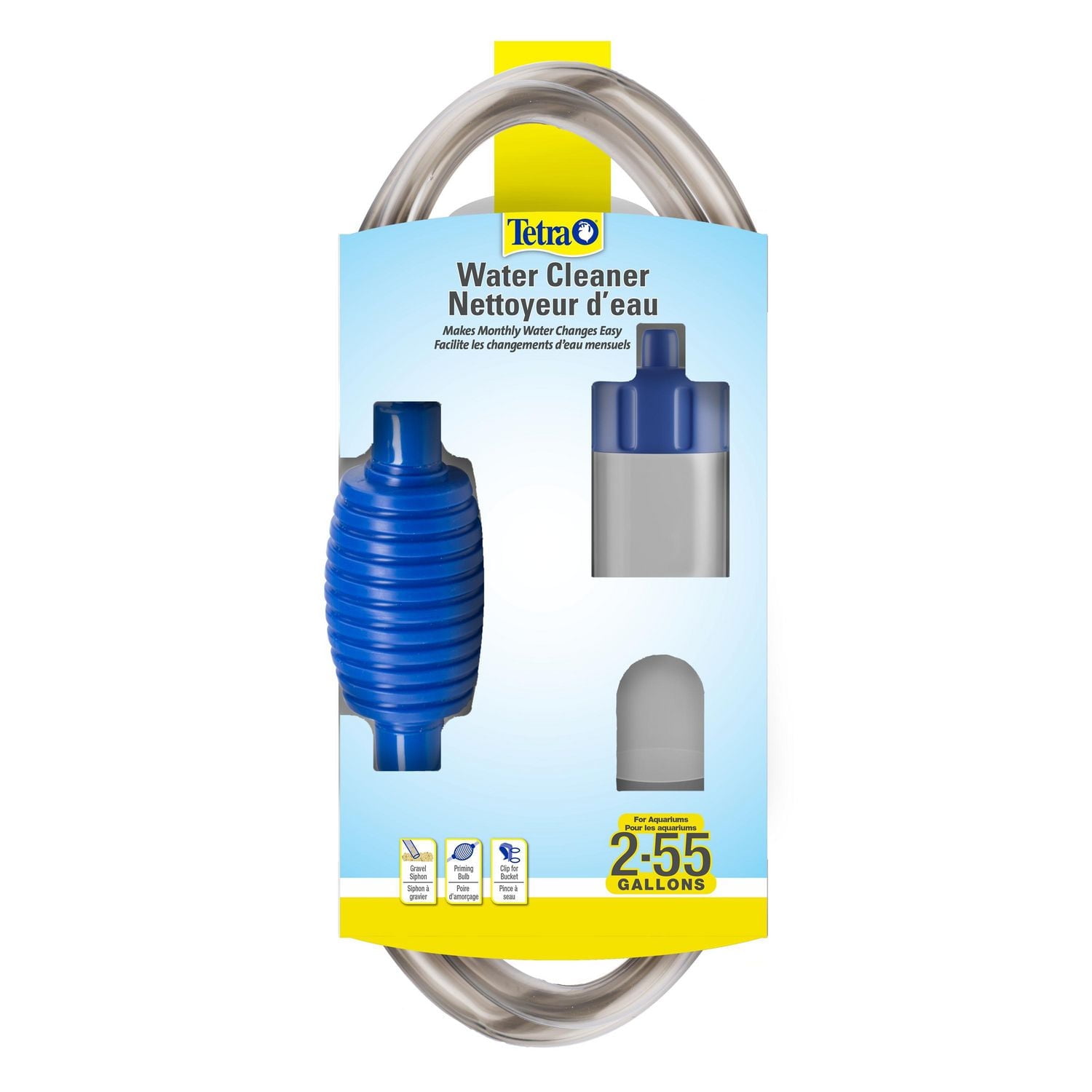
Credit: www.walmart.ca
Setting Up Your Vacuum Siphon
Using an aquarium vacuum siphon helps keep your tank clean. It removes debris and old water easily.
Setting up the siphon correctly makes cleaning faster and more effective. Follow these steps to get started.
Assembling The Equipment
First, gather all parts of the vacuum siphon. This usually includes a tube, a gravel vacuum head, and a collection bucket.
Connect the tube to the vacuum head tightly. Make sure there are no cracks or holes in the hose.
- Check that the gravel vacuum head fits your tank size
- Attach the tube firmly to avoid leaks
- Have a bucket ready to collect dirty water
Priming The Siphon
Priming starts the water flow through the siphon. You need to fill the tube with water or create suction.
One way is to submerge the entire tube in the aquarium to fill it. Another way is to suck water gently from the end outside the tank.
- Fill the tube fully with water before starting
- Keep the tube end lower than the tank for flow
- Do not swallow water when sucking to start flow
Positioning For Optimal Cleaning
Place the vacuum head on the tank floor where debris collects. Move it slowly to avoid disturbing fish.
Keep the bucket lower than the tank to maintain siphon flow. Stop if water flow slows or stops.
- Clean near plants and decorations carefully
- Use slow, steady motions for better dirt removal
- Make sure the bucket stays below the tank level
Techniques For Effective Tank Cleaning
Keeping an aquarium clean is key to healthy fish and plants. Using the right tools and methods makes tank cleaning easier.
A vacuum siphon helps remove waste without disturbing your tank too much. Learn how to clean gravel, remove algae, and keep water clear.
Cleaning Gravel And Substrate
Gravel and substrate collect fish waste and leftover food. Cleaning them prevents harmful buildup. A siphon vacuum is great for this task.
- Place the siphon tube into the gravel gently.
- Start the siphon to suck up dirt and debris.
- Move the tube slowly to avoid removing too much gravel.
- Clean small sections at a time for best results.
- Dispose of the dirty water properly.
Removing Algae And Debris
Algae can grow on tank walls and decorations. Removing it helps fish stay healthy and keeps the tank looking clear.
| Algae Type | Removal Method |
| Green Algae | Scrub with algae pad or scraper |
| Brown Algae | Use gravel vacuum and reduce light |
| Blue-green Algae | Clean substrate and improve water flow |
Maintaining Water Quality
Good water quality keeps fish alive and plants growing. Regular partial water changes help keep the tank balanced.
- Use the siphon to remove 20-30% of tank water.
- Replace with clean, treated water at the right temperature.
- Test water parameters like pH and ammonia weekly.
- Clean filters as needed but do not over-clean.
- Watch fish behavior for signs of stress or illness.
Maintenance And Care Tips
An aquarium vacuum siphon is a vital tool for keeping your tank clean. Regular maintenance ensures it works effectively. Caring for your siphon can extend its life and improve your aquarium’s health.
Learn how to clean, store, and troubleshoot your vacuum siphon. These tips will help you maintain a clean and healthy aquarium environment.
Cleaning The Vacuum Siphon
Cleaning your vacuum siphon is important. Rinse it with warm water after each use. This removes debris and prevents buildup.
Use a mild soap if needed. Rinse thoroughly to ensure no soap remains. Let it air dry completely before storing.
- Disassemble the siphon for a thorough clean
- Check for blockages and clear them
- Inspect for any cracks or damage
Storage Best Practices
Proper storage of your siphon prevents damage. Store it in a cool, dry place. Avoid direct sunlight and extreme temperatures.
Keep the siphon coiled neatly. This prevents kinks and maintains its shape. Use a storage bag if available.
- Store with similar aquarium tools
- Avoid placing heavy items on top
- Keep away from chemicals
Troubleshooting Common Issues
Sometimes your siphon might not work properly. Check for air leaks if it loses suction. Tighten all connections to fix this.
If water flow is low, look for blockages. Clean the tubing and check the valve for any debris.
- Examine the hose for pinches or bends
- Ensure all parts are securely connected
- Replace any worn out parts
Safety And Fish Health
Using an aquarium vacuum siphon helps keep the tank clean. It removes waste and debris without harming fish.
Proper use of the siphon protects fish health. It reduces stress and avoids damage to plants and decorations.
Preventing Stress To Fish
Fish can get scared by sudden movements or loud noises. Use the vacuum siphon slowly and gently to avoid this.
Keep the water level stable during cleaning. Avoid removing too much water at once to keep fish safe.
- Turn off aquarium lights before cleaning
- Move the siphon slowly near fish
- Keep water changes under 25% at a time
Avoiding Damage To Plants And Decorations
Vacuuming near plants and decorations needs care. Strong suction can pull up plants or move decorations.
Use gentle suction and avoid dragging the siphon over delicate areas. This keeps the tank environment safe.
- Focus on gravel and waste areas
- Keep siphon tip away from plant roots
- Secure decorations before cleaning
Safe Water Disposal
Dispose of aquarium water carefully. Avoid pouring it into places that can harm the environment.
Use the removed water for plants or gardens if it contains no chemicals. Otherwise, throw it away safely.
- Do not dump water into storm drains
- Check for chemicals before reuse
- Use buckets to carry water safely

Credit: www.amazon.com
Upgrading And Accessories
Keeping your aquarium clean is easier with the right vacuum siphon upgrades and accessories. These tools help remove debris and maintain water quality. You can improve your siphon for better performance and convenience.
Choosing the right add-ons can save you time and effort during tank maintenance. Accessories come in many types and price ranges. This guide covers popular upgrades to consider for your siphon system.
Popular Add-ons
Popular add-ons improve the function and ease of your aquarium vacuum siphon. They include various attachments and parts that enhance cleaning power. Some add-ons help reach tight spaces while others increase water flow.
- Extension tubes for deeper tanks
- Different nozzle shapes for substrate types
- Replacement hoses and connectors
- Flow control valves to adjust suction
- Debris collection bags or filters
Automated Vacuum Systems
Automated vacuum systems reduce manual work by using pumps or motors. These systems keep the tank cleaner with less effort. They often include timers and sensors for scheduled cleaning.
| Feature | Benefit |
| Electric pump | Consistent suction power |
| Timer settings | Automatic cleaning schedule |
| Debris filter | Prevents clogging and mess |
| Quiet operation | Less noise during cleaning |
Budget-friendly Options
Affordable upgrades keep your siphon effective without spending much. These options include simple tools and parts that improve performance. You can maintain a clean tank on a tight budget.
- Hand pumps for easy water start
- Reusable hose clamps
- Basic nozzle sets
- DIY gravel scoops
- Replacement parts from generic brands
Frequently Asked Questions
What Is An Aquarium Vacuum Siphon Used For?
An aquarium vacuum siphon cleans debris and waste from the tank’s substrate. It helps maintain water quality and fish health. Regular use prevents harmful buildup and keeps the aquarium environment safe and clean.
How Do You Use An Aquarium Vacuum Siphon Effectively?
To use, start the siphon by submerging the tube and creating suction. Move the vacuum head over the substrate to remove debris. Avoid disturbing plants or fish. Regular vacuuming ensures a clean tank and healthier aquatic life.
Can An Aquarium Vacuum Siphon Harm Fish Or Plants?
When used carefully, the siphon won’t harm fish or plants. Avoid strong suction near delicate plants and slow the flow around small fish. Proper technique ensures safe cleaning without disturbing your aquarium’s ecosystem.
How Often Should I Use An Aquarium Vacuum Siphon?
Use the vacuum siphon every 1-2 weeks depending on tank size and fish load. Frequent cleaning prevents waste buildup and maintains water clarity. Adjust frequency based on your aquarium’s specific needs and water quality.
Conclusion
An aquarium vacuum siphon keeps your tank clean and healthy. It removes dirt and old water quickly. Using it often helps fish stay happy and safe. The tool saves time and effort during tank cleaning. Choose a siphon that fits your tank size and needs.
Regular use prevents algae and debris buildup. Clean water means clearer views and better fish life. Simple to use, it makes maintenance easier for everyone. Keep your aquarium fresh and enjoy a beautiful underwater world.