
Are you giving your fish the perfect home they deserve? Managing the right aquarium temperature is one of the most important steps to keep your aquatic pets healthy and happy.
Each species thrives in its own ideal temperature range, and even small changes can affect their behavior, growth, and well-being. If you want to avoid stress, illness, or worse, understanding how to control your aquarium’s temperature for species-specific care is key.
Keep reading to discover simple, practical tips that will help you create the perfect environment tailored just for your fish. Your underwater friends will thank you!
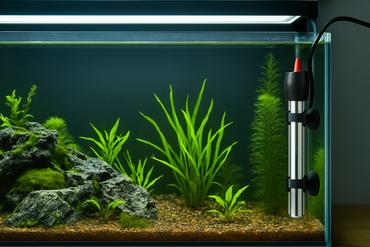
Credit: www.ratemyfishtank.com
Choosing The Right Temperature
Setting the correct temperature in your aquarium is key for healthy fish. Different species need different temperatures to thrive.
Understanding these needs helps you create the best environment for your fish.
Temperature Needs By Species
Fish species have unique temperature ranges where they live best. Tropical fish usually prefer warmer water, while coldwater fish like cooler tanks.
| Fish Species | Ideal Temperature (°F) | Ideal Temperature (°C) |
|---|---|---|
| Neon Tetra (Tropical) | 74 – 80 | 23 – 27 |
| Betta Fish (Tropical) | 76 – 82 | 24 – 28 |
| Goldfish (Coldwater) | 65 – 75 | 18 – 24 |
| White Cloud Mountain Minnow (Coldwater) | 64 – 72 | 18 – 22 |
Tropical Vs. Coldwater Fish
Tropical fish need warmer water to keep active and healthy. Coldwater fish live in cooler temperatures and can get stressed if water is too warm.
- Tropical fish: 75°F to 82°F (24°C to 28°C)
- Coldwater fish: 60°F to 75°F (16°C to 24°C)
- Use a reliable heater for tropical tanks
- Use chillers or room temperature control for coldwater tanks
Impact Of Temperature On Behavior
Fish behavior changes with temperature shifts. Too cold or hot water can slow their movement or cause stress.
Temperature effects include:
- Reduced appetite at low temperatures
- Increased aggression or restlessness in warm water
- Weakened immune system when temperature is unstable
- Changes in breeding and activity patterns
Setting Up Temperature Controls
Keeping the right temperature in your aquarium is key for fish health. Different species need different temperatures to thrive.
This guide covers how to select heaters, use cooling systems, and monitor temperature with tools.
Selecting Aquarium Heaters
Choose a heater that fits your tank size and fish needs. Heaters keep water warm and steady.
- Pick a heater with the right wattage for your tank volume.
- Look for heaters with adjustable thermostats.
- Consider submersible or inline heaters based on your setup.
- Check if the heater has safety features like auto shut-off.
Using Cooling Systems
Cooling helps keep the water from getting too hot. This is important in warm rooms or summer months.
| Cooling Method | Description | Best For |
| Chillers | Electric devices that lower water temperature. | Large tanks, tropical fish |
| Fans | Increase evaporation to cool water. | Small to medium tanks |
| Ice Packs | Temporary cooling using frozen packs outside the tank. | Short-term use |
Thermometers And Monitoring Tools
Use thermometers to check water temperature regularly. Some tools also alert you to changes.
- Digital thermometers with probes for accurate readings.
- Stick-on thermometers for quick visual checks.
- Wireless monitors that send alerts to your phone.
Maintaining Stable Conditions
Keeping a stable temperature is key for healthy aquarium life. Fish and plants need steady warmth to thrive.
This guide covers how to prevent sudden temperature changes, manage seasons, and handle emergencies.
Preventing Temperature Fluctuations
Sudden temperature shifts can stress aquatic life. Use heaters with thermostats to control heat.
- Place the tank away from windows and vents
- Use insulation materials around the tank
- Check heater settings daily
- Install a reliable thermometer
Dealing With Seasonal Changes
Seasons affect room temperature and tank warmth. Adjust equipment to keep water stable.
| Season | Temperature Tips |
| Winter | Increase heater setting; avoid drafts |
| Summer | Use cooling fans; reduce heater use |
| Spring/Autumn | Monitor daily; adjust as needed |
Emergency Temperature Solutions
Unexpected power loss or equipment failure can harm your fish. Have backup plans ready.
- Keep battery-powered heaters or heat packs
- Use insulated covers to keep heat in
- Move fish to a temporary tank if needed
- Have a thermometer to monitor temperature manually
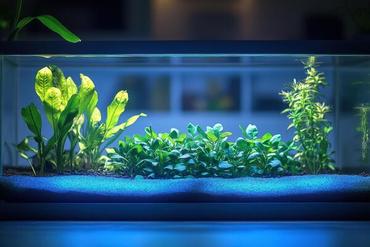
Credit: www.ratemyfishtank.com
Common Temperature-related Issues
Maintaining the right temperature is important for aquarium fish. Different species need different temperatures to stay healthy.
Temperature problems can cause stress and illness in fish. Knowing the signs helps you act quickly to protect your aquarium.
Signs Of Temperature Stress
Fish show many signs when the water temperature is wrong. They may swim oddly or hide more than usual.
Watch for changes like slow movement or gasping at the surface. These signs mean fish feel uncomfortable.
- Rapid breathing or gasping
- Clamped fins or pale colors
- Loss of appetite
- Erratic swimming or lethargy
- Hiding or resting on the bottom
Effects On Fish Health
Wrong temperature weakens fish immune systems. They get sick more easily and heal slower.
Cold water can slow fish metabolism. Hot water raises oxygen needs and causes stress.
- Increased risk of infections and diseases
- Slow growth and poor development
- Reduced lifespan
- Stress-related behaviors
- Imbalance in aquarium ecosystem
Troubleshooting Temperature Problems
Check your heater and thermometer often to keep correct temperature. Adjust settings as needed.
Use a reliable heater and avoid sudden temperature changes. Keep the aquarium away from drafts or direct sunlight.
- Test water temperature daily
- Use an aquarium heater with a thermostat
- Avoid placing tank near windows or vents
- Gradually adjust temperature if changes are needed
- Monitor fish behavior after temperature changes
Tips For Specific Species
Different fish species need different water temperatures. Keeping the right temperature helps them stay healthy.
Learn how to care for tropical fish, coldwater species, and sensitive fish by adjusting tank temperatures.
Caring For Tropical Fish
Tropical fish need warm water between 75°F and 80°F (24°C to 27°C). This helps them stay active and eat well.
Use a reliable heater to keep the temperature steady. Avoid sudden changes because tropical fish get stressed easily.
- Keep water temperature stable
- Check heater daily
- Avoid drafts and direct sunlight
- Use a thermometer to monitor
Coldwater Species Guidelines
Coldwater fish like goldfish and koi thrive in cooler water. Their ideal range is 65°F to 75°F (18°C to 24°C).
Do not use heaters for coldwater tanks unless the room temperature drops too low. Keep the water clean and well-oxygenated.
- Maintain cooler water temperatures
- Monitor water quality often
- Use aeration for oxygen
- Protect tank from heat sources
Temperature For Sensitive Species
Some fish like discus and certain cichlids need very specific temperatures. Usually, they need warm water around 82°F to 86°F (28°C to 30°C).
Keep the temperature steady with a good heater and check it often. Sudden shifts can cause illness or stress.
- Use a high-quality heater
- Monitor temperature twice daily
- Keep water stable without sudden changes
- Consider species needs before buying

Credit: jungleaquatics.com
Frequently Asked Questions
What Is The Ideal Aquarium Temperature For Tropical Fish?
Tropical fish thrive between 75°F and 80°F. Maintaining this range ensures proper metabolism and activity. Use reliable heaters and thermometers to monitor temperature consistently. Sudden changes can stress fish and cause health issues.
How To Adjust Aquarium Temperature For Cold-water Species?
Cold-water species prefer 60°F to 70°F. Use cooling fans or place tanks in cooler rooms. Avoid direct sunlight and heaters. Regular temperature checks prevent overheating, ensuring fish stay healthy and active.
Why Is Temperature Stability Crucial In Aquariums?
Stable temperature prevents stress and disease in fish. Fluctuations weaken immune systems and disrupt behavior. Consistent monitoring and equipment maintenance help maintain a steady environment, promoting species-specific care and longevity.
Can Different Fish Species Share The Same Temperature Range?
Only species with similar temperature needs can cohabit. Mixing tropical and cold-water fish causes stress and health problems. Research species-specific temperature requirements before combining to ensure compatibility and well-being.
Conclusion
Keeping the right temperature helps fish stay healthy and active. Different species need different warmth levels to thrive. Watch your thermometer daily to avoid sudden changes. Use a reliable heater and cooler to control the water. Proper temperature care reduces stress and prevents disease.
Happy fish mean a beautiful, lively aquarium. Remember, simple steps lead to great results. Your effort makes all the difference. Enjoy a vibrant underwater world with proper temperature management.