
Keeping your aquarium’s temperature just right is key to the health and happiness of your fish. But how do you make sure you’re always on top of it?
That’s where aquarium temperature logging methods come in. Whether you’re a beginner or a seasoned fish keeper, understanding how to track and record your tank’s temperature can save your aquatic friends from stress and illness. You’ll discover simple and effective ways to monitor your aquarium temperature, so you can create the perfect environment for your underwater world.
Ready to dive in? Let’s explore the best methods that fit your needs and lifestyle.

Credit: www.youtube.com
Importance Of Temperature Logging
Keeping track of aquarium temperature helps protect fish and plants. Temperature changes can affect their health and growth.
Logging temperature regularly shows trends and alerts you to problems early. This keeps the aquarium environment safe and stable.
Impact On Aquatic Life
Aquatic animals need specific temperature ranges to live well. Sudden changes can stress or even kill fish and other creatures.
- Fish may become weak or sick if temperature is too high or low.
- Plants may stop growing if the water is not warm enough.
- Temperature affects oxygen levels in the water.
- Some species only breed at certain temperatures.
Maintaining Stable Conditions
Logging temperature helps keep the aquarium steady. This supports a healthy habitat for all living things inside.
| Temperature Range | Effect on Aquarium |
| Too Low (< 20°C) | Fish become inactive, plants grow slowly |
| Optimal (20°C – 27°C) | Healthy fish activity, good plant growth |
| Too High (> 27°C) | Low oxygen, stressed fish, algae growth |
Common Temperature Sensors
Measuring temperature is key for a healthy aquarium. Using sensors helps track water temperature accurately. This protects fish and plants from harm caused by wrong temperatures.
There are different sensors you can use. Each type works in its own way. Some are simple and cheap, while others are more advanced and precise.
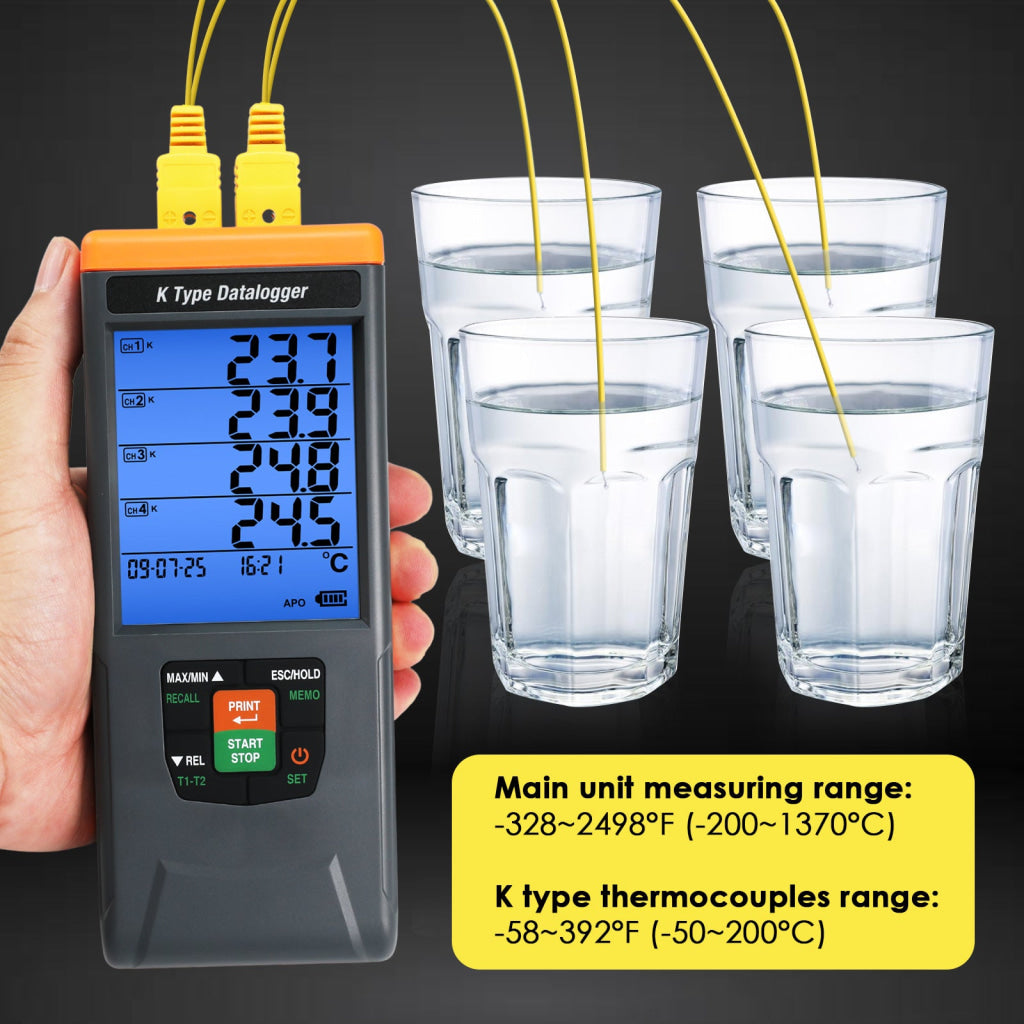
Thermocouples
Thermocouples are sensors made of two different metals joined at one end. They create a voltage when heated. This voltage shows the temperature.
They work well in many environments and can measure very high temperatures. Thermocouples are fast and durable but may not be the most accurate for small aquariums.
Thermistors
Thermistors change their resistance as temperature changes. They are simple and very sensitive to small temperature shifts. This makes them good for aquarium use.
- Affordable and easy to use
- Good accuracy for aquarium temperatures
- Works well in water environments
- Needs calibration for best results
Digital Temperature Sensors
Digital sensors give temperature readings in a digital format. They often include built-in processing for easy reading. Many models support direct connection to digital devices.
| Feature | Benefit | Use in Aquarium |
| Digital output | Easy to read and log | Connects to computers and controllers |
| High accuracy | Precise temperature data | Good for sensitive fish and plants |
| Integrated sensor | Compact and reliable | Fits well in small tanks |
Manual Logging Techniques
Keeping track of aquarium temperature is important for fish health. Manual logging helps you monitor changes over time.
This section explains simple ways to log temperature without using digital tools.
Using Analog Thermometers
Analog thermometers show temperature with a needle or liquid column. They do not need batteries.
Place the thermometer inside the aquarium or attach it to the outside glass. Read the temperature at the same time daily.
- Mercury or alcohol-based liquid shows temperature clearly
- Check for damage or fogging on the thermometer
- Clean the thermometer regularly for accurate reading
Recording Data By Hand
Write down the temperature readings on paper or a notebook. Use a table to organize data by date and time.
Consistent logging helps spot temperature trends. It also shows if the heater or cooler works well.
| Date | Time | Temperature (°C) | Notes |
|---|---|---|---|
| 2024-06-01 | 9:00 AM | 25 | Normal |
| 2024-06-01 | 6:00 PM | 24 | Heater off |
| 2024-06-02 | 9:00 AM | 25 | Normal |
Credit: www.gainexpress.com
Automated Logging Systems
Automated logging systems track aquarium temperature without manual checks. They record data regularly and store it for review.
These systems help maintain stable conditions for fish and plants. They alert owners if temperatures go outside safe ranges.
Standalone Data Loggers
Standalone data loggers are small devices that record temperature over time. They work independently and do not need other equipment.
These loggers store data internally. You can download the data later to analyze temperature changes.
- Simple to use and place inside or near the aquarium
- Often battery-powered for convenience
- Provide accurate temperature readings at set intervals
- Data can be exported to computers or phones
Integrated Aquarium Controllers
Integrated aquarium controllers combine temperature logging with other tank controls. They monitor heaters, lights, and filters.
These systems provide real-time data and can adjust equipment automatically. They send alerts if temperatures become unsafe.
- Connect sensors directly to the controller unit
- Record and display temperature data continuously
- Control heating and cooling devices based on temperature
- Often include mobile app support for remote monitoring
Wireless Temperature Monitoring
Monitoring aquarium temperature is crucial for the health of aquatic life. Wireless methods make this task easier and more efficient.
Technology offers various ways to keep track of temperature without direct contact. This ensures accurate and consistent readings.
Bluetooth Sensors
Bluetooth sensors are compact and easy to use. They connect directly to your smartphone or tablet.
- Quick and simple installation
- Portable and battery operated
- Real-time temperature updates
Wi-fi Enabled Devices
Wi-Fi enabled devices offer a stable connection over longer distances. They integrate with home networks for broader access.
- Remote monitoring from anywhere
- Notifications via email or app alerts
- Integration with smart home systems
| Device | Range | Power Source |
| Bluetooth Sensor | Up to 100 meters | Battery |
| Wi-Fi Device | Unlimited (via internet) | AC Power |
Data Accuracy Factors
Accurate temperature logging is vital for aquarium health. Data accuracy depends on several key factors.
Understanding these factors helps maintain stable water conditions for fish and plants.
Sensor Placement
Where you place the sensor affects how well it reads the water temperature. Sensors near heaters or filters may give false readings.
- Place sensors away from direct heat sources.
- Keep sensors submerged at mid-water level.
- Avoid placing sensors near tank walls.
- Use multiple sensors for larger tanks.
Calibration Practices
Calibration ensures sensors provide correct temperature data. Regular checks keep readings reliable.
| Calibration Step | Description |
| Compare with Reference | Use a trusted thermometer for comparison. |
| Adjust Sensor | Reset sensor if readings differ significantly. |
| Repeat Often | Calibrate monthly or after sensor replacement. |
Environmental Influences
Environmental factors can cause temperature changes that affect sensor data.
Consider these influences:
- Room temperature changes around the aquarium
- Sunlight exposure on the tank surface
- Water movement and circulation patterns
- Opening the tank lid often
Data Analysis And Visualization
Logging aquarium temperature helps keep fish healthy. Analyzing this data shows how stable the water is.
Visual tools make it easy to see temperature changes over time. They help spot patterns or problems quickly.
Using Software Tools
Software can collect and display temperature data automatically. It saves time and reduces errors.
Many programs show graphs and charts. These visuals help understand the data clearly.
- Excel or Google Sheets can plot temperature over days.
- Special aquarium apps track and alert temperature changes.
- Data logging devices often include their own software.
Interpreting Temperature Trends
Look for steady temperature levels to keep fish safe. Big swings can stress or harm them.
Notice if temperature rises or falls at certain times. This helps adjust heaters or coolers.
- Daily cycles may show heater problems.
- Sudden drops might mean power outages.
- Consistent trends can guide setting ideal temperatures.
Troubleshooting Temperature Issues
Aquarium temperature logging is crucial for maintaining a healthy aquatic environment. However, temperature issues can arise due to various reasons.
Identifying Sensor Failures
Sensor failures can be a common issue in aquarium temperature logging. To troubleshoot, check the following:
- Check the sensor’s power supply and ensure it is properly connected.
- Verify the sensor’s calibration and ensure it is set to the correct temperature range.
- Inspect the sensor’s wiring and connections for any signs of damage or corrosion.
Fixing Common Errors
Common errors in aquarium temperature logging can be caused by incorrect setup or calibration. To fix these issues, follow these steps:
| Error | Fix |
|---|---|
| Incorrect temperature reading | Calibrate the sensor or replace it if necessary. |
| Temperature fluctuations | Check the aquarium’s insulation and ensure it is properly sealed. |
| Sensor malfunction | Replace the sensor or contact the manufacturer for assistance. |
Additional Tips
Regular maintenance and monitoring can help prevent temperature issues in your aquarium. Ensure to check the temperature regularly and make adjustments as necessary.
Best Practices For Reliable Logging
Keeping accurate temperature logs is key for a healthy aquarium. Reliable logging helps catch problems early.
Use good methods to record and save temperature data. This guide covers how to do it well.
Routine Maintenance
Regular checks and cleaning keep your temperature logging tools working right. Dirty sensors can give wrong readings.
- Clean sensors weekly with soft cloth or sponge
- Check batteries in digital loggers every month
- Calibrate sensors according to manufacturer instructions
- Replace faulty or damaged equipment immediately
- Record maintenance activities in a logbook
Backup Systems
Backup systems prevent data loss if the main logger fails. Use more than one method to track temperatures.
| Backup Method | Purpose | Frequency |
| Manual Logbook | Record temperature by hand | Daily |
| Secondary Digital Logger | Automatic backup recording | Continuous |
| Cloud Storage | Remote data saving | Automatic sync |
| Alerts and Notifications | Warn of temperature changes | Real-time |

Credit: www.ratemyfishtank.com
Frequently Asked Questions
What Are Common Aquarium Temperature Logging Methods?
Common methods include digital thermometers, data loggers, and smart sensors. These tools track temperature changes accurately over time, ensuring a stable environment for aquatic life.
How Does Digital Temperature Logging Benefit Aquariums?
Digital logging provides precise, real-time temperature data. It helps detect fluctuations early, preventing stress or harm to fish and plants by maintaining optimal conditions consistently.
Can Smart Sensors Improve Aquarium Temperature Monitoring?
Yes, smart sensors offer remote monitoring and alerts. They sync with apps, allowing hobbyists to track temperature anytime, enhancing convenience and timely response to changes.
Why Is Consistent Temperature Logging Important For Aquariums?
Consistent logging ensures stable water conditions, critical for fish health and growth. It prevents sudden temperature swings that can cause stress or disease in aquatic life.
Conclusion
Keeping track of aquarium temperature protects your fish and plants. Simple tools like thermometers help you check water heat every day. Digital loggers make recording temperatures easy and clear. Consistent monitoring stops sudden changes that can harm your aquatic life.
Choose the method that fits your needs and budget best. Regular checks create a healthy environment for your aquarium. Stay attentive, and your fish will thrive in stable water conditions.