
If you want your aquarium fish to thrive, paying attention to the right water temperature is a must. Did you know that even a small change in temperature can affect your fish’s health and behavior?
Whether you have tropical fish, cold-water species, or something in between, understanding the ideal aquarium temperature for your specific species will make all the difference. Keep reading to discover how to create the perfect environment for your aquatic pets, so they stay vibrant and happy every day.
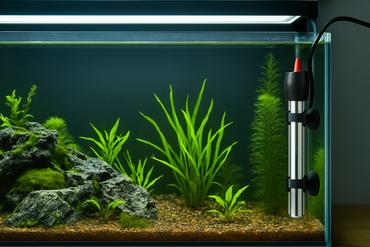
Credit: www.ratemyfishtank.com
Ideal Temperatures For Popular Species
Keeping the right temperature in your aquarium is key for your fish to live well. Each species needs its own ideal range. This guide helps you find the best temperatures for common aquarium species.
Knowing the correct temperature helps your fish stay healthy and active. It also prevents stress and diseases. Let’s explore the ideal temperatures for tropical, coldwater, marine, and brackish water species.
Tropical Fish
Tropical fish need warm water to thrive. Most species prefer temperatures between 75°F and 80°F (24°C to 27°C). This warmth supports their metabolism and immune system.
- Neon Tetras: 72°F – 78°F (22°C – 26°C)
- Guppies: 74°F – 82°F (23°C – 28°C)
- Angelfish: 76°F – 84°F (24°C – 29°C)
- Betta Fish: 76°F – 81°F (24°C – 27°C)
Coldwater Fish
Coldwater fish live best in cooler water. They usually do well between 60°F and 70°F (15°C to 21°C). These fish can tolerate lower temperatures without stress.
| Species | Ideal Temperature (°F) | Ideal Temperature (°C) |
| Goldfish | 65 – 72 | 18 – 22 |
| White Cloud Mountain Minnow | 60 – 72 | 15 – 22 |
| Weather Loach | 65 – 75 | 18 – 24 |
Marine Species
Marine fish need stable saltwater temperatures. Most prefer 74°F to 78°F (23°C to 26°C). Some reef fish have a narrower range to stay healthy.
Here are examples of marine species and their ideal temperatures:
- Clownfish: 74°F – 79°F (23°C – 26°C)
- Blue Tang: 75°F – 80°F (24°C – 27°C)
- Mandarinfish: 72°F – 78°F (22°C – 26°C)
- Damselfish: 72°F – 78°F (22°C – 26°C)
Brackish Water Species
Brackish water fish live in water with some salt. Their temperature needs vary but often fall between tropical and marine ranges. Keeping consistent temperature is important for them.
- Figure Eight Puffer: 75°F – 82°F (24°C – 28°C)
- Archerfish: 75°F – 80°F (24°C – 27°C)
- Scat Fish: 72°F – 78°F (22°C – 26°C)
Credit: www.ratemyfishtank.com
How Temperature Affects Fish Health
Temperature is very important for fish in an aquarium. It affects their health and how they behave. Different fish species need different temperatures to live well.
If the water is too hot or too cold, fish can get sick or stop growing. Keeping the right temperature helps fish stay healthy and active.
Metabolism And Activity
Temperature controls how fast fish use energy. Warm water speeds up their metabolism. Cold water slows it down. This changes how active fish are.
When metabolism is fast, fish eat more and swim more. If the water is too cold, fish become slow and may stop eating. Both cases can stress the fish.
Immune System Impact
The right temperature helps fish fight diseases. If water is too cold or hot, their immune system weakens. This makes fish more likely to get sick.
Stable and suitable temperatures reduce stress. Less stress means stronger defenses against bacteria and parasites.
Breeding And Growth
Temperature affects how fish grow and breed. Many fish need warm water to lay eggs. Cold water can stop breeding completely.
Young fish grow faster in the right temperature. If water is not suitable, growth slows and young fish may not survive.
Choosing The Right Heater And Thermometer
Aquarium temperature is very important for fish health. Different fish need different water temperatures.
You need the right heater and thermometer to keep the water steady. This helps your fish stay happy and safe.
Types Of Aquarium Heaters
There are many heaters to choose from. Each type works well for certain tanks and fish.
- Submersible Heaters:These go inside the tank and heat water evenly.
- Immersible Heaters:These hang on the tank side and are easy to remove.
- Inline Heaters:These fit into external filters for large tanks.
- Substrate Heaters:These warm the tank bottom, good for plants.
Choose a heater that matches your tank size and fish needs. A good heater keeps water steady.
Thermometer Options
You need a thermometer to check the water temperature. This helps you know when to adjust the heater.
- Stick-on Thermometers:These stick outside the tank glass for easy reading.
- Floating Thermometers:These float inside the tank and show real-time water temperature.
- Digital Thermometers:These give precise readings and some have alarms.
- Glass Thermometers:Traditional and simple, but must be handled carefully.
Pick a thermometer that fits your tank and is easy to read. Check temperature often for best results.
Placement Tips
Where you place your heater and thermometer matters. Proper placement helps keep water temperature even.
Put the heater near water flow. This spreads heat through the tank better.
- Place the thermometer opposite the heater to get true temperature.
- Keep the heater fully underwater if it is submersible.
- Avoid placing thermometers in direct sunlight or near filters.
- Secure all devices so fish cannot move or break them.
Maintaining Stable Temperature
Keeping a stable aquarium temperature is essential for fish health. Sudden changes can stress or harm your aquatic pets.
Each species needs a specific temperature range. Maintaining this helps them thrive and stay active.
Avoiding Fluctuations
Temperature swings can cause illness in fish. Avoid placing the aquarium near windows or vents.
- Use a reliable heater with a thermostat
- Check temperature daily with a good thermometer
- Keep aquarium away from direct sunlight
- Limit sudden water changes that affect temperature
Seasonal Adjustments
Season changes can affect room temperature. Adjust the heater settings according to the season.
| Season | Recommended Tank Temp (°F) | Recommended Tank Temp (°C) |
| Winter | 74-78 | 23-26 |
| Summer | 76-80 | 24-27 |
| Spring/Fall | 75-78 | 24-26 |
Backup Systems
Power failures or heater breaks can cause temperature drops. Prepare backup systems to protect your fish.
- Battery-powered air pumps
- Secondary heater with separate power source
- Insulating the tank with blankets during outages
- Temperature alarms to alert sudden drops
Signs Of Temperature Stress In Fish
Fish are sensitive to water temperature changes. Too hot or too cold water can harm them.
It is important to spot signs of temperature stress early. This helps keep fish healthy.
Behavioral Changes
Fish often change how they act when stressed by temperature. They may swim less or hide more.
Some fish gasp at the surface or move slowly. These changes show they are uncomfortable.
- Reduced swimming activity
- Hiding in corners or under plants
- Gasping for air near the surface
- Erratic or jerky movements
Physical Symptoms
Temperature stress can cause visible problems on fish bodies. Their fins or scales may look damaged.
Look for pale colors or clamped fins. These signs suggest the fish is not feeling well.
- Faded or pale colors
- Clamped or torn fins
- Swollen or bloated body
- White spots or fungus growth
Corrective Actions
Fixing the water temperature quickly helps fish recover. Use a reliable heater or chiller as needed.
Test the water often and keep temperature stable. Avoid sudden changes to reduce stress.
- Use an aquarium heater or chiller
- Check temperature daily with a thermometer
- Change water slowly to avoid shocks
- Keep the tank away from direct sunlight or drafts
Expert Tips For Specific Species
Keeping the right temperature is key for a healthy aquarium. Each fish species needs a special temperature range.
Here are expert tips for Betta Fish, Discus, Clownfish, and Goldfish. Follow these to keep your fish happy and healthy.
Betta Fish
Betta Fish thrive in warm water. Keep the tank temperature between 76°F and 82°F (24°C to 28°C). Use a heater to maintain this range.
Sudden temperature changes stress Bettas. Check your heater regularly to avoid drops below 75°F.
Discus
Discus fish prefer warmer water. Keep their tank at 82°F to 86°F (28°C to 30°C) for best health.
They are sensitive to temperature shifts. Keep the water stable to avoid illness.
Clownfish
Clownfish live in saltwater and like temperatures from 74°F to 79°F (23°C to 26°C). Use a marine aquarium heater.
- Keep water temperature steady to prevent stress.
- Monitor temperature daily with a reliable thermometer.
- Adjust heater settings slowly if needed.
Goldfish
Goldfish prefer cooler water. Ideal temperature is 65°F to 75°F (18°C to 24°C). Avoid heaters unless the room is very cold.
| Species | Ideal Temperature (°F) | Ideal Temperature (°C) |
| Betta Fish | 76 – 82 | 24 – 28 |
| Discus | 82 – 86 | 28 – 30 |
| Clownfish | 74 – 79 | 23 – 26 |
| Goldfish | 65 – 75 | 18 – 24 |
:strip_icc()/close-up-of-fish-swimming-in-aquarium-at-home-742356665-5aa2bab2fa6bcc00377fd8b0.jpg)
Credit: www.thesprucepets.com
Frequently Asked Questions
What Is The Ideal Aquarium Temperature For Tropical Fish?
Tropical fish thrive between 75°F and 80°F (24°C-27°C). Maintaining this range ensures their health and activity. Temperature stability is crucial to avoid stress and disease.
How Do Temperature Changes Affect Coldwater Fish?
Coldwater fish prefer 60°F to 70°F (16°C-21°C). Sudden temperature shifts can cause stress and weaken their immune system. Consistent temperature helps them stay healthy and active.
Which Species Need Warmer Aquarium Temperatures?
Species like discus, bettas, and angelfish require warmer water around 78°F to 86°F (26°C-30°C). These temperatures mimic their natural tropical habitats, promoting growth and vibrant colors.
Can Aquarium Heaters Harm Fish If Set Too High?
Yes, overheating can cause fish stress, oxygen depletion, and death. Always use a reliable heater with a thermostat and regularly monitor aquarium temperature.
Conclusion
Maintaining the right aquarium temperature keeps fish healthy and happy. Different species need different warmth levels. Check each fish’s needs before setting your heater. Watch the temperature daily to avoid sudden changes. Stable water conditions help fish grow and stay active.
Simple care ensures a beautiful, thriving aquarium. Your effort makes a big difference in their life. Keep learning and adjusting for the best tank environment. Small steps lead to great results.