
Have you ever wondered why your fish sometimes act restless or hide more than usual? The secret often lies in the temperature of your aquarium water.
Just like you, fish are sensitive to their environment, and even small changes in temperature can affect their mood, health, and behavior. Understanding how aquarium temperature influences your fish can help you create a happier, healthier home for them. Keep reading to discover the surprising ways temperature shapes your fish’s world—and how you can use this knowledge to become a better aquarium keeper.
Impact Of Temperature On Fish Activity
Temperature plays a big role in how fish behave in an aquarium. It affects their energy, movement, and feeding habits. Different species need different water temperatures to stay healthy.
Knowing how temperature changes fish activity helps you create a better environment. It also helps in choosing the right fish for your tank.
Cold Vs Warm Water Species
Fish species are often divided into cold water and warm water groups. Cold water fish live in lower temperatures, usually below 70°F (21°C). Warm water fish thrive in temperatures above 75°F (24°C). Each group has different activity levels.
- Cold water fish like goldfish swim slowly and need less oxygen.
- Warm water fish such as guppies are more active and need more oxygen.
- Mixing these species can stress fish and cause health problems.
Metabolism And Movement
Temperature affects fish metabolism. Higher temperatures speed up metabolism. Fish move faster and use more energy. Lower temperatures slow metabolism. Fish become less active and rest more.
| Temperature Range (°F) | Metabolism Level | Movement |
| 60 – 70 | Low | Slow |
| 71 – 80 | Moderate | Normal |
| 81 – 90 | High | Fast |
Feeding Patterns
Fish eat more in warm water because their metabolism is high. In cold water, fish eat less and digest slowly. Feeding times and amounts should match water temperature to avoid health issues.
- Feed warm water fish small meals often.
- Feed cold water fish less food but in larger amounts.
- Observe fish behavior to adjust feeding as needed.
Temperature Effects On Fish Health
Temperature plays a big role in fish health and behavior. Fish need a steady environment to stay healthy.
Changes in water temperature can affect their immune system and stress levels. It can also show in their behavior.
Immune System Response
Fish immune systems work best at certain temperatures. If water gets too cold or too hot, their defenses weaken.
A weaker immune system means fish fight infections less effectively. This can lead to more sickness in the tank.
Stress And Disease Susceptibility
Temperature changes cause stress in fish. Stress lowers their ability to resist diseases.
- Rapid temperature shifts can shock fish.
- Stress makes fish more open to bacteria and parasites.
- Stress can reduce appetite and activity.
- Diseases spread faster in stressed fish.
Signs Of Temperature-related Illness
| Sign | Description |
| Clamped Fins | Fins held close to the body, showing discomfort |
| Gasping | Fish near surface, struggling to breathe |
| Lethargy | Low energy, slow movements |
| White Spots | Possible parasite infection from weak immunity |
| Loss of Appetite | Refusal to eat, a common stress symptom |
Breeding And Reproduction
Fish breeding depends a lot on the aquarium temperature. The right temperature helps fish behave naturally and reproduce well. It also affects the health of eggs and young fish.
Understanding how temperature changes fish behavior can improve breeding success. This guide covers the best temperatures for breeding, spawning actions, and egg development.
Optimal Temperature Ranges
Different fish species need specific temperatures to breed. Keeping the water in the right range helps trigger breeding instincts and supports healthy offspring.
| Fish Species | Temperature Range (°C) |
| Guppies | 24 – 28 |
| Angelfish | 26 – 30 |
| Discus | 28 – 31 |
| Betta | 26 – 30 |
| Goldfish | 20 – 24 |
Spawning Behaviors
Fish show certain behaviors when they are ready to spawn. These behaviors include cleaning a spot, chasing mates, and changing colors. Temperature affects how often and how fast these actions happen.
- Increased swimming activity
- Building nests or clearing areas
- Displaying bright colors
- Pairing off with mates
- Performing mating dances or rituals
Egg And Fry Development
Temperature controls how quickly eggs hatch and how well fry grow. Warm water speeds up development but too warm can cause problems. Cooler water slows growth and can harm eggs.
Keeping stable temperature helps fry survive the first weeks. Gentle water flow and clean conditions also support healthy development.

Credit: www.reddit.com
Adjusting Aquarium Temperature
Keeping the right temperature in your aquarium is key for healthy fish. Fish behave differently if the water is too cold or too warm.
Adjusting the temperature carefully helps fish stay active and stress-free. It also supports their growth and immunity.
Choosing The Right Heater
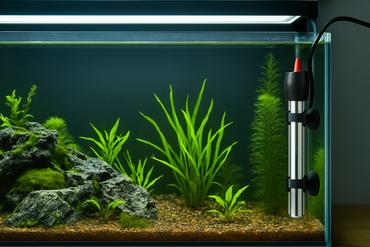
Select a heater that fits your tank size to keep water stable. Too small heaters may not warm enough, and too big ones can overheat.
Look for heaters with an adjustable thermostat. This helps keep the temperature steady and safe for your fish.
- Match heater wattage to tank volume
- Use heaters with built-in thermostats
- Check for waterproof and safe designs
- Choose brands known for reliability
Monitoring Temperature Fluctuations
Regularly check the water temperature to avoid sudden changes. Fish can get stressed if the temperature jumps up or down quickly.
Use a reliable aquarium thermometer and place it where fish swim often. Record the temperature daily to spot any problems early.
- Check temperature at the same time each day
- Watch for drops during night or power outages
- Keep a backup heater for emergencies
- Avoid placing the tank near windows or vents
Preventing Temperature Shock
Introduce temperature changes slowly to protect fish from shock. Sudden shifts can cause illness or death.
When changing water or moving fish, match new water temperature to the tank. Gradual adjustment helps fish adapt safely.
- Mix new water to tank temperature before adding
- Raise or lower heater temperature by 1 degree per day
- Avoid rapid changes during cleaning or transport
- Watch fish behavior closely after temperature change
Behavioral Changes Linked To Temperature
Temperature in aquariums affects fish behavior. Observing these changes helps keep fish healthy.
Fish react to temperature shifts in various ways. Understanding these reactions ensures a balanced aquarium environment.
Aggression And Territory
Fish may become more aggressive with temperature changes. They might defend their territory fiercely.
- Increased chasing and nipping
- Frequent displays of dominance
- More time spent guarding space
Resting And Hiding
Temperature affects fish resting and hiding patterns. Warmer water can make fish less active.
| Temperature | Fish Activity |
| Cool | More hiding |
| Warm | Less resting |
Social Interaction Variations
Fish social behaviors change with temperature. Some fish may become more social, others less so.
Credit: www.ratemyfishtank.com
:strip_icc()/close-up-of-fish-swimming-in-aquarium-at-home-742356665-5aa2bab2fa6bcc00377fd8b0.jpg)
Credit: www.thesprucepets.com
Frequently Asked Questions
How Does Temperature Affect Aquarium Fish Behavior?
Temperature influences fish metabolism and activity levels. Warmer water increases movement and feeding, while colder water slows fish down. Stable temperatures promote healthy behavior and reduce stress in aquarium fish.
What Is The Ideal Aquarium Temperature For Tropical Fish?
Tropical fish thrive between 75°F and 80°F (24°C to 27°C). Maintaining this range ensures optimal metabolism, growth, and natural behavior. Sudden temperature changes can harm their health and cause stress.
Can Temperature Changes Cause Fish Stress Or Illness?
Yes, rapid or extreme temperature shifts stress fish, weakening their immune systems. This makes them vulnerable to diseases and abnormal behavior. Keeping a consistent temperature helps maintain fish health and vitality.
How To Monitor And Control Aquarium Temperature Effectively?
Use an accurate aquarium thermometer to track water temperature daily. Employ reliable heaters or chillers to maintain stable levels. Regular checks prevent harmful fluctuations, ensuring fish comfort and well-being.
Conclusion
Controlling aquarium temperature keeps fish healthy and active. Fish behave differently in warm or cool water. Watch their movements and eating habits closely. Small changes in temperature can make a big difference. Keep the water steady to reduce stress on fish.
Happy fish means a beautiful and lively aquarium. Understanding temperature helps you care for your fish better. Simple steps lead to a thriving underwater world.