
Are you struggling to find the perfect aquarium stand that fits your uneven floors? You’re not alone.
Setting up an aquarium is exciting, but uneven flooring can turn it into a frustrating challenge. A wobbly or unstable stand not only ruins the look but can also put your fish and investment at risk. Imagine having a sturdy, reliable stand that keeps your tank safe and level no matter what.
You’ll discover smart solutions and tips to choose the best aquarium stand for uneven floors—so you can enjoy your underwater world without worry. Keep reading to find out how to protect your aquarium and create a beautiful, stable setup.
Challenges Of Uneven Floors
Uneven floors create problems for setting up aquarium stands. A stable base is important for the safety of your aquarium.
When floors are not level, extra care is needed to avoid damage and stress to the aquarium structure.
Risks For Aquariums
Uneven floors put pressure on the aquarium glass and frame. This can cause leaks or cracks over time.
- Stress on the glass panels can lead to cracks.
- Water pressure may become uneven and cause tank failure.
- The stand may wobble or tip, risking spills and injuries.
- Improper weight distribution can damage the floor beneath.
Common Causes
Several factors can cause floors to be uneven in homes or buildings. Knowing these helps in planning the aquarium stand.
| Cause | Description |
| Settling Foundation | Building materials shift over time causing uneven spots. |
| Warped Subfloor | Moisture or poor installation can bend the floor base. |
| Uneven Flooring Materials | Different thicknesses of tiles or boards create bumps. |
| Old or Damaged Joists | Structural beams lose strength and sag. |
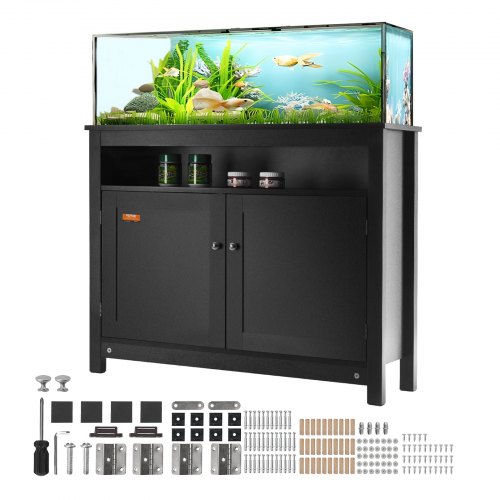
Credit: www.vevor.ca
Choosing The Right Stand Material
Picking the right material for your aquarium stand is important. The stand must hold the tank safely and fit your floor’s condition.
Uneven floors need a stand material that can offer good support and stability. Here are some common materials to consider.
Wood Options
Wood is a popular choice for aquarium stands because it looks nice and is strong. Solid wood and plywood are common types.
- Solid wood is sturdy but can be heavy and expensive.
- Plywood is lighter and less costly but needs good sealing to avoid water damage.
- Wood can be adjusted with shims to help with uneven floors.
- Check that the wood is treated to resist moisture and pests.
Metal Frames
Metal frames give strong support and last long. Steel and aluminum are popular metals used.
| Metal Type | Strength | Weight | Rust Resistance |
| Steel | High | Heavy | Needs coating |
| Aluminum | Medium | Light | Good |
Metal stands often come with adjustable feet. This helps level the stand on uneven floors easily.
Composite Materials
Composite stands mix wood and plastic. They resist water damage and can be lighter than wood.
Benefits of composite stands include:
- Water resistance prevents swelling and warping.
- Easy to clean surfaces.
- Usually less expensive than solid wood.
- Can handle slight floor unevenness without damage.
Adjustable Stand Designs
Aquarium stands must be stable to protect the tank and fish. Uneven floors can cause problems with stability.
Adjustable stands help keep the aquarium level on uneven surfaces. They offer ways to change height or balance to fit any floor.
Built-in Levelers
Built-in levelers are parts of the stand that you can twist or turn. They raise or lower the stand’s legs to balance the tank.
These levelers work well on small bumps or slopes. They keep your aquarium steady without extra tools.
- Easy to adjust by hand
- Keep aquarium stable on uneven floors
- Prevent rocking or tilting
Customizable Feet
Customizable feet let you swap or change the stand’s base parts. You can add pads or different shapes to fit the floor better.
These feet help spread the tank’s weight evenly. They also protect floors from scratches or dents.
- Replace feet with rubber pads or spikes
- Adjust size to match uneven spots
- Protect floors and improve grip
Modular Components
Modular components mean the stand comes in parts you can change or move. You can add extra supports or adjust frame pieces.
This design gives flexibility to fit many floor types. You can build the stand to suit your room’s shape.
- Add or remove support beams
- Change frame height or width
- Customize for unique floor shapes

Credit: www.amazon.ca
Diy Stability Enhancements
Uneven floors can cause your aquarium stand to wobble. This instability can stress your fish and damage the tank. Fixing the stand yourself saves money and keeps your aquarium safe.
Simple tools and materials can improve your stand’s balance. These DIY fixes are easy and effective. They help the stand hold the aquarium firmly on uneven surfaces.
Shimming Techniques
Shims are thin pieces of material used to fill gaps. You place shims under the stand legs to level it. Wood, plastic, or metal shims work well for this job.
Start by checking the stand’s balance with a level tool. Insert shims where the floor dips. Adjust the shims until the stand is stable and even.
- Measure the gap between leg and floor
- Cut shims to fit the gap
- Place shims under the legs
- Test for wobble and adjust as needed
Using Rubber Pads
Rubber pads add grip and cushion to the stand feet. They help prevent slipping on slick floors. Soft rubber also absorbs small floor bumps.
Choose thick rubber pads that fit your stand legs. Stick them to the bottom of each leg. Check the stand’s level and add more pads if needed.
- Clean the stand leg bottoms
- Pick rubber pads that match leg size
- Attach pads firmly to each leg
- Place the stand and check stability
Leveling With Foam Inserts
Foam inserts can fill uneven floor spaces under the stand. They compress to fit irregular surfaces and keep the stand steady. Use dense foam for better support.
Cut foam pieces to size and place them under the stand legs. Press down to settle the foam. Check the stand’s balance and add more foam if needed.
- Choose firm foam sheets or pads
- Cut foam to fit under each leg
- Place foam and press the stand down
- Adjust foam thickness to level the stand
Professional Installation Tips
Setting up an aquarium on an uneven floor requires careful planning. A stable stand ensures safety and prevents spills. Here are some tips for professional installation.
Following these guidelines will help you create a secure and visually appealing aquarium setup.
Floor Assessment Tools
Before installing your aquarium, assess the floor’s level. Use tools to identify uneven spots.
- Level: Check if the surface is flat.
- Measuring Tape: Measure the area for the stand.
- Spirit Level: Identify the high and low points.
Ensuring Weight Distribution
Distribute the weight of the aquarium evenly across the floor. This prevents stress on specific points.
| Component | Weight Distribution |
| Stand | Use shims to balance |
| Aquarium | Center on the stand |
| Water | Fill gradually to check stability |
Securing The Stand
Once the weight is evenly distributed, secure the stand to prevent movement.
Ensure all connections are tight and the stand is firmly in place.

Credit: www.vevor.ca
Maintenance For Long-term Stability
Keeping an aquarium stand stable on uneven floors takes effort. Regular care helps avoid damage and keeps your aquarium safe.
Simple maintenance tasks protect your stand and fish tank for years. Check your setup often to catch problems early.
Regular Floor Checks
Uneven floors can cause the stand to tilt or wobble. Check the floor under your stand regularly for changes.
Look for cracks, warping, or moisture that might affect the stand’s base. Use a level tool to measure the surface flatness.
- Inspect floor surface once a month
- Use a level to find any dips or slopes
- Fix small floor issues before they worsen
Stand Tightening And Adjustments
Loose screws or bolts make the stand unstable. Check and tighten all fasteners regularly to keep it firm.
Adjust feet or add shims under the stand to balance it on uneven floors. This prevents rocking and stress on joints.
- Check screws and bolts every two months
- Tighten any loose parts gently but firmly
- Add shims to level the stand if needed
Preventing Water Damage
Water spills can weaken the stand wood or metal. Clean up any water quickly to avoid damage and rust.
Use waterproof mats or sealants on the stand surface. This adds an extra layer of protection against leaks and humidity.
- Wipe spills immediately
- Place waterproof mats under the tank
- Apply sealant to wooden stands yearly
Frequently Asked Questions
How To Choose An Aquarium Stand For Uneven Floors?
Select a stand with adjustable legs or built-in leveling features. These help stabilize the tank on uneven surfaces, preventing stress and damage. Ensure the stand is sturdy, fits your aquarium size, and uses quality materials for durability and safety.
Can I Use Shims For Leveling An Aquarium Stand?
Yes, shims can level an aquarium stand on uneven floors. Use plastic or wooden shims for stability. Avoid materials that compress or degrade over time. Regularly check and adjust shims to maintain proper leveling and prevent tank stress.
What Materials Are Best For Aquarium Stands On Uneven Floors?
Metal and solid wood with adjustable feet work best on uneven floors. These materials offer strength and flexibility for leveling. Avoid particleboard or weak materials, as they may warp or collapse under uneven pressure.
How To Prevent Aquarium Damage From Uneven Flooring?
Use a level stand or adjustable supports to ensure even weight distribution. Place a foam mat or cushioning pad between the tank and stand for extra protection. Regularly check the tank’s balance to avoid stress and leaks.
Conclusion
Choosing the right aquarium stand for uneven floors keeps your tank safe. It prevents tilting and possible damage to your aquarium. Simple adjustments like shims or adjustable legs make a big difference. A sturdy stand helps your fish stay healthy and happy.
Taking time to fix floor unevenness protects your investment. Enjoy your aquarium without worry or stress. Small fixes create a strong, stable base for your tank. Keep your aquarium level and secure for years to come.