
Are you passionate about creating the perfect home for your favorite fish species? Choosing the right aquarium stand can make all the difference in keeping your tank safe, stable, and stunning.
Whether you’re caring for delicate bettas or vibrant cichlids, a stand designed specifically for your species’ needs ensures your underwater world thrives. You’ll discover how to pick the ideal aquarium stand that supports your species-specific tank perfectly. Keep reading, and unlock the secrets to a beautiful, secure aquatic display you’ll love showing off.

Credit: www.amazon.com
Choosing The Right Stand Material
Picking the right stand for your aquarium is very important. The stand must hold the tank safely and fit its specific needs.
Different materials offer different benefits. You should think about strength, water resistance, and environmental impact.
Wood Vs Metal Options
Wood and metal are common materials for aquarium stands. Wood looks natural and can be painted or stained. Metal offers strong support and a modern look.
- Wood stands are often easier to customize and repair.
- Metal stands are usually stronger for heavy tanks.
- Wood can be vulnerable to water damage if not sealed.
- Metal may rust if not treated properly.
Durability And Water Resistance
| Material | Durability | Water Resistance |
| Wood | Moderate | Needs sealing to resist water |
| Metal | High | Can rust without coating |
| Plastic Composite | High | Excellent |
Choose a stand that lasts long and handles spills. This protects your tank and your floor.
Eco-friendly Materials
Eco-friendly stands use recycled or sustainable materials. They reduce harm to the environment.
Look for these features in eco-friendly aquarium stands:
- Made from reclaimed wood or bamboo
- Metal parts made from recycled steel
- Non-toxic finishes and paints
- Long lifespan to reduce waste
Designing For Specific Species
Building an aquarium stand for species-specific tanks needs careful planning. The stand must support the unique needs of the fish and plants.
Each species has different size, weight, and habitat needs. The stand design should help maintain a healthy environment.
Weight And Size Considerations
Choose a stand that holds the tank’s weight safely. Some species require larger tanks, which need stronger support.
| Species | Tank Size (Gallons) | Approximate Weight (lbs) |
|---|---|---|
| Betta Fish | 5 | 50 |
| Discus Fish | 55 | 600 |
| Saltwater Reef | 75 | 900 |
Accessibility For Maintenance
Easy access to the tank helps with cleaning and feeding. Design the stand to allow space for tools and hands.
- Open back or removable panels
- Enough legroom for crouching or sitting
- Space for filter and pump access
- Room for storage of maintenance supplies
Custom Features For Habitat Needs
Add features based on the habitat needs of the species. This keeps the environment stable and healthy.
| Feature | Purpose |
|---|---|
| Built-in Humidity Control | For tropical amphibians needing moist air |
| Reinforced Frame | Supports heavy water weight for large tanks |
| Integrated Lighting Mounts | Holds lights that mimic natural day cycles |
Storage And Organization
A good aquarium stand helps keep your tank area neat. It stores supplies and hides clutter.
Organized storage saves time and protects your aquarium tools. It makes maintenance easier.
Built-in Cabinets And Shelves
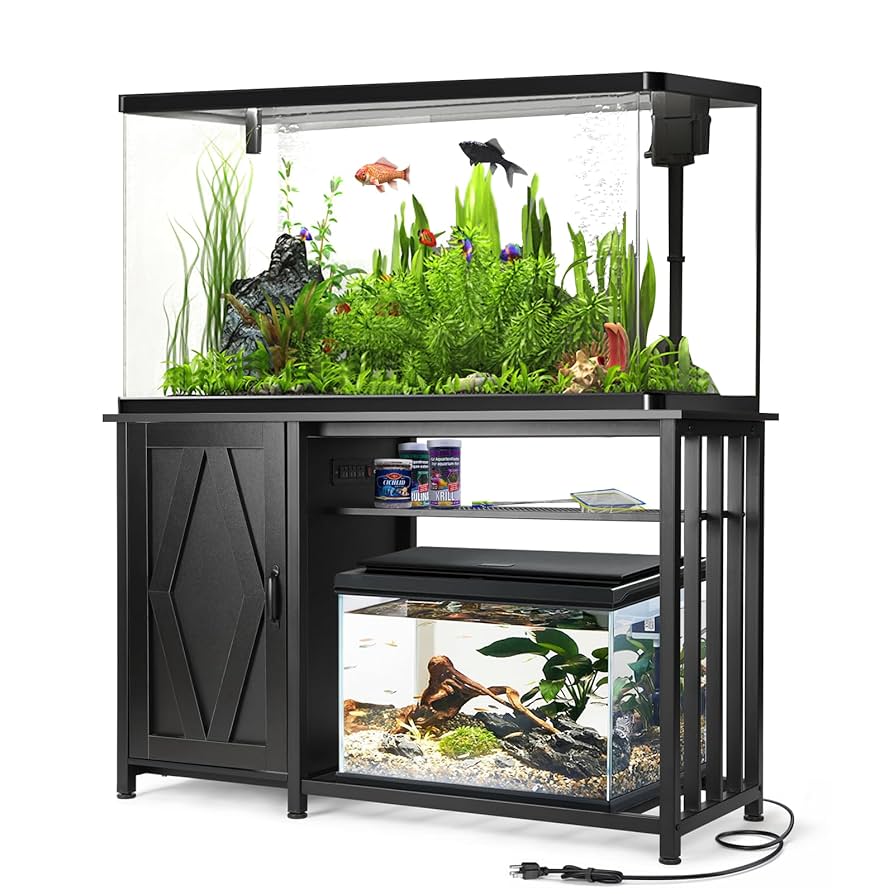
Built-in cabinets hold fish food, cleaning tools, and water treatments. Shelves can display decorations or extra tanks.
These storage options keep everything close to your aquarium. They reduce clutter around your tank space.
- Store nets, scrapers, and water testers inside cabinets
- Use shelves for extra tanks or plant containers
- Keep frequently used items easy to reach
Hidden Compartments
Hidden compartments offer secret spaces for valuable or messy items. They keep your aquarium area clean.
These compartments can be behind doors or under the stand. They help hide cords, filters, or chemicals.
- Hide power strips and cables for safety
- Store water conditioners or medications out of sight
- Keep cleaning supplies away from pets and children
Equipment Integration
Equipment integration means fitting pumps, filters, and heaters into the stand. This saves space and looks tidy.
Well-planned stands include openings and mounts for gear. This helps with easy setup and maintenance.
- Built-in slots for filters and air pumps
- Mounts for heaters to keep them secure
- Ventilation spaces to avoid overheating
Aesthetic Customization
Creating the perfect aquarium stand for species-specific tanks means thinking about how it looks. You want the stand to fit well with your room’s style. Aesthetic customization helps make your aquarium a beautiful part of your home.
From matching your décor to choosing colors and adding decorations, you can design a stand that matches your taste and your tank’s needs.
Matching Room Décor
Choose a stand style that fits your room’s theme. Whether your room is modern, rustic, or classic, the stand should blend in smoothly. Think about the shape, size, and material of the stand so it matches your other furniture.
Color And Finish Options
Colors and finishes change how your stand looks and feels in the room. You can pick from many options to find the perfect match for your space and tank.
| Color | Finish | Effect |
| Black | Matte | Modern and sleek |
| White | Glossy | Bright and clean |
| Wood Tone | Natural | Warm and cozy |
| Gray | Textured | Neutral and subtle |
Decorative Elements
Decorative touches make your stand unique. You can add details that fit your style and highlight the tank.
- Carved wood patterns for a classic look
- Metal accents for industrial style
- Glass panels to show off the tank base
- LED lighting to add ambiance
Safety And Stability
Choosing the right aquarium stand is key for species-specific tanks. Safety and stability keep your aquatic pets safe and healthy.
A stable stand supports the tank’s weight and prevents accidents. It also helps maintain a safe environment for your fish and plants.
Load-bearing Capacity
Aquarium stands must hold the full weight of the tank filled with water, decorations, and fish. Always check the stand’s load-bearing limit before use.
Strong materials like solid wood or metal frames offer better support. Avoid stands that feel weak or shaky under pressure.
- Know the tank’s total weight when filled
- Choose stands rated for that weight or higher
- Inspect materials for strength and durability
- Reinforce stands if needed for extra support
Anti-tip Mechanisms
Tanks can tip if bumped or if the stand is uneven. Anti-tip features help keep the aquarium upright and safe.
Secure the stand to the wall or floor with brackets or straps. This stops tipping during accidents or minor earthquakes.
- Use wall anchors and brackets for extra hold
- Place stands on flat, stable floors
- Check regularly for loose screws or fittings
- Add non-slip pads under stand legs
Waterproofing Techniques
Water spills are common near aquariums. Waterproof stands resist damage and last longer in wet conditions.
Use waterproof coatings, sealants, or laminates on wood stands. Metal stands should have rust-resistant finishes.
- Apply waterproof paint or varnish on wood surfaces
- Seal all edges and joints to prevent water entry
- Choose rust-proof metals like stainless steel or powder-coated steel
- Clean spills immediately to protect the stand
Budgeting Custom Stands
When setting up a species-specific aquarium, choosing the right stand is crucial for the health and well-being of your aquatic friends. A custom stand can provide the necessary support and ventilation for your tank, but it can also be expensive.
In this article, we’ll explore the cost factors to consider when budgeting for a custom aquarium stand, discuss the pros and cons of DIY vs professional builds, and examine the long-term investment value of a custom stand.
Cost Factors To Consider
Several factors contribute to the cost of a custom aquarium stand, including the size and type of tank, the materials used, and the level of customization required.
- Tank size: Larger tanks require more support and ventilation, increasing the cost of the stand.
- Materials: The type and quality of materials used can greatly impact the cost of the stand, with wood and metal being more expensive than plastic.
- Customization: A custom stand that meets specific design requirements can be more expensive than a standard stand.
Diy Vs Professional Builds
When it comes to building a custom aquarium stand, you have two options: DIY or professional build.
Diy builds can be cost-effective and allow for greater customization, but they may require specialized skills and tools. Professional builds, on the other hand, ensure a high-quality and durable stand, but they can be more expensive.
| Diy Builds | Professional Builds |
| Cost-effective | Higher cost |
| Greater customization | High-quality and durable |
Long-term Investment Value
A custom aquarium stand is a long-term investment that can last for years to come, providing a safe and healthy environment for your aquatic pets.
While the initial cost may seem high, a custom stand can save you money in the long run by reducing the need for repairs and replacements.
Finding Expert Builders
When setting up an aquarium, it’s crucial to choose a reliable and experienced builder who understands the specific needs of your species-specific tank. This ensures a healthy environment for your aquatic friends and a visually appealing display.
Where To Look For Specialists
Start by asking for referrals from fellow aquarium enthusiasts, local pet stores, or online forums. You can also search for builders in your area through online directories or social media groups.
- Local aquarium clubs and associations
- Online forums and social media groups
- Referrals from fellow aquarium enthusiasts
Questions To Ask Before Hiring
Before hiring a builder, it’s essential to ask the right questions to ensure you’re working with a reputable and experienced professional. Here are some key questions to ask:
- What experience do you have with species-specific tanks?
- Can you provide references from previous clients?
- What is your process for designing and building custom aquariums?
- Do you offer any warranties or guarantees on your work?
Reviewing Portfolios And References
A reputable builder should be able to provide you with a portfolio of their previous work and references from satisfied clients. Reviewing these will give you an idea of their expertise and attention to detail.
Look for builders who have experience with tanks similar to yours, and ask to see examples of their work. You can also contact their references to ask about their experience working with the builder.

Credit: www.amazon.com
Credit: www.amazon.com
Frequently Asked Questions
What Is A Species-specific Aquarium Stand?
A species-specific aquarium stand is designed to support tanks tailored for particular fish or aquatic species. It ensures proper weight distribution and complements the tank’s size and shape. This stand enhances stability and aesthetics, providing a safe environment for specialized aquatic setups.
Why Choose A Stand For Species-specific Tanks?
Choosing a stand designed for species-specific tanks ensures optimal support and safety. It accommodates unique tank sizes and weights, preventing damage. Such stands also improve tank accessibility, making maintenance easier while enhancing the overall display of your aquatic species.
How To Select The Right Stand For My Tank?
Select a stand based on tank dimensions, weight, and species needs. Ensure it supports the tank’s full load, including water and decorations. Consider material durability and resistance to moisture. A proper stand maintains tank stability and promotes the health of your aquatic inhabitants.
Can A Regular Stand Support Species-specific Tanks?
Regular stands may not always support species-specific tanks properly. These tanks can have unique shapes or weights requiring custom support. Using an unsuitable stand risks structural failure and harm to aquatic life. Always verify compatibility before choosing a stand.
Conclusion
Choosing the right aquarium stand supports your species-specific tank perfectly. It keeps your tank stable and safe. A good stand fits the tank size and matches the room style. Proper stands help maintain water quality by holding equipment securely. Don’t forget to check the material for durability and moisture resistance.
A sturdy stand makes caring for your fish easier and more enjoyable. Keep these points in mind to create a healthy home for your aquatic pets. Your tank and fish will thank you for it.