
If you love watching your fish swim gracefully, having the right aquarium stand can make all the difference. Imagine a stand that not only holds your tank securely but also gives you the perfect view every time you look in.
Choosing the right aquarium stand means you can enjoy your underwater world without strain or worry. You’ll discover how to pick the best stand to enhance your fish observation experience—making every moment by your aquarium more relaxing and enjoyable. Keep reading to find out what features matter most and how to create the ideal setup for your aquatic friends.
Credit: www.ebay.ca
Benefits Of A Dedicated Aquarium Stand
An aquarium stand provides a perfect base for your fish tank. It keeps your aquarium safe and easy to view. A dedicated stand fits the tank size and style well.
Using a proper stand helps in many ways. It improves how you watch fish and keeps the tank steady. It also saves room in your home or office.
Enhancing Fish Visibility
A good aquarium stand raises the tank to eye level. This makes it easier to see the fish and plants inside. It also reduces glare and reflections on the glass.
- Provides better lighting angle for clear views
- Reduces bending or straining to watch fish
- Keeps tank at a comfortable height for observation
- Helps display the aquarium as a centerpiece
Improving Tank Stability
A dedicated stand holds the aquarium firmly. It prevents shaking or tipping that can harm fish. Stands also spread the tank’s weight evenly on the floor.
| Stand Feature | Benefit |
| Strong frame | Supports heavy water weight |
| Level surface | Prevents water from spilling |
| Non-slip feet | Keeps tank steady on smooth floors |
| Proper size | Fits tank base perfectly |
Maximizing Space Efficiency
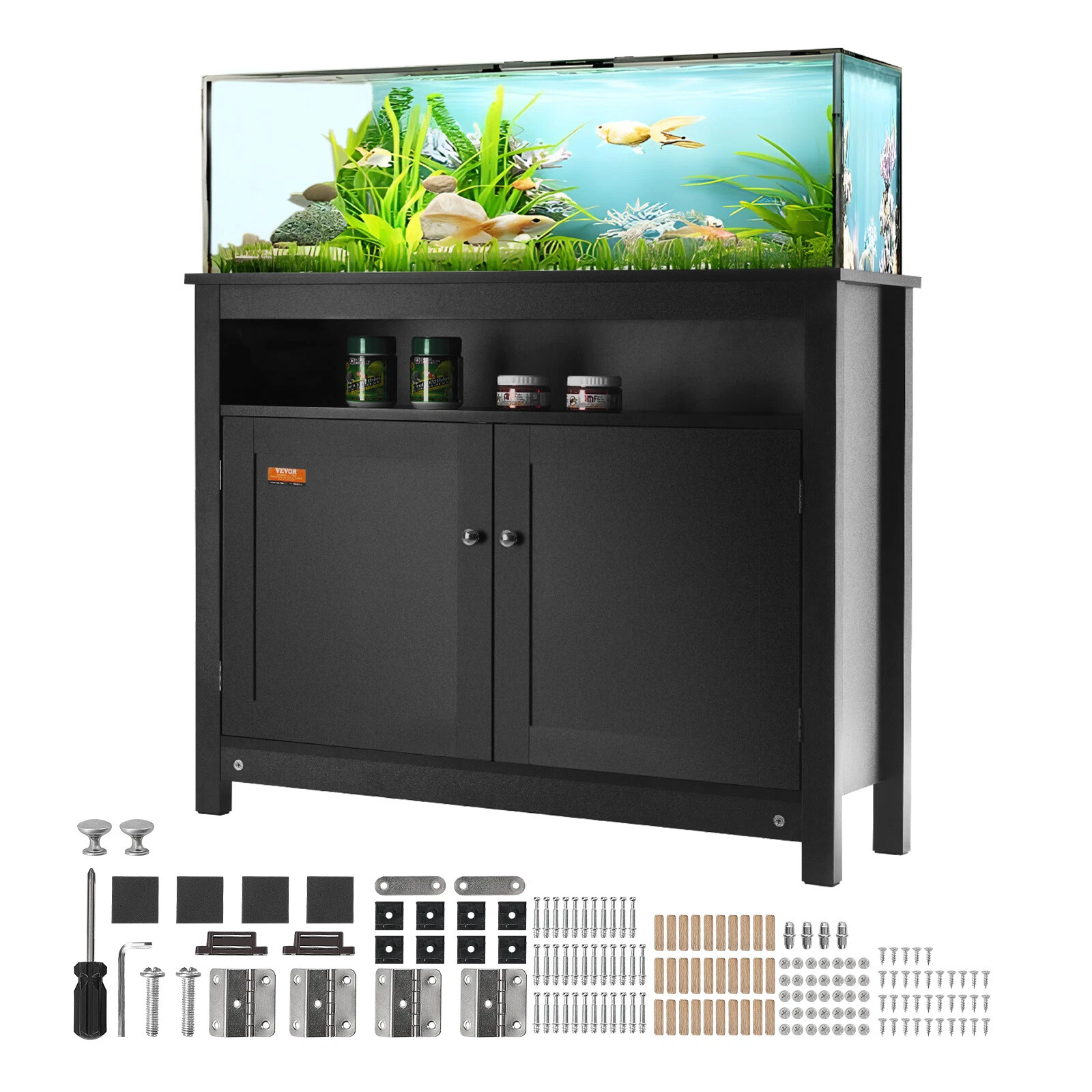
Many stands offer shelves or cabinets below the tank. These spaces store fish food, tools, and cleaning supplies. A well-designed stand helps keep your area tidy.
- Built-in cabinets for hidden storage
- Open shelves for quick access
- Compact footprint to fit small rooms
Key Features To Consider
Choosing the right aquarium stand is important for fish observation. It supports the tank and keeps it safe.
This guide covers key features to help you pick a good stand for your aquarium.
Material Types And Durability
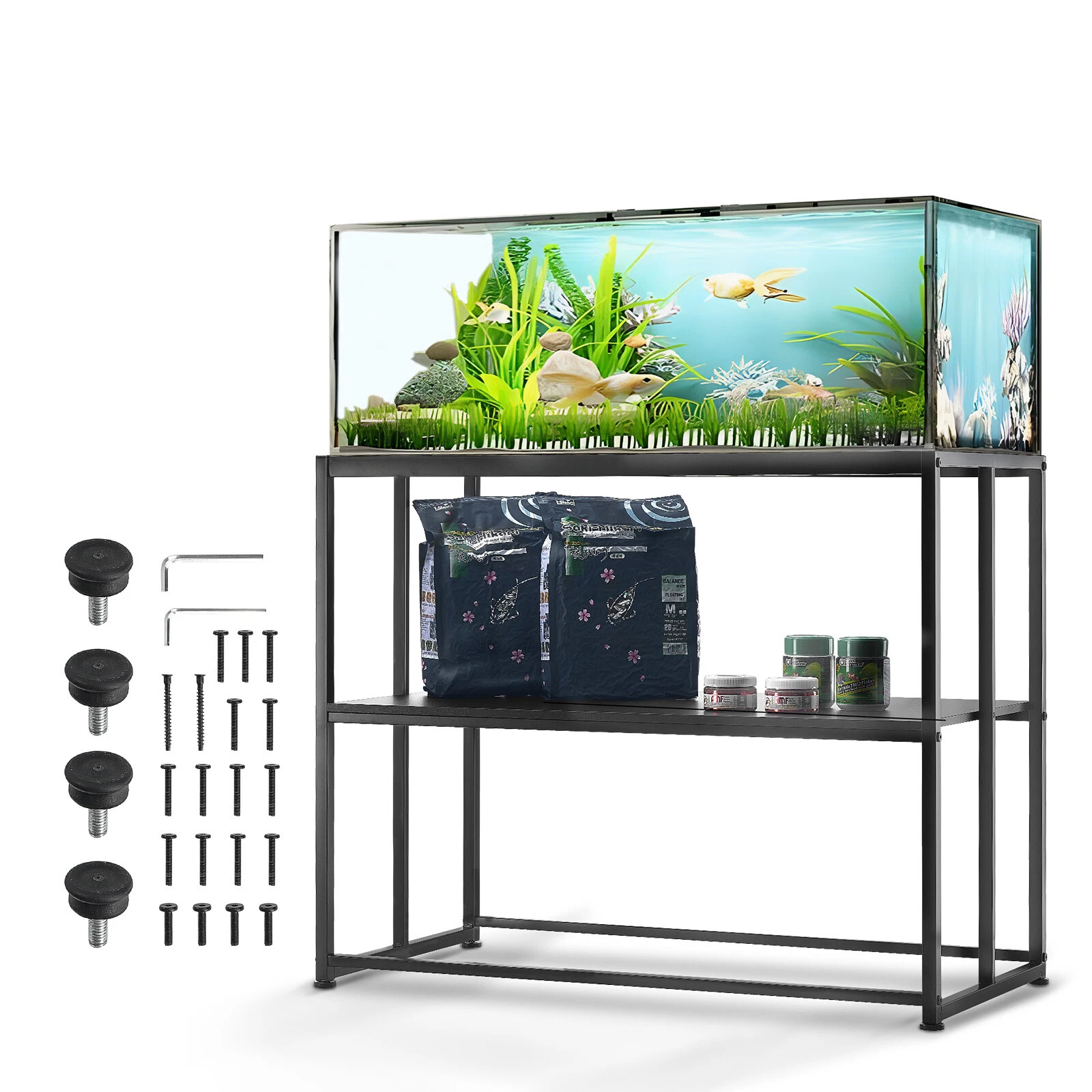
Aquarium stands come in wood, metal, and plastic. Wood looks natural but can warp with moisture. Metal stands are strong and last long but may rust if not coated. Plastic stands are light but less durable.
- Wood: classic look, moderate durability
- Metal: strong, rust risk without coating
- Plastic: lightweight, less durable
Weight Capacity And Size Compatibility
| Stand Size | Maximum Weight | Tank Size Compatibility |
|---|---|---|
| Small | 50 lbs (23 kg) | Up to 20 gallons |
| Medium | 100 lbs (45 kg) | 21 to 50 gallons |
| Large | 200 lbs (91 kg) | 51 to 100 gallons |
| Extra Large | Over 200 lbs (91+ kg) | Over 100 gallons |
Match the stand size and weight limit with your aquarium. This ensures safety and prevents damage.
Design Styles And Aesthetic Appeal
Choose a design that fits your room and aquarium style. Some stands have shelves for supplies. Others have cabinets for hiding equipment.
Common design features to consider:
- Open frame for easy access
- Closed cabinet for neat storage
- Modern styles with clean lines
- Rustic or traditional wood finishes
Popular Materials For Aquarium Stands
A sturdy aquarium stand is important for fish observation. It holds the tank safely. Many materials work well for stands. Each has its own benefits and style.
Choosing the right material depends on your tank size, room design, and budget. Here are popular materials used for aquarium stands.
Wood And Its Variants
Wood is a classic choice for aquarium stands. It looks warm and natural. Many types of wood are used, including solid wood, plywood, and MDF. Wood can be stained or painted to match room decor.
- Solid wood is strong and durable.
- Plywood offers good strength and is less expensive.
- MDF is smooth and easy to paint but less water-resistant.
Metal Frames
Metal frames add a modern touch to aquarium stands. They are very strong and can hold large tanks. Common metals used are steel and aluminum. Metal stands often have a sleek design and resist warping.
| Metal Type | Advantages | Considerations |
| Steel | Very strong and durable | May rust if not coated |
| Aluminum | Lightweight and rust-resistant | Less strong than steel |
Plastic And Composite Options
Plastic and composite stands are lightweight and easy to clean. They resist water damage and can have many colors or textures. These stands are usually less expensive but might not hold very heavy tanks.
Advantages of plastic/composite stands:
- Waterproof and easy to maintain
- Often lightweight for easy moving
- Variety of designs and finishes

Credit: www.amazon.com
Measuring And Sizing Tips
Choosing the right aquarium stand is important for fish observation. You need to measure and size carefully to support your aquarium.
This guide will help you understand how to match the stand dimensions, allow space for accessories, and ensure the floor is level.
Matching Stand Dimensions With Aquarium Size
The aquarium stand must fit the size of your tank. Measure the length, width, and height of your aquarium.
Check if the stand can hold the weight of the filled tank. A sturdy stand prevents accidents.
- Measure your tank’s dimensions accurately
- Ensure the stand supports the tank’s weight
- Choose a stand that matches your room’s style
Allowing Space For Accessories
Aquarium stands should have space for accessories. Filters, lights, and heaters need room around the tank.
Consider the storage space under the stand. It can hold fish food and cleaning tools.
- Leave room for filters and lights
- Check for storage options in the stand
- Organize accessories for easy access
Accounting For Floor Levelness
Your aquarium stand must sit on a level floor. An uneven floor can cause the tank to tilt.
Use a level tool to check the floor. Adjust the stand’s feet if needed.
- Ensure the floor is flat and even
- Use adjustable feet for leveling
- Check stability before adding water
Installation And Maintenance
An aquarium stand supports your fish tank and keeps it stable. Proper installation and regular care help protect your fish and equipment.
This guide explains how to install the stand correctly and maintain it for long-term use. Follow these tips to keep your aquarium safe.
Proper Stand Assembly
Start by unpacking all parts and checking the instruction manual. Gather the necessary tools before you begin assembling.
Make sure all screws and bolts are tight. The stand must be level and sturdy to hold the aquarium’s weight safely.
- Check that the stand’s surface is flat and even
- Tighten all fasteners securely
- Use a level tool to confirm horizontal alignment
- Place the stand in its final location before assembly
- Do not skip any assembly steps from the manual
Regular Cleaning And Inspection
Clean the stand regularly to remove dust and dirt. This helps prevent damage and keeps the area tidy.
Inspect the stand for signs of wear or damage. Look for loose screws, cracks, or rust on metal parts.
- Wipe the stand with a damp cloth weekly
- Check all joints and fasteners monthly
- Look for stains or water spots that may cause damage
- Repair or replace damaged parts immediately
Preventing Water Damage
Water can damage the stand if it leaks or spills. Use protective measures to keep the stand dry and strong.
Place a waterproof mat or tray under the aquarium to catch drips. Clean spills quickly to avoid stains and warping.
- Check aquarium seals to prevent leaks
- Use waterproof coating on wooden stands
- Keep towels nearby to soak up spills
- Inspect the floor under the stand for moisture
- Do not place the stand where water pools can form
Budgeting For Your Aquarium Stand
Setting up an aquarium involves careful planning. Your aquarium stand is an important part of this plan. It supports your tank and enhances the look of your setup.
Budgeting for an aquarium stand needs thought. This guide will help you understand costs and choices.
Cost Ranges And What To Expect
Aquarium stand prices can vary. You can find options in different price ranges. Basic stands are more affordable, while high-end stands cost more.
Consider what you expect from the stand. A basic stand might lack storage. High-end stands often have more features.
- Basic stands: $50 – $100
- Mid-range stands: $100 – $300
- High-end stands: $300 and up
Balancing Price With Quality
Quality matters when choosing an aquarium stand. A cheaper stand might not last long. More expensive stands often use better materials.
Think about the stand’s durability. A strong stand keeps your tank safe. Check reviews and materials to ensure quality.
Diy Vs. Ready-made Stands
DIY stands can save money. They require time and skills. Ready-made stands are convenient and come in various styles.
Choose DIY if you enjoy building and have the tools. Opt for ready-made if you want a quick solution.
- DIY stands: Customizable, may require woodworking skills
- Ready-made stands: Available in stores, easy to set up
Enhancing Fish Observation Experience
Watching fish in an aquarium can be calming and fun. A good aquarium stand helps you see your fish clearly. It makes the experience better for both you and your fish.
A well-designed stand supports the tank safely and adds features that improve viewing. Simple adjustments and lighting can change how you enjoy your fish.
Incorporating Lighting Solutions
Lighting can highlight your fish and plants. It helps show colors and movements clearly. The right light also supports fish health and plant growth.
- Use LED lights for bright, clear views.
- Choose adjustable lights to change brightness and color.
- Place lights to avoid glare and reflections.
- Consider timers to mimic natural day and night cycles.
Using Adjustable Stand Features
Adjustable stands let you set the aquarium height and angle. This helps reduce neck strain and improves your view. Some stands also have shelves for easy storage.
| Feature | Benefit |
| Height Adjustment | See fish at eye level |
| Tilting Mechanism | Reduce glare and reflections |
| Storage Shelves | Keep fish care tools nearby |
| Sturdy Base | Support tank weight safely |
Positioning For Optimal Viewing
Where you place the aquarium stand affects how well you see the fish. Choose a spot with good natural light but no direct sunlight. Sunlight can cause algae growth in the tank.
Follow these tips for the best position:
- Place the stand away from windows with direct sunlight.
- Keep the aquarium at eye level to avoid neck strain.
- Position the tank so you can view it from your main sitting area.
- Ensure the floor is level and strong enough for the tank’s weight.
- Leave space around the stand for cleaning and maintenance.
Credit: www.ebay.ca
Frequently Asked Questions
What Is The Best Aquarium Stand For Fish Observation?
The best aquarium stand offers stability, durability, and proper height for easy viewing. It should support tank weight safely and match your room decor.
How To Choose An Aquarium Stand For Fish Tanks?
Consider tank size, weight capacity, and material quality. Ensure the stand is level and sturdy to prevent accidents and allow comfortable fish observation.
Can Aquarium Stands Improve Fish Observation Experience?
Yes, stands elevate tanks to eye level, reducing glare and strain. They also provide storage for equipment, enhancing the overall viewing and maintenance experience.
Are Custom Aquarium Stands Better For Fish Observation?
Custom stands fit your tank perfectly and match your style. They offer optimal height and strength, improving fish visibility and room aesthetics.
Conclusion
Choosing the right aquarium stand makes fish watching more enjoyable. A sturdy stand keeps your tank safe and steady. It also shows your fish clearly without any wobble. Good stands fit well with your room style and size. They help keep your aquarium at the perfect height.
This way, you can see your fish easily every day. Take time to find a stand that suits your needs. It makes your fish observation simple and fun. A proper stand supports both your tank and your peace of mind.