
If you’re serious about fish breeding, you know that the right setup makes all the difference. An aquarium stand for fish breeding tanks isn’t just a piece of furniture—it’s the foundation that keeps your tanks safe, stable, and organized.
Choosing the right stand can protect your investment, create a better environment for your fish, and make your breeding process smoother. Keep reading to discover what to look for in an aquarium stand and how it can transform your fish breeding experience.
Choosing The Right Stand Material
Picking the right material for your aquarium stand is important. It helps keep your fish breeding tank safe and steady.
Different materials offer different strengths and weaknesses. You should know what fits your tank and room best.
Wood Vs Metal Stands
Wood stands look nice and fit many home styles. They can hold heavy tanks well if made right.
Metal stands are strong and last a long time. They often take up less space and resist bending.
- Wood stands offer a classic look.
- Metal stands provide higher strength.
- Wood may be heavier and need sealing.
- Metal can rust if not coated.
Benefits Of Custom Builds
Custom stands fit your tank size perfectly. You get the exact height and width you want.
You can choose strong materials and add shelves or doors. Custom builds match your room decor well.
- Perfect fit for any tank size
- Choose materials you trust
- Add storage or decorations
- Match your home style
Water Resistance Factors
Water can damage many materials over time. Pick stands that resist moisture well to avoid problems.
Wood needs sealing with waterproof paint or varnish. Metal stands should have rust-proof coatings.
- Use waterproof finishes on wood
- Choose rust-resistant metals
- Check for proper coatings
- Keep stands dry when possible

Credit: www.amazon.com
Size And Weight Considerations
Choosing the right aquarium stand for fish breeding tanks is important. The stand must fit the tank and support its weight safely.
Size and weight are key factors to check before buying or building a stand. This helps keep your tank stable and your fish safe.
Measuring Tank Dimensions
Measure the length, width, and height of your fish breeding tank. Accurate measurements ensure the stand fits well.
Leave a little extra space around the tank edges. This space helps with placing and removing the tank if needed.
- Use a tape measure for accuracy
- Measure at the widest points
- Check tank shape for curves or corners
- Note the total height including lid or cover
Load Capacity Essentials
The stand must hold the tank’s full weight. Water and decorations add a lot of weight.
Calculate the total weight by adding tank weight, water weight, substrate, and any equipment inside.
- Water weighs about 8.34 pounds per gallon
- Tank glass weight depends on thickness and size
- Substrate and decorations add extra weight
- Choose a stand rated above the total weight
Allowing Space For Equipment
Fish breeding tanks often need extra equipment like filters and heaters. The stand should have room for these.
Plan space for wires, tubes, and water flow to avoid clutter and damage.
- Leave space behind or under the tank for equipment
- Ensure easy access for maintenance
- Consider stands with shelves or cabinets
- Keep electrical parts away from water
Design Features For Stability
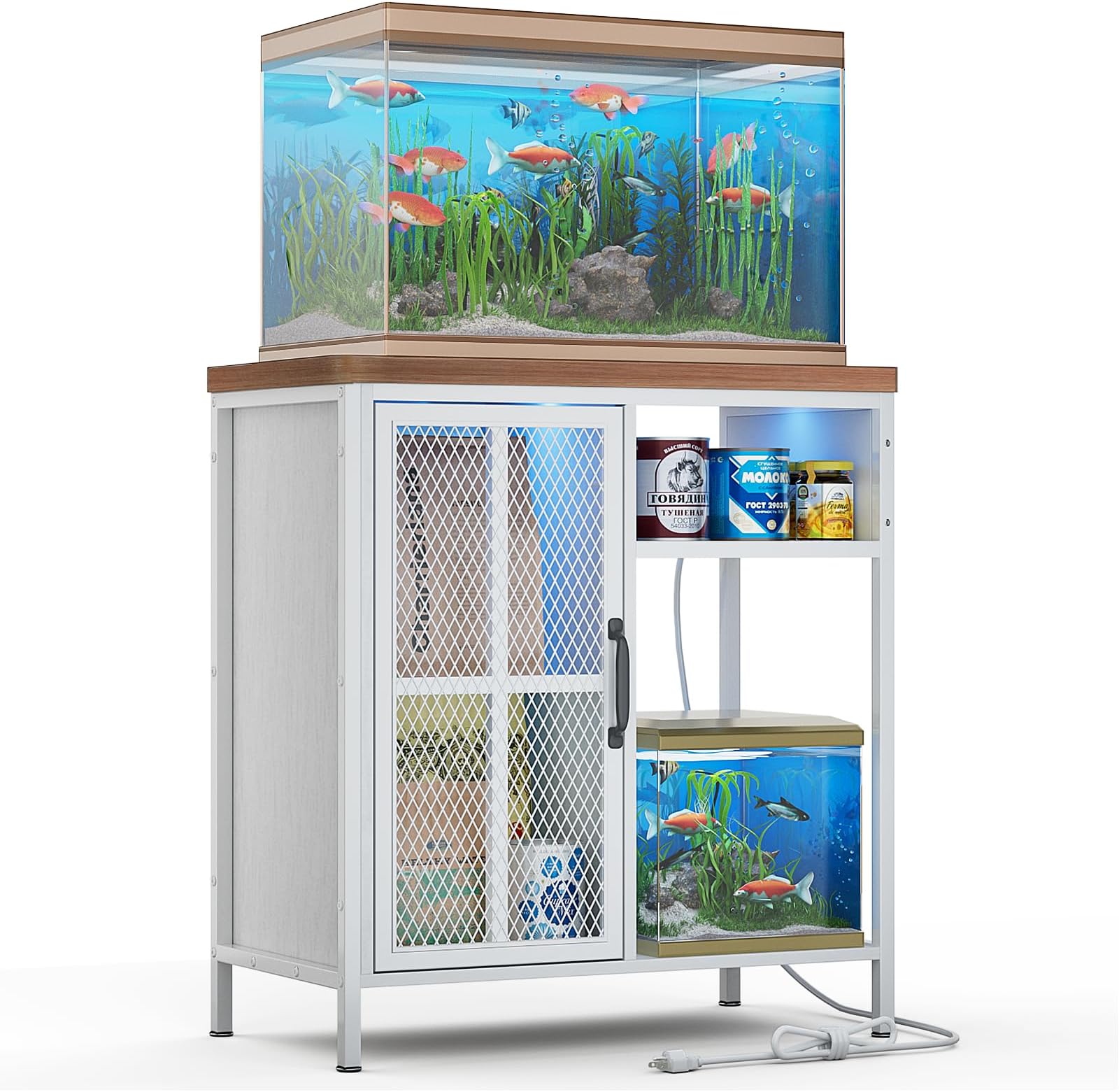
An aquarium stand must be strong to hold fish breeding tanks safely. Stability helps keep tanks from tipping or wobbling. Good design features make the stand last longer and protect the fish.
This article explains key design elements that improve stability. These include reinforcement methods, leveling feet, and cross bracing. Each plays a role in keeping the stand steady.
Reinforcement Techniques
Reinforcement adds strength to aquarium stands. Using extra support beams and sturdy materials helps the stand hold heavy water tanks. Reinforced joints prevent shaking and bending under weight.
- Use thick plywood or hardwood for main panels
- Add vertical support posts at corners
- Secure joints with screws and metal brackets
- Include shelf supports under the tank area
Leveling And Support Feet
Leveling feet keep the aquarium stand even on uneven floors. Adjustable feet allow small changes to balance the stand. This reduces stress on the tank and prevents water spills.
| Type of Support Feet | Function | Benefit |
| Fixed Feet | Non-adjustable base | Simple but less flexible on uneven surfaces |
| Adjustable Feet | Can be turned to change height | Allows precise leveling on any floor |
| Rubber Pads | Provides grip and absorbs vibration | Prevents slipping and reduces noise |
Cross Bracing Importance
Cross bracing adds diagonal supports between the frame. This stops the stand from swaying side to side. It also spreads the tank’s weight evenly across the structure.
Key benefits of cross bracing:
- Increases lateral stability
- Prevents frame twisting
- Improves overall durability
- Helps maintain tank alignment
Credit: aaryagold.in
Placement And Environment
Choosing the right place for your aquarium stand is very important. The environment affects fish health and tank stability.
Proper placement helps keep the tank safe and the fish comfortable. Think about floor type, vibrations, and air conditions.
Floor Surface Types
The floor surface must support the aquarium stand evenly. Hard, flat floors work best for heavy tanks.
Soft or uneven floors can cause the stand to wobble or the tank to crack. Use a sturdy base to protect the tank.
- Concrete floors provide strong support
- Wood floors need a flat, solid base
- Carpet may cause uneven weight distribution
- Use a plywood board on soft floors
Avoiding Vibrations
Vibrations can stress fish and damage the tank. Place the stand away from heavy foot traffic or loud machines.
Use vibration-absorbing materials under the stand to reduce shaking. This helps keep water stable and fish calm.
- Keep the tank off floors that shake or move
- Place rubber pads under the stand legs
- Avoid near washing machines or speakers
- Limit movement around the tank area
Humidity And Temperature Effects
High humidity can damage wood stands and cause mold growth. Keep the room dry and well-ventilated.
Temperature changes can stress fish and weaken the stand material. Keep the aquarium in a stable climate.
- Avoid placing the tank near heaters or air conditioners
- Use a dehumidifier if the room is very humid
- Check room temperature daily for stability
- Keep the stand material water-resistant if possible
Safety Tips For Breeding Tanks
Keeping fish breeding tanks safe is very important. A secure setup helps protect your fish and equipment. This guide shares key tips to keep your aquarium stand stable and safe.
Follow these safety tips to avoid accidents and ensure a healthy environment for your fish. Proper care also extends the life of your aquarium stand and tanks.
Securing The Aquarium
Make sure the aquarium sits firmly on the stand. Use anti-slip pads or rubber mats between the tank and stand. This prevents sliding and damage to glass or wood.
- Check that the stand is level and stable on the floor.
- Use silicone sealant to secure the tank edges to the stand if needed.
- Avoid placing the tank near windows or doors that cause vibrations.
Preventing Tipping Hazards
Avoid tipping accidents by placing the stand away from high-traffic areas. Keep children and pets from climbing on or bumping the stand.
| Tip | Reason |
|---|---|
| Use wall anchors or brackets | Keeps stand from tipping forward |
| Place heavier equipment on lower shelves | Improves stand balance |
| Do not overload the stand | Prevents structural failure |
Regular Maintenance Checks
Perform routine inspections to catch issues early. Check for cracks, rust, or wood warping. Tighten loose screws and bolts on the stand.
- Clean the stand to avoid mold and damage.
- Inspect seals and supports under the tank.
- Replace worn pads or mats immediately.

Credit: www.amazon.in
Frequently Asked Questions
What Is The Best Material For Aquarium Stands?
Wood and metal are the best materials for aquarium stands. Wood offers aesthetic appeal and durability. Metal provides strong support and resists moisture damage. Choose based on tank weight and room decor. Both materials ensure stability for fish breeding tanks.
How To Choose The Right Size Aquarium Stand?
Measure your fish breeding tank’s length, width, and height. Pick a stand slightly larger for stability and ventilation. Ensure the stand supports the tank’s weight fully. Proper sizing prevents accidents and promotes healthy fish breeding.
Can Aquarium Stands Hold Heavy Breeding Tanks?
Yes, quality aquarium stands can support heavy breeding tanks. Ensure the stand is designed for your tank’s weight and size. Check product specifications carefully to avoid structural damage. Proper support keeps the tank stable and safe for fish.
Why Is Stability Important In Fish Breeding Stands?
Stability prevents tank tipping and water spills. It ensures a safe environment for delicate fish eggs and fry. A stable stand reduces stress for breeding fish. Choose stands with strong frames and level surfaces for best results.
Conclusion
Choosing the right aquarium stand supports healthy fish breeding tanks. A strong, stable stand keeps your tank safe and secure. It also helps you organize space efficiently. Proper stands prevent accidents and stress for fish. Good stands last long and hold weight well.
Think about size, material, and design before buying. This makes caring for fish easier and more enjoyable. A solid base means your fish can thrive happily. Simple steps lead to better fish breeding success.