
Choosing the right aquarium size for your freshwater species, like angelfish, can make all the difference in their health and happiness. If you want your fish to thrive and show off their vibrant colors, you need to get this just right.
Too small, and your angelfish may feel stressed or cramped. Too large, and you might face unnecessary costs and maintenance challenges. You’ll discover exactly what size tank suits angelfish best and why it matters for their well-being. Keep reading to ensure your underwater friends get the perfect home they deserve.

Credit: www.reddit.com
Choosing The Right Aquarium Size
Picking the right aquarium size is key for happy freshwater fish. The size affects fish health and comfort.
Different species need different tank sizes. Angelfish have special space needs to grow well.
Minimum Tank Requirements For Angelfish
Angelfish need tanks that hold at least 20 gallons. This space lets them swim and grow properly.
Keep in mind angelfish grow tall and wide. Taller tanks help them swim up and down freely.
- Minimum tank size: 20 gallons
- Taller tanks are better than wide ones
- Provide hiding spots with plants or decorations
Space Needs For Other Freshwater Species
Other freshwater fish have different space needs. Some need more room to swim actively.
Small fish like tetras need less space. Large or active fish like cichlids need bigger tanks.
- Tetras: 10 gallons for a small group
- Corydoras catfish: 15 gallons minimum
- Cichlids: 30 gallons or more
- Gouramis: 20 gallons or larger
How Tank Size Affects Fish Health
Small tanks cause stress and poor water quality. Fish need space to swim and hide.
Proper tank size helps reduce disease risk. It also keeps fish active and happy.
- Larger tanks dilute toxins better
- More space means less fighting
- Active fish need room to swim
- Plants and decorations need space too
Tank Dimensions And Shape
Choosing the right tank size and shape is important for freshwater fish like angelfish. The tank affects their health and swimming comfort.
Angelfish need space to swim vertically and horizontally. The tank should suit their body shape and behavior.
Tall Vs. Wide Tanks
Tall tanks have more height, while wide tanks offer more horizontal space. Each shape affects angelfish differently.
Angelfish swim mostly up and down. Tall tanks give them room to move vertically. Wide tanks allow more side-to-side swimming.
- Tall tanks help angelfish show their natural vertical swimming.
- Wide tanks let more fish swim side by side.
- Choose based on your tank space and fish numbers.
Ideal Dimensions For Angelfish
Angelfish need a tank that is at least 20 inches tall. This height fits their tall bodies well.
The tank should be at least 24 inches wide and 18 inches deep. This size gives enough swimming space.
| Dimension | Minimum Size |
|---|---|
| Height | 20 inches (50 cm) |
| Width | 24 inches (60 cm) |
| Depth | 18 inches (45 cm) |
Impact Of Tank Shape On Swimming Behavior
Tank shape changes how angelfish swim and behave. They like tall spaces to swim up and down.
Wide tanks give them space to explore horizontally. A balanced shape helps reduce stress and fights.
- Tall tanks encourage natural vertical swimming.
- Wide tanks support group movement and exploration.
- Flat tanks can limit vertical swimming and cause stress.
- Choose a shape that matches angelfish behavior and tank size.
Stocking Levels And Compatibility
Choosing the right aquarium size is key for keeping angelfish healthy. Proper space helps reduce stress and fighting.
Stocking levels depend on tank size and which fish live together. Balance is important for a peaceful tank.
Number Of Angelfish Per Tank Size
Angelfish grow to about 6 inches tall. They need space to swim and hold territories.
Here are general guidelines for angelfish numbers based on tank size:
- 20 gallons: 1 angelfish
- 30 gallons: 2 angelfish
- 40 gallons: 3 angelfish
- 50 gallons or more: 4 or more angelfish
Mixing Angelfish With Other Species
Angelfish are semi-aggressive and can bully smaller fish. Choose tank mates carefully.
Good companions include peaceful, medium-sized fish that stay mid to top level in the tank.
- Tetras (larger species like black skirt or bleeding heart)
- Corydoras catfish
- Gouramis
- Ram cichlids
Avoid tiny fish that angelfish may eat. Also, skip very aggressive species to prevent fights.
Avoiding Overcrowding Issues
Overcrowding causes poor water quality and stress. This leads to disease and death.
Keep your tank filtered and clean. Test water often and remove extra fish if needed.
- Give each fish enough space to swim freely
- Keep compatible species together to reduce fights
- Watch for signs of stress like hiding or loss of appetite
- Keep plants and hiding spots to lower stress levels
Water Quality And Maintenance
Keeping freshwater fish like angelfish healthy needs good water quality. Clean water helps fish live longer and stay active.
Regular maintenance keeps the aquarium safe. It stops harmful chemicals and waste from building up.
Filtration Needs For Larger Tanks
Larger tanks hold more water but also more fish waste. Filters must work harder to clean the water well.
Choose filters with high flow rates and strong biological media. This helps remove toxins and keep water clear.
- Use canister or power filters for big tanks
- Check and clean filters every 2-4 weeks
- Replace filter media as the maker advises
Regular Water Changes And Monitoring
Change 20-25% of the water every week to remove waste. Fresh water lowers harmful chemicals like nitrate and ammonia.
Test water with kits often. Check pH, ammonia, nitrite, and nitrate to keep fish safe.
- Test water weekly for key chemicals
- Keep pH stable between 6.8 and 7.8
- Remove uneaten food and debris daily
Effect Of Tank Size On Water Stability
Bigger tanks keep water stable longer. They reduce sudden changes in temperature and chemicals.
Stable water helps angelfish avoid stress. Small tanks change quickly, which can harm fish health.
- Large tanks dilute toxins faster
- Temperature changes happen slower in big tanks
- Fish feel less stressed in stable water
Decor And Habitat Setup
Setting up the right decor and habitat is key for freshwater fish like angelfish. It helps them feel safe and thrive.
Proper decoration mimics their natural environment and reduces stress. It also adds beauty to the aquarium.
Plants And Hiding Spots
Live plants give shelter and improve water quality. Angelfish use plants and hiding spots to feel secure and reduce aggression.
- Use tall plants like Amazon swords and Vallisneria
- Add floating plants for shade and cover
- Include caves or driftwood for hiding spots
- Place decorations with smooth edges to avoid injury
Substrate Choices
Choose substrate that supports plant growth and suits angelfish behavior. Soft, natural materials work best.
| Substrate Type | Benefits | Considerations |
| Sand | Soft, safe for fish | Needs regular cleaning |
| Gravel | Good for plant roots | May trap waste |
| Plant Soil | Enhances plant growth | May alter water chemistry |
Creating A Natural Environment
Replicate the angelfish’s wild habitat with proper decor and water conditions. This helps them stay healthy and active.
Key tips for a natural setup:
- Keep water temperature between 75°F and 82°F
- Use driftwood to add natural tannins
- Arrange plants and rocks to create open swimming spaces
- Maintain gentle water flow to mimic slow rivers

Credit: www.coastgemusa.com
Budget And Space Considerations
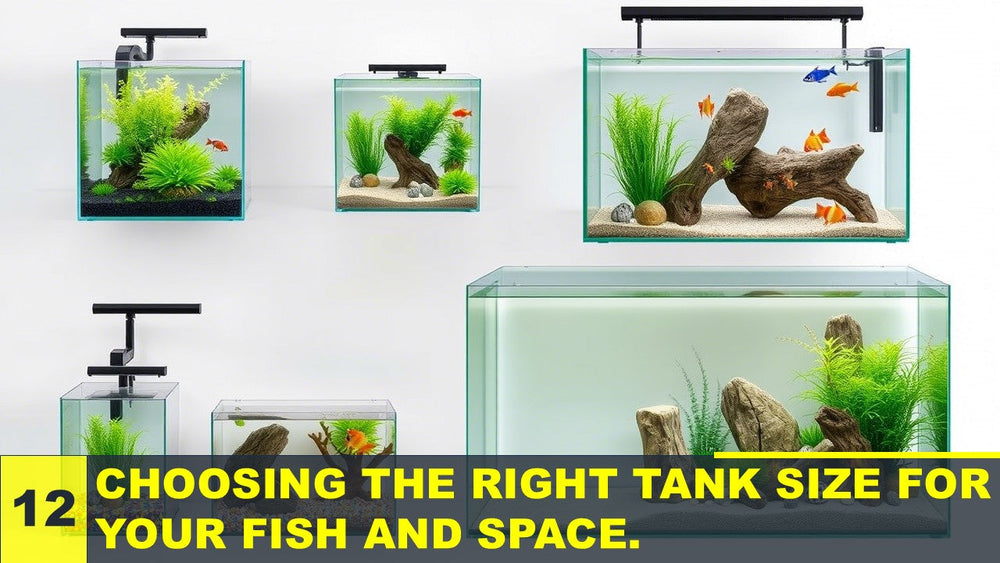
Choosing the right aquarium size for angelfish is important. It impacts both your budget and space at home. Let’s explore key considerations for making the best choice.
Cost Differences By Aquarium Size
Aquarium costs vary based on their size. Larger tanks require more materials and equipment. Smaller tanks are generally cheaper but may limit the number of fish you can keep.
| Tank Size | Cost Range |
| 10 gallons | $50 – $100 |
| 20 gallons | $100 – $200 |
| 30 gallons | $150 – $250 |
Space Availability At Home
Check the space you have available at home. The tank should fit comfortably without crowding the room. Consider how easy it will be to access for maintenance.
- Measure the area where the tank will go
- Ensure there is an electrical outlet nearby
- Leave room for equipment like filters and heaters
Balancing Size With Maintenance Effort
Larger aquariums can be easier to maintain due to stable water conditions. Smaller tanks require more frequent cleaning. Consider your time and effort when choosing a size.
Credit: bubble-magus.net
Frequently Asked Questions
What Is The Ideal Aquarium Size For Angelfish?
A minimum of 20 gallons is ideal for a pair of angelfish. Larger tanks provide better swimming space and improve water quality. Bigger tanks also reduce aggression and stress among angelfish, promoting healthier growth and vibrant colors.
How Does Aquarium Size Affect Angelfish Health?
Proper tank size ensures stable water conditions and reduces stress. Crowded tanks cause poor water quality and increase disease risk. Adequate space allows natural behavior and social interaction, leading to healthier and longer-living angelfish.
Can Angelfish Live In Small Aquariums?
Angelfish can survive in small tanks, but it’s not recommended. Small tanks limit swimming space and increase waste concentration. This often causes stress, stunted growth, and health problems. A tank of at least 20 gallons is best for angelfish care.
How Many Angelfish Fit In A 20-gallon Tank?
A 20-gallon tank comfortably houses two to three angelfish. Overcrowding can cause aggression and poor water quality. Always consider the adult size and behavior of angelfish before adding more fish. Larger tanks are better for groups or breeding.
Conclusion
Choosing the right aquarium size keeps angelfish happy and healthy. Small tanks limit their growth and cause stress. A larger tank offers space to swim and grow well. Clean water and proper care also matter a lot. Remember, a good home helps fish live longer.
Think about tank size before buying angelfish. It makes a big difference in their life. Enjoy watching your fish thrive in a perfect tank!