
Choosing the right aquarium size for a school of fish is more important than you might think. If you want your fish to thrive, feel comfortable, and show their natural behavior, the tank you pick plays a huge role.
You might be wondering how big is big enough or what size fits your space and budget. This guide will help you understand exactly what your fish need, so you can create a vibrant, healthy underwater world right at home.
Keep reading to discover the key factors that will make all the difference for your school of species.
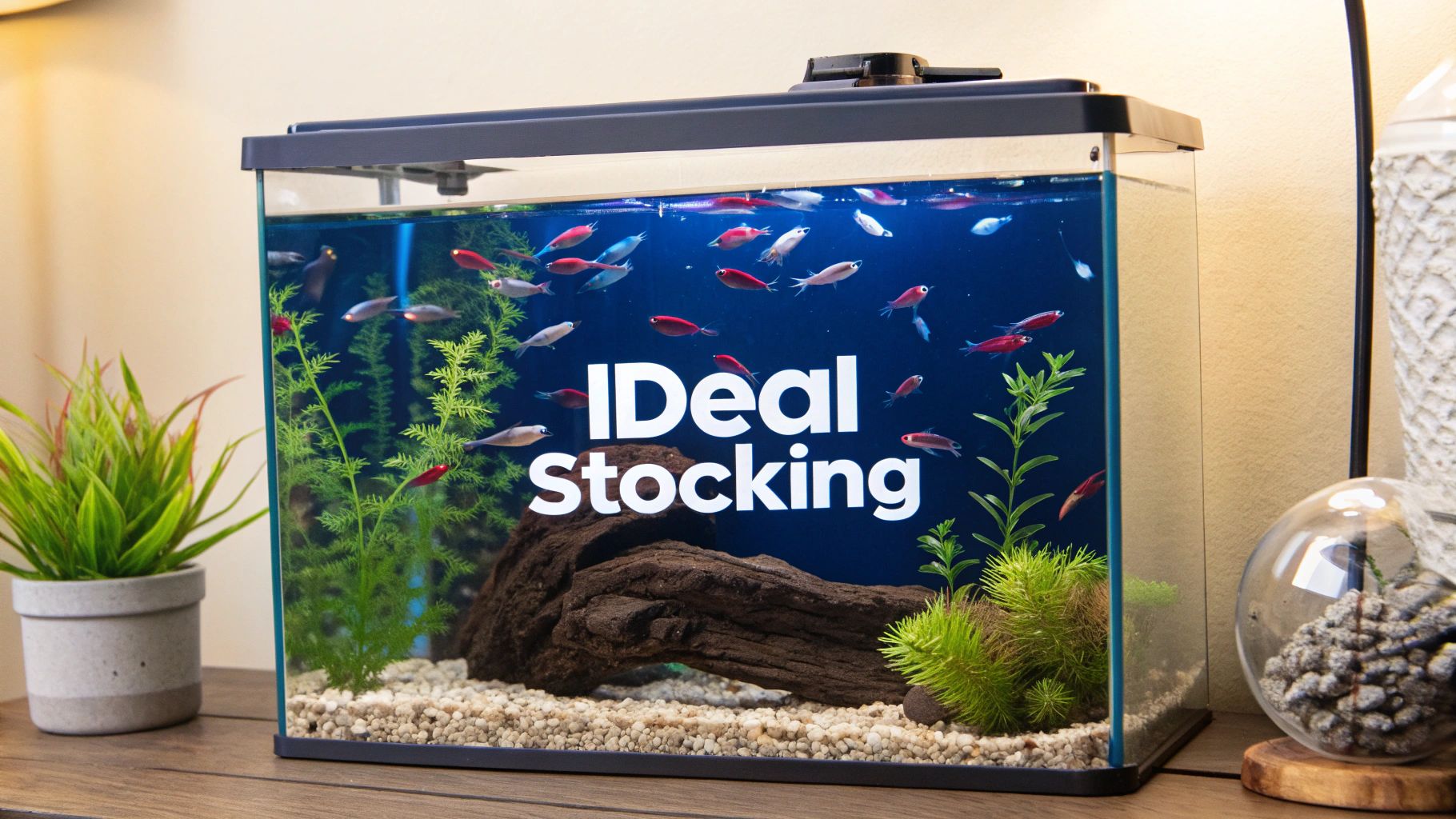
Credit: clixfueling.com
Choosing The Right Aquarium Size
Choosing the right aquarium size is important for keeping a school of fish healthy. The size affects their comfort and growth.
Too small an aquarium can cause stress and poor water quality. A larger tank gives fish space to swim freely.
Factors Influencing Size
The size of an aquarium depends on many things. These include the number of fish and their adult size.
Water filtration and maintenance also play a role. Bigger tanks are easier to keep stable.
- Number of fish in the school
- Adult size of the species
- Filtration system capacity
- Space available in your home
Species-specific Space Needs
Different fish species need different amounts of space. Some are small and others grow large.
Active swimmers need more room than slow-moving fish. Grouping species with similar needs helps.
- Small species like neon tetras need less space
- Large species like cichlids need more room
- Bottom dwellers need hiding spaces
- Schooling fish like danios swim in groups
Growth And Swimming Patterns
Fish grow over time and need space to swim. Plan for adult size, not just baby size.
Swimming patterns affect tank shape choice. Long tanks suit fast swimmers better than tall tanks.
- Allow room for growth when buying fish
- Fast swimmers need wide and long tanks
- Slow swimmers need vertical space and hiding spots
- Schools need open space to swim together

Credit: bubble-magus.net
Calculating Space For A School
Keeping a school of fish in an aquarium needs careful space planning. Fish need enough room to swim and live comfortably.
Calculating the right space helps keep fish healthy and happy. This guide explains how to estimate space for a school of fish.
Estimating Individual Fish Size
Start by knowing the average size of each fish in the school. This size is usually the adult length of the fish.
Use this size to help decide how much space each fish needs to swim freely.
- Measure fish length in inches or centimeters
- Consider the fish’s full-grown size
- Smaller fish need less space than bigger fish
Determining Number Of Fish
Count how many fish you want to keep in the school. More fish means more space needed.
Keep the number balanced to avoid crowding and stress in the aquarium.
- Decide on the total number of fish
- Check the species’ social needs for schooling
- Avoid overstocking to maintain water quality
Water Volume Requirements
Calculate the water volume needed by multiplying fish size and number. This helps provide enough water for the school.
More water keeps fish healthy by diluting waste and providing oxygen.
| Fish Size (inches) | Water Volume per Fish (gallons) |
| 1 – 2 | 1 – 2 |
| 3 – 4 | 4 – 5 |
| 5 – 6 | 7 – 10 |
| 7+ | 10+ |
Tank Shape And Dimensions
Choosing the right tank shape and size is key for a healthy fish school. The tank must fit the species’ needs well.
Tanks come in many shapes and sizes. Each affects fish behavior and water quality differently.
Long Vs. Tall Tanks
Long tanks offer more horizontal space for swimming. Tall tanks give more vertical room but less surface area.
- Long tanks suit fish that swim side to side.
- Tall tanks benefit fish that like to move up and down.
- Long tanks are easier to decorate with plants and rocks.
- Tall tanks can be harder to clean and maintain.
Surface Area Considerations
Surface area affects oxygen exchange and gas release. More surface area means better water quality.
| Tank Shape | Surface Area | Oxygen Exchange |
|---|---|---|
| Long and Shallow | High | Good |
| Tall and Narrow | Low | Poor |
| Square or Cube | Medium | Average |
Impact On Fish Behavior
Tank shape changes how fish interact and feel safe. Fish use space for hiding, swimming, and schooling.
- Long tanks encourage swimming in groups side by side.
- Tall tanks may cause stress if fish cannot use vertical space well.
- Provide hiding spots to reduce fish stress.
- Match tank shape to natural fish habitat for best results.

Credit: m.youtube.com
Filtration And Maintenance Needs
Keeping a school of fish healthy needs good filtration and regular care. Clean water helps fish stay strong and active.
Proper maintenance keeps the aquarium safe and beautiful. It also reduces stress for the fish.
Filtration Capacity For Schools
A larger group of fish produces more waste. You need a filter that can handle this extra load. A strong filter clears the water faster.
- Choose a filter rated for at least twice the aquarium size.
- Use mechanical, biological, and chemical filtration.
- Check the filter flow rate regularly.
- Replace filter media as needed to keep it effective.
Regular Cleaning Schedules
Cleaning the aquarium often helps keep fish healthy. Set a routine to remove dirt and waste.
- Remove 10-20% of water weekly and replace it with fresh water.
- Clean the glass to remove algae build-up.
- Vacuum the gravel to clear leftover food and waste.
- Rinse filter parts in tank water to avoid killing beneficial bacteria.
Water Quality Management
Good water quality is key to a healthy fish school. Test water regularly for harmful chemicals and balance.
| Parameter | Ideal Range |
| pH | 6.5 – 7.5 |
| Ammonia | 0 ppm |
| Nitrite | 0 ppm |
| Nitrate | < 20 ppm |
| Temperature | 75-80°F (24-27°C) |
Decor And Environment Setup
Setting up the right decor and environment is key for a school of fish. It helps keep them healthy and happy. The tank should mimic their natural home as much as possible.
Good decoration and environment help reduce stress and encourage natural behavior. This guide covers how to create natural habitats, provide hiding spots, and balance open swimming space.
Creating Natural Habitats
Use plants, rocks, and substrates that match the fish’s native environment. This helps fish feel safe and secure. Natural habitats improve water quality and provide places to explore.
- Choose live or artificial plants suited to the species
- Add smooth rocks and driftwood for a natural look
- Use sand or gravel that matches the fish’s original river or lake bed
- Include water flow features like small filters or air stones
Providing Hiding Spots
Hiding spots help reduce stress by giving fish places to retreat. Different fish need different types of shelters. Hiding places also encourage natural behaviors like breeding and resting.
| Type of Hiding Spot | Examples | Benefits |
| Plants | Java fern, Anubias | Soft cover, natural look |
| Caves | Clay pots, rock caves | Safe retreats for shy fish |
| Decor | Driftwood, ornaments | Multiple hiding places, breaks line of sight |
Balancing Open Swimming Space
Fish need room to swim freely. Too many decorations can limit their space. Balance hiding spots with open areas for exercise and socializing.
- Leave clear areas in the middle of the tank
- Arrange decor along tank edges and corners
- Ensure water flow is not blocked by decorations
- Keep enough space for the entire school to swim together
Common Species And Their Requirements
Aquariums bring joy and learning to school environments. It is important to choose the right size for your tank based on the fish species you plan to keep. Each species has unique needs to thrive.
Let’s explore the requirements for some common fish species. This will help you create a healthy environment for them in your aquarium.
Tetras And Small Characins
Tetras and small characins are popular in school aquariums. They are colorful and peaceful. These fish thrive in groups of at least six. A 20-gallon tank is ideal for them.
They require a well-planted tank with plenty of swimming space. Make sure the water is clean and warm.
Cichlids In Groups
Cichlids are vibrant and social. They prefer to live in groups. A 30-gallon tank or larger is recommended for a school of cichlids.
Provide plenty of hiding spots and territories. They enjoy a variety of rocks and plants in their environment.
Barbs And Danios
Barbs and danios are active fish that enjoy swimming. A 20-gallon tank is suitable for these species in a school setting.
These fish are hardy and adapt well to different conditions. Ensure they have enough space to swim freely.
- Maintain a stable water temperature
- Provide a balanced diet
- Regularly check water quality
Behavioral Considerations
Understanding fish behavior is key to maintaining a healthy aquarium. Fish have unique needs that depend on their species and social structure.
Adequate space and proper environment can greatly influence their well-being. Ensuring a harmonious habitat helps reduce stress and promotes natural behaviors.
Schooling Dynamics
Many fish species thrive in schools. This is a natural behavior that provides safety and social interaction.
- Schools help reduce individual stress.
- They improve feeding efficiency.
- They provide better protection from predators.
Stress Reduction Techniques
Stress can lead to illness in fish. Providing the right environment can minimize stress factors.
| Technique | Description |
| Proper Lighting | Use natural light cycles. |
| Water Quality | Keep water clean and balanced. |
| Space | Provide ample swimming area. |
Compatibility With Other Species
Not all fish species get along. Compatibility is crucial for a peaceful aquarium.
Upgrading And Expanding Your Aquarium
Keeping a school of fish can be rewarding but challenging. Knowing when to upgrade your tank helps keep fish healthy.
Expanding your aquarium takes planning. It gives your fish more space and improves their well-being.
Signs You Need A Larger Tank
Watch your fish closely. They show signs if the tank is too small or crowded.
- Fish seem stressed or hide more than usual
- Growth slows down or stops in young fish
- Water quality worsens quickly
- Fish show aggression or chase each other
- Tank looks overcrowded with little swimming space
Planning For Future Growth
Choose a tank size that fits your fish now and later. Fish grow and need more room as they age.
| Fish Species | Recommended Tank Size (Gallons) | Suggested Upgrade Size |
| Tetra | 20 | 30 |
| Guppy | 10 | 20 |
| Danio | 15 | 25 |
| Corydoras | 20 | 35 |
| Barb | 30 | 40 |
Transitioning Fish Safely
Moving fish to a new tank can be stressful. Follow steps to keep fish safe and calm.
- Prepare the new tank with proper water conditions
- Match temperature and pH levels between tanks
- Use a fish net or container for gentle transfer
- Acclimate fish slowly by mixing old and new water
- Monitor fish closely for signs of stress after transfer
Frequently Asked Questions
What Is The Ideal Aquarium Size For A School Of Fish?
The ideal aquarium size depends on the fish species and their adult size. Generally, allow at least 1 gallon per inch of fish. Larger tanks provide stable water conditions and enough swimming space for schooling behavior.
How Many Fish Can Fit In A 20-gallon Aquarium?
A 20-gallon tank can typically house 10 to 15 small schooling fish. Always consider the species’ size, activity level, and territorial needs. Overstocking causes stress and poor water quality.
Why Is Tank Size Important For Schooling Fish?
Tank size affects fish health and behavior. A spacious tank reduces stress, supports natural swimming patterns, and improves oxygen levels. Small tanks limit movement, causing aggression or illness.
Can Different Species School Together In One Aquarium?
Some compatible species can school together if they share similar size and behavior. Research compatibility carefully to avoid aggression. Provide ample space and hiding spots to maintain harmony.
Conclusion
Choosing the right aquarium size keeps fish healthy and happy. Small tanks can stress fish and cause health problems. Bigger tanks offer more space for swimming and growth. Remember to think about the species’ needs and how many fish you want.
Proper space helps reduce aggression and improves water quality. A well-sized tank makes caring for fish easier and more fun. Take time to plan and pick a tank that fits your school of fish perfectly. Your fish will thank you with vibrant colors and lively behavior.