
Setting up an aquarium for small fish species can be a rewarding and calming experience. But if you want your tiny swimmers to thrive, it’s important to get the basics right from the start.
You might wonder what size tank works best, which decorations keep your fish happy, or how to maintain clean water without stress. This guide is made just for you—whether you’re a beginner or looking to improve your current setup. Keep reading, and you’ll discover simple tips that make a big difference in creating a beautiful, healthy home for your small fish.
Your underwater world is about to come alive!

Credit: www.blessingsaquarium.com
Choosing The Right Tank
Setting up an aquarium for small fish starts with picking the right tank. The tank size and material affect fish health and comfort.
Placement of the tank also matters for light, temperature, and accessibility. Careful choices help your fish thrive.
Tank Size Considerations
Small fish need enough space to swim freely. Too small a tank can cause stress and health problems.
A good rule is one gallon of water per inch of fish length. This helps keep water clean and fish happy.
- Start with at least 5 gallons for small fish species
- Consider future fish growth and additions
- Larger tanks are easier to maintain stable water conditions
Material Options
Aquariums come in glass and acrylic. Both materials have pros and cons for small fish tanks.
Glass is scratch-resistant and clear but heavier. Acrylic is lighter and strong but can scratch easily.
- Glass tanks are durable and affordable
- Acrylic tanks offer better insulation
- Choose based on budget and handling needs
Placement And Location
Place the tank on a sturdy, level surface that can support its weight. Avoid direct sunlight to prevent algae growth.
Keep the tank away from heaters, vents, and busy areas. Stable temperature and low stress help fish stay healthy.
- Use a stand designed for aquarium weight
- Choose a quiet spot with indirect light
- Ensure easy access for feeding and cleaning
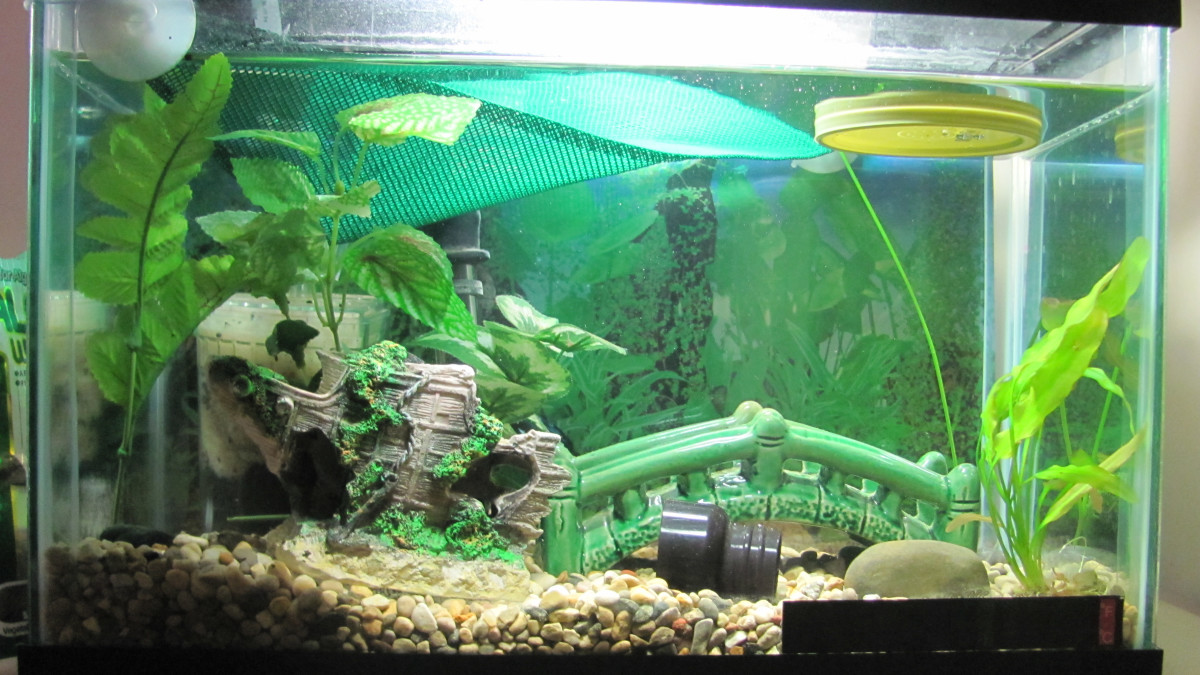
Credit: pethelpful.com
Essential Equipment
Setting up an aquarium for small fish needs the right equipment. This helps keep the environment healthy and safe for the fish.
Understanding each piece of equipment ensures your fish thrive in their new home.
Filtration Systems
Filtration systems keep the water clean and clear. They remove waste and harmful chemicals from the aquarium.
Choose a filter that fits the size of your tank and the needs of your fish.
- Hang-on-back filters are easy to use
- Sponge filters work well for small tanks
- Canister filters suit larger setups
Heaters And Thermometers
Heaters keep the water temperature stable. Fish need a specific range to stay healthy.
Thermometers help you monitor the water temperature. This ensures it stays within the safe range for your fish species.
- Submersible heaters are adjustable
- Stick-on thermometers are easy to read
- Digital thermometers give precise readings
Lighting Choices
Lighting is important for fish and plant health. It also helps you enjoy the view of your aquarium.
Choose lights that mimic natural sunlight. This helps maintain a healthy environment.
- LED lights are energy-efficient
- Fluorescent lights provide good brightness
- Adjustable lights suit different tank setups
Aeration Tools
Aeration tools increase oxygen levels in the water. Fish need oxygen to breathe and stay healthy.
Bubbles from air pumps improve water movement. This helps distribute oxygen evenly throughout the tank.
- Air stones create fine bubbles
- Air pumps are essential for aeration
- Bubble curtains add visual appeal
Selecting Small Fish Species
Choosing the right small fish species is key for a healthy aquarium. Small fish need a suitable environment and company.
Consider their size, behavior, and care needs before adding them to your tank.
Popular Small Fish Types
Several small fish types are popular among hobbyists for their colors and ease of care.
- Neon Tetras: Bright colors, peaceful, and schooling fish.
- Guppies: Hardy, active, and come in many colors.
- Betta Fish: Vibrant colors, best kept alone due to aggression.
- Zebra Danios: Fast swimmers, very active and social.
- Cherry Barbs: Calm and good for community tanks.
Compatibility Factors
Fish compatibility depends on size, temperament, and water needs.
| Fish Species | Temperature (°F) | pH Range | Temperament |
|---|---|---|---|
| Neon Tetra | 70-81 | 6.0-7.0 | Peaceful |
| Guppy | 72-82 | 6.8-7.8 | Peaceful |
| Betta | 76-82 | 6.5-7.5 | Aggressive |
| Zebra Danio | 64-75 | 6.5-7.0 | Peaceful |
| Cherry Barb | 74-79 | 6.0-7.0 | Peaceful |
Behavior And Activity Levels
Understanding fish behavior helps create a peaceful aquarium.
- Schooling fish like Neon Tetras stay in groups and swim actively.
- Betta fish are territorial and should live alone.
- Zebra Danios are very active and need space to swim.
- Guppies are playful and friendly with other peaceful fish.
- Cherry Barbs are calm and do well in mixed tanks.

Credit: www.pond-planet.co.uk
Water Quality And Maintenance
Setting up an aquarium for small fish requires careful attention to water quality. Clean water keeps fish healthy and active.
Regular maintenance helps prevent problems. It creates a stable environment for your fish to thrive.
Water Parameters To Monitor
Check water conditions often to keep fish safe. Some key factors include temperature, pH, and ammonia levels.
- Temperature: Keep it steady for your fish species.
- pH Level: Most small fish prefer neutral or slightly acidic water.
- Ammonia and Nitrite: Should always be zero; these are toxic.
- Nitrate: Keep low by regular water changes.
- Hardness: Some fish need soft or hard water; check species needs.
Regular Cleaning Routine
Clean the aquarium regularly to remove waste and leftover food. This stops harmful bacteria from building up.
Change 10-20% of the water weekly. Use a gravel vacuum to clean the tank bottom carefully.
- Remove algae from glass with a soft scraper.
- Clean filter parts monthly without using soap.
- Use water conditioner to treat tap water before adding it.
- Check decorations and plants for dirt or decay.
Dealing With Common Issues
Watch for signs of stress or illness in fish. Cloudy water or strange smells signal problems.
Fix issues quickly by testing water and adjusting care. Avoid overfeeding and overcrowding the tank.
- Cloudy water: Check filter and do a water change.
- Algae blooms: Reduce light and clean tank surfaces.
- Fish illness: Quarantine sick fish and check water quality.
- Stress signs: Keep a stable temperature and quiet environment.
Aquascaping Tips
Aquascaping is the art of arranging plants, rocks, and decorations in an aquarium. It helps create a healthy space for small fish.
Good aquascaping makes your aquarium look natural and keeps fish comfortable and safe.
Choosing Substrate And Plants
Pick a substrate that supports plant growth and is safe for small fish. Fine gravel or sand is best for many small fish species.
Choose plants that grow well in your tank’s light and temperature. Live plants help clean water and give fish places to hide.
- Use nutrient-rich substrate for healthy plants
- Choose low-maintenance plants like Java moss or Anubias
- Avoid sharp plants that can hurt delicate fish
Decor And Hiding Spots
Decorations add interest and give fish places to hide. Small fish feel safe with hiding spots nearby.
Use smooth rocks, driftwood, or small caves. Make sure decorations do not have sharp edges or small holes.
- Place hiding spots in quiet areas of the tank
- Use natural materials that do not change water chemistry
- Arrange decor so fish can swim freely
Creating A Natural Environment
Small fish live best in tanks that look like their natural home. Use natural colors and shapes to mimic nature.
Keep water clean and stable. Add gentle water flow and soft lighting to reduce fish stress.
- Use plants and decor to copy the fish’s natural habitat
- Keep water temperature and pH steady
- Use soft, diffused light for a calm setting
Feeding Small Fish
Feeding small fish requires care and attention to keep them healthy. Different fish need different types of food. Giving the right amount of food is very important.
This guide explains the types of food, how often to feed, and ways to avoid overfeeding your small fish.
Types Of Food
Small fish eat many kinds of food. You can feed them flakes, pellets, frozen, or live food. Each type has its benefits for your fish’s health and growth.
- Flakes:Easy to use and good for daily feeding.
- Pellets:Sink slowly, suitable for bottom feeders.
- Frozen food:Includes bloodworms and brine shrimp, good for protein.
- Live food:Helps fish stay active and natural in behavior.
Feeding Frequency
Small fish need to eat often but in small amounts. Feeding them 2 to 3 times a day works well. Young fish may need more frequent feeding than adults.
| Fish Age | Feeding Times Per Day | Portion Size |
| Fry (baby fish) | 4 | Small pinches |
| Juvenile | 3 | Moderate |
| Adult | 2 | Small to moderate |
Avoiding Overfeeding
Overfeeding can harm fish and water quality. It causes leftover food to rot and pollute the tank. Watch your fish as they eat and remove extra food.
Tips to avoid overfeeding:
- Feed small amounts that fish can eat in 2 minutes.
- Feed fewer times if leftovers remain.
- Use a feeding schedule to keep track.
- Clean the tank regularly to remove waste.
Breeding Small Fish
Breeding small fish requires care and attention to their needs. Setting the right conditions helps fish reproduce successfully.
Knowing how to care for the young fish, or fry, is important to keep them healthy. Separating fish at the right time prevents harm and stress.
Breeding Conditions
Small fish need specific water and tank conditions to breed well. Keep water clean and at the right temperature for each species.
- Maintain water temperature between 75-80°F (24-27°C).
- Keep pH level around 6.5 to 7.5.
- Use soft to medium water hardness.
- Provide plenty of plants or hiding spots.
- Feed fish a balanced diet to encourage spawning.
Care For Fry
Fry need gentle care to grow strong. Feed them small, frequent meals using food they can easily eat.
| Age of Fry | Food Type | Feeding Frequency |
| 1-7 days | Infusoria or liquid fry food | 4 times a day |
| 8-14 days | Baby brine shrimp or finely crushed flakes | 3 times a day |
| 15+ days | Small flakes or pellets | 2 times a day |
Separation Techniques
Separating fry from adult fish keeps them safe. Use tanks or nets to prevent adults from eating the young fish.
Methods to separate fish:
- Use breeding boxes inside the main tank.
- Move fry to a smaller nursery tank.
- Install fine mesh nets to isolate fry.
- Remove adult fish after spawning.
Frequently Asked Questions
What Tank Size Is Ideal For Small Fish Species?
A 10 to 20-gallon tank is ideal for most small fish. It offers enough space for swimming and reduces water maintenance frequency. Always consider the fish’s adult size and activity level when selecting a tank size.
How Do I Maintain Water Quality For Small Fish?
Regular water changes, proper filtration, and monitoring parameters like pH and ammonia ensure good water quality. Test the water weekly and remove debris. Clean filters monthly to maintain a healthy environment for your small fish.
What Plants Work Best In Small Fish Aquariums?
Live plants like Java moss, Anubias, and Marimo balls suit small fish tanks well. They provide hiding spots, oxygenate water, and reduce algae growth. Choose low-light plants if your aquarium lighting is limited.
How Often Should I Feed Small Aquarium Fish?
Feed small fish once or twice daily with small portions. Avoid overfeeding as it pollutes water and harms fish health. Use high-quality flakes or pellets designed for small species.
Conclusion
Setting up an aquarium for small fish needs care and patience. Choose the right tank size and filter for clean water. Add plants and decorations for hiding spots and comfort. Keep the water temperature stable and feed your fish well.
Regular cleaning helps fish stay healthy and happy. Small fish bring joy with their bright colors and lively movements. Enjoy the peaceful beauty they add to your space. Start simple, learn as you go, and watch your aquarium thrive.