
Setting up an aquarium just for one species can be one of the most rewarding experiences for any fish lover—especially for you. Imagine creating a perfect home where your chosen fish can thrive, show off their natural behavior, and live happily.
But getting it right isn’t always simple. You might be wondering how to choose the right tank size, what decorations to include, or how to keep the water just right for your fish. This guide will walk you through every step, making sure your single species tank becomes a stunning, healthy environment.
Keep reading, and you’ll discover easy tips that turn your aquarium into a vibrant underwater world tailored perfectly for your favorite fish.
Choosing The Right Species
Setting up a single species aquarium starts with picking the best fish. The right choice makes care easier and the tank look better.
Each species has unique needs. Knowing these helps you create a healthy home for your fish.
Popular Single Species Options
Many fish species thrive alone in tanks. Some popular choices include bettas, goldfish, and dwarf cichlids.
- Bettas: Bright colors and easy to care for
- Goldfish: Hardy but need larger tanks
- Dwarf cichlids: Small, colorful, and active
- Discus fish: Require stable water conditions
- Angelfish: Graceful but can be territorial
Compatibility Considerations
Even in single species tanks, compatibility matters. Some species do better alone, others in pairs or groups.
| Species | Best Setup | Notes |
|---|---|---|
| Bettas | Single male or female only | Aggressive males can fight |
| Goldfish | Group of 3 or more | Need large tanks and good filtration |
| Dwarf cichlids | Pairs or small groups | Can be territorial but less aggressive |
| Discus fish | Small groups | Require warm, clean water |
| Angelfish | Pairs or single | May fight in small tanks |
Species Behavior And Needs
Fish behavior affects tank setup. Some like hiding places; others need open space.
- Shy fish need plants or caves for shelter.
- Active swimmers need wide tanks.
- Bottom dwellers like sandy or smooth gravel.
- Some fish need warm water; others prefer cooler.
Check each species’ needs before buying. This helps keep fish healthy and happy.
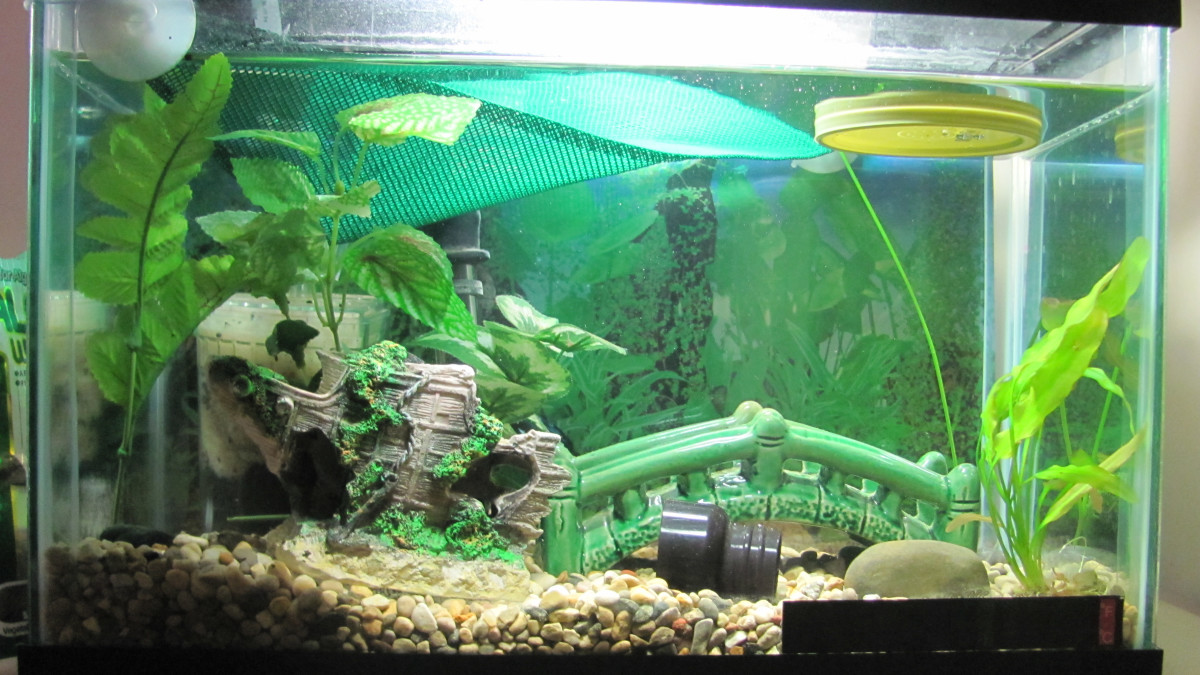
Credit: pethelpful.com
Selecting The Tank
Choosing the right tank is key for a healthy single species aquarium. The tank size, shape, and material affect the fish’s comfort and care. Proper filtration keeps the water clean and safe.
This guide covers how to pick the best tank size, shape, and filtration system for your setup.
Optimal Tank Size
Tank size depends on the species you want to keep. Bigger tanks give fish more space to swim and reduce waste buildup. Small tanks need more frequent cleaning.
- Research the adult size of your fish.
- Choose a tank at least twice the fish’s length in width.
- Allow at least one gallon of water per inch of fish.
- Bigger tanks are easier to maintain stable water conditions.
Tank Shape And Material
Tank shape affects swimming space and decoration options. Rectangular tanks are common and offer good surface area for oxygen exchange. Bowed or round tanks limit space and are harder to decorate.
| Material | Pros | Cons |
| Glass | Clear view, scratch resistant | Heavy, can break |
| Acrylic | Lightweight, impact resistant | Scratches easily, may yellow |
Filtration Systems
Filtration keeps water clean and fish healthy. Choose a filter that suits your tank size and fish type. Filters remove waste, toxins, and help oxygenate the water.
- Canister filters work well for large tanks.
- Hang-on-back filters are easy to install and maintain.
- Sponge filters are good for small tanks and fry.
- Always pick a filter rated for your tank’s volume.
Water Parameters
Setting up a single species aquarium needs careful attention to water parameters. Good water conditions keep fish healthy and stress-free.
Each species has unique needs. Knowing the right water parameters helps create a stable environment for your fish.
Temperature Control
Temperature affects fish metabolism and behavior. Keep the water temperature steady to avoid stress.
Use a reliable aquarium heater and thermometer. Adjust the temperature to match your fish species’ needs.
- Most tropical fish need 75-80°F (24-27°C)
- Cold-water fish prefer 60-70°F (15-21°C)
- Avoid sudden temperature changes
- Place heater away from filters for even heat
Ph And Hardness Levels
pH measures how acidic or basic the water is. Different fish thrive in different pH ranges.
Water hardness shows the amount of minerals dissolved in water. It affects fish health and breeding.
- Most freshwater fish like pH 6.5-7.5
- Soft water has low mineral content
- Hard water has high mineral content
- Test pH and hardness regularly
- Use buffers to adjust pH safely
Water Quality Maintenance
Clean water reduces disease and keeps fish happy. Regular maintenance keeps water quality high.
Test water often for ammonia, nitrites, and nitrates. Use filters and change water as needed.
- Do 10-20% water changes weekly
- Use a good filtration system
- Remove uneaten food and waste
- Test water parameters weekly
- Keep tank free of algae and debris

Credit: onthemediapk.medium.com
Aquascaping Essentials
Aquascaping creates a natural and healthy space for your fish. It helps keep the tank clean and beautiful. This guide focuses on setting up tanks for one species.
Good aquascaping uses the right materials and design. It gives your fish places to explore and feel safe.
Substrate Choices
Choosing the right substrate helps plants grow and supports your fish. Some substrates are better for rooting plants. Others keep water clear.
- Gravel: Easy to clean and good for most fish.
- Sand: Soft for bottom dwellers and looks natural.
- Aquarium soil: Rich in nutrients for live plants.
- Crushed coral: Raises pH for certain species.
Plants And Decorations
Live plants improve water quality and add color. Decorations make the tank more interesting and give fish places to swim around.
| Plant Type | Light Needs | Care Level |
| Java Fern | Low | Easy |
| Anubias | Low | Easy |
| Amazon Sword | Medium | Medium |
| Cryptocoryne | Low to Medium | Medium |
Creating Hiding Spots
Fish need places to hide and feel safe. This lowers stress and keeps them healthy. Use natural shapes and materials to build hiding spots.
- Use caves made from rocks or driftwood.
- Add dense plant clusters for cover.
- Place hollow decorations for small fish.
- Arrange tall plants in the back to create shade.
Lighting Setup
Lighting plays a key role in single species aquarium tanks. It affects fish health and plant growth. Proper lighting helps create a natural environment.
Choosing the right light type and setting the correct schedule improves tank conditions. This guide covers light types, photoperiod, and effects on fish and plants.
Light Types And Intensity
There are several light types for aquariums. Each offers different brightness and color. Intensity must match the needs of the species inside.
- Fluorescent lights: Common and affordable, good for low to medium light plants.
- LED lights: Energy-efficient with adjustable intensity and color options.
- Metal halide lights: Very bright, suitable for high light demand tanks.
- Incandescent bulbs: Rarely used, produce heat and low light quality.
Photoperiod Settings
Photoperiod means the hours of light and darkness each day. Most fish and plants need a stable schedule to stay healthy.
| Species Type | Recommended Light Hours |
| Freshwater fish only | 8 to 10 hours |
| Freshwater with plants | 10 to 12 hours |
| Saltwater fish only | 8 to 10 hours |
| Reef tanks with corals | 10 to 12 hours |
Effects On Fish And Plants
Correct lighting helps fish keep their natural colors and stay active. Plants use light to make food and grow strong.
Too much light can cause algae growth and stress fish. Too little light slows plant growth and weakens fish.
- Watch for faded fish colors as a sign of poor lighting.
- Remove excess algae to maintain water quality.
- Adjust lighting if fish hide or act restless.
Feeding Strategies
Setting up an aquarium for a single species can be rewarding. Understanding feeding strategies is key to ensuring a healthy tank.
Feeding strategies involve knowing what food to provide and how often to feed. It helps maintain a balanced environment for your fish.
Diet Types
Different fish species have different dietary needs. Providing the right diet is essential for their health and growth.
Fish can be herbivores, carnivores, or omnivores. You need to choose food that matches their natural diet.
- Herbivores: Algae, plants, and vegetables
- Carnivores: Insects, worms, and small fish
- Omnivores: Combination of plant and animal foods
Feeding Frequency
Feeding frequency depends on the species and their age. Younger fish may need more frequent feeding.
Adult fish usually require feeding once or twice a day. Be consistent with the feeding schedule to keep the fish healthy.
- Young fish: 3-4 times a day
- Adult fish: 1-2 times a day
- Monitor fish behavior and adjust if needed
Avoiding Overfeeding
Overfeeding can harm your fish and the tank environment. It leads to excess waste and poor water quality.
Feed only what the fish can eat in a few minutes. Remove uneaten food to prevent it from decaying and affecting water quality.
- Observe fish during feeding
- Use small amounts of food
- Clean the tank regularly
Tank Maintenance
Keeping your aquarium clean is vital for fish health. Regular maintenance prevents water pollution.
Simple routines help maintain a balanced environment for your fish. Follow these steps for a thriving tank.
Regular Cleaning Routines
Cleaning the tank regularly keeps algae and dirt away. It also makes the tank look clear and fresh.
- Wipe the glass inside and out weekly
- Vacuum the gravel to remove waste
- Clean the filter monthly
- Check for algae buildup on decorations
Water Changes
Changing water is crucial for reducing toxins. Replace 10-15% of the water each week.
Monitoring Fish Health
Observing your fish helps catch health problems early. Healthy fish are active and have clear eyes.
| Check | Frequency |
| Behavior | Daily |
| Fins and Scales | Weekly |
| Water Parameters | Monthly |

Credit: www.reddit.com
Troubleshooting Common Issues
Setting up a single species aquarium is rewarding but can bring challenges. Understanding how to fix common problems helps keep fish healthy.
This guide covers issues like algae growth, diseases, and fish behavior. Use simple steps to maintain a balanced tank environment.
Algae Control
Algae can grow quickly and cloud your tank water. It harms fish health and makes the aquarium look dirty.
- Reduce light exposure to 8-10 hours a day.
- Do partial water changes weekly to remove nutrients algae use.
- Use algae-eating fish or snails safe for your species.
- Clean tank walls and decorations regularly with a soft brush.
- Avoid overfeeding; leftover food feeds algae.
Disease Prevention
Preventing diseases protects your fish and avoids costly treatments. Good tank care stops most infections.
| Cause | Prevention | Action if Sick |
| Dirty Water | Change 20% weekly | Clean tank, test water |
| Stress | Keep stable temperature | Isolate affected fish |
| New Fish | Quarantine 2 weeks | Treat with medicine |
| Parasites | Maintain tank hygiene | Use antiparasitic drugs |
Behavioral Problems
Fish may show stress or aggression. These signs tell you something is wrong in the tank.
Common causes include:
- Too small tank space
- Wrong tank mates
- Poor water quality
- Lack of hiding spots
- Overcrowding
Fix these by:
- Using a larger tank
- Keeping one species only
- Testing and cleaning water regularly
- Adding plants and decorations for shelter
- Reducing fish number if crowded
Frequently Asked Questions
What Is A Single Species Tank In Aquariums?
A single species tank houses only one type of fish or aquatic creature. It simplifies care and reduces aggression. This setup allows specific water conditions tailored to one species. It also enhances fish health and display aesthetics in your aquarium.
How To Choose The Right Fish For Single Species Tanks?
Select fish based on tank size and water parameters. Research species’ temperament and care needs carefully. Avoid aggressive or large fish if space is limited. Opt for species thriving in similar water conditions for best results.
What Are The Benefits Of Single Species Aquarium Setups?
Single species tanks reduce fish stress and aggression. They simplify maintenance and water quality management. They allow focused care tailored to one species’ needs. These tanks create a natural habitat and improve fish health.
How To Maintain Water Quality In Single Species Tanks?
Perform regular water changes, about 20% weekly, to keep water clean. Use a good filtration system suited for your tank size. Test water parameters frequently to ensure ideal conditions for your species.
Conclusion
Setting up a tank for a single species takes care and thought. Choose the right size tank and proper water conditions. Add plants or decorations that suit the fish’s needs. Keep the tank clean and watch your fish closely. Healthy fish means a happy tank.
Enjoy the calm and beauty of your single species aquarium. It can bring peace to your home and joy to your day. Simple steps make a big difference in fish care. Your fish will thrive with your steady attention.