
Setting up an aquarium for shrimp species can be both exciting and rewarding. If you want your shrimp to thrive and show off their vibrant colors, the right setup is key.
You might wonder where to start or what special care your shrimp need. This guide will walk you through everything, step by step, so you can create the perfect home for your tiny aquatic friends. Ready to see your shrimp flourish like never before?
Keep reading to discover the secrets of a successful shrimp aquarium setup.
Choosing The Right Shrimp Species
Setting up an aquarium for shrimp requires picking the right species. Different shrimp need different care and environments.
Choosing the right shrimp makes your tank healthy and enjoyable to watch.
Popular Shrimp Varieties
Some shrimp types are easier for beginners. Others need special water or food. Here are common varieties:
- Cherry Shrimp: Small, red, and easy to care for.
- Crystal Red Shrimp: White and red, needs clean water.
- Amano Shrimp: Larger, eats algae well.
- Ghost Shrimp: Transparent and good for beginners.
- Blue Velvet Shrimp: Blue color, peaceful nature.
Compatibility With Tank Mates
Shrimp live best with peaceful fish and other small animals. Avoid big or aggressive fish that may harm them.
Good tank mates keep the shrimp safe and stress-free.
- Small tetras and rasboras
- Snails and small peaceful invertebrates
- Avoid cichlids, large barbs, or aggressive fish
- Keep plants and hiding spots for shrimp safety
Size And Color Considerations
Shrimp size varies from tiny to medium. Size affects tank space and care needs.
Colors range from clear to bright red or blue. Choose colors that fit your tank style.
| Species | Average Size | Common Colors |
|---|---|---|
| Cherry Shrimp | 1.5 inches | Red, Orange |
| Crystal Red Shrimp | 1.2 inches | Red, White |
| Amano Shrimp | 2 inches | Transparent, Gray |
| Ghost Shrimp | 1.5 inches | Transparent |
| Blue Velvet Shrimp | 1.5 inches | Blue |
Selecting The Aquarium Tank
Setting up an aquarium for shrimp needs careful tank selection. The right tank helps keep shrimp healthy and happy.
This guide covers important points to consider before buying your tank. You will learn about size, shape, material, and placement.
Ideal Tank Size
Shrimp do well in tanks that are not too small or too large. A small tank may cause water issues. A large tank needs more care.
Many hobbyists start with tanks of at least 10 gallons. This size keeps water stable and provides enough space.
Tank Shape And Material
The shape and material of the tank affect shrimp comfort and maintenance. Rectangular tanks are common and offer good surface area.
- Glass tanks are clear and scratch-resistant.
- Acrylic tanks are lighter but can scratch easily.
- Tanks with more surface area help oxygen exchange.
- Avoid very tall tanks since shrimp like horizontal space.
Placement And Lighting
| Placement Tip | Reason |
| Stable surface | Prevents tank from tipping or shaking |
| Avoid direct sunlight | Stops algae growth and temperature spikes |
| Near power outlet | Makes filter and heater connection easy |
Use soft lighting suitable for shrimp plants. Bright lights can stress shrimp and encourage algae.
Water Parameters For Shrimp
Setting the right water parameters is key to keeping shrimp healthy. Each shrimp species needs specific conditions.
This guide covers important factors like temperature, pH, hardness, filtration, and aeration.
Temperature Requirements
Shrimp thrive in a stable temperature range. Most species prefer temperatures between 72°F and 78°F.
Rapid temperature changes can stress shrimp and cause health problems.
Ph And Hardness Levels
| Parameter | Recommended Range |
| pH | 6.5 to 7.5 |
| General Hardness (GH) | 4 to 8 dGH |
| Carbonate Hardness (KH) | 3 to 6 dKH |
Maintaining proper pH and hardness supports shrimp molting and growth. Avoid sudden changes in these levels.
Filtration And Aeration
- Use gentle filtration to avoid harming shrimp.
- Choose sponge filters or filters with pre-filters.
- Ensure good water flow to prevent debris buildup.
- Provide aeration to maintain oxygen levels.
Good filtration and aeration keep water clean and oxygen-rich, helping shrimp stay active and healthy.
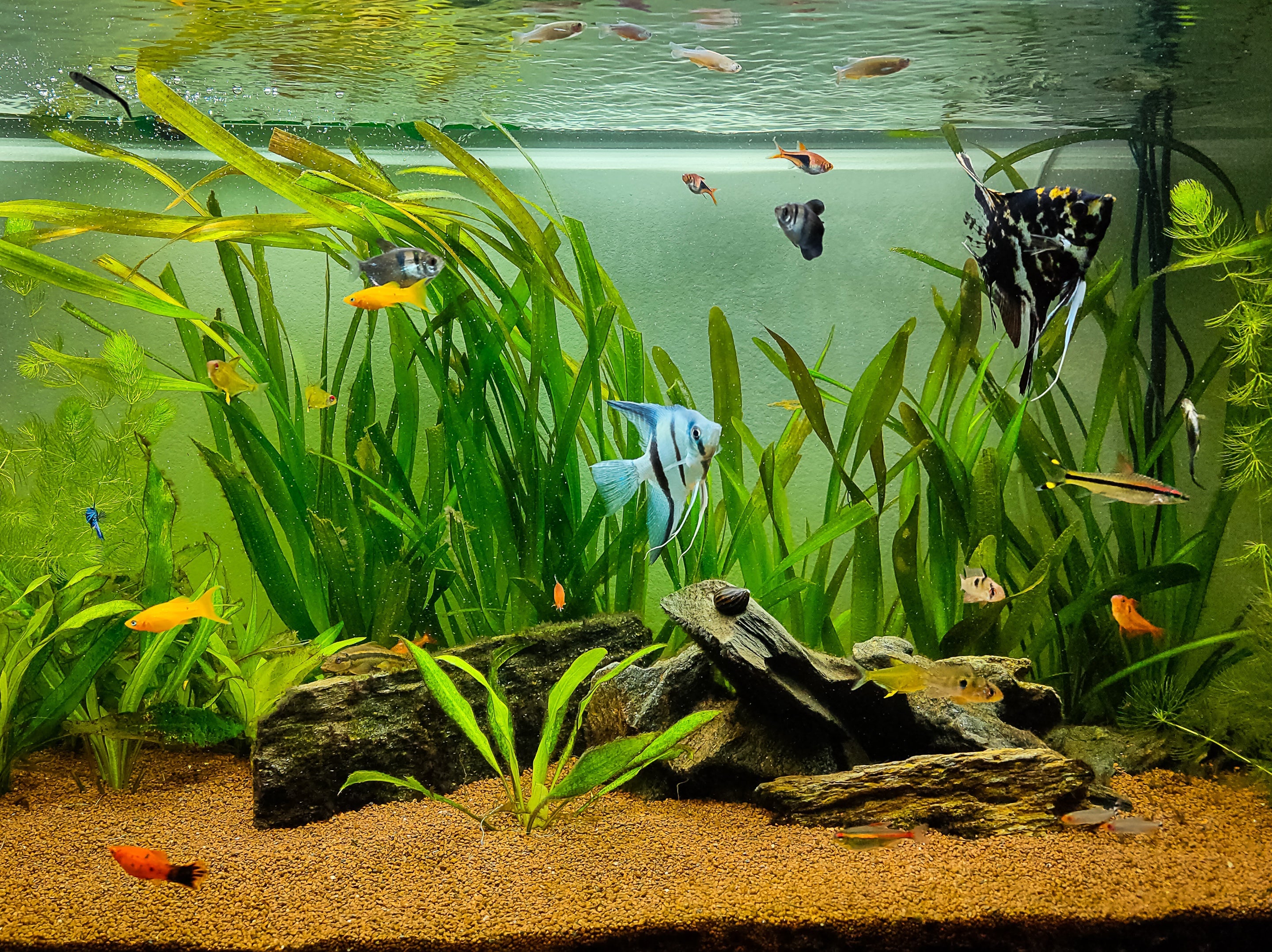
Credit: splashyfishstore.com
Substrate And Decoration Choices
Setting up an aquarium for shrimp needs careful planning. Substrate and decorations create a healthy home for them.
Good choices help shrimp feel safe and keep water clean. Let’s look at the best options for your tank.
Best Substrate Types
Choose a substrate that supports shrimp health and plants. It should be safe and easy to clean.
Fine gravel and sand are popular because shrimp can dig and find food. Avoid sharp or large rocks.
- Fine gravel: gentle on shrimp and good for plants
- Sand: soft and easy for shrimp to burrow
- Specialized shrimp substrates: help maintain water pH
- Avoid sharp or rough substrates that can harm shrimp
Plants And Hiding Spots
Plants provide shelter and improve water quality. Shrimp hide in plants when they feel stressed.
Use live plants like moss, Java fern, and Anubias. Add caves or small decorations for extra hiding places.
- Moss: offers food and shelter for baby shrimp
- Java fern and Anubias: low maintenance and safe
- Coconut shells or ceramic caves: good hiding spots
- More hiding spots reduce shrimp stress and aggression
Avoiding Harmful Decorations
Not all decorations are safe. Some can release toxins or hurt shrimp.
Avoid decorations with sharp edges or made from metals. Skip painted or treated items that may leach chemicals.
- No metal objects or decorations with rust
- No sharp rocks or glass pieces
- No painted or chemically treated decorations
- Rinse all decorations well before adding to the tank
Setting Up The Filtration System
Setting up a filtration system is crucial for shrimp aquariums. It ensures the water stays clean and safe for your shrimp.
Filtration helps remove waste and toxins. This keeps the environment healthy and stable.
Types Of Filters Suitable For Shrimp
Several types of filters work well for shrimp tanks. Each type has its benefits for maintaining clean water.
- Sponge filters provide gentle filtration and are shrimp-friendly.
- Hang-on-back filters are efficient and easy to maintain.
- Internal filters are compact and suitable for small tanks.
Maintaining Water Quality
Good water quality is vital for shrimp health. Regular checks ensure the water remains clean and balanced.
Test water parameters like pH and ammonia. Keep them within safe levels for shrimp.
| Parameter | Safe Range |
| pH | 6.5 to 7.5 |
| Ammonia | 0 ppm |
Preventing Shrimp Injuries
Avoid sharp or rough objects in the tank. These can injure delicate shrimp bodies.
Cover filter intakes with sponge to prevent shrimp from getting sucked in. This keeps them safe from harm.
- Use smooth decorations and substrates.
- Ensure all equipment is shrimp-safe.
- Regularly inspect for potential hazards.
Feeding Your Shrimp
Feeding shrimp is an important part of keeping them healthy. A good diet helps shrimp grow and stay active.
Knowing how much and what to feed will make your shrimp tank thrive. Let’s look at some key feeding tips.
Balanced Diet Essentials
Shrimp need a mix of foods to get all nutrients. This includes proteins, vegetables, and minerals.
Common foods are algae wafers, blanched vegetables, and specialized shrimp pellets. These give energy and vitamins.
- Algae wafers provide natural plant matter
- Blanched spinach or zucchini adds fiber
- Shrimp pellets supply essential proteins and minerals
- Occasional treats include frozen or live foods like daphnia
Feeding Frequency
Feed your shrimp once or twice a day. Small portions are better to keep water clean.
Observe your shrimp to see if they eat all the food. If food remains, reduce the amount next time.
- Feed in the morning or evening
- Offer only as much food as shrimp can eat in 2 hours
- Adjust feeding based on shrimp activity and tank conditions
Avoiding Overfeeding
Too much food causes water pollution. This can harm your shrimp and plants.
Remove uneaten food after a few hours. This keeps the tank clean and safe.
- Feed small amounts to prevent leftovers
- Watch for cloudy water or bad smells
- Use a feeding schedule to avoid feeding too often
Tank Cycling And Shrimp Introduction
Setting up an aquarium for shrimp requires careful preparation. The tank must be stable and safe before adding shrimp. Cycling the tank is the first step to create a healthy environment.
This guide covers how to establish the nitrogen cycle, safely introduce shrimp, and watch their behavior closely.
Establishing The Nitrogen Cycle
The nitrogen cycle helps remove harmful waste from the tank. It turns toxic ammonia into less harmful substances. This process needs time to develop before adding shrimp.
- Start the tank with water and a filter running.
- Add a source of ammonia, like fish food or pure ammonia drops.
- Test water daily for ammonia, nitrites, and nitrates.
- Wait until ammonia and nitrites drop to zero, and nitrates rise.
- Do partial water changes to keep nitrate levels safe.
Acclimating Shrimp Safely
Introducing shrimp too fast can cause shock or death. Acclimation helps shrimp adjust to water conditions slowly.
- Float the sealed shrimp bag in the tank for 15 minutes to match temperature.
- Open the bag and add small amounts of tank water every 10 minutes.
- Repeat water addition for 1 to 2 hours until the bag water mixes with tank water.
- Use a net to transfer shrimp into the tank, avoiding adding bag water.
- Turn off aquarium lights for a few hours to reduce stress.
Monitoring Shrimp Behavior
Watch shrimp closely after introduction. Healthy shrimp swim actively and eat well. Stress signs include hiding, floating, or rapid breathing.
| Behavior | Meaning | Action |
| Active swimming | Healthy and comfortable | No action needed |
| Hiding constantly | Stress or poor water quality | Check water parameters and adjust |
| Floating at surface | Oxygen problem | Increase aeration |
| Rapid breathing | Stress or illness | Test water and consider quarantine |

Credit: glassboxdiaries.com
Maintaining A Healthy Shrimp Tank
Setting up a shrimp tank is exciting and rewarding. Shrimp are colorful and active, making them a joy to watch. To keep them healthy, you need to maintain their environment.
Proper care involves regular cleaning, water testing, and disease prevention. Each step ensures your shrimp thrive and stay vibrant.
Regular Cleaning Routines
Cleaning your shrimp tank keeps it safe and fresh. Remove uneaten food to prevent waste build-up. Clean the substrate to avoid harmful bacteria growth.
Change a portion of the water weekly to remove pollutants. Use a siphon to clean without disturbing the shrimp. These steps help keep the tank healthy.
- Remove uneaten food daily
- Clean substrate weekly
- Change water weekly
Water Testing And Adjustments
Testing the water ensures the right conditions for shrimp. Check pH levels, ammonia, and nitrates weekly. Adjustments keep the water safe for shrimp.
Use test kits to monitor water quality. If levels are off, perform water changes or add conditioners. Proper levels reduce stress and increase shrimp health.
- Test pH, ammonia, and nitrates weekly
- Adjust water with changes or conditioners
Preventing Common Diseases
Diseases can harm shrimp if not prevented. Quarantine new shrimp before adding them to the main tank. This stops the spread of illness.
Maintain good water quality to boost shrimp immunity. Feed them a balanced diet to keep them strong. These actions help prevent diseases.
- Quarantine new shrimp
- Maintain good water quality
- Feed a balanced diet
Breeding Shrimp Successfully
Breeding shrimp in your aquarium can be a rewarding hobby. It takes attention to detail and good care. Understanding the needs of shrimp helps you raise healthy offspring.
Good breeding starts with the right environment. Then, you must care for the larvae and control how many shrimp live in your tank.
Breeding Conditions
Shrimp need specific water conditions to breed well. Temperature, pH, and clean water are key. Stable conditions help shrimp feel safe to reproduce.
- Keep water temperature between 72°F and 78°F (22°C – 26°C)
- Maintain pH level from 6.5 to 7.5
- Use a gentle filter to keep water clean without harming shrimp
- Provide plants and hiding places for comfort
- Feed shrimp high-quality food to support breeding
Caring For Shrimp Larvae
Larvae need special care to grow into adults. They are fragile and need safe spaces to hide. Feeding them the right food is important for strong growth.
| Larvae Stage | Care Tips |
| First Week | Provide very fine food like powdered algae or baby brine shrimp. |
| Second Week | Introduce finely crushed flakes and live foods. |
| Third Week | Add small pieces of vegetables and continue live food. |
| Fourth Week | Feed regular shrimp food and ensure water stays clean. |
Managing Population Growth
Keeping shrimp numbers balanced is important. Too many shrimp can cause stress and poor water quality. You can manage population by controlling food and space.
- Remove excess shrimp if the tank becomes crowded
- Limit feeding to avoid overpopulation from rapid breeding
- Use separate tanks to house different generations
- Watch water quality and change water regularly
- Keep plants and decorations to give shrimp space to hide
Troubleshooting Common Issues
Setting up an aquarium for shrimp species can be rewarding. Yet, some common issues may arise. Knowing how to fix these problems helps keep shrimp healthy.
Watch your aquarium closely. Small changes can signal bigger problems. This guide covers stress signs, algae control, and water parameter changes.
Identifying Stress Signs
Shrimp show stress in many ways. Early signs help you act quickly. Look for unusual behavior and physical changes.
- Shrimp hiding more than usual
- Loss of color or faded shells
- Slow movement or lethargy
- Refusing to eat
- Molting problems or missing limbs
If you spot these signs, check water quality and tank conditions right away. Stress lowers shrimp immunity and leads to illness.
Dealing With Algae
Algae growth is common in shrimp tanks. Some algae are harmless, but too much harms water quality. Control algae to protect shrimp health.
| Algae Type | Appearance | Control Method |
| Green Algae | Green film on glass | Reduce light hours, clean glass |
| Hair Algae | Thin green strings on plants | Manual removal, add algae eaters |
| Black Beard Algae | Dark tufts on decorations | Lower nutrients, clean surfaces |
| Blue-Green Algae | Slime on tank bottom | Improve water flow, vacuum substrate |
Handling Water Parameter Fluctuations
Shrimp need stable water conditions. Sudden changes in temperature, pH, or ammonia levels cause stress. Monitor parameters often.
- Test water daily for ammonia, nitrite, nitrate, and pH.
- Keep temperature steady between 72°F and 78°F (22°C – 26°C).
- Perform small water changes regularly.
- Avoid overfeeding to reduce waste buildup.
- Use a reliable water conditioner when adding tap water.
Stable water means happy shrimp. Fix changes quickly to avoid health problems.

Credit: www.youtube.com
Frequently Asked Questions
What Is The Ideal Tank Size For Shrimp Species?
A 5 to 10-gallon tank is ideal for most shrimp species. Larger tanks provide stable water conditions and more space for growth.
How Often Should I Change Water In A Shrimp Aquarium?
Change 10-20% of the water weekly. This maintains water quality without stressing shrimp due to sudden changes.
What Water Parameters Are Best For Shrimp Setup?
Keep temperature between 72-78°F, pH around 6. 5-7. 5, and low ammonia/nitrite levels. Stable water parameters ensure shrimp health.
Can Shrimp Live With Other Fish In The Same Tank?
Yes, but choose peaceful, small fish that won’t prey on shrimp. Avoid aggressive or large fish species.
Conclusion
Setting up an aquarium for shrimp takes care and patience. Choose the right tank size and water conditions. Provide hiding places and plants for comfort. Regular feeding and cleaning keep shrimp healthy and happy. Watch your shrimp grow and enjoy their colors and movements.
A well-maintained tank creates a peaceful underwater world. Small steps lead to a thriving shrimp habitat. Start simple, and learn as you go. Your shrimp will thank you with their lively presence.