
Setting up an aquarium filled with peaceful fish species can transform your space into a calm and beautiful retreat. But how do you create the perfect environment where your fish feel safe and thrive?
If you’ve ever wondered about the best way to choose the right tank, decorations, and companions for gentle fish, you’re in the right place. This guide will help you avoid common mistakes and give you simple steps to build an aquarium that brings harmony and relaxation to your home.
Keep reading to discover how easy it is to create a peaceful underwater world you’ll love.
Choosing Peaceful Fish
Setting up an aquarium with peaceful fish creates a calm environment. Choosing the right fish helps avoid stress and fights.
Peaceful fish get along well with others. They are perfect for community tanks.
Top Species For Calm Tanks
Some fish are known for their gentle nature. They stay calm and rarely show aggression.
- Neon Tetras – Small and colorful, very peaceful.
- Corydoras Catfish – Bottom dwellers that are social and calm.
- Guppies – Friendly and easy to care for.
- Harlequin Rasboras – Swim in groups and stay peaceful.
- Platies – Hardy fish with a calm temperament.
Compatibility Tips
Keep fish with similar sizes and temperaments together. Avoid mixing aggressive species with peaceful ones.
Watch for signs of stress or bullying. Provide plenty of hiding spots to reduce conflict.
- Choose fish that prefer the same water conditions.
- Keep groups of peaceful fish to reduce stress.
- Do not overcrowd the tank.
- Separate aggressive fish quickly if needed.
- Use plants and decorations to create safe spaces.

Credit: www.aquariumsource.com
Tank Size And Environment
Setting up an aquarium for peaceful fish needs careful planning. The tank size and environment must support calm and stress-free fish life.
A balanced environment helps fish stay healthy and active. Proper space and water quality are key to a peaceful tank.
Ideal Tank Dimensions
Choose a tank size that gives your fish enough room to swim. Small tanks crowd fish and cause stress.
Peaceful species usually need at least 20 gallons. Bigger tanks suit more fish and plants.
- Minimum 20 gallons for small peaceful fish
- 30-50 gallons for groups or mixed species
- Longer tanks offer more swimming space
- Height is less important than length and width
Water Conditions For Serenity
Stable water conditions keep fish calm and healthy. Sudden changes can cause stress and illness.
Peaceful fish prefer clean water with gentle flow and steady temperature.
| Parameter | Ideal Range |
|---|---|
| Temperature | 72-78°F (22-26°C) |
| pH | 6.5-7.5 |
| Ammonia | 0 ppm |
| Nitrite | 0 ppm |
| Nitrate | < 20 ppm |
| Water Flow | Low to moderate |
Aquascaping For Calmness
A peaceful aquarium helps reduce stress. Aquascaping sets the tone for calmness in the tank.
Choosing the right plants and decorations supports a relaxed environment for gentle fish species.
Plant Selection
Use soft green plants to create a soothing look. Plants with rounded leaves work best to avoid sharp edges.
- Anubias: slow-growing and sturdy
- Java Fern: low light and easy care
- Amazon Sword: broad leaves for shade
- Cryptocoryne: adds texture and depth
- Water Wisteria: fast-growing and feathery
Decor And Hiding Spots
Decorations should offer shelter and reduce stress for fish. Hiding spots help fish feel safe and calm.
| Type | Purpose | Material |
| Driftwood | Natural hiding spot | Wood |
| Rocks | Shelter and territory | Stone |
| Caves | Safe retreat | Ceramic or resin |
| Plants | Cover and comfort | Live or artificial |
Filtration And Aeration
Setting up an aquarium for peaceful fish needs good filtration and aeration. These keep the water clean and full of oxygen.
Good water quality helps fish stay healthy and stress-free. Filters remove waste, and aerators add air to the water.
Silent Filter Options
Silent filters are best for peaceful fish. Loud noises can scare them and cause stress. Choose filters that run quietly.
Canister filters and sponge filters work well without much noise. They keep water clean without disturbing the fish.
- Canister filters are placed outside the tank, making less noise
- Sponge filters use air pumps and are gentle and quiet
- Hang-on-back filters offer quiet operation and easy cleaning
Maintaining Water Quality
Check the water often to keep it healthy for your fish. Test for ammonia, nitrites, and nitrates regularly.
Change about 10-20% of the water every week. This helps remove toxins and keeps the water fresh.
- Use a water test kit to check water parameters
- Remove uneaten food and waste daily
- Clean the filter media gently to avoid killing good bacteria
- Keep the tank temperature stable for peaceful fish
Feeding Peaceful Fish
Feeding peaceful fish properly helps keep them healthy and happy. Their diet needs to match their gentle nature.
Choosing the right food and feeding at the right times supports their well-being and reduces stress.
Best Diet Choices
Peaceful fish eat a variety of foods. A balanced diet includes plant-based and protein-rich items.
- Flake food with vitamins and minerals
- Frozen or live brine shrimp
- Algae wafers or spirulina pellets
- Blanched vegetables like zucchini or spinach
- Small amounts of bloodworms for protein
Feeding Schedules
Feed peaceful fish small amounts twice a day. Overfeeding can cause water problems and illness.
| Time | Feeding Amount | Notes |
|---|---|---|
| Morning | Small pinch of flakes or pellets | Feed only what they eat in 3 minutes |
| Evening | Frozen or live protein treats | Use sparingly to avoid water pollution |
Behavior Monitoring
Monitoring fish behavior helps keep your aquarium peaceful. Look for changes in how they swim and interact.
Pay attention to any signs of stress or aggression. This ensures a harmonious environment for all species.
Signs Of Stress
Stress in fish can lead to health problems. It’s important to recognize the signs early.
- Changes in eating habits
- Erratic swimming patterns
- Hiding more than usual
Ensuring Harmony
Creating a harmonious tank involves careful planning and observation. Ensure all fish have enough space to swim.
| Fish Species | Minimum Tank Size |
| Guppies | 20 gallons |
| Tetras | 15 gallons |
| Betta | 5 gallons |
Routine Maintenance
Setting up an aquarium for peaceful fish species requires regular care. Routine maintenance ensures a healthy environment for your fish.
Keeping the tank clean and water fresh is vital. This helps in preventing diseases and keeps fish happy.
Cleaning Tips
Cleaning your aquarium is important for fish health. Dirt and algae can build up quickly.
Use safe tools to clean the glass and decorations. Avoid harsh chemicals that can harm fish.
- Use an algae scraper for glass cleaning
- Rinse decorations with warm water
- Clean filters monthly
Water Change Frequency
Regular water changes are crucial for a balanced tank. They remove waste and refresh the environment.
Changing water too much or too little can be harmful. It’s important to find the right balance.
- Change 10-15% of the water weekly
- Use a water conditioner to remove chlorine
- Test water parameters regularly
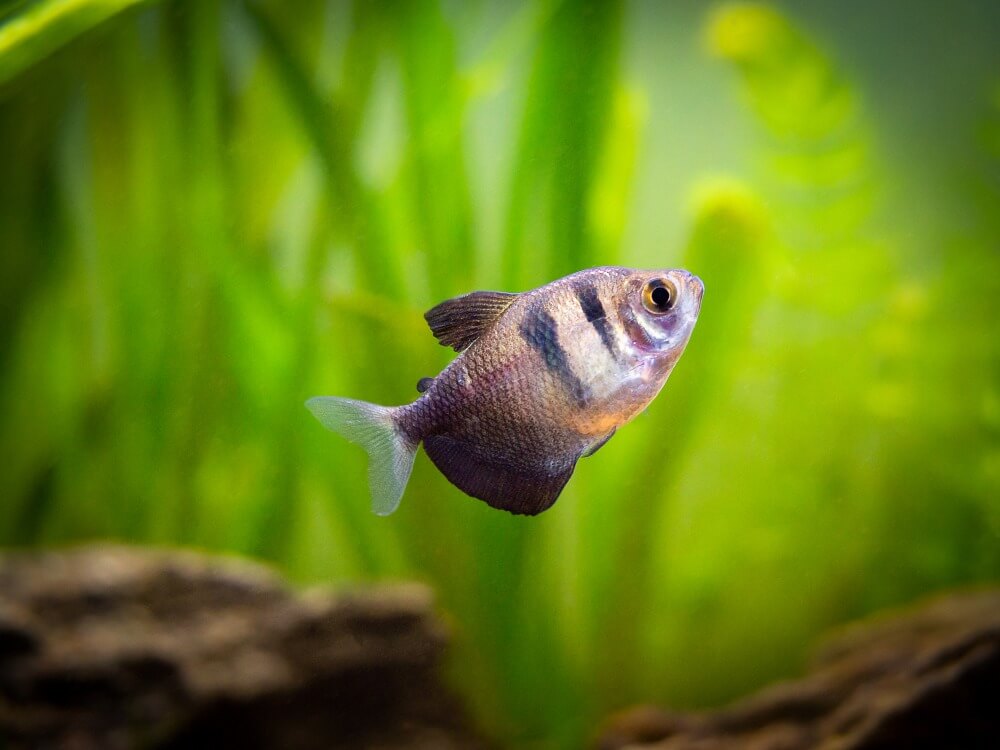
Credit: www.aquariumsource.com

Credit: onthemediapk.medium.com
Frequently Asked Questions
What Are The Best Peaceful Fish For Beginners?
Peaceful fish like guppies, neon tetras, and Corydoras catfish are ideal for beginners. They require minimal care and get along well in community tanks.
How Do I Create A Peaceful Aquarium Environment?
Use plenty of plants and hiding spots. Maintain stable water conditions and avoid aggressive species to keep peace in your aquarium.
What Tank Size Suits Peaceful Fish Species?
A 20-gallon tank or larger is best. It provides enough space for swimming and reduces territorial behavior among peaceful fish.
How Often Should I Clean A Peaceful Fish Aquarium?
Clean the tank partially every one to two weeks. Regular maintenance ensures healthy water and a stress-free environment for peaceful fish.
Conclusion
Creating a peaceful fish aquarium brings joy and calm to any space. Choose fish that get along well and provide them with a clean, comfortable home. Add plants and hiding spots to make fish feel safe. Regular care keeps the water clear and fish healthy.
Enjoy watching your peaceful fish swim and thrive every day. Small efforts create a happy, balanced aquarium environment. Simple steps lead to a beautiful, relaxing fish tank. Peaceful fish and proper setup make a perfect combination.