
Setting up an aquarium for fish with specific care needs can feel overwhelming. You want your fish to thrive, but every species has unique requirements.
If you get it wrong, your fish might become stressed or sick. But don’t worry—this guide will help you create the perfect home tailored just for your fish. By understanding their needs and setting up the right environment, you’ll enjoy a beautiful, healthy aquarium.
Keep reading, and you’ll discover simple steps that make a big difference for your aquatic friends.
Choosing The Right Aquarium
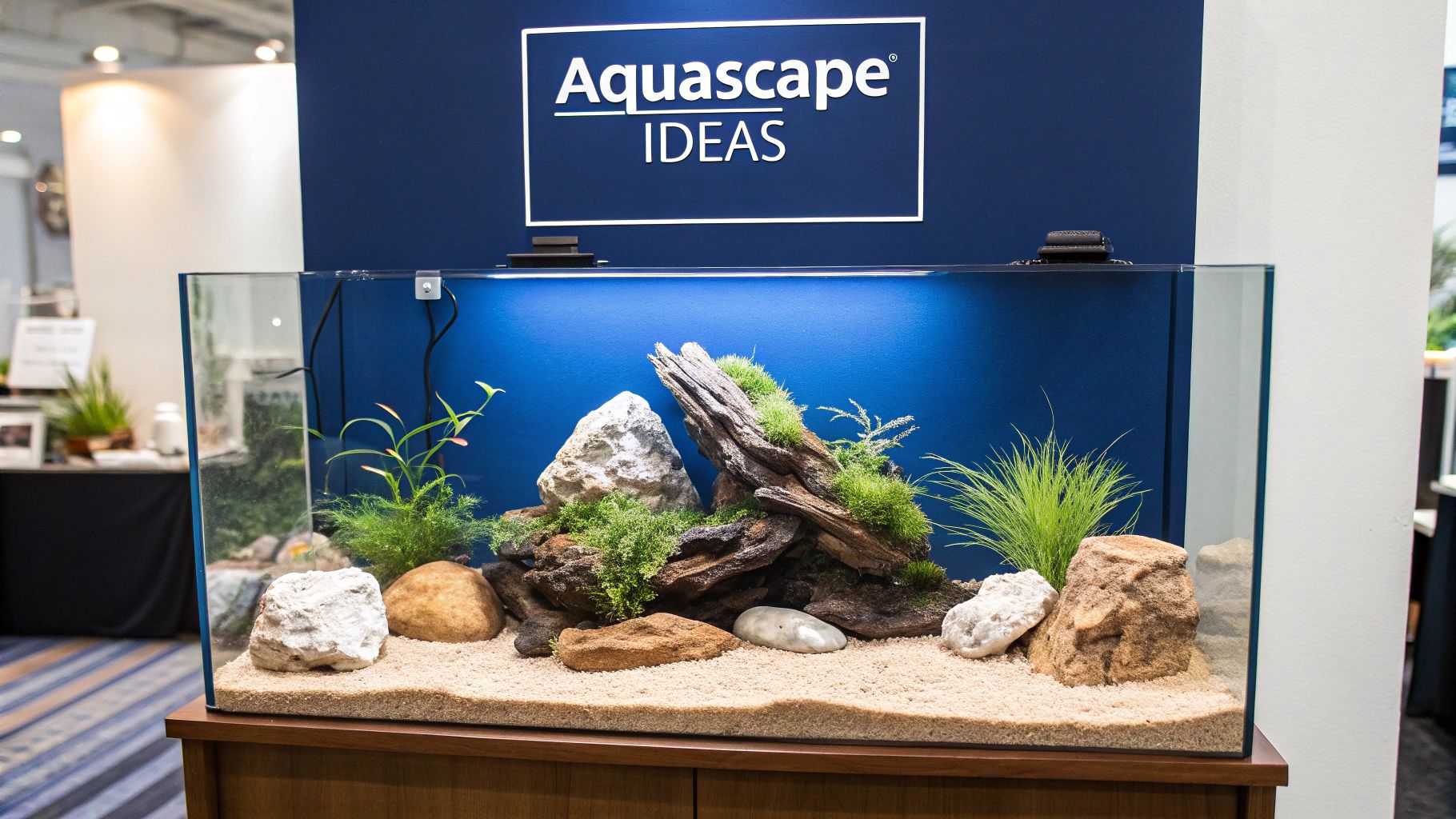
Setting up an aquarium for fish with specific care needs starts with the right tank. The tank size, shape, and material impact the fish’s health and comfort.
Choosing the best location for the aquarium also helps maintain a stable environment. This guide covers these important factors.
Tank Size And Shape
Fish need enough space to swim and grow. A small tank limits their movement and can stress them. Bigger tanks are easier to keep stable.
Shape matters too. Long tanks offer more swimming room. Tall tanks are good for plants but less for active fish.
- Choose a tank size that fits your fish’s adult size.
- Longer tanks suit active swimmers.
- Taller tanks work for small, slow-moving fish.
- Avoid very small tanks for sensitive species.
Material Options
Most aquariums are made from glass or acrylic. Both have pros and cons for fish care.
Glass is sturdy and scratch-resistant. Acrylic tanks are lighter and clearer but can scratch easily.
- Glass tanks hold water pressure well and resist scratches.
- Acrylic tanks are lighter and easier to move.
- Acrylic is better for large tanks but costs more.
- Check for smooth edges to protect fish from injury.
Location Tips
Where you place the aquarium affects water temperature and fish stress. Choose a stable, quiet spot.
Avoid direct sunlight and drafts. These cause temperature swings and algae growth.
- Place the tank away from windows and heaters.
- Keep it on a sturdy, level surface.
- Choose a low-traffic area to reduce noise and vibrations.
- Ensure easy access for cleaning and feeding.
Credit: clixfueling.com
Selecting Suitable Fish Species
Choosing the right fish species is vital for a healthy aquarium. Each species has unique needs that must be met.
Consider temperature, water chemistry, and compatibility to ensure your fish thrive in their new home.
Temperature Preferences
Fish need specific temperatures to stay healthy. Keep this in mind when setting up your aquarium.
- Tropical fish: 75-80°F (24-27°C)
- Goldfish: 68-74°F (20-23°C)
- Cichlids: 74-82°F (23-28°C)
Water Chemistry Needs
Water chemistry affects fish health. Ensure pH, hardness, and other factors match their natural habitat.
| Fish Type | pH Range | Water Hardness |
| Tetras | 5.5-7.0 | Soft |
| Betta | 6.0-7.5 | Moderate |
| Discus | 6.0-6.5 | Soft |
Behavior And Compatibility
Fish behavior varies greatly. Compatibility with other species is crucial to prevent stress and aggression.
Choose peaceful species for community tanks, like guppies or mollies. Avoid pairing aggressive fish with timid ones.
Water Quality Management
Good water quality is very important for fish with special care needs. Clean water keeps fish healthy and stress-free.
Managing water quality means controlling many factors like waste, chemicals, and oxygen. This helps fish live longer.
Filtration Systems
Filtration removes waste and harmful substances from the water. It keeps the water clear and safe for fish.
There are three main types of filters: mechanical, biological, and chemical. Each plays a different role in cleaning.
- Mechanical filters trap particles like uneaten food and fish waste.
- Biological filters break down toxic ammonia and nitrites using good bacteria.
- Chemical filters remove chemicals and odors with activated carbon or other materials.
Regular Testing And Maintenance
Testing water often helps spot problems early. Test for pH, ammonia, nitrites, and nitrates regularly.
Cleaning filters and doing water changes keep the aquarium healthy. Remove debris and replace some water weekly.
- Test water twice a week or as needed.
- Clean or replace filter media monthly.
- Change 10-20% of water every week.
Dechlorination And Conditioning
Tap water contains chlorine and chloramine. These chemicals can harm fish and must be removed.
Use water conditioners to neutralize chlorine and chloramine before adding water to the tank. This makes water safe.
- Always treat tap water before use.
- Choose conditioners that remove both chlorine and chloramine.
- Follow the instructions on the conditioner package carefully.
Specialized Equipment Setup
Setting up an aquarium for fish with specific care needs requires special equipment. Proper tools help maintain the right environment.
Each piece of equipment plays a key role in keeping fish healthy and comfortable in their tank.
Heaters And Thermometers
Most tropical fish need warm water to thrive. A reliable heater keeps the temperature steady. A thermometer helps you check the water temperature daily.
- Choose a heater suitable for the tank size.
- Set the heater to the temperature preferred by your fish.
- Use a thermometer with clear markings for easy reading.
- Place the thermometer where you can see it without disturbing the fish.
Lighting Requirements
Lighting affects fish behavior and plant growth. Different fish require different light levels. Some need bright light, while others prefer dim light.
| Fish Type | Light Level | Light Duration |
| Freshwater Tropical | Moderate | 8-10 hours/day |
| Deep Water Species | Low | 6-8 hours/day |
| Marine Reef Fish | High | 10-12 hours/day |
Aeration And Circulation
Aeration adds oxygen to the water. Circulation moves water to keep it clean and healthy. Both are important for fish survival.
Use this checklist to set up aeration and circulation:
- Install an air pump with suitable air stones.
- Place water filters to create gentle water flow.
- Adjust flow strength to avoid stressing fish.
- Check equipment regularly for proper function.
Creating Ideal Habitats
Setting up an aquarium for fish with special needs requires care. The right environment helps fish stay healthy and happy.
Choosing proper elements like substrate, plants, and hiding spots makes a big difference. Each fish species may need unique habitat features.
Substrate Selection
Substrate is the material at the bottom of the tank. It affects water quality and fish comfort. Different fish prefer different types of substrate.
- Sand is soft and good for bottom dwellers like catfish.
- Gravel allows good water flow and suits many tropical fish.
- Soil substrates help plants grow well in planted tanks.
- Crushed coral raises pH and hardness, ideal for African cichlids.
Plants And Decorations
Live plants provide oxygen and shelter. Decorations add hiding places and reduce stress. Choose items safe for your fish species.
| Plant/Decoration | Benefit | Best For |
| Java Fern | Low light, easy care | Beginners, small fish |
| Amazon Sword | Large leaves for shelter | Mid to large fish |
| Driftwood | Natural hiding spots | Bottom dwellers |
| Rocks | Creates territories | Territorial fish |
Hiding Spots And Territories
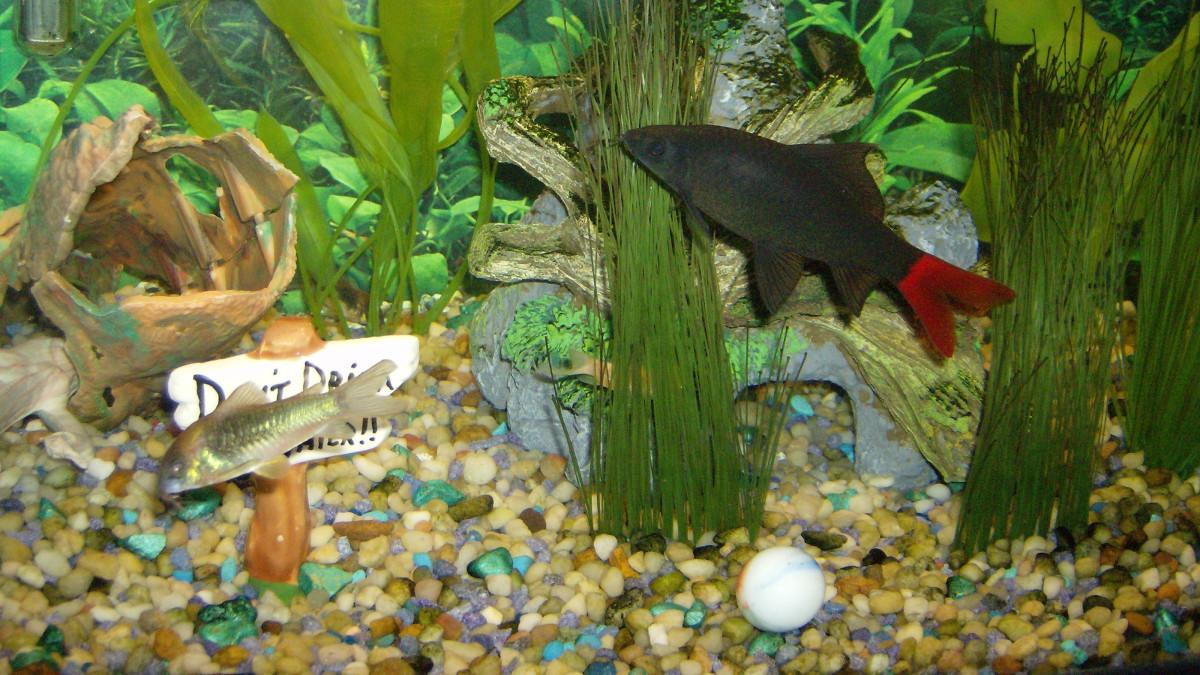
Fish need places to hide and claim as their territory. These spots reduce stress and aggression among tank mates.
- Use caves or hollow decorations for shy fish.
- Place plants densely in some areas for natural cover.
- Arrange rocks to create separate zones in the tank.
- Make sure hiding spots fit the size of your fish.

Credit: onthemediapk.medium.com
Feeding Strategies For Sensitive Fish
Feeding sensitive fish needs care and attention. These fish have special diet and health needs.
Good feeding helps keep sensitive fish healthy and happy in your aquarium.
Diet Types And Nutritional Needs
Sensitive fish need diets that suit their species. Some need live food, others need flakes or pellets.
Make sure the food has the right vitamins and minerals. Protein and fiber are also important.
- Live food like brine shrimp or bloodworms
- High-quality flakes or pellets
- Vegetable matter for herbivores
- Vitamin supplements if needed
Feeding Frequency
Feed sensitive fish small amounts several times a day. This matches their natural eating habits.
Too few feedings can stress fish. Too many feedings can cause water problems.
- Feed 2 to 3 times daily
- Offer only what fish eat in a few minutes
- Adjust feeding based on fish activity
Avoiding Overfeeding
Overfeeding harms sensitive fish and pollutes the tank. Uneaten food can rot and cause disease.
Use a small amount of food and watch how much your fish eat. Remove leftovers quickly.
- Feed only what fish can eat in 2-3 minutes
- Clean leftover food after feeding
- Check fish health regularly
Health Monitoring And Disease Prevention
Setting up an aquarium for fish with special care needs requires careful health monitoring. Watching your fish closely can prevent many illnesses.
Good disease prevention keeps your fish healthy and happy. Early detection helps treat problems fast.
Common Health Issues
Fish often face health issues like fin rot, ich, and swim bladder disease. These problems come from poor water quality or stress.
- Fin rot causes torn or ragged fins.
- Ich shows as white spots on fish bodies.
- Swim bladder disease makes fish float abnormally.
- Fungal infections appear as white cotton-like patches.
- Bacterial infections cause sores or redness.
Quarantine Procedures
Quarantine new or sick fish in a separate tank. This stops diseases from spreading to healthy fish.
- Set up a tank with similar water conditions to the main aquarium.
- Observe fish daily for signs of illness.
- Treat fish with appropriate medicine if needed.
- Keep quarantine for at least two weeks.
- Only move fish to the main tank when fully healthy.
Signs Of Stress And Illness
| Sign | What It Means |
| Lethargy | Fish is less active than usual. |
| Loss of Appetite | Fish refuses to eat food. |
| Gasping at Surface | Low oxygen or poor water quality. |
| Clamped Fins | Fish keeps fins close to body, often stressed. |
| Unusual Swimming | Fish swims erratically or floats oddly. |
Maintenance Routines
Setting up an aquarium for fish with special needs requires careful maintenance. Proper routines help keep fish healthy and happy.
Regular tasks focus on cleanliness, water quality, and equipment function. These steps prevent problems and promote a stable environment.
Cleaning Schedules
Cleaning the aquarium removes waste and prevents algae growth. This keeps the water clear and safe for fish.
Focus on glass surfaces, decorations, and substrate. Clean gently to avoid stressing the fish or removing beneficial bacteria.
- Wipe aquarium glass weekly
- Clean decorations monthly
- Vacuum substrate every two weeks
Water Changes
Changing water keeps harmful chemicals low. It also adds fresh oxygen for the fish.
Use dechlorinated water that matches tank temperature. Change 10-20% of the water weekly to maintain balance.
- Test water parameters before changes
- Remove water with a siphon
- Add fresh water slowly
Equipment Checks
Check all equipment regularly to ensure it works well. Filters, heaters, and lights affect fish health.
Look for clogs, leaks, or broken parts. Replace or fix problems right away to avoid stress on the fish.
- Inspect filters weekly and clean if needed
- Check heater temperature daily
- Test lights and timers monthly
Credit: pethelpful.com
Frequently Asked Questions
What Tank Size Is Best For Fish With Specific Care Needs?
Tank size depends on the fish species and their space requirements. Larger tanks provide stable water conditions and reduce stress. Always research your fish’s adult size and behavior to choose the right aquarium size for their care needs.
How Do I Maintain Water Quality For Sensitive Fish?
Regular water changes and filtration are crucial for sensitive fish. Test water parameters weekly to monitor pH, ammonia, nitrite, and nitrate levels. Use water conditioners to remove chlorine and harmful substances, ensuring a healthy environment.
What Diet Suits Fish With Specialized Care?
Specialized fish often need varied diets, including flakes, pellets, frozen, or live foods. Research each species’ dietary needs to provide balanced nutrition. Avoid overfeeding to prevent water pollution and health issues.
How Can I Create A Stress-free Environment For Delicate Fish?
Provide hiding spots, plants, and gentle water flow to reduce stress. Avoid overcrowding and sudden changes in lighting or temperature. A calm environment helps fish thrive and exhibit natural behaviors.
Conclusion
Setting up an aquarium for fish with special care needs takes patience and knowledge. Choose the right tank size and equipment carefully. Keep water clean and check temperature often. Provide proper food and space for each fish. Watch your fish daily for signs of stress or illness.
Small changes can make a big difference in their health. Enjoy the process and learn as you go. A happy fish means a happy tank.