
Setting up an aquarium for a Betta sorority can be both exciting and challenging. If you love these colorful, lively fish and want to keep a group of females together, you need the right environment to keep them happy and healthy.
But how do you create a space where your Bettas can thrive without fighting? In this guide, you’ll discover simple, effective tips to build the perfect Betta sorority tank. By the end, you’ll have everything you need to enjoy a peaceful, beautiful community of Bettas in your home.
Keep reading to unlock the secrets of successful Betta sorority setup!

Credit: www.youtube.com
Choosing The Right Tank
Setting up a betta sorority tank needs careful thought. The tank must support the health and peace of multiple bettas.
Choosing the right tank means looking at size, shape, and material. Each factor affects the fish and the tank environment.
Ideal Tank Size
Betta sorority tanks need space to reduce fighting. A bigger tank means more room for each fish.
- Minimum 20 gallons for 4-5 female bettas
- More space allows hiding spots and plants
- Extra room keeps water quality stable
Tank Shape Considerations
Shape changes how fish swim and how you arrange decorations. Some shapes work better for betta sorority tanks.
| Shape | Pros | Cons |
| Rectangular | Good swimming space, easy to decorate | Needs more floor space |
| Square | Compact, fits small areas | Less horizontal swimming room |
| Tall | Smaller footprint, deep water | Less surface area, less oxygen exchange |
Material Options
Tank material affects durability and weight. The two common types are glass and acrylic.
- Glass:Scratch-resistant, heavier, often cheaper
- Acrylic:Lighter, clearer, but scratches easier
- Both materials support healthy betta environments
Selecting Compatible Bettas
Setting up a Betta sorority tank requires careful planning. Choosing the right female Bettas is key. Compatibility ensures a peaceful environment.
Learn how to pick female Bettas that will thrive together. Understanding their needs helps in creating a harmonious tank.
Identifying Female Bettas
Female Bettas are less aggressive than males. They have shorter fins and less vibrant colors. Identifying them correctly is crucial for a successful sorority.
| Characteristic | Female Betta |
| Fin Length | Short |
| Color Intensity | Less Vibrant |
| Behavior | Less Aggressive |
Assessing Temperament
Each Betta has a unique temperament. Observing them before buying is important. Look for signs of calmness and sociability.
- Observe their interactions with other fish.
- Check for calm swimming patterns.
- Avoid aggressive or isolated individuals.
Number Of Fish Per Tank
The number of Bettas affects tank harmony. Too many can cause stress. A group of four to six is ideal for a standard tank size.
Water Conditions
Keeping the water right is key for a healthy betta sorority. This means controlling temperature, pH, and cleanliness. Good water conditions help bettas live longer and stay active.
Each factor in water affects bettas differently. Learn the best settings to keep them comfortable.
Optimal Temperature Range
Betta sorority fish thrive in water between 76°F and 82°F. Temperatures outside this range cause stress and illness. Use a heater with a thermostat to keep water steady.
Ph And Hardness Levels
Betta sorority prefers slightly acidic to neutral water. The pH should stay between 6.5 and 7.5. Water hardness also matters for their comfort and health.
| Parameter | Ideal Range |
| pH Level | 6.5 – 7.5 |
| General Hardness (GH) | 3 – 5 dGH |
| Carbonate Hardness (KH) | 3 – 4 dKH |
Filtration And Aeration
Good filtration keeps the water clean and clear. Avoid strong currents because bettas dislike fast water flow. Aeration adds oxygen, which helps fish breathe well.
- Choose a gentle filter designed for bettas
- Check filters regularly and clean them monthly
- Use air stones or small pumps for oxygen
- Make sure water moves slowly to avoid stress
Aquascaping Tips
Setting up an aquarium for a Betta sorority needs careful planning. Aquascaping helps keep the fish happy and less aggressive.
Using the right plants, decorations, and hiding spots creates a peaceful home for all bettas in the tank.
Plant Choices For Shelter
Plants give bettas places to rest and hide. Choose plants that grow thick and tall to offer good shelter.
Live plants also improve water quality and make the tank look natural.
- Java Fern: grows well in low light and is easy to care for
- Anubias: has broad leaves for bettas to hide under
- Amazon Sword: tall leaves create vertical cover
- Hornwort: floats or sinks, adding dense shelter
- Marimo Moss Balls: provide small hiding spots and add texture
Decorations To Reduce Aggression
Decorations break the line of sight between bettas. This lowers stress and fights.
Use items that create barriers and separate swimming areas in the tank.
- Driftwood: adds natural cover and hides aggressive views
- Rocks: create caves and barriers between fish
- Leaf Ledges: offer resting spots above the ground
- Artificial Plants: fill empty spaces and block sightlines
- Clay Pots: place on sides to make small hideouts
Creating Hiding Spots
Hiding spots help bettas feel safe and reduce stress. Make many hiding places around the tank.
Mix natural and artificial items to build varied spaces for the fish to explore and rest.
- Use caves made from rocks or driftwood
- Place thick plants in corners for cover
- Add PVC pipes or tubes for small tunnels
- Stack smooth stones to build small shelters
- Arrange leaf litter or floating plants for shade
Feeding And Nutrition
Setting up an aquarium for a Betta sorority means giving them the right food. Good feeding helps keep the fish healthy and active.
Understanding what to feed and how often is key to a happy tank.
Dietary Needs
Betta sorority fish need a balanced diet with protein and nutrients. They eat small insects, larvae, and pellets made for bettas.
- Use high-quality betta pellets as a main food source.
- Offer frozen or live foods like brine shrimp or daphnia once or twice a week.
- Avoid feeding flakes made for other fish; they may not have enough protein.
Feeding Frequency
Feed your Betta sorority small amounts two times a day. This keeps them healthy and active without stressing their digestive system.
| Feeding Time | Amount |
| Morning | 2-3 pellets or a small pinch of live food |
| Evening | 2-3 pellets or a small pinch of live food |
Avoiding Overfeeding
Overfeeding can cause water problems and harm your fish. Watch how much your bettas eat and remove leftover food quickly.
- Feed only what the fish can eat in 2 minutes.
- Remove extra food to prevent decay and tank pollution.
- Skip feeding one day each week to help clear their digestive system.
Managing Aggression
Aggression in Betta sorority tanks can cause stress and injury. Managing it well helps keep fish healthy. Understanding how to spot signs and act quickly is key to success.
This guide covers how to recognize aggression, ways to reduce conflict, and when to separate fish for safety.
Recognizing Signs
Watch for these signs to spot aggression early:
- Flared fins and gill covers
- Chasing or nipping other fish
- Torn fins or visible wounds
- Hiding or avoiding certain tank areas
- Constant displays of dominance
Strategies To Minimize Conflict
Use these tips to reduce fights among Betta females:
- Provide plenty of plants and hiding spots.
- Keep the tank size at least 20 gallons.
- Avoid overcrowding with too many fish.
- Introduce all fish at the same time.
- Feed well and regularly to reduce competition.
When To Separate Fish
If aggression causes injury or stress, separate the fish quickly. Use a divided tank or new container to keep them apart.
| Condition | Action |
| Minor chasing, no injury | Watch closely, add more hiding places |
| Repeated nipping, fin damage | Separate aggressive fish immediately |
| Severe wounds or bleeding | Remove injured fish for treatment |
| One fish constantly hides | Consider permanent separation |
Maintenance Routine
Keeping a betta sorority tank healthy needs regular care. A steady maintenance routine helps fish stay happy and safe.
Focus on water quality, tank cleanliness, and watching your fish closely. These steps keep your aquarium balanced.
Regular Water Changes
Change about 20-30% of the water every week. This removes waste and keeps the water fresh for your bettas.
- Use a siphon to clean the gravel gently.
- Replace water with treated, dechlorinated water.
- Check water temperature before adding it to the tank.
- Keep a regular schedule to avoid sudden changes.
Tank Cleaning Tips
Clean the tank surfaces and decorations to stop algae build-up. Avoid harsh scrubbing to protect the beneficial bacteria.
| Cleaning Task | Frequency | Notes |
| Glass cleaning | Weekly | Use algae scraper or soft cloth |
| Filter check | Biweekly | Rinse filter media in tank water |
| Gravel vacuuming | Weekly | Remove debris without disturbing bettas |
| Decoration cleaning | Monthly | Use tank water, no soap |
Monitoring Fish Health
Watch your bettas daily for signs of stress or illness. Early detection helps prevent serious problems.
- Look for changes in color or fins.
- Check if fish eat well and swim actively.
- Notice any unusual spots or growths.
- Keep a log of behavior and health changes.
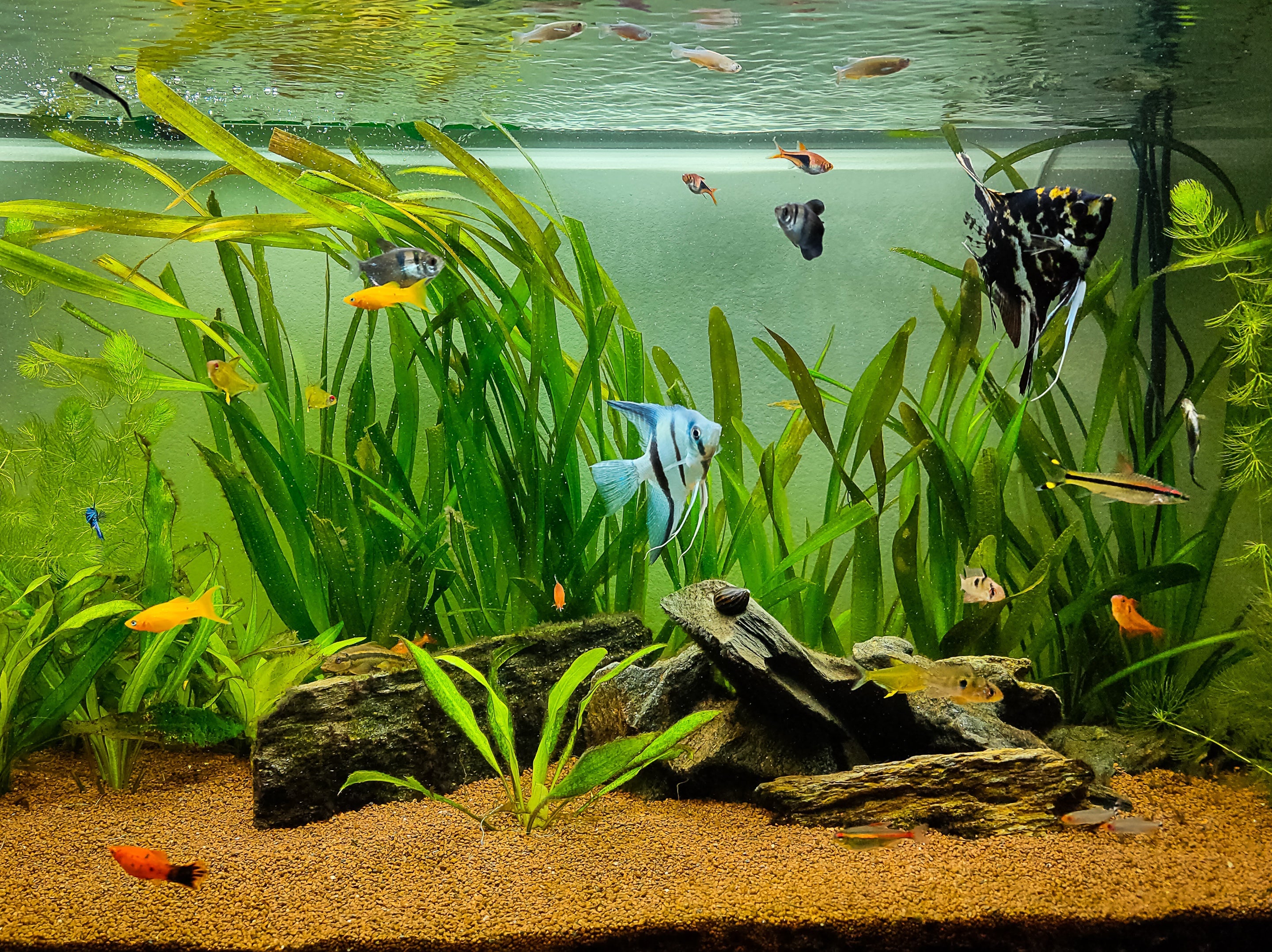
Credit: splashyfishstore.com
Common Challenges
Setting up a betta sorority tank can be rewarding but comes with challenges. Understanding these helps keep your fish healthy.
This guide covers common problems like stress, disease, and tank issues. Each section offers clear tips for care.
Dealing With Stress
Betta females can get stressed by crowding and poor water conditions. Stress weakens their immune system.
- Keep enough space; avoid overcrowding the tank.
- Use plants and hiding spots for shelter.
- Maintain stable water temperature between 76–81°F (24–27°C).
- Perform regular water changes to keep water clean.
- Observe fish behavior to spot early stress signs.
Preventing Disease
Diseases spread fast in betta sorority tanks. Prevention is better than treatment.
| Cause | Prevention |
| Dirty water | Change 25% water weekly |
| Overfeeding | Feed small amounts once daily |
| Stress | Provide hiding places and stable conditions |
| New fish | Quarantine before adding to tank |
| Injuries | Avoid sharp decorations and aggressive tank mates |
Troubleshooting Tank Issues
Common tank problems cause fish discomfort and poor health. Quick fixes help maintain balance.
Troubleshooting Tips
- Cloudy water:Check filter and reduce feeding.
- Algae growth:Reduce light and clean tank surfaces.
- Fish aggression:Rearrange decorations to break line of sight.
- Temperature swings:Use a reliable heater and thermometer.
- pH fluctuations:Test water weekly and adjust with safe additives.

Credit: m.youtube.com
Frequently Asked Questions
What Size Tank Is Ideal For Betta Sorority Setup?
A 20-gallon tank is ideal for a Betta sorority. It provides enough space for 4-6 female Bettas to swim freely and reduces aggression.
How To Decorate A Betta Sorority Aquarium?
Use live plants, hiding spots, and smooth substrate. Avoid sharp decorations to prevent fin damage and create a stress-free environment.
What Water Conditions Suit Betta Sorority Tanks?
Maintain water temperature between 76-82°F and pH around 6. 5-7. 5. Regular water changes keep ammonia and nitrate levels low for healthy fish.
Can Betta Sorority Fish Live With Other Species?
Betta sorority tanks work best with peaceful tank mates. Avoid aggressive or fin-nipping fish to prevent stress and injuries.
Conclusion
Setting up a betta sorority tank takes patience and care. Keep the water clean and temperature steady. Provide plenty of hiding spots with plants and decorations. Watch your fish often to spot any signs of stress or fighting. Choose compatible bettas to keep peace in the tank.
A well-planned aquarium helps your bettas live happily together. Enjoy the calming beauty of your colorful betta sorority. Small efforts make a big difference in their health and happiness.