
Setting up an aquarium for a single fish species can be one of the most rewarding experiences you’ll have as a fish keeper. When you focus on just one type of fish, you create a perfect environment tailored to its needs.
This means healthier fish, clearer water, and a tank that truly shines. If you want to avoid common mistakes and give your fish the best home possible, keep reading. You’ll discover simple tips that make your aquarium setup easier and more enjoyable than you ever imagined.
Your fish will thank you for it.
Choosing The Right Fish
Setting up an aquarium for a single fish species needs careful thought. Picking the right fish affects the tank’s health and your enjoyment.
Consider the fish’s needs, size, and behavior before buying. This guide helps you choose a fish that fits your aquarium well.
Popular Single Species Options
Some fish are better alone in a tank due to their nature. Popular choices include bettas, goldfish, and cichlids.
- Bettas: Colorful and easy to care for, they like small tanks.
- Goldfish: Hardy but need large tanks and clean water.
- Cichlids: Active and bright, they need space and hiding spots.
- Gouramis: Peaceful and good for medium tanks.
Fish Size And Growth
Fish size changes as they grow. Choose a fish that fits your tank size now and in the future.
| Fish Species | Adult Size | Tank Size Needed |
| Bettas | 2.5-3 inches | 5 gallons |
| Goldfish | 6-10 inches | 20+ gallons |
| Cichlids | 4-8 inches | 30+ gallons |
| Gouramis | 4-6 inches | 20 gallons |
Temperament And Behavior
Some fish are calm while others are aggressive. Knowing their behavior helps avoid problems in your tank.
- Bettas: Aggressive to other males, best alone.
- Goldfish: Peaceful but produce a lot of waste.
- Cichlids: Territorial and may fight.
- Gouramis: Generally peaceful but may show dominance.
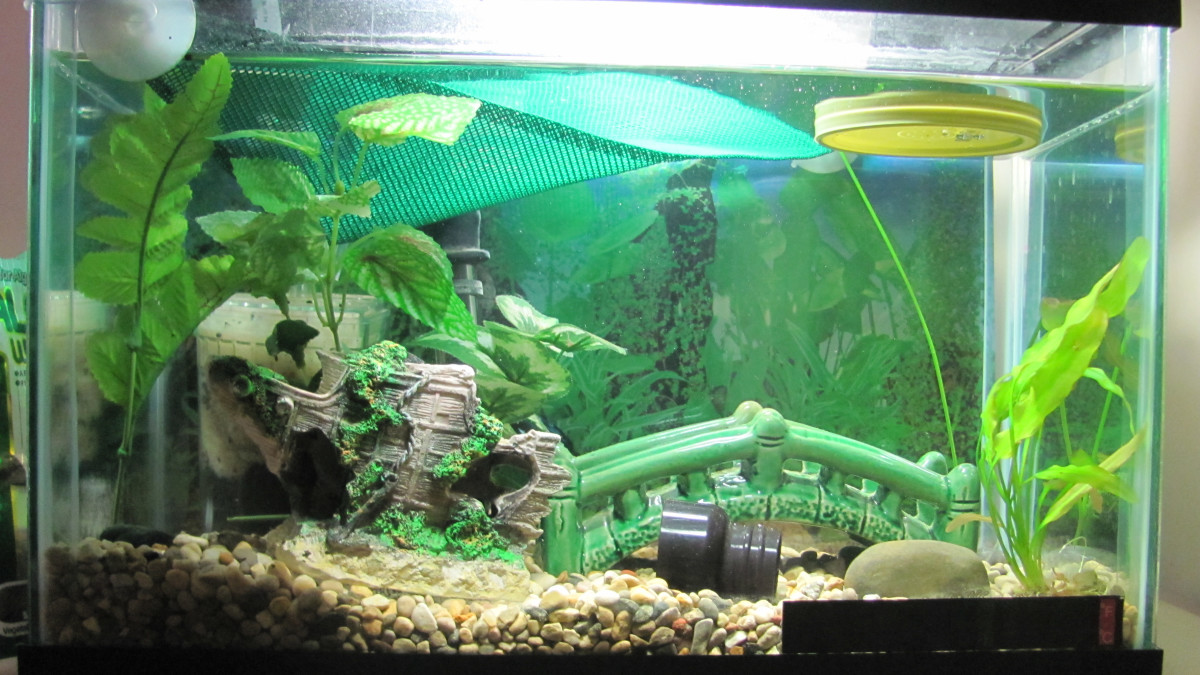
Credit: pethelpful.com
Selecting The Aquarium
Choosing the right aquarium is important for your fish’s health. The aquarium size, shape, and location affect your fish’s comfort and well-being.
This guide helps you select the best tank for a single fish species. It covers size, material, and placement tips.
Tank Size Recommendations
Pick a tank size based on the fish species and its adult size. A larger tank gives the fish more space to swim and grow.
- Small fish like bettas need at least 5 gallons.
- Medium fish like goldfish require 20 gallons or more.
- Large fish like cichlids may need 30 gallons or larger.
- Always research the adult size before buying a tank.
Material And Shape Considerations
Aquariums come in glass or acrylic. Glass is heavy but scratch-resistant. Acrylic is lighter and clearer but scratches easily.
| Material | Advantages | Disadvantages |
| Glass | Scratch resistant, affordable | Heavy, can break |
| Acrylic | Lightweight, clearer | Scratches easily, expensive |
Shape affects swimming space. Rectangular tanks offer more surface area than tall or round tanks. Fish prefer wider tanks for swimming.
Placement And Lighting
Place the aquarium on a strong, level surface. Avoid spots near windows or heaters to keep water temperature stable.
- Keep away from direct sunlight to prevent algae growth.
- Use LED lights to mimic natural daylight.
- Turn off lights at night to give fish rest.
- Ensure the tank is easy to access for cleaning and feeding.
Water Quality Essentials
Maintaining water quality is crucial for a healthy aquarium. Clean water helps your fish thrive and reduces health problems.
Understanding the essentials of water management ensures a suitable environment for your fish species.
Filtration Systems
Filtration systems keep the water clean by removing debris and toxins. There are different types to consider.
- Mechanical filters trap solid particles.
- Biological filters break down harmful ammonia.
- Chemical filters remove impurities and odors.
Water Parameters To Monitor
Regularly monitoring water parameters ensures a safe and stable environment for your fish.
| Parameter | Ideal Range |
| pH Level | 6.5 – 7.5 |
| Temperature | 74°F – 78°F |
| Ammonia | 0 ppm |
| Nitrite | 0 ppm |
| Nitrate | Below 20 ppm |
Regular Maintenance Tips
Consistent maintenance is vital for sustaining water quality and fish health. Follow these simple tips to keep your aquarium in top condition.
- Replace 10-15% of the water weekly.
- Clean the filter monthly for optimal performance.
- Test water parameters regularly using a test kit.
- Remove uneaten food to prevent water pollution.
- Check equipment for proper operation.

Credit: www.reddit.com
Creating The Ideal Habitat
Setting up an aquarium for a single fish species requires careful planning. The right environment helps your fish stay healthy and active.
Choosing the correct materials and decorations makes the aquarium feel like a natural home. Each choice affects water quality and fish comfort.
Substrate Choices
The substrate is the material covering the bottom of the tank. It impacts water chemistry and fish behavior. Sand and gravel are popular options.
- Sand is soft and good for bottom dwellers.
- Gravel allows better water flow and root growth.
- Avoid sharp substrates that can harm fish.
- Rinse substrate well before adding it to the tank.
Decorations And Hiding Spots
Decorations provide shelter and reduce stress for fish. Hiding spots help fish feel safe and less exposed.
| Decoration Type | Benefit |
| Rocks | Create caves and hiding places |
| Driftwood | Add natural cover and improve water chemistry |
| Ceramic Pots | Offer cozy hiding spots |
| Ornaments | Enhance tank appearance without affecting fish |
Live Plants Vs Artificial Plants
Live plants improve water quality and provide natural shelter. Artificial plants need less care but do not support water health.
- Live plants produce oxygen and absorb waste.
- Artificial plants are easy to clean and do not die.
- Choose plants based on fish needs and tank light.
- Mix both types for a balanced aquarium look.
Feeding Your Fish
Feeding your fish the right way helps them stay healthy and happy. It is important to choose the correct food and feed the right amount.
Different fish species have different needs. Understanding these needs ensures your fish thrive in their aquarium.
Types Of Fish Food
There are many types of fish food available. Each type serves different nutritional needs for your fish.
- Flakes: Easy to use and good for many tropical fish.
- Pellets: Sinks or floats, suitable for bottom or surface feeders.
- Frozen Food: Includes bloodworms and brine shrimp, good for protein boost.
- Live Food: Small insects or worms that some fish prefer for natural diet.
- Vegetable Matter: Algae wafers or blanched vegetables for herbivores.
Feeding Frequency And Quantity
Feed your fish small amounts more than once a day. This mimics their natural eating habits.
| Fish Type | Feeding Times per Day | Amount per Feeding |
|---|---|---|
| Small Tropical Fish | 2-3 | As much as they eat in 2 minutes |
| Large Fish | 1-2 | Enough to finish in 5 minutes |
| Bottom Feeders | 1-2 | Small portions to prevent waste |
Avoiding Overfeeding
Overfeeding causes water pollution and health problems for your fish. Watch their behavior to avoid this.
- Feed only what fish can eat quickly.
- Remove leftover food after feeding time.
- Use feeding tools to control portions.
- Do not feed more than twice a day unless advised.
- Observe fish for signs of distress or bloating.
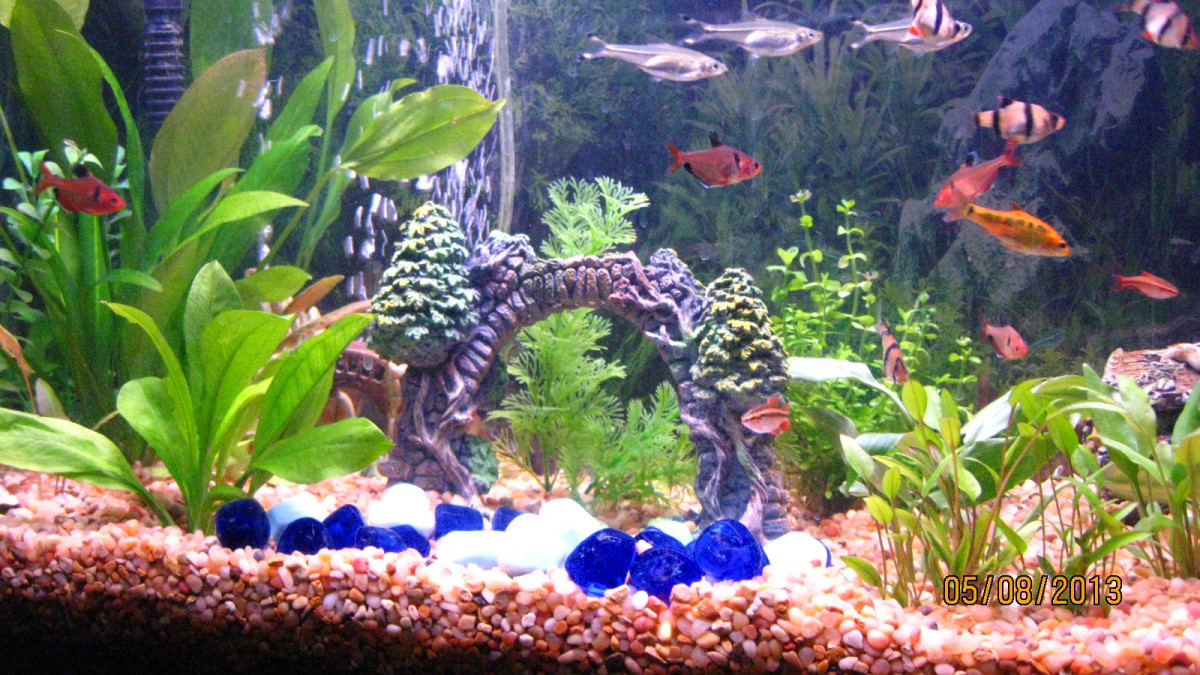
Credit: pethelpful.com
Health And Disease Prevention
Setting up an aquarium for one fish species needs careful attention. Keeping your fish healthy helps them live longer.
Good tank care reduces the chance of diseases. You should watch your fish and tank regularly.
Common Fish Diseases
Fish can get sick from bacteria, fungi, or parasites. Some common diseases include Ich, fin rot, and swim bladder disorder.
Early signs of illness help you treat fish fast. Keep the tank clean and maintain good water quality to prevent diseases.
- Ich causes white spots on the fish body.
- Fin rot makes fins look ragged or faded.
- Swim bladder disorder affects fish balance and swimming.
- Fungal infections show white cotton-like patches.
- Bacterial infections cause red sores or ulcers.
Quarantine Procedures
Quarantine new fish before adding them to your main tank. This stops diseases from spreading to your healthy fish.
Keep new fish in a separate tank for two to four weeks. Check for signs of illness and treat if needed.
- Use a separate tank with clean water.
- Feed the fish as usual and watch their behavior.
- Look for spots, sores, or unusual swimming.
- Only add fish to the main tank after they stay healthy.
Signs Of A Healthy Fish
A healthy fish swims actively and eats well. Its color is bright and fins are not torn.
Clear eyes and smooth scales show good health. Fish should react to changes in the tank.
- Bright, even color without spots
- Active swimming and normal breathing
- Clear eyes without cloudiness
- Fins fully open and intact
- Regular eating habits
Monitoring And Adjusting
Setting up an aquarium for a single fish species needs careful watching. You must check the fish’s health and tank conditions regularly.
Adjusting the tank environment helps keep your fish happy and healthy. Small changes can make a big difference over time.
Behavioral Observations
Watch your fish every day to learn its normal behavior. Look for signs of stress or illness like hiding or not eating.
Changes in swimming patterns or color can show problems. Noticing these early helps you fix issues fast.
- Check if the fish swims actively or stays still
- Notice if the fish eats normally
- Look for unusual spots or colors
- Watch for aggressive or shy behavior
Water Testing Schedule
Test the water weekly to keep it safe. Important tests include pH, ammonia, nitrite, and nitrate levels.
Good water quality prevents diseases. Write down test results to track changes over time.
- Test pH to keep water balanced
- Check ammonia and nitrite for toxins
- Measure nitrate to avoid buildup
- Adjust water changes based on results
Adapting To Fish Growth
Fish grow and need more space over time. Watch for signs that the tank is too small or crowded.
Change decorations and hiding spots as fish get bigger. Upgrade filters to handle more waste.
- Check if fish has room to swim freely
- Remove small plants or objects fish may outgrow
- Increase filter power for larger fish
- Plan for tank upgrades when needed
Frequently Asked Questions
What Is The Ideal Tank Size For A Single Fish Species?
The ideal tank size depends on the fish species. Generally, a 20-gallon tank suits small to medium fish. Larger fish require bigger tanks to ensure enough swimming space and water stability.
How Do I Maintain Water Quality For One Fish Species?
Regular water changes, proper filtration, and monitoring pH and ammonia levels maintain water quality. Avoid overfeeding and test water weekly to keep the environment healthy for your fish.
What Substrate Is Best For A Single Fish Aquarium?
The best substrate depends on the fish species. Sand is good for bottom-dwellers, while gravel suits most fish. Choose substrate that supports plants if you plan to add them.
How Often Should I Feed A Single Fish Species?
Feed your fish once or twice daily with species-appropriate food. Avoid overfeeding to prevent water pollution and health issues. Adjust portions based on fish size and activity.
Conclusion
Setting up an aquarium for one fish species needs careful planning. Choose the right tank size and clean water for your fish. Add decorations that match your fish’s needs. Keep the water temperature steady and check it often. Feeding your fish the right food helps it stay healthy.
Regular tank cleaning keeps your fish happy and safe. Watch your fish daily to spot any problems early. A simple, well-kept tank creates a peaceful home for your fish. Enjoy the calm and beauty your fish brings to your space.